

 Lifestyle & Wellness Desk
Experts Call for Continued Sustainability of HIV Programs in Lagos, Bayelsa, and Edo
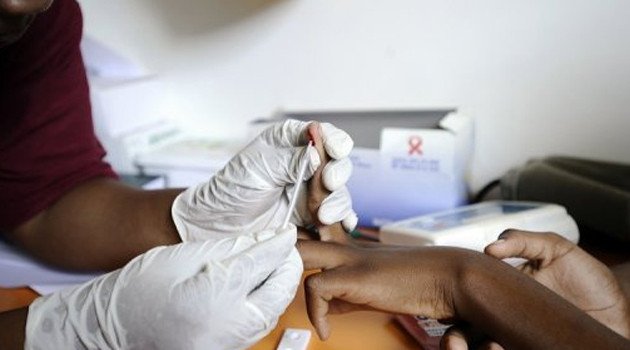
For 38-year-old Faith, living with HIV is no longer a death sentence — not when treatment and support are within reach.
The Lagos-based businesswoman, who tested positive for the Human Immunodeficiency Virus (HIV) in 2023, said counselling and care from health workers helped her accept her diagnosis and live confidently despite the stigma surrounding the condition.
Faith discovered her status during a free community HIV testing programme held in Ajegunle, Ajeromi-Ifelodun Local Government Area of Lagos State.
“I never imagined I could have HIV. I was always treating malaria and didn’t know something else was wrong,” she recalled. “I was devastated at first, but with counselling and support, I decided to move on with my life.”
Following her diagnosis, Faith was enrolled in a treatment programme and has since remained committed to her antiretroviral therapy (ART). She regularly checks her CD4 count — a key indicator of immune health — and says her results have been encouraging.
“The drugs are free and always available at the clinic,” she said. “The doctor told me that with the right treatment and support, HIV won’t stop me from living a long and fulfilling life.”
Faith’s journey is one of thousands made possible through the Accelerated Control for HIV Epidemic Cluster 6 (ACE-6) project — a USAID/PEPFAR-funded initiative designed to fast-track HIV epidemic control in Lagos, Bayelsa, and Edo States.
Implemented by Heartland Alliance LTD/GTE (HALG) in partnership with Pathfinder International, KNCV Nigeria, and others, the five-year programme has delivered high-impact interventions across 37 local government areas, focusing on prevention, case finding, treatment, and care.
Through innovations such as digital record systems (LAMIS Plus), Plasma Separation Cards, and AI-based testing models, the project has enhanced efficiency and improved health outcomes.
By 2025, ACE-6 had facilitated over 2.17 million HIV tests, placed 34,264 new patients on ART, and achieved a 96 percent viral suppression rate. Additionally, 29,698 people were on pre-exposure prophylaxis (PrEP), while 29,357 women were screened for cervical cancer.
In Lagos, the project’s technology-driven approach reduced viral load testing time from 30 days to just three, ensuring timely results and better patient outcomes. Similar progress has been recorded in Bayelsa and Edo, where mobile clinics reach remote communities, including riverine areas.
In Bayelsa, Peter — another beneficiary — shared how he regained his health after being diagnosed with HIV in 2022. “I live in a riverine area, but I still have access to treatment and regular tests. The drugs are free and available,” he said.
Experts from the three states and the Nigerian Institute of Medical Research (NIMR) have praised the impact of ACE-6 while calling for its sustainability as donor funding winds down.
At NIMR, the project introduced technological innovations that reduced viral load test turnaround time from 30 days to three. According to Professor Oliver Ezechi, Director of Medical Research at NIMR, “The project strengthened our laboratory systems and digitalised client records. Between 2022 and April 2024, our Mega PCR Lab processed over 715,000 viral load samples.”
He noted that Nigeria must now take full ownership of its HIV response by integrating HIV services into broader health systems to reduce costs and stigma.
The Permanent Secretary, Lagos State Ministry of Health, Dr. Olusegun Ogboye, said the digitalisation of patient records through LAMIS Plus significantly improved service delivery and data quality, while the state’s HIV Programme Coordinator, Dr. Oladipupo Fisher, highlighted that over 50,000 people had been placed on treatment through the project.
In Bayelsa, the Director of Public Health, Dr. Jones Stow, emphasised that sustaining the initiative would depend on domestic financing and the institutionalisation of outreach programmes.
Similarly, in Edo State, Permanent Secretary of the Ministry of Health, Dr. Stanley Ehinarimwian, noted that the project enhanced health worker capacity, improved data systems, and aligned HIV services with national policies.
Dr. Eguasa Driscoe Owen, the State HIV/AIDS and STI Coordinator, said the introduction of biometric verification and family-based testing under the project helped track clients more effectively.
“We now use biometrics because clients often move across states,” he explained. “We also test their partners and children to ensure no one is left behind.”
With sustained commitment and local investment, experts say Nigeria can build on ACE-6’s legacy and move closer to achieving its goal of ending AIDS by 2030.

