

 Ifunanya Okafor
FDA Bans Red Dye No. 3: What You Need to Know
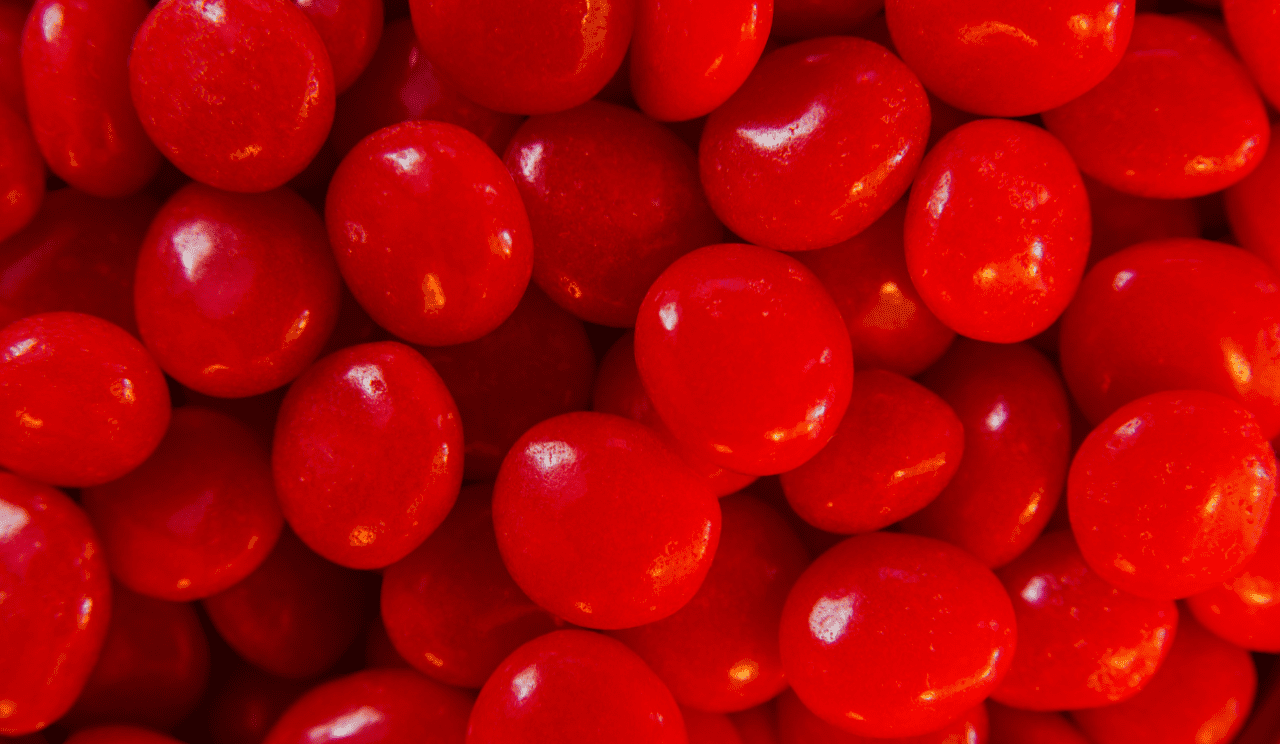
In a significant move to protect public health, the U.S. Food and Drug Administration (FDA) has officially banned Red Dye No. 3. This synthetic coloring, often found in popular candies, cereals, and even medications like Tylenol, has been linked to cancer in animal studies.
Why Is Red Dye No. 3 Being Banned?
The FDA’s decision comes after extensive research revealed that high doses of Red Dye No. 3 caused cancer in male lab rats. This discovery aligns with the Delaney Clause, a regulation that forbids the use of additives shown to cause cancer in humans or animals. Though the dye has been under scrutiny for decades, this new ruling ensures it will no longer be part of the American food and drug supply.
What Products Are Affected?
Red Dye No. 3 has been a staple in many everyday items. Brightly colored candies, baked goods, flavored milks, and cereals often rely on this dye for their vibrant hues. Additionally, it’s used in some medications, including Tylenol, to give them a distinct appearance. The ban will require manufacturers to find alternatives for these products.
When Will the Ban Take Effect?
The FDA has set clear deadlines for the removal of Red Dye No. 3. Food products must phase out the dye by January 15, 2027, while drug manufacturers have until January 18, 2028. This staggered timeline allows companies ample time to reformulate their products.
A Global Perspective
Red Dye No. 3 isn’t just a concern in the United States. Countries like those in the European Union, Australia, and New Zealand have already banned or heavily restricted its use due to similar health risks. The FDA’s action brings the U.S. in line with these international standards, emphasizing a global commitment to food safety.
What Can Consumers Do?
In the meantime, consumers worried about Red Dye No. 3 can take proactive steps. Checking product labels for this dye and opting for items that use natural colorings can help minimize potential risks. Many brands are already transitioning to safer alternatives, making it easier for shoppers to make informed choices.
Industry Response
Some companies have anticipated this ban and begun removing Red Dye No. 3 from their products. For example, popular brands like Peeps and Dole have already made changes to their recipes, offering dye-free options to their customers.
Looking Ahead
This ban marks a crucial step toward improving food safety in the U.S. As the deadlines approach, consumers can expect to see fewer products containing synthetic dyes and more options that prioritize health and safety. The FDA’s decision is a reminder of the ongoing efforts to ensure the well-being of all Americans.

