

 Lifestyle & Wellness Desk
GAMIFICATION IN LEARNING: TURNING STUDY INTO PLAY
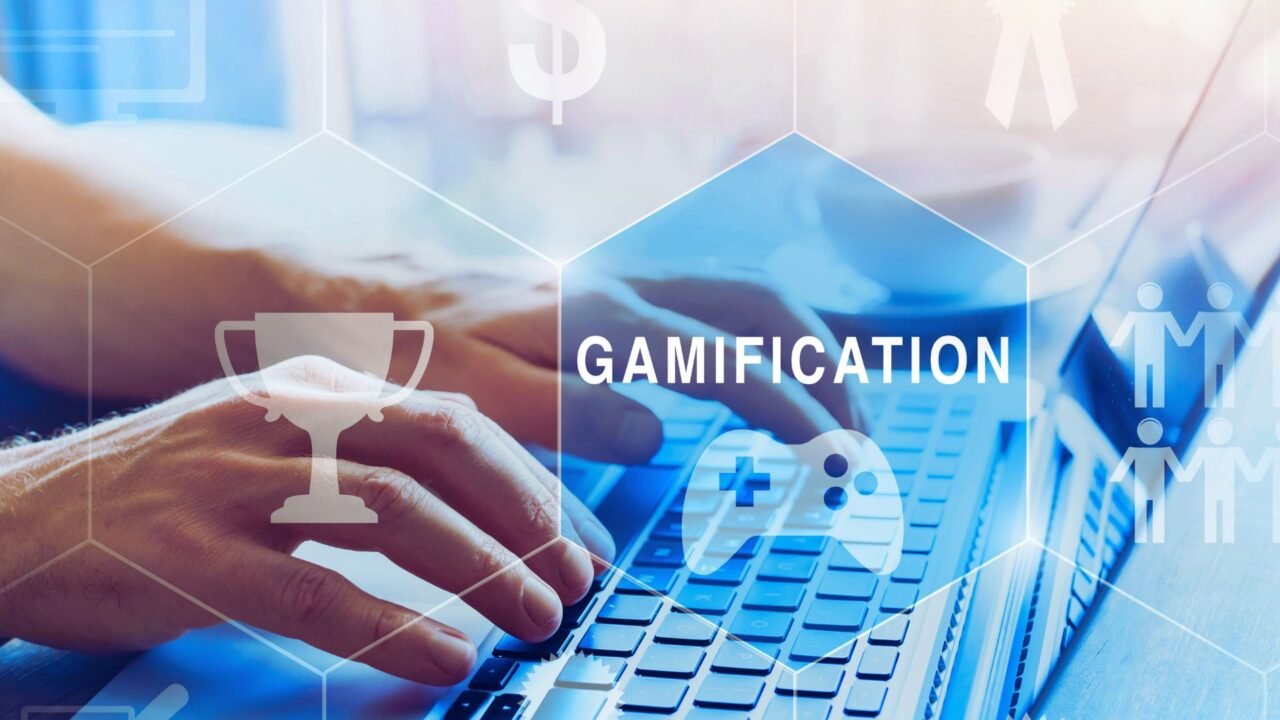
Imagine a classroom where learning feels less like a chore and more like an adventure. Where solving math problems unlocks treasure chests, mastering grammar helps build virtual kingdoms, and history lessons turn into time-travel quests. This is the magic of gamification in education; a revolutionary approach that blends play with study, making learning engaging, interactive, and, most importantly, fun.
What is Gamification in Learning?
Gamification involves integrating game-like elements such as points, rewards, leaderboards, and challenges into educational content. It doesn’t mean turning classrooms into video game arcades but rather leveraging the motivational tools of games to encourage participation, engagement, and retention in learning.
At its core, gamification taps into a universal truth: humans are naturally drawn to challenges, rewards, and achievements. When applied thoughtfully, it transforms mundane tasks into exciting experiences that spark curiosity and foster a love for learning.
How Gamification Works in Education
Platforms using gamification principles have proven that study and play can coexist harmoniously. They inspire students to approach their studies with the same enthusiasm they bring to their favorite games. Let’s explore a few standout examples:
1. Kahoot!
Kahoot! has turned quizzes into a thrilling competition. Teachers use the platform to create interactive quizzes on any topic. Students compete in real time, answering questions on their devices while a leaderboard tracks performance. The vibrant interface and time-based scoring create a game-show atmosphere that transforms revision sessions into something students eagerly anticipate.
Impact: Research has shown that Kahoot! significantly boosts student engagement and motivation. The instant feedback and playful competition foster active participation, even among typically disengaged learners.
2. Duolingo
Duolingo is a gamified language-learning app that has millions of users worldwide. Through bite-sized lessons, users earn points, unlock levels, and maintain streaks. With its cartoon mascot cheering learners on and progress bars tracking goals, Duolingo makes learning a new language feel like a personal quest.
Impact: The app’s game-inspired design encourages learners to stick with it longer, making language acquisition less intimidating. Its reward system motivates users to return daily, promoting consistency (a critical factor in mastering a language).
3. Minecraft: Education Edition
Minecraft: Education Edition allows students to explore, build, and create within a virtual world while learning key concepts in subjects like history, coding, and science. For example, students can construct ancient civilizations in history class or simulate chemical reactions in a virtual lab.
Impact: Minecraft fosters creativity, critical thinking, and collaboration. Teachers report that students are more engaged and better able to retain information when lessons are tied to hands-on activities in the game.
Why Gamification Works
Gamification resonates with students because it mirrors the mechanics of the games they already love. Here’s why it works so well:
- Boosts Motivation: Game elements like rewards and progress tracking provide a sense of achievement, encouraging students to keep going.
- Encourages Healthy Competition: Leaderboards and challenges tap into students’ competitive spirit, driving them to perform better.
- Fosters Active Learning: By turning passive tasks into interactive experiences, gamification ensures students are actively engaged in their learning.
- Improves Retention: Concepts learned in a fun, engaging context are more likely to stick.
The Challenges of Gamification
While gamification is transformative, it’s not without challenges. Over-reliance on rewards can sometimes undermine intrinsic motivation, where students learn for the sake of learning. Teachers must strike a balance, ensuring the educational objectives remain at the forefront.
Additionally, access to technology can be a barrier in some regions. Schools must find ways to integrate gamification equitably to ensure all students benefit.
The Future of Gamified Learning
As technology evolves, gamification in education will only grow more sophisticated. Virtual reality (VR) and augmented reality (AR) are already paving the way for fully immersive learning experiences, where students can “walk” through the human body in biology or “visit” historical landmarks in real time.
Gamification doesn’t just make learning enjoyable; it redefines how students interact with knowledge. By turning study into play, it ensures that education is not just something students endure but something they actively embrace.
The question is no longer whether gamification belongs in education. it is how we can maximize its potential to inspire a generation of learners who see study not as work but as an adventure waiting to be explored.

