

 Edupreneur Editorial Team
Global Food Prices Tick Up in March: What It Means for Your Plate
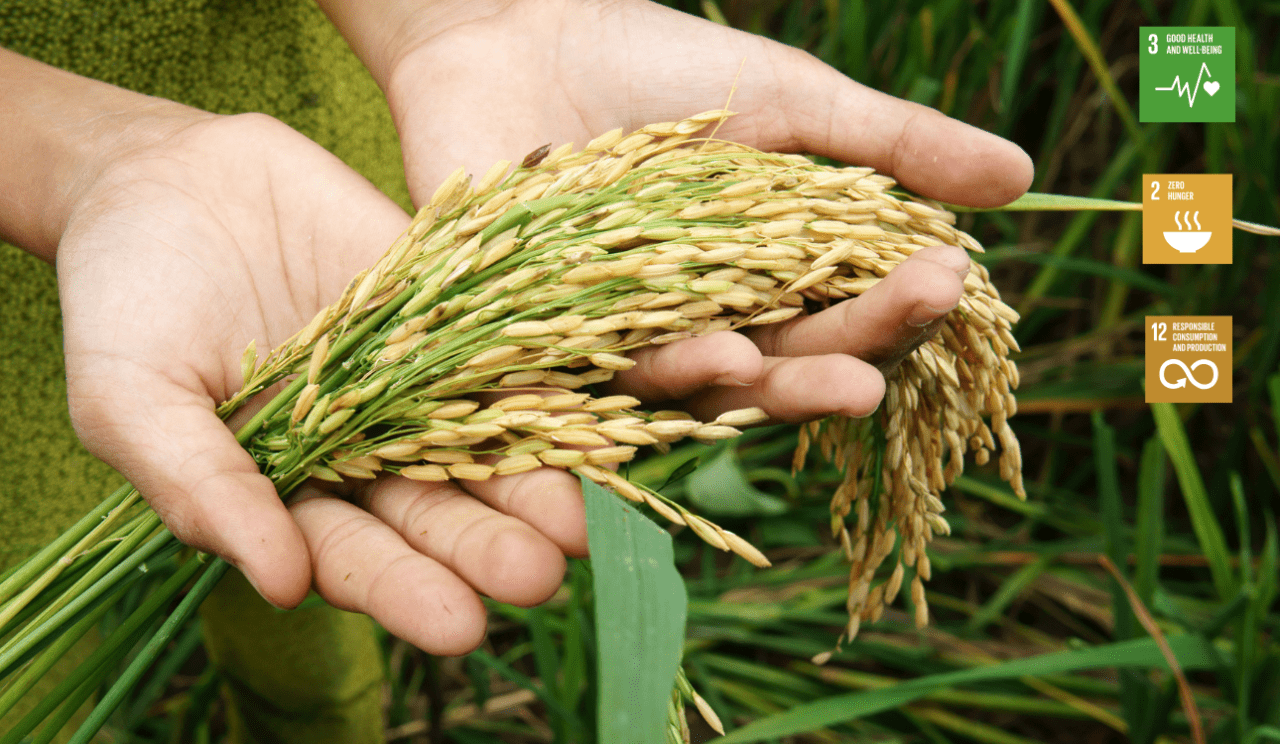
Global food commodity prices saw a slight increase in March, according to the latest report from the United Nations’ Food and Agriculture Organization (FAO). The rise was mainly driven by a surge in the cost of vegetable oils, which outweighed declines in the prices of cereals and sugar.
The FAO Food Price Index which tracks monthly changes in international prices for a basket of key food items, climbed to 127.1 points in March, up from 126.8 points in February.
What’s behind the shift?
- Vegetable oils led the rise: Prices for palm, soybean, rapeseed, and sunflower oils all increased significantly. This marks a 3.7% monthly gain and a year-on-year rise of nearly 24%, largely fueled by strong global demand.
- Cereal prices dropped: The Cereal Price Index fell 2.6%, reflecting favorable harvest expectations for wheat, maize, and sorghum. Rice prices also dipped by 1.7%, thanks to steady supplies and muted demand from key importers.
- Sugar prices eased: A 1.6% decrease in the Sugar Price Index was reported, helped by better-than-expected rainfall in southern Brazil, which is boosting sugarcane yields.
- Meat and dairy showed little change: The Meat Price Index edged up 0.9%, with European pig meat prices climbing after Germany regained disease-free certification. Meanwhile, dairy prices held steady.
Why it matters:
Even modest shifts in global food prices can affect grocery costs, trade decisions, and food security — especially in countries heavily reliant on imports. Higher vegetable oil prices, for instance, impact everyday products from margarine to packaged snacks.
Additionally, the FAO has slightly revised global cereal output estimates upward, now projecting a 2024 total of 2.849 billion metric tons and holding the 2025 wheat forecast steady at 795 million tons. These projections hint at stable supplies but also highlight the continued importance of weather conditions and market demand.
The big picture:
The update serves as a reminder of how interconnected global food systems are; and how quickly prices can shift due to factors like weather, trade policies, and supply chain pressures.
Global food commodity prices saw a slight increase in March, according to the latest report from the United Nations’ Food and Agriculture Organization (FAO). The rise was mainly driven by a surge in the cost of vegetable oils, which outweighed declines in the prices of cereals and sugar.
The FAO Food Price Index — which tracks monthly changes in international prices for a basket of key food items climbed to 127.1 points in March, up from 126.8 points in February.
What’s behind the shift?
🔹 Vegetable oils led the rise: Prices for palm, soybean, rapeseed, and sunflower oils all increased significantly. This marks a 3.7% monthly gain and a year-on-year rise of nearly 24%, largely fueled by strong global demand.
🔹 Cereal prices dropped: The Cereal Price Index fell 2.6%, reflecting favorable harvest expectations for wheat, maize, and sorghum. Rice prices also dipped by 1.7%, thanks to steady supplies and muted demand from key importers.
🔹 Sugar prices eased: A 1.6% decrease in the Sugar Price Index was reported, helped by better-than-expected rainfall in southern Brazil, which is boosting sugarcane yields.
🔹 Meat and dairy showed little change: The Meat Price Index edged up 0.9%, with European pig meat prices climbing after Germany regained disease-free certification. Meanwhile, dairy prices held steady.
Why it matters:
Even modest shifts in global food prices can affect grocery costs, trade decisions, and food security especially in countries heavily reliant on imports. Higher vegetable oil prices, for instance, impact everyday products from margarine to packaged snacks.
Additionally, the FAO has slightly revised global cereal output estimates upward, now projecting a 2024 total of 2.849 billion metric tons and holding the 2025 wheat forecast steady at 795 million tons. These projections hint at stable supplies but also highlight the continued importance of weather conditions and market demand.
The big picture:
The update serves as a reminder of how interconnected global food systems are, and how quickly prices can shift due to factors like weather, trade policies, and supply chain pressures.

