

 Lifestyle & Wellness Desk
House Of Representatives Moves to Withhold Budgets of Non-Compliant Mdas
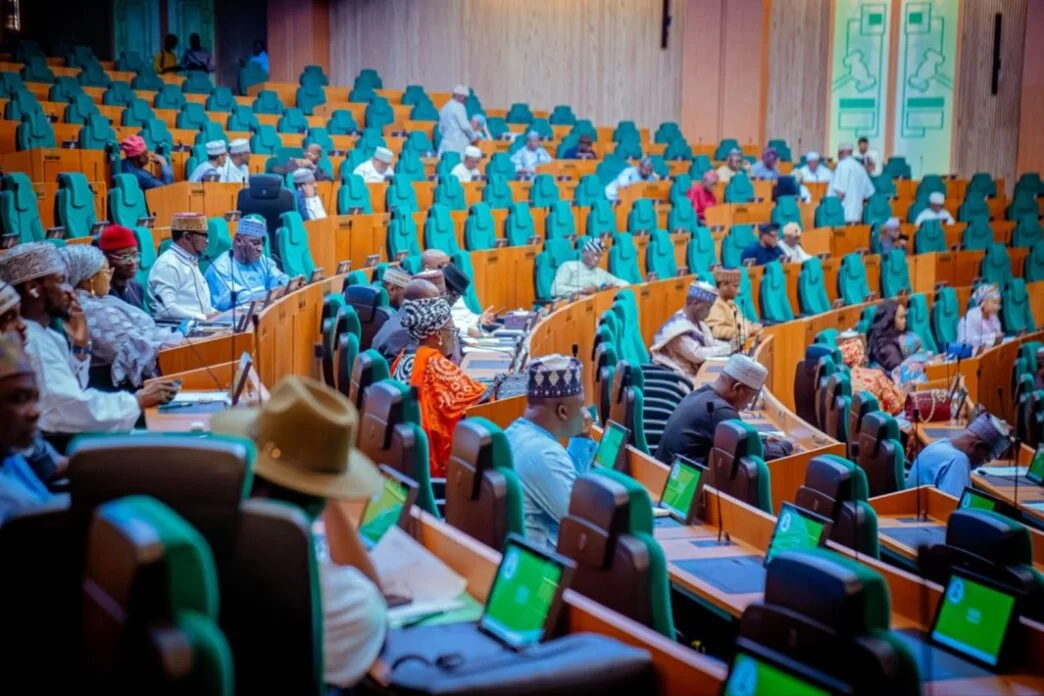
Government-owned agencies, commissions, and corporations that fail to submit their annual audited financial statements to the Office of the Auditor-General for the Federation could soon be denied budgetary allocations, following a new constitutional amendment proposed by the House of Representatives.
The initiative seeks to strengthen fiscal oversight and enforce accountability rules that many Ministries, Departments, and Agencies (MDAs) have routinely ignored.
For years, delays or non-submission of audited accounts have hampered the Auditor-General’s work and limited the ability of the National Assembly’s Public Accounts Committees to scrutinise public spending and address infractions.
Under current law, MDAs are required to submit audited accounts, but there is no defined timeframe. This gap has allowed some agencies to operate for multiple fiscal years without audited statements, creating gaps in audit reports and weakening legislative oversight. Public Accounts Committees in both chambers have repeatedly noted that the absence of current audited accounts makes it difficult to track spending, verify compliance with appropriations, or follow up on previous audit queries.
In response, the House of Representatives has proposed a constitutional amendment to enforce compliance and introduce clear sanctions. The proposal, adopted by the House Committee on Constitution Review led by Deputy Speaker Dr. Benjamin Kalu, mandates that all government statutory institutions, including MDAs, submit annual financial statements to the Auditor-General within a specified period. Lawmakers are expected to vote on the amendment when the National Assembly resumes from recess in January 2026.
Clause two of the amendment introduces a new Section 85 (8–11), which states:
“All government statutory corporations, commissions, authorities, and agencies, including all persons and bodies established by an Act of the National Assembly, shall submit an audited financial statement of all transactions to the Auditor-General of the Federation within 90 to 180 days of the new financial year.
The audited financial statement must include detailed information on the body’s dealings. Failure to comply shall result in the National Assembly withholding approval of the entity’s budget for the following year.”
Subsection 11 further directs:
“The Auditor-General shall submit the names of any non-compliant government entities to the National Assembly for immediate exclusion from the succeeding year’s budget.”
If passed and signed into law, the amendment would be among the strongest accountability measures in Nigeria’s public finance system, directly linking access to public funds with compliance with audit requirements.
Lawmakers believe the threat of budgetary exclusion will push agencies, commissions, and corporations to prioritise timely audits, enhancing legislative oversight and public accountability.

