

 Tech & Tools Desk
How DHA-Fortified Foods Enhance Brain Development in Children
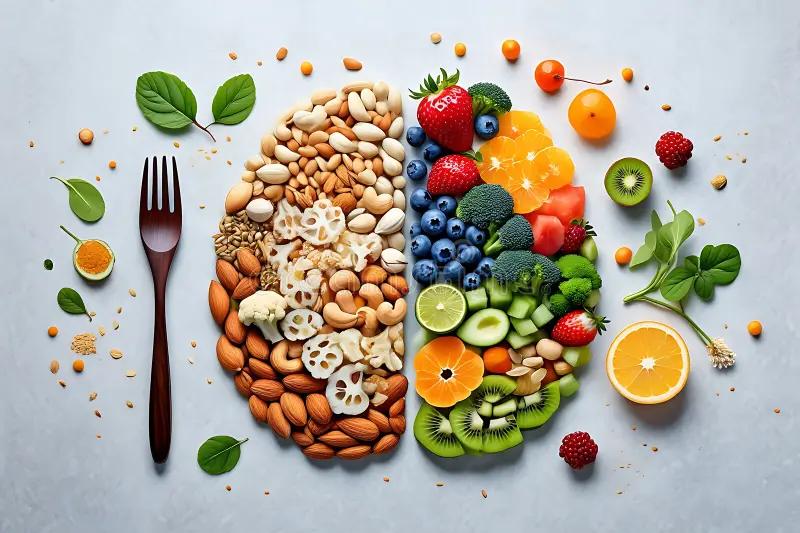
As children grow, proper nutrition plays a vital role in supporting brain development and cognitive function. A diet rich in essential nutrients provides the energy and building blocks needed for a healthy brain.
Foods fortified with Docosahexaenoic Acid (DHA) — an omega-3 fatty acid — have been shown to significantly enhance early brain development, particularly in children between the ages of two and six, helping them reach their full potential.
Health experts explain that DHA is a key structural component of brain, eye, and nerve cells, making it essential for optimal growth and function during early childhood, a period when the brain and nervous system are rapidly developing.
According to specialists, DHA accounts for about 97% of the omega-3 fatty acids in the brain and supports the formation of brain cells, improving cognitive skills such as learning, memory, and concentration. Studies show that by age one, a child’s brain has reached about 72% of its adult size, and by age five, about 90%, highlighting how critical these early years are for brain growth.
Research also suggests that children who consume more DHA tend to perform better in mental skill tests and exhibit sharper cognitive abilities.
A Consultant Paediatric Haematologist and Oncologist at the Lagos University Teaching Hospital, Prof. Edamisan Temiye, emphasized that DHA-rich foods are essential for brain development and overall intelligence.
“DHA is crucial for the brain’s development and maturation. The nerves are surrounded by fats rich in DHA, which help transmit information faster. This nutrient makes growing children sharper and more intelligent,” he explained.
Beyond brain function, DHA also supports eye health, as it is found in high concentrations in the retina. Experts note that it promotes healthy vision and proper eye development in children, and may even reduce the frequency of vision-related issues.
Major dietary sources of DHA include fatty fish such as salmon, mackerel, and sardines, as well as algae-based supplements and fortified foods like milk, yogurt, and baby formulas. Breast milk naturally contains DHA, making it an excellent source for infants.
“The DHA in breast milk is sufficient for infants, which is why exclusive breastfeeding for the first six months is strongly recommended,” Prof. Temiye added.
To ensure an adequate supply of DHA, nursing mothers are encouraged to include DHA-rich foods in their diet, and in some cases, doctors may recommend supplements.
Many manufacturers of infant formulas now fortify their products with DHA to match the natural levels found in breast milk. Parents are, however, advised to consult their paediatricians before choosing a formula to ensure it meets their child’s nutritional needs.
In some instances, paediatricians may recommend DHA supplements, especially for children with dietary restrictions or low intake of DHA-rich foods.
Experts advise parents to regularly include DHA-rich foods in their children’s diets and follow professional guidance to support brain growth, improve cognitive performance, and give their children the best start in life.

