

 Zara Lianne
Maersk Reports Major Decline in U.S.-China Container Volumes as Trade War Escalates
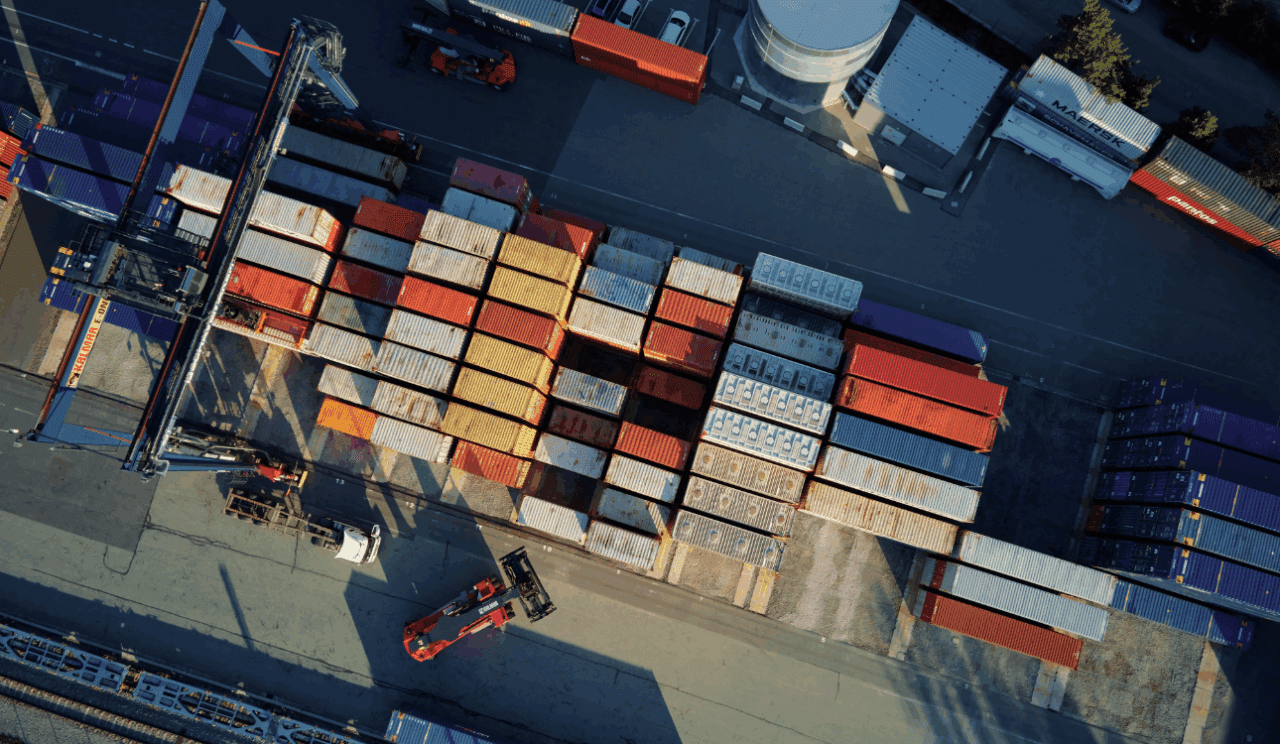
Shipping giant Maersk has reported a significant drop in container volumes between the U.S. and China, with shipments plunging by 30-40% in April due to escalating trade tensions between the two largest global economies.
The decline comes as both nations continue to impose tariffs and trade restrictions, prompting shifts in global shipping patterns. In response, Maersk has adjusted its operations by re-routing a portion of its capacity to other emerging markets in Asia to mitigate the loss.
Despite the challenges, the company has maintained its full-year profit outlook, projecting operating profits between $0 and $3 billion. In the first quarter of 2025, Maersk saw a remarkable 70% year-on-year increase in earnings, reaching $2.71 billion.
However, Maersk has cautioned that if the trade war persists, it could lead to a global contraction in container volumes. The company has revised its growth forecast for global container volumes, lowering its previous estimate of a 4% increase to a more conservative range of a 1% decline to 4% growth.
The impact of the trade tensions is already being felt at U.S. ports, particularly at the Port of Los Angeles, which is expecting a 30.4% drop in weekly container arrivals. Major retailers and logistics companies are facing disruptions, with canceled orders and shipping delays, raising concerns about supply chain bottlenecks and the potential for an economic slowdown.
In addition to the trade conflict, Maersk is also grappling with geopolitical challenges, including attacks on shipping routes in the Red Sea by Houthi militants. These attacks have led to a 90% decrease in container shipments through the region, forcing vessels to reroute around the Cape of Good Hope, which significantly increases both travel time and operational costs.
Despite these hurdles, Maersk continues to operate its trans-Pacific sailings, albeit with some vessel downsizing, and is actively monitoring global trade and geopolitical developments to adjust its strategy accordingly.