Tag: Trade War

Zara Lianne8 May 2025
mersk-1280x744.png

3min12460
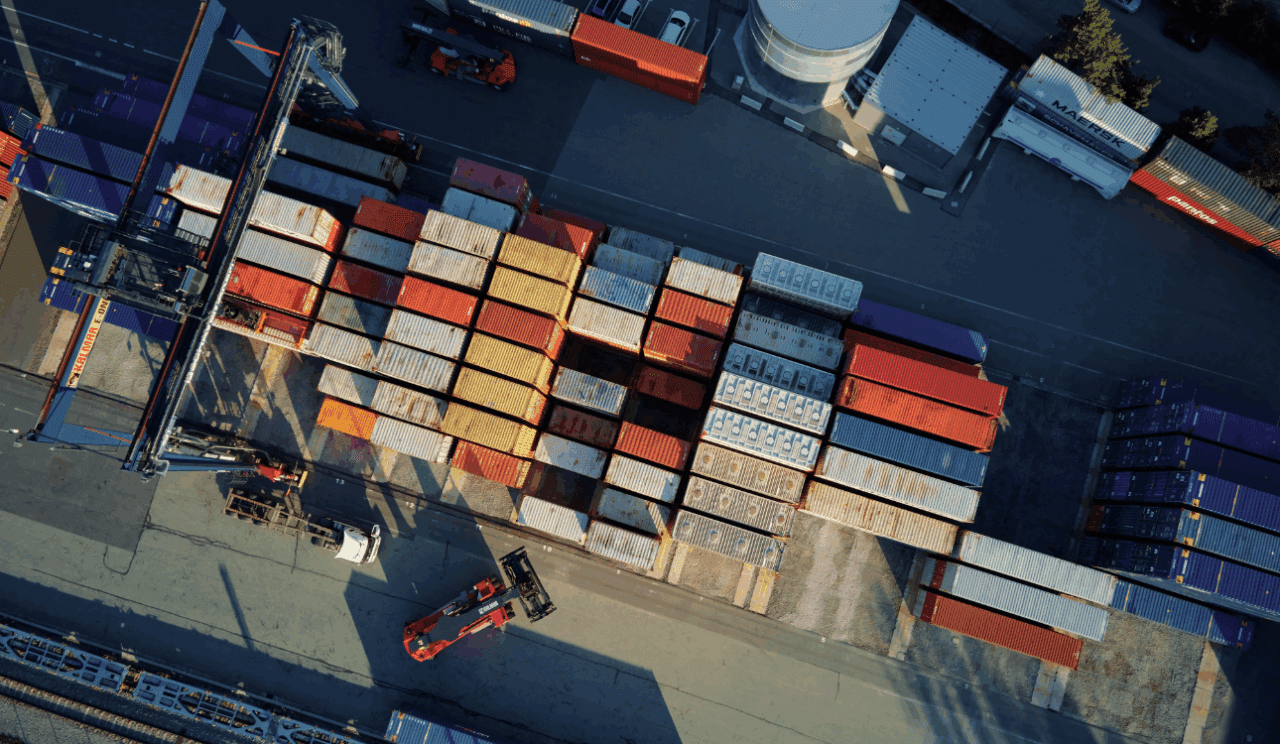
Shipping giant Maersk has reported a significant drop in container volumes between the U.S. and China, with shipments plunging by 30-40% in April due to escalating trade tensions between the two largest global economies. The decline comes as both nations continue to impose tariffs and trade restrictions, prompting shifts in global shipping patterns. In response, Maersk has adjusted its operations by re-routing a portion of its capacity to other emerging markets in Asia to mitigate the loss. Despite the challenges, the company has maintained its full-year profit outlook, projecting operating profits between $0 and $3 billion. In the first quarter of 2025, Maersk saw a remarkable 70% year-on-year increase in earnings, reaching $2.71 billion. However, Maersk has cautioned that if the trade war persists, it could lead to a global contraction in container volumes. The company has revised its growth forecast for global container volumes, lowering its previous estimate of a 4% increase to a more conservative range of a 1% decline to 4% growth. The impact of the trade tensions is already being felt at U.S. ports, particularly at the Port of Los Angeles, which is expecting a 30.4% drop in weekly container arrivals. Major retailers and logistics companies are facing disruptions, with canceled orders and shipping delays, raising concerns about supply chain bottlenecks and the potential for an economic slowdown. In addition to the trade conflict, Maersk is also grappling with geopolitical challenges, including attacks on shipping routes in the Red Sea by Houthi militants. These attacks have led to a 90% decrease in container shipments through the region, forcing vessels to reroute around the Cape of Good Hope, which significantly increases both travel time and operational costs. Despite these hurdles, Maersk continues to operate its trans-Pacific sailings, albeit with some vessel downsizing, and is actively monitoring global trade and geopolitical developments to adjust its strategy accordingly.

12-1280x744.jpg

2min6210
China has announced a sharp increase in tariffs on U.S. imports, raising them to 125% in response to a recent move by President Donald Trump to raise duties on Chinese products to 145%. This marks a major escalation in the ongoing trade war between the two global economic giants. According to China’s Ministry of Finance, the new tariffs will take effect immediately and will target key American exports, including soybeans, aircraft, and pharmaceuticals. In addition to the tariff hike, China has also suspended imports of certain U.S. agricultural products such as sorghum and poultry, while tightening restrictions on rare earth mineral exports. Beijing described the U.S. tariff increase as “unilateral and coercive,” accusing Washington of breaching international trade rules. The Ministry emphasized that while it will not match every future U.S. tariff hike, further increases could render American imports economically unviable in the Chinese market. This latest development has sparked concerns across global markets, with analysts warning that the trade dispute could disrupt supply chains and increase costs for businesses and consumers worldwide. The rising tension places added pressure on both governments to find a diplomatic solution and avoid a deeper economic fallout. As the situation continues to evolve, all eyes remain on how the U.S. and China will navigate this growing standoff.

tv-1280x744.png

2min6910
Samsung Electronics has announced that its television division is likely to feel less impact from the newly announced U.S. tariffs, compared to other global competitors. The reason? Location. Most of Samsung’s TVs sold across North America are assembled in Mexico. This strategic manufacturing setup allows the tech giant to avoid the steepest of the new U.S. import tariffs, some of which reach up to 54% for goods coming from countries like China. Meanwhile, Chinese brands like TCL and Hisense are expected to take a harder hit due to their production bases in Asia. Still, Samsung isn’t relaxing just yet. Company executives say they are closely monitoring global trade tensions and are ready to shift production across their 10 factories worldwide if needed. The company is also assessing how the broader tariff climate might affect other products like memory chips and smartphones, as shifts in consumer spending could ripple across the electronics market. With the U.S. imposing tariffs of up to 50% on certain imports, multinational companies with manufacturing hubs in Mexico, including LG and Samsung are exploring backup plans, such as relocating some operations to the U.S., if trade barriers continue to rise. As global trade dynamics continue to evolve, Samsung’s early moves could give it a temporary edge in the heated battle for North American market share. Photo Credit: Samsung Newsroom 

Ifunanya Okafor4 February 2025
12-1280x744.jpg

2min6340
China has imposed retaliatory tariffs on U.S. imports in response to new U.S. duties on Chinese goods, reigniting tensions between the world’s two largest economies. The move follows President Donald Trump’s decision to enforce an additional 10% tariff on all Chinese imports into the U.S., which took effect at 12:01 a.m. ET on Tuesday (0501 GMT). Beijing swiftly responded with its own set of tariffs, set to take effect on February 10, targeting American-made cars, farm equipment, and energy exports. The renewed trade dispute comes as Trump seeks to penalize China over the continued flow of illicit drugs into the U.S. Meanwhile, Trump temporarily suspended his threat of imposing 25% tariffs on Mexico and Canada, granting a 30-day pause in exchange for concessions on border security and crime enforcement. Despite this reprieve, the Canadian dollar and Mexican peso weakened on Tuesday, while the U.S. dollar gained strength following the fresh tariffs on China. The Chinese yuan and Australian dollar also took a hit, and the euro declined as the European Union remained under Washington’s trade scrutiny. The latest developments have reignited fears of a prolonged global trade war, dampening optimism that had briefly surfaced after Trump’s last-minute negotiations with Canada and Mexico.