
Tag: Business News

Zara Lianne30 May 2025
3-1280x744.png

2min7740
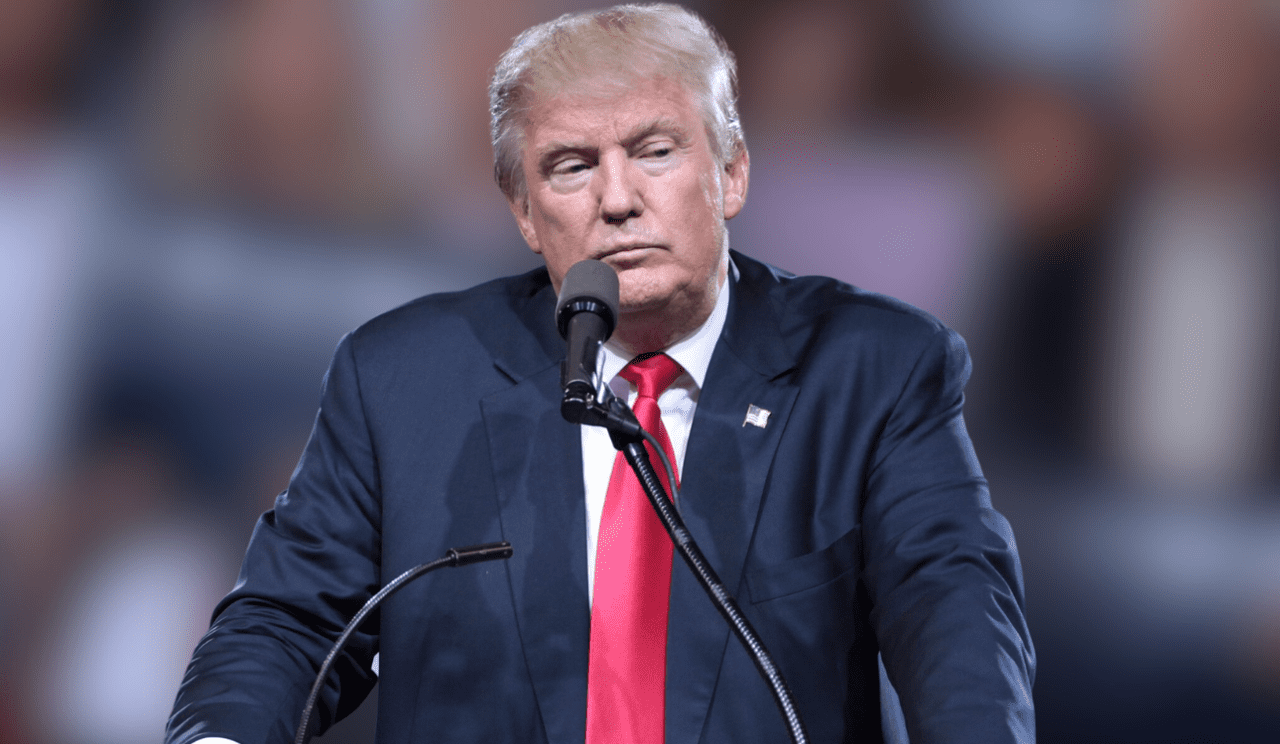
A federal appeals court has temporarily restored one of the most far-reaching sets of tariffs introduced during former President Donald Trump’s administration. This comes just a day after a lower trade court ruled the tariffs illegal and ordered them to be halted. The U.S. Court of Appeals for the Federal Circuit issued a stay on the ruling made by the Court of International Trade, allowing the contested tariffs to remain in effect while the legal battle continues. The initial decision had found that Trump had overstepped his authority under the International Emergency Economic Powers Act (IEEPA) by imposing wide-ranging tariffs without congressional approval. The case—V.O.S. Selections, Inc. v. United States—has reignited debate over presidential power in setting trade policy. The reinstated tariffs affect a broad range of imports, including steep duties on Chinese goods and products from key trade partners like Canada and Mexico. The appeals court has set a rapid timeline for both sides to submit further arguments, with responses due in early June. If the matter remains unresolved, it could eventually make its way to the U.S. Supreme Court. As businesses and trade partners await a final outcome, the temporary reinstatement of the tariffs adds fresh uncertainty to the U.S. trade landscape.

Zara Lianne20 May 2025
pfizer-1280x744.jpg

3min7660
Global pharmaceutical giant Pfizer has announced a major partnership with Chinese biotech firm 3SBio Inc. to develop and market a promising new cancer drug. The agreement marks a significant step in international collaboration on cancer treatment innovation. Under the deal, Pfizer will license the experimental therapy, known as SSGJ-707, a next-generation bispecific antibody designed to target PD-1 and VEGF—proteins commonly linked to cancer growth. This drug is currently being tested in clinical trials across China for a range of cancers, including non-small cell lung cancer, colorectal cancer, and certain gynecological tumors. Key Details of the Deal: Pfizer will pay $1.25 billion upfront and could make additional payments totaling up to $4.8 billion if the drug meets development and sales milestones. The company will also invest $100 million in 3SBio through a strategic equity stake. Pfizer gains exclusive global rights to develop, produce, and commercialize the drug—excluding China, though it retains the option to expand there later. U.S. regulators have already approved the drug’s Investigational New Drug (IND) application, paving the way for testing in American trials. Manufacturing is expected to take place in North Carolina (drug substance) and Kansas (final product). Why It Matters: This collaboration is a bold move by Pfizer to grow its oncology pipeline and signals increasing confidence in the innovation coming out of China’s biotech sector. With a Phase III trial on the horizon, SSGJ-707 could become a global player in the fight against cancer. Following the announcement, 3SBio’s stock soared by 35% on the Hong Kong exchange, boosting its market value to nearly $6 billion.

Zara Lianne8 May 2025
mersk-1280x744.png

3min12460
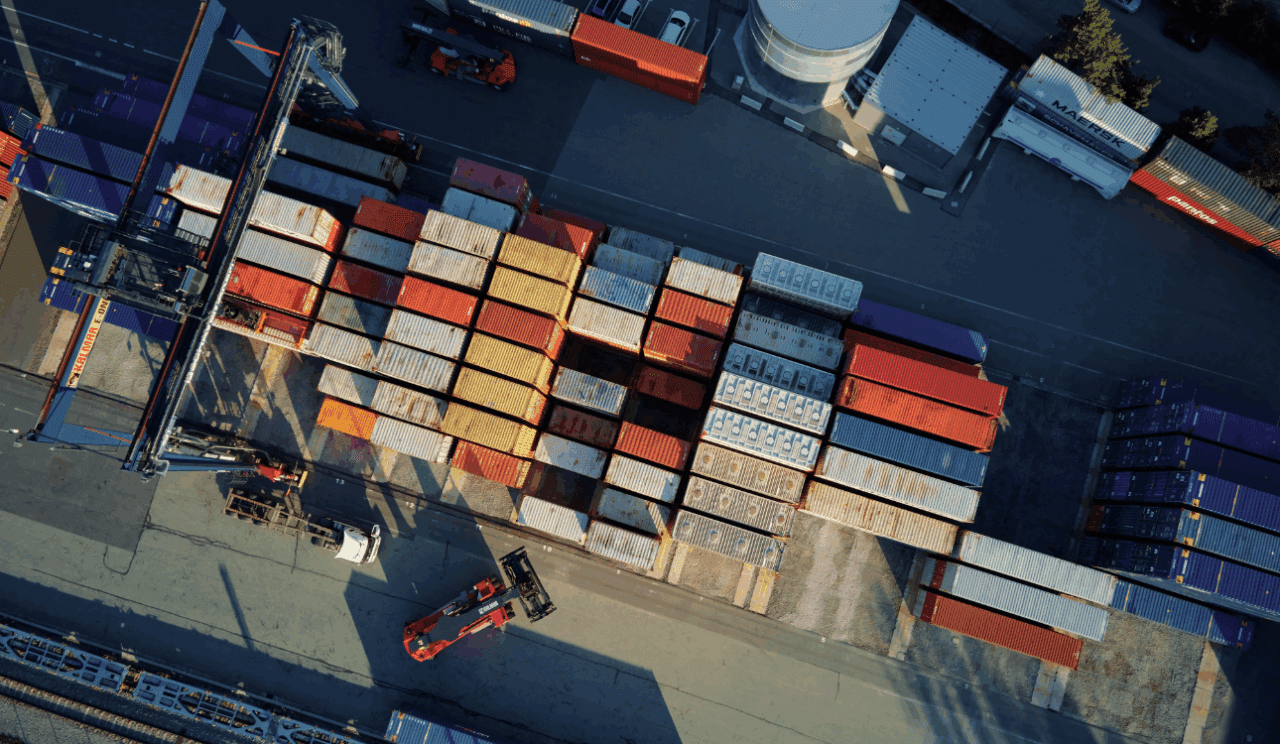
Shipping giant Maersk has reported a significant drop in container volumes between the U.S. and China, with shipments plunging by 30-40% in April due to escalating trade tensions between the two largest global economies. The decline comes as both nations continue to impose tariffs and trade restrictions, prompting shifts in global shipping patterns. In response, Maersk has adjusted its operations by re-routing a portion of its capacity to other emerging markets in Asia to mitigate the loss. Despite the challenges, the company has maintained its full-year profit outlook, projecting operating profits between $0 and $3 billion. In the first quarter of 2025, Maersk saw a remarkable 70% year-on-year increase in earnings, reaching $2.71 billion. However, Maersk has cautioned that if the trade war persists, it could lead to a global contraction in container volumes. The company has revised its growth forecast for global container volumes, lowering its previous estimate of a 4% increase to a more conservative range of a 1% decline to 4% growth. The impact of the trade tensions is already being felt at U.S. ports, particularly at the Port of Los Angeles, which is expecting a 30.4% drop in weekly container arrivals. Major retailers and logistics companies are facing disruptions, with canceled orders and shipping delays, raising concerns about supply chain bottlenecks and the potential for an economic slowdown. In addition to the trade conflict, Maersk is also grappling with geopolitical challenges, including attacks on shipping routes in the Red Sea by Houthi militants. These attacks have led to a 90% decrease in container shipments through the region, forcing vessels to reroute around the Cape of Good Hope, which significantly increases both travel time and operational costs. Despite these hurdles, Maersk continues to operate its trans-Pacific sailings, albeit with some vessel downsizing, and is actively monitoring global trade and geopolitical developments to adjust its strategy accordingly.

Zara Lianne7 May 2025
trade-talk-1280x744.png

2min16880
U.S. Treasury Secretary Scott Bessent and Chief Trade Negotiator Jamieson Greer are set to meet with China’s top economic official, He Lifeng, in Switzerland this weekend, marking a pivotal moment in the ongoing trade war between the two global economic giants. Scheduled for May 9–12, 2025, the high-level talks aim to address the trade tensions that have intensified since the U.S. imposed substantial tariffs (up to 145%) on Chinese imports, leading to retaliatory tariffs from China. These escalating duties have disrupted global markets and strained economic relations between the U.S. and China. While there is no expectation of an immediate breakthrough, the meeting is seen as a critical step toward de-escalating the conflict. Secretary Bessent emphasized the importance of reducing tensions, acknowledging that the current tariffs are “unsustainable,” especially for China. He also reiterated that the U.S. does not seek to sever ties with China, but instead wants a “fair trade” agreement. The talks are expected to focus on establishing a framework for continued negotiations rather than concluding a comprehensive trade deal. Both the U.S. and China have expressed their readiness to engage in dialogue, with China signaling a willingness to participate following domestic and international considerations. The outcome of these discussions could have far-reaching implications, shaping global trade dynamics and influencing economic policies worldwide. Observers will be closely monitoring the talks for any signs of progress toward resolving the trade dispute.

kenya-1280x744.png

2min3830
A land conflict between a British-owned tea plantation and local farmers in western Kenya has intensified, spotlighting deep-rooted tensions over historical land ownership. The dispute centers around Eastern Produce Kenya (EPK), a subsidiary of UK-based Camellia Plc, and the Kimasas Farmers’ Cooperative Society in Nandi County. Over 100 community members have taken over roughly 350 acres of land they claim was gifted to them by the company in 1986. EPK, however, acknowledges only a 202-acre donation and has challenged the authenticity of the supporting documents, calling them forged. In April, a Kenyan court dismissed EPK’s case, but the company has filed for a review, citing new evidence. The situation reflects broader frustrations tied to colonial-era land allocations, which many communities believe should be reversed. Though Kenya’s National Land Commission previously recommended returning such lands to locals, implementation has been slow. In a related move, another British tea firm, James Finlay Kenya, recently exited the Kenyan market, selling its operations to Sri Lanka’s Browns Investment PLC. As part of the deal, the local Kipsigis community received a 15% stake in the new company. These developments mark a critical moment in the conversation around land justice, foreign ownership, and the future of Kenya’s tea industry.

ope-1-1280x744.png

1min5300
In a major strategic shift, global consulting giant PricewaterhouseCoopers (PwC) has announced the closure of its offices in nine Sub-Saharan African countries. The decision comes after a global review aimed at streamlining operations and reducing exposure to high-risk markets. The affected countries include Côte d’Ivoire, Cameroon, Gabon, Senegal, Democratic Republic of Congo, Republic of Congo, Madagascar, Guinea, and Equatorial Guinea. PwC stated that the move aligns with its broader plan to strengthen its global network and manage reputational and financial risks. The closures follow recent regulatory challenges in other regions, including fines in the UK and China. In a similar move earlier this year, PwC also exited Zimbabwe, Malawi, and Fiji. In Zimbabwe, former partners have rebranded under a new local firm, Vista Chartered Accountants. Despite these exits, PwC reported a 9% increase in revenue for 2024, reaching £6.3 billion—though this marks a slowdown from the previous year’s growth.

2-1280x744.jpg

2min4180
U.S. chipmaker Nvidia has announced it expects a financial hit of $5.5 billion following new U.S. government restrictions on the export of its AI chips to China. The export controls specifically target the company’s H20 chips, designed for the Chinese market, but now requiring special licenses to be sold overseas. Sudden Restrictions, No Warning The company revealed that it was notified about the updated export rules on April 9 and received confirmation on April 14 that the licensing requirements would remain in place indefinitely. Reports indicate that Nvidia did not inform some of its major Chinese customers ahead of time, leaving companies such as ByteDance, Alibaba, and Tencent blindsided after collectively placing orders worth approximately $16 billion for H20 chips. Strategic Response: Investing at Home In a strategic shift, Nvidia has announced plans to invest up to $500 billion in developing AI supercomputers in the United States over the next four years. This is seen as part of a broader move to strengthen domestic production and reduce dependency on international markets. Ripple Effects in the Tech Industry The tightening of export rules is part of ongoing U.S. efforts to prevent advanced American technology from potentially benefiting China’s military. The new policy has also affected other chipmakers, including AMD, and triggered share price drops among key Asian suppliers like TSMC and SK Hynix. This development marks another chapter in the intensifying tech standoff between the U.S. and China – one with far-reaching consequences for the global semiconductor and AI industries.