

 James Obasi
More Remote Jobs? 6 Ways the Proposed $100,000 H-1B Visa Fee Could Impact Nigerians
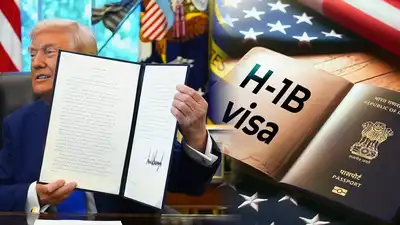
U.S. President Donald Trump has proposed a controversial new policy: a $100,000 annual fee per H-1B visa holder. If implemented, this move would place significant financial strain on American employers and could reshape how foreign talent especially Nigerians engage with the U.S. job market.
For Nigerian students, tech professionals, and healthcare workers eyeing opportunities in the U.S., this policy could trigger wide-ranging ripple effects. Here are six key ways it may impact Nigerians:
- Remote Work Could Surge
Faced with a steep $100,000 yearly cost per foreign hire, many U.S. companies may abandon traditional H-1B sponsorships in favor of remote-first models. This shift could open more opportunities for Nigerian tech professionals to work for U.S. firms from within Nigeria earning U.S. salaries without the need to relocate.
- Fewer On-Site and Entry-Level Roles for Foreign Workers
Startups and small businesses already operating on tight budgets would likely avoid hiring entry-level foreign workers due to the added cost. As a result, on-site jobs in labs, offices, and factories may increasingly go to American citizens, making it tougher for recent Nigerian graduates to land their first U.S.-based role.
- Regional Tech Hubs May Emerge Abroad
Instead of paying the hefty visa fee, many U.S. companies might open offices in talent-rich, lower-cost countries. Nations like India, China, and even Nigeria could see increased investment in local tech hubs. While this could generate more local opportunities for Nigerian professionals, it might also reduce pathways to physically relocate to the U.S.
- Healthcare Access Could Shrink
Unlike tech companies that can pivot to remote models, the healthcare sector depends on physical presence. Nigerian nurses, doctors, and medical technologists many of whom help fill labor shortages in U.S. hospitals may face dwindling job offers, as hospitals struggle to justify the added visa costs.
- Nigeria’s Tech and AI Ecosystem May Benefit
The policy might inadvertently drive growth in Nigeria’s startup scene. Talented individuals who would have moved to the U.S. may instead stay and build at home launching fintech, AI, and healthtech ventures. This could strengthen the local ecosystem and attract increased interest from global investors.
- Students May Look Beyond the U.S.
For Nigerian students aiming to study in the U.S. and transition to work through the H-1B program, the new fee presents a major deterrent. Alternative destinations like Canada, the U.K., and Germany where post-study work pathways are more affordable and accessible may become more appealing.
Bottom Line:
If enacted, the proposed $100,000 H-1B visa fee would not only reshape U.S. hiring practices but also shift the global talent landscape. For Nigerians, the effects could be mixed limiting physical relocation to the U.S. but potentially unlocking new opportunities at home and through remote work.

