

 admin
adminNigeria Begins Malaria Vaccine Rollout in Bid to Combat Global Leading Cause of Death
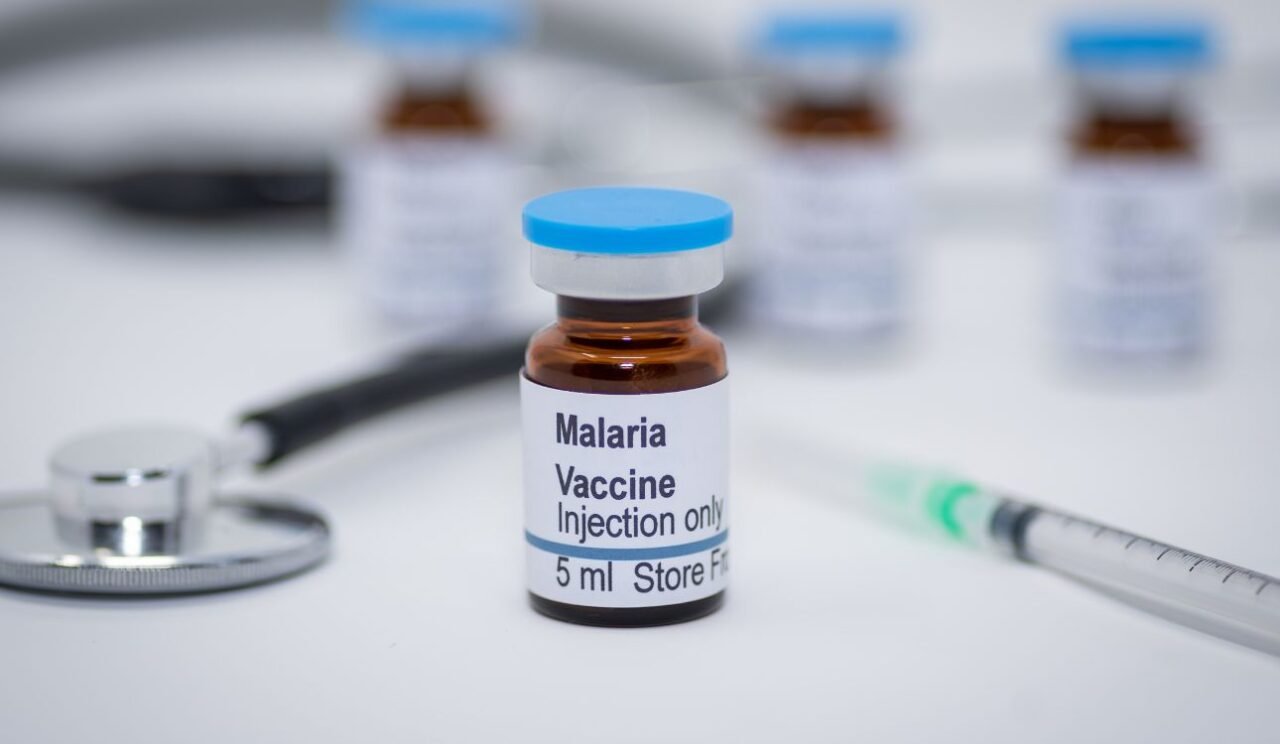
In a significant step toward addressing one of the world’s most devastating diseases, Nigeria has begun rolling out a malaria vaccine for the first time in its history. The vaccine, R21/Matrix-M, is being introduced to children aged five to 15 months, marking a pivotal moment in the nation’s fight against malaria.
With Nigeria accounting for nearly a third of all malaria-related deaths globally, this new vaccination campaign represents a critical effort to reduce the country’s staggering death toll from the disease. Malaria remains the leading cause of death in the country, contributing to thousands of fatalities each year, especially among young children.
A Breakthrough Vaccine with Promising Results
The R21/Matrix-M malaria vaccine, developed by the Jenner Institute at Oxford University, is the second malaria vaccine to be approved by the World Health Organization (WHO). Researchers have reported that it is 75% effective in preventing malaria, a significant advancement in the fight against the disease. However, health experts caution that the vaccine should be used in combination with other malaria prevention tools, such as insecticide-treated mosquito nets and environmental measures to control mosquito populations.
The vaccination process involves three doses given four weeks apart, followed by a booster shot administered one year after the initial doses. This regimen aims to provide long-term protection and reduce malaria transmission in high-risk areas.
Rollout Targets and Early Progress
The vaccine rollout in Nigeria has already begun in the northern state of Kebbi, with local health authorities targeting 595,000 children in the first phase of the program. Junaidu Haliru Gwandu, the Director of Immunisation and Disease Control at the Kebbi State Primary Healthcare Development Agency, emphasized the state’s commitment to reaching this ambitious target to ensure as many children as possible benefit from the vaccine.
“The first phase of the rollout in Kebbi aims to vaccinate 595,000 children, and we are optimistic that this will significantly reduce malaria cases in the state,” Gwandu said.
Nigeria is not alone in its adoption of the R21/Matrix-M vaccine. Earlier this year, Ivory Coast and the Democratic Republic of Congo also began using the vaccine as part of their malaria control efforts. These countries are hopeful that the vaccine, when combined with other preventive measures, will help lower the number of malaria-related deaths in the region.
A Hopeful Step Toward a Malaria-Free Africa
Dr. Walter Mulombo, the WHO Representative in Nigeria, expressed confidence that the new vaccine would play a vital role in achieving a malaria-free Africa. “We are confident that this vaccine, in combination with other preventive measures, will drastically reduce the burden of malaria in Nigeria and help us move closer to achieving the goal of a malaria-free Africa,” Dr. Mulombo said.
Despite the promise of the vaccine, experts continue to stress the importance of maintaining a comprehensive approach to malaria prevention, including widespread distribution of insecticide-treated nets, effective treatment options, and strong public health education campaigns.
As Nigeria moves forward with its malaria vaccine rollout, the country remains hopeful that this new tool, combined with ongoing preventive measures, will lead to a sharp decline in malaria cases and deaths, improving the overall health and well-being of its population.

