

 Lifestyle & Wellness Desk
Pakistan launches airstrikes on Afghanistan’s capital, signals escalation to open conflict
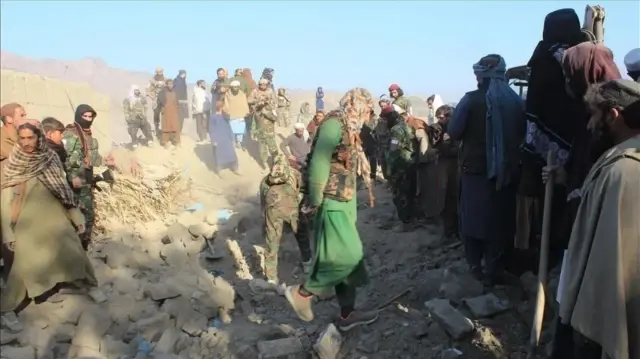
Pakistan carried out air strikes on several Afghan cities, including the capital Kabul, on Friday, as tensions escalated following months of cross-border clashes. Islamabad’s defence minister described the situation as an open confrontation between the two neighbouring countries.
Journalists in Kabul and Kandahar reported hearing explosions and fighter jets overhead through the night, as Pakistani aircraft struck targets in the capital and in southern Afghanistan, a stronghold of the Taliban authorities.
The strikes followed an attack by Afghan forces on Pakistani border troops late Thursday, which Islamabad said was in response to earlier air operations conducted by Pakistan.
Relations between Pakistan and Afghanistan have sharply deteriorated in recent months, with most land border crossings remaining closed since deadly fighting in October that left more than 70 people dead on both sides. Pakistan has accused Afghanistan of failing to take action against militant groups operating from its territory, an allegation denied by the Taliban government.
Many recent attacks inside Pakistan have been claimed by the Tehreek-e-Taliban Pakistan (TTP), which has intensified its operations since the Afghan Taliban returned to power in Kabul in 2021.
Pakistan’s Information Minister, Attaullah Tarar, said strikes were carried out against Taliban defence-related targets in Kabul, Paktia province, and Kandahar. Defence Minister Khawaja Asif later said Pakistan’s restraint had ended and described the situation as a direct confrontation with the Taliban authorities.
Security analyst Michael Kugelman said the strikes represented a serious escalation, noting that Pakistan appeared to have expanded its focus beyond the TTP to include the Taliban government itself.
Previous attempts to de-escalate tensions, including talks facilitated by Qatar and Turkey, failed to yield a lasting ceasefire. After repeated violations, Saudi Arabia recently intervened to help secure the release of three Pakistani soldiers captured in October. Saudi Foreign Minister Prince Faisal bin Farhan also held talks on Friday with Pakistan’s Foreign Minister Ishaq Dar, while Iran offered to help facilitate dialogue between the two sides.
Both Afghan and Pakistani officials said dozens of soldiers were killed in the latest round of fighting, which followed earlier Pakistani strikes and repeated clashes along the border. Pakistan’s Prime Minister Shehbaz Sharif said the country’s armed forces were fully capable of responding to any threats.
In Kabul, residents reported jets, explosions, and gunfire over several hours before dawn. Streets remained largely quiet after daybreak, consistent with Friday observances during Ramadan. Taliban authorities confirmed the air strikes but said there were no casualties.
Earlier, Taliban spokesman Zabihullah Mujahid announced large-scale border operations in response to what he described as repeated violations by Pakistani forces. Afghanistan’s defence ministry said eight of its soldiers were killed during ground fighting, while local officials reported several civilians wounded near the Torkham border crossing, including refugees returning from Pakistan.
The border has remained mostly closed since October, though Afghan returnees have been permitted to cross.
The latest violence follows Pakistani strikes earlier this month on eastern Afghan provinces that, according to the United Nations mission in Afghanistan, killed at least 13 civilians. Both countries have also experienced a series of deadly attacks in recent months, including bombings claimed by Islamic State Khorasan in Islamabad and Kabul.

