

 Lifestyle & Wellness Desk
President Tinubu Declares Data Nigeria’s “New Oil,” Unveils Vision for Digital Governance
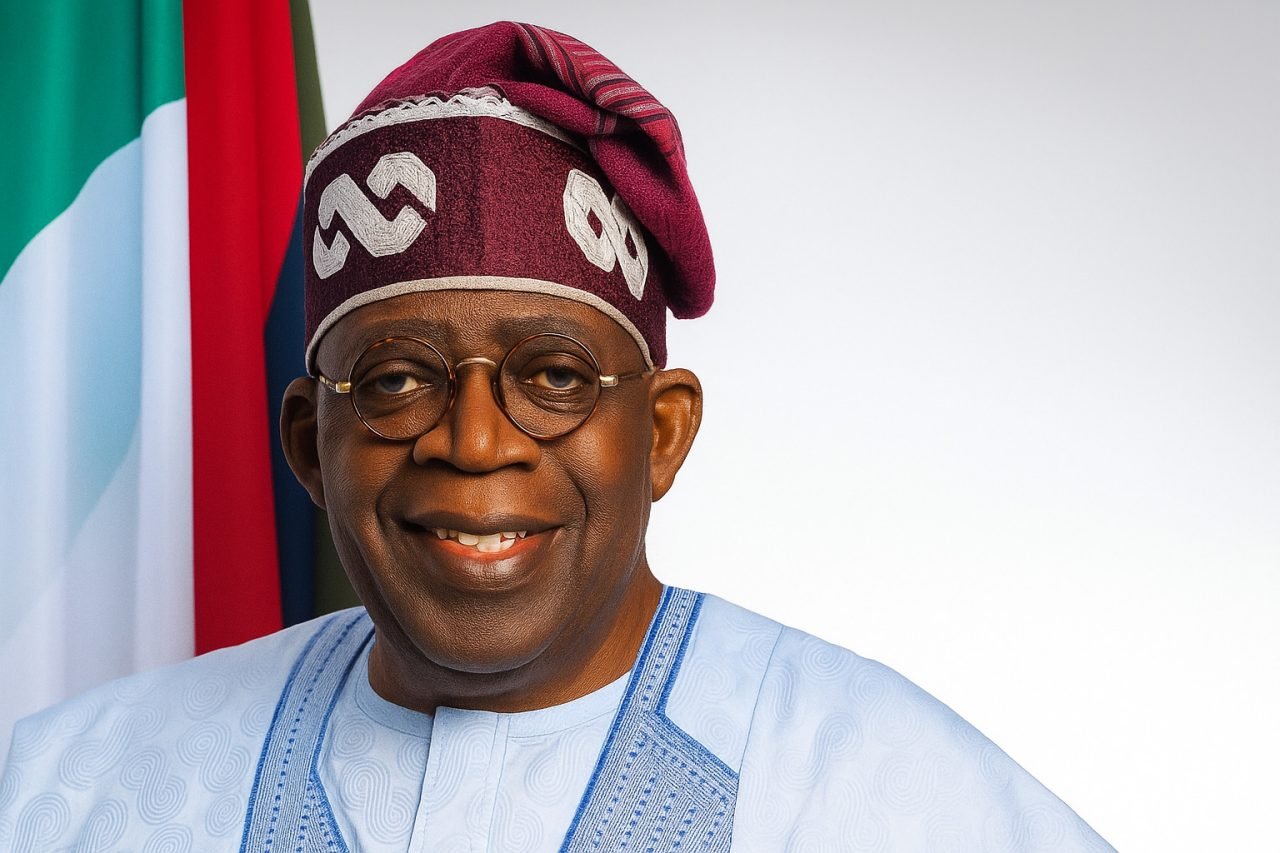
President Bola Tinubu has described data as Nigeria’s new strategic resource, stressing its vital role in shaping governance and enhancing the country’s global competitiveness.
Speaking at the 2025 International Civil Service Conference in Abuja, President Tinubu issued a directive to all Ministries, Departments, and Agencies (MDAs) to prioritise the collection, protection, and responsible use of data to maximise public value and facilitate global benchmarking.
The conference also marked the launch of Galaxy Backbone’s 1Government Cloud Academy, a key initiative aimed at equipping civil servants with the digital skills necessary to drive Nigeria’s transition to a paperless, technology-driven public sector.
According to a statement from Galaxy Backbone on Wednesday, the new academy forms part of Nigeria’s broader strategy to enhance communication and collaboration across MDAs while modernising public service delivery.
In his address, President Tinubu underscored that data, unlike crude oil, appreciates in value through proper management and ethical utilisation.
“All MDAs must actively capture and secure data in line with the Nigerian Data Protection Act (2023), and release verified information in ways that create value for citizens,” Tinubu stated. He emphasised that by sharing credible data, Nigeria can better position itself for international assessments and improve its global standing.
He further called for robust measures to safeguard data sovereignty and privacy, ensuring that data is stored and managed within secure local and allied data centres.
The 1Government Cloud Academy is designed to develop a new generation of “digital champions” within government agencies. These transformation champions will guide their colleagues in adopting new technologies and overcoming resistance to change.
Programme Director for the initiative, Mr. Wumi Oghoetuoma, speaking during a panel session, highlighted the importance of trust and user understanding in the success of digital reforms.
“Digital tools often fail, not because they’re ineffective, but because users either distrust them or lack the necessary understanding to use them confidently,” Oghoetuoma explained.
He praised the Head of the Civil Service of the Federation, Mrs. Didi Esther Walson-Jack, for spearheading bold digital reforms, including process automation, the implementation of a Performance Management System, and the rollout of ServiceWise GPT a tool designed to align individual responsibilities with national development goals.
The academy’s training will cover technical skills, soft skills, and specialised certifications for IT departments, aiming to boost collaboration, problem-solving, and responsiveness across MDAs.
Oghoetuoma noted that barriers to digital transformation are often rooted not in a lack of digital literacy as most civil servants are comfortable with smartphones and social media but in mindset, motivation, and the availability of consistent internal support.
“Sustainable digital transformation depends on people, processes, and technology, with communication acting as the glue that binds them together,” he added.
The British High Commissioner to Nigeria, Richard Montgomery, commended the country’s ongoing reform agenda, describing it as both ambitious and essential for Nigeria’s long-term development.
He stressed that the success of these reforms hinges on efficient service delivery and integrity within the civil service.
Mrs. Walson-Jack, in her remarks, described Nigeria’s public sector digital reforms as a model for other developing nations, noting that the country is laying the foundation for a modern, accountable, and digitally-driven civil service.

