

 Lifestyle & Wellness Desk
Sokoto Mandates Two-Year Rural Service for State-Trained Medical Graduates
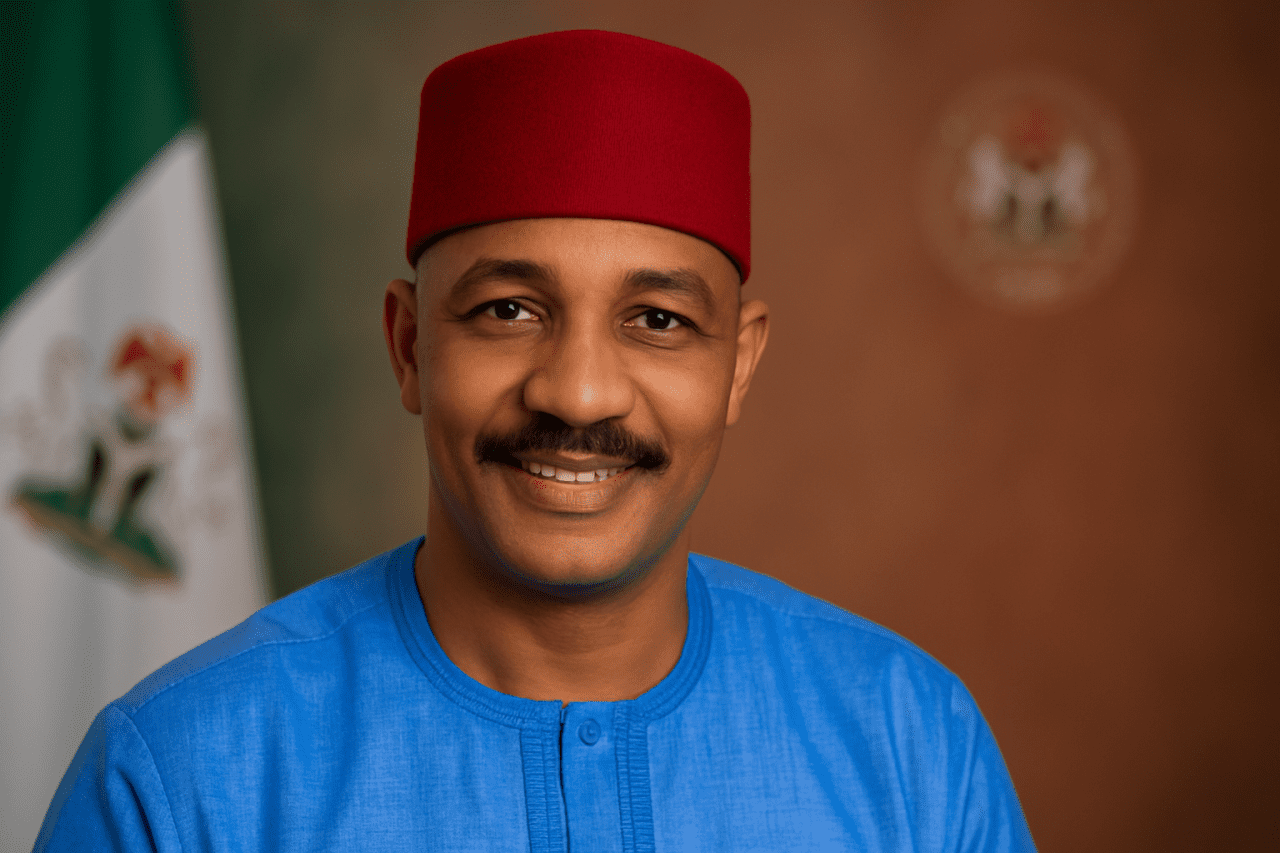
The Sokoto State Government has introduced a mandatory two-year rural service programme for all medical professionals trained through state-sponsored institutions.
The initiative, announced by the Commissioner for Health, Dr. Faruk Abubakar, applies to doctors, nurses, pharmacists, and allied health workers. Under the new policy, these professionals will be required to serve in rural health facilities across the state immediately after graduation.
Dr. Abubakar said the move aims to address the critical shortage of healthcare workers in underserved communities, following a recent needs assessment that revealed a stark imbalance in the distribution of medical personnel.
“Too many of our professionals are concentrated in urban centres, while rural areas suffer from a dire lack of qualified personnel. This policy is designed to correct that imbalance,” he stated.
To encourage participation and long-term retention, the commissioner outlined a package of incentives for those deployed under the scheme. These include:
- A 10% salary bonus
- Access to upgraded health facilities
- Improved security arrangements
“We’re not just sending people to rural communities; we’re making those places attractive to work in,” Dr. Abubakar said. “Our goal is to motivate health professionals to remain in these areas even beyond their mandatory service.”
He further noted that the policy is part of a wider health sector reform agenda under Governor Ahmad Aliyu’s administration, aimed at revitalizing Sokoto’s healthcare system.
One of the administration’s major achievements, according to the commissioner, has been the harmonization of salaries for state-employed medical workers with federal pay scales—a reform that has been welcomed by health professionals and labour unions alike.
Dr. Abubakar revealed that, since the implementation of the new salary structure, several healthcare workers who had previously resigned have now withdrawn their letters and returned to service, citing improved working conditions.
“These reforms are not just about addressing immediate challenges. They’re about building a sustainable and equitable healthcare future for Sokoto State,” he said.

