

 admin
adminSouth Korean Researchers Unveil Revolutionary Exoskeleton for Paraplegics
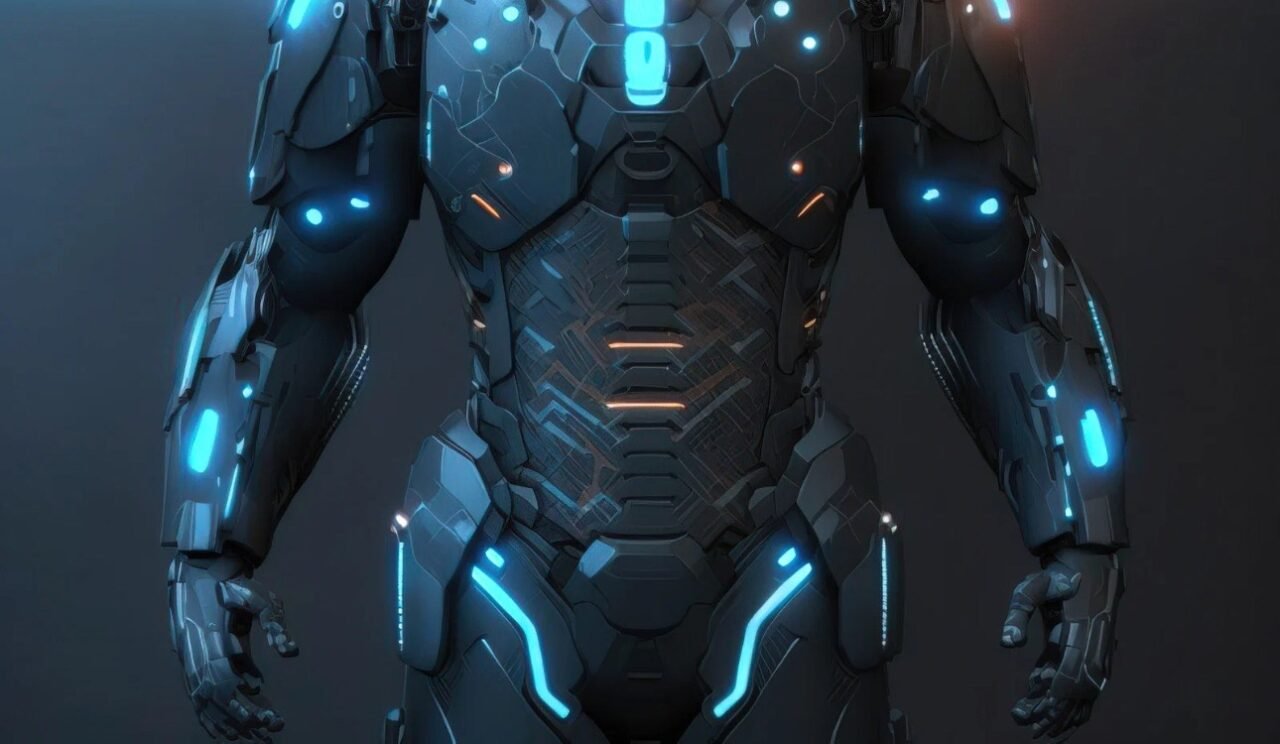
South Korean scientists have developed a cutting-edge wearable robot designed to help paraplegic individuals regain mobility and navigate their daily environments. The robot, named WalkON Suit F1, is a creation of the Exoskeleton Laboratory team at the Korea Advanced Institute of Science and Technology (KAIST).
Weighing just 50 kilograms (110 pounds), the suit is built from lightweight aluminium and titanium and is powered by 12 electronic motors that mimic human joint movements. The exoskeleton enables users to walk, climb stairs, and manoeuvre obstacles, opening new possibilities for those with severe mobility challenges.
“Our goal is to develop a robot that seamlessly integrates into the lives of individuals with disabilities,” said the KAIST team. Inspired by the Iron Man suit, the WalkON Suit F1 combines advanced engineering with practical usability.
To ensure balance and user safety, the exoskeleton is equipped with sensors that process 1,000 signals per second, predicting the user’s movements. Additionally, camera lenses on the robot act as “eyes,” analysing the environment, detecting obstacles, and assessing stair heights compensating for the sensory limitations of paraplegic users.
The suit was demonstrated by Kim Seung-hwan, a paraplegic team member at KAIST, who showcased its potential by winning the gold medal in the exoskeleton category at the Cybathlon 2024. The event celebrated assistive robotics, featuring competitors with various disabilities navigating challenges across eight categories.
The WalkON Suit F1 represents a significant milestone in assistive technology, offering renewed independence and mobility to individuals with physical disabilities.

