
Tag: Higher Education

Zara Lianne7 May 2025
nelfund-1280x744.png

2min7410
The National Association of Polytechnic Students (NAPS) has issued a five-day ultimatum to the Nigeria Education Loan Fund (NELFUND), demanding a full and transparent breakdown of how student loans have been disbursed. The student body raised alarm over the fate of ₦71.2 billion, part of the ₦100 billion earmarked by the federal government for student loans. According to NAPS, only ₦28.8 billion has reportedly reached the students so far, raising serious questions about the remaining funds. NAPS President, Comrade Eshiofune Paul Oghayan, called for urgent accountability and warned that the association is prepared to mobilize peaceful protests involving thousands of students nationwide if the fund fails to respond within the set deadline. He also disclosed plans to petition anti-corruption agencies, including the EFCC and DSS, to probe the matter. In response, NELFUND Managing Director, Akintunde Sawyerr, dismissed claims of any misappropriation, insisting that no funds have been stolen. However, the Independent Corrupt Practices and Other Related Offences Commission (ICPC) has begun an investigation. Preliminary reports reveal that while NELFUND received ₦203.8 billion, only ₦44.2 billion has been disbursed to 299 institutions, benefitting just over 293,000 students. This leaves a gap of about ₦159.6 billion still unaccounted for. Further concerns have emerged over alleged illegal deductions by some institutions (ranging from ₦3,500 to ₦30,000) from tuition fees paid via the loan scheme. These unauthorized charges have triggered additional scrutiny from stakeholders. Presidential aide on student engagement, Sunday Asefon, has also weighed in, criticizing some institutions for withholding information and imposing extra fees on students who accessed the loans. As tension builds, all eyes are now on NELFUND to provide answers before the students’ deadline expires.
Zara Lianne30 April 2025
harvard-1280x744.png

2min5750
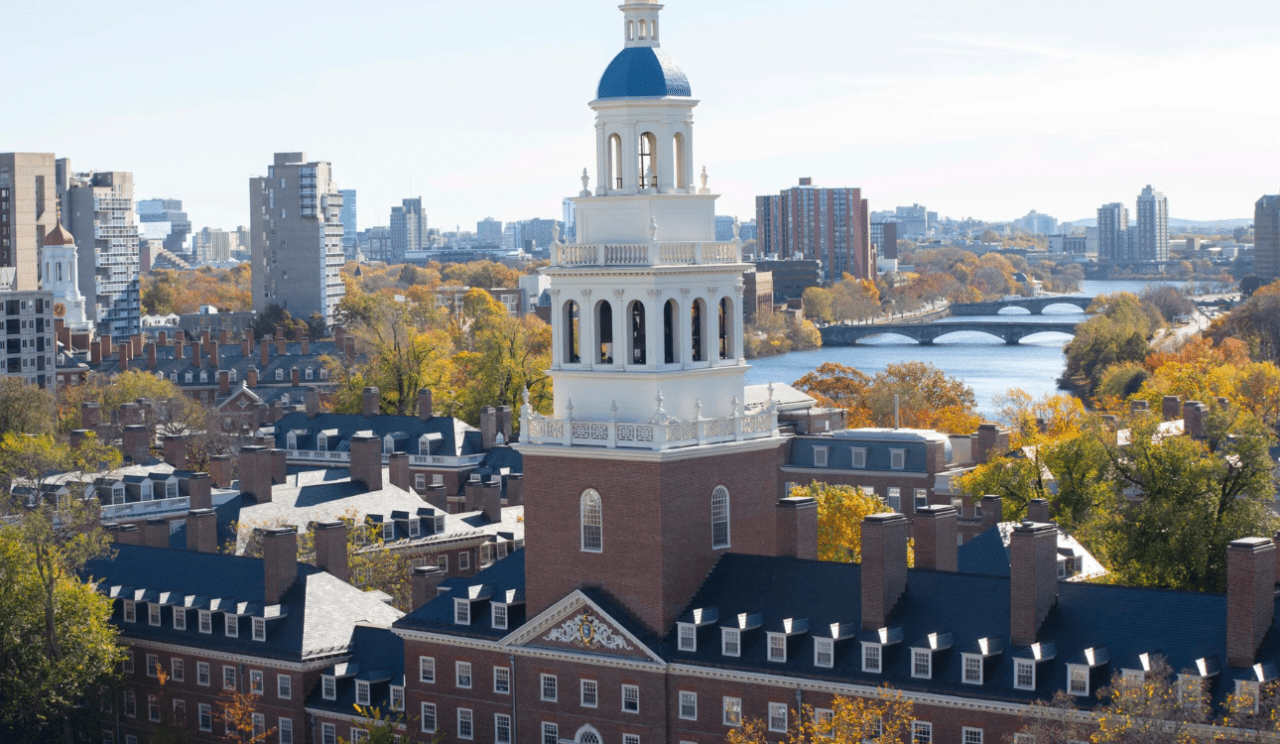
Harvard University President Alan Garber has issued a public apology following the release of two internal reports uncovering widespread antisemitic and anti-Muslim sentiments within the university community. The reports, prepared by two university-appointed task forces, highlighted deep divisions and rising intolerance on campus, especially after the October 2023 Hamas-Israel conflict. Students from Jewish, Israeli, Arab, Palestinian, and Muslim backgrounds reportedly faced discrimination, isolation, and fear. In response, President Garber acknowledged the university’s failure to adequately support affected students and pledged concrete reforms. These include expanding academic programs in Jewish, Islamic, Arab, and Middle Eastern studies, introducing antisemitism awareness training, and enforcing stricter academic neutrality standards among faculty. The findings come as Harvard faces external pressure from the U.S. government, including a freeze on $2.2 billion in federal funding and ongoing legal action against new regulations tied to campus activism and diversity policies. President Garber stressed that Harvard must rebuild trust and foster a campus where all students feel respected and safe. “We must do more to heal and unify our community,” he said.

Zara Lianne29 April 2025
3-1280x744.png

2min5730
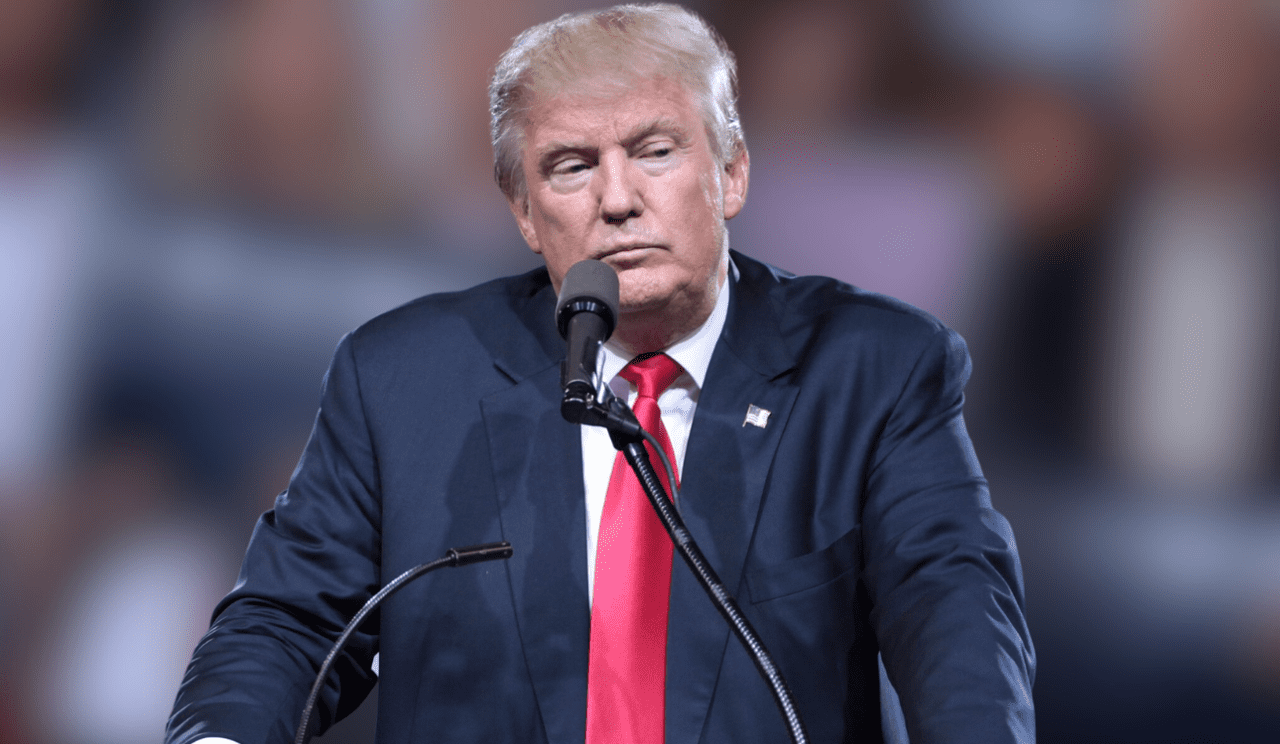
The U.S. government under President Donald Trump has launched a formal investigation into Harvard University and the Harvard Law Review over claims of racial bias in their editorial and membership selection processes. The Departments of Education and Health and Human Services are examining whether the Law Review’s practices may violate Title VI of the Civil Rights Act, which prohibits discrimination in institutions that receive federal funding. Reports suggest that the journal may have favored article submissions from minority scholars, raising concerns about fairness and merit-based evaluation. According to officials, the probe aims to determine if race was used as a deciding factor in the Law Review’s operations. “No institution should be picking winners and losers based on race,” a federal official stated. This investigation is part of a broader crackdown by the Trump administration on diversity, equity, and inclusion (DEI) policies in elite universities. Harvard is already facing a freeze on over $2 billion in federal funding, and it has taken legal action to challenge the administration’s demands, citing violations of academic freedom and constitutional rights. A court hearing on Harvard’s lawsuit is scheduled for July 21. Meanwhile, the university faces additional threats, including potential loss of its tax-exempt status and restrictions on admitting foreign students. The case has sparked debate over federal oversight in higher education and the future of affirmative action and DEI initiatives in American universities.

poly-1280x744.png

1min9720
The National Association of Polytechnic Students (NAPS) has called on the President of the National Association of Nigerian Students (NANS), Olushola Ladoja, to publicly oppose any move to convert polytechnics across Nigeria into universities. Speaking on behalf of the association, NAPS President Eshiofune Oghayan warned that converting polytechnics would undermine their core purpose, delivering hands-on, technical, and industrial training essential for national development. He emphasized that turning these institutions into universities would shift their focus to theoretical education, weakening Nigeria’s capacity to produce skilled, job-ready graduates. Instead of conversions, NAPS is advocating for the full implementation of the Higher National Diploma (HND) to Bachelor of Technology (B.Tech) upgrade, which would grant polytechnic graduates globally recognized degrees while preserving the practical approach of polytechnic education. The association also proposed upgrading the National Board for Technical Education (NBTE) into a Polytechnic Education Commission to better oversee policy, funding, and graduate progression. NAPS has vowed to resist any policy threatening the relevance and future of Nigeria’s polytechnic system.