Tag: Trump Administration

Zara Lianne29 April 2025
3-1280x744.png

2min5730
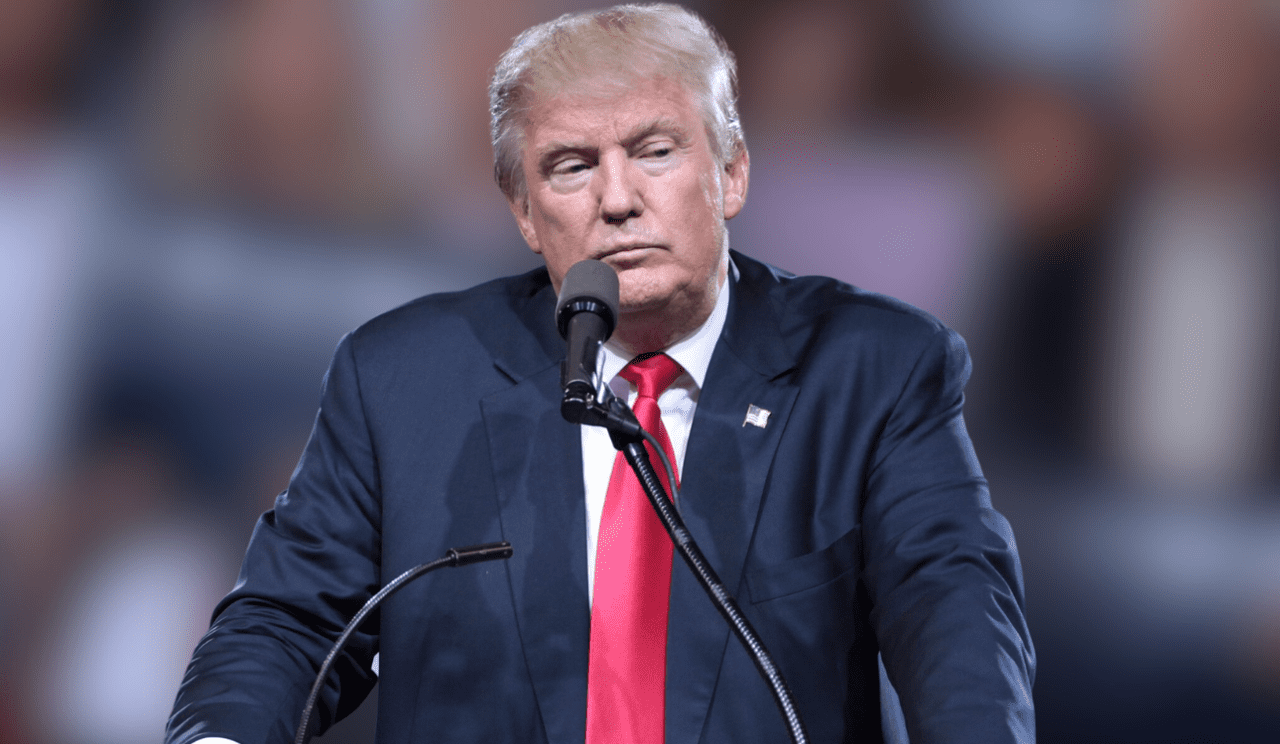
The U.S. government under President Donald Trump has launched a formal investigation into Harvard University and the Harvard Law Review over claims of racial bias in their editorial and membership selection processes. The Departments of Education and Health and Human Services are examining whether the Law Review’s practices may violate Title VI of the Civil Rights Act, which prohibits discrimination in institutions that receive federal funding. Reports suggest that the journal may have favored article submissions from minority scholars, raising concerns about fairness and merit-based evaluation. According to officials, the probe aims to determine if race was used as a deciding factor in the Law Review’s operations. “No institution should be picking winners and losers based on race,” a federal official stated. This investigation is part of a broader crackdown by the Trump administration on diversity, equity, and inclusion (DEI) policies in elite universities. Harvard is already facing a freeze on over $2 billion in federal funding, and it has taken legal action to challenge the administration’s demands, citing violations of academic freedom and constitutional rights. A court hearing on Harvard’s lawsuit is scheduled for July 21. Meanwhile, the university faces additional threats, including potential loss of its tax-exempt status and restrictions on admitting foreign students. The case has sparked debate over federal oversight in higher education and the future of affirmative action and DEI initiatives in American universities.

pharma-1280x744.png

2min9940
The Trump administration has launched investigations into U.S. imports of pharmaceuticals and semiconductors, signaling the potential for new tariffs on both sectors. Citing national security concerns, the administration argues that the U.S. has become overly reliant on foreign suppliers for essential goods like medicines and semiconductor chips. These investigations, initiated under Section 232 of the Trade Expansion Act, aim to assess whether the heavy dependence on foreign production, particularly from countries like Taiwan, South Korea, India, and China, poses a threat to U.S. security. If the probes result in a positive finding, tariffs ranging from 10% to 25% could be imposed on these critical imports. The U.S. Department of Commerce will now evaluate the potential risks of this dependency, including the impact on national defense and the economy. Public comments on the investigations will be accepted for 21 days, with the probes expected to conclude within 270 days. While some industry groups, especially in the pharmaceutical sector, have expressed concerns that such tariffs could lead to shortages and higher prices, the Trump administration remains focused on strengthening domestic manufacturing and reducing foreign dependence.

gadgets-1280x744.png

1min4900
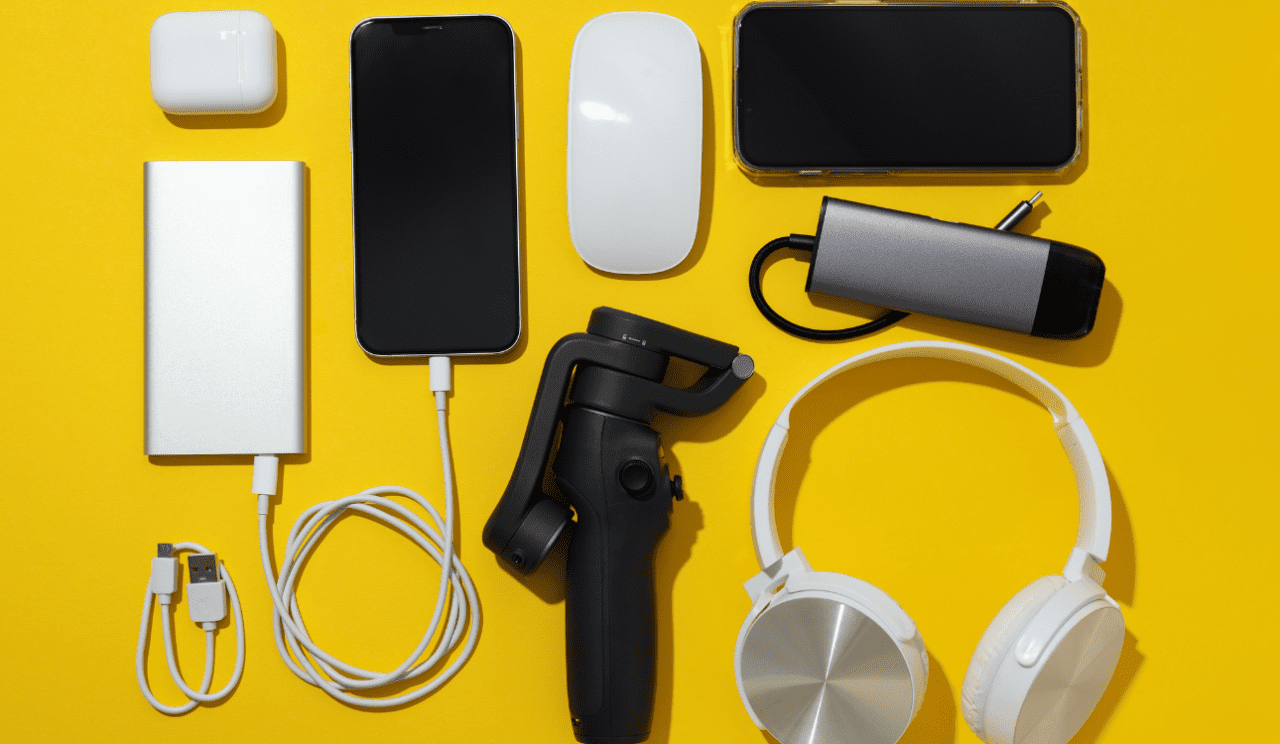
In a major shift in trade policy, the Trump administration has granted exemptions from steep reciprocal tariffs for a range of tech products mainly imported from China. The list includes smartphones, laptops, graphics processing units (GPUs), integrated circuits, and semiconductor manufacturing equipment. These items were previously subject to tariffs as high as 145%, part of broader U.S.-China trade tensions. The exemption, effective retroactively from April 5, 2025, is expected to ease pressure on American tech companies such as Apple, Dell, and Nvidia, while also preventing potential price hikes for U.S. consumers. While the move offers relief to the tech sector, other tariffs remain in place. A 20% China-specific tariff introduced in March still applies to certain imports, and a new trade investigation into semiconductors is underway. According to U.S. officials, the decision aims to strike a balance between protecting American industries and ensuring that essential electronics remain affordable and accessible to consumers.