

 Zara Lianne
The Art of Saying No: Setting Boundaries as an Educator

Mrs. Adebayo, a passionate primary school teacher in Lagos, found herself working long after school hours; grading papers, planning lessons, covering for colleagues, and attending weekend meetings. She loved her job, but something felt off. She was always tired, rarely had time for herself, and slowly began to lose the joy she once had in teaching.
Her turning point came when her 8-year-old daughter said, “Mummy, are you a teacher at home too?” That was when she knew something had to change.
Like many educators, Ms. Adebayo struggled with saying no. But setting boundaries isn’t a sign of weakness but a bold step toward sustainability, clarity, and self-respect.
Why It is Hard for Educators to Say No
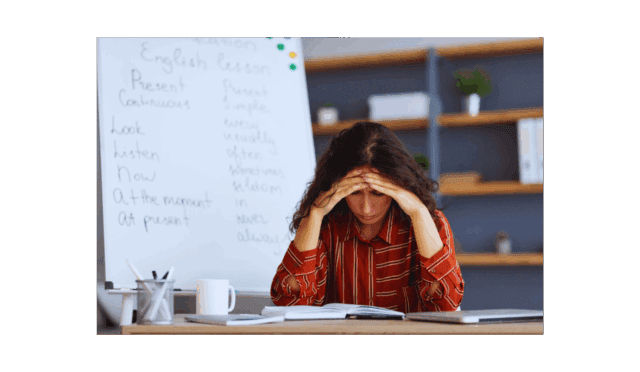
Teachers are givers by nature. You want to support your students, help your colleagues, and say yes to new ideas. But constantly giving without pausing to care for yourself can lead to burnout, resentment, and exhaustion.
You don’t have to say yes to prove your dedication.
The Cost of Always Saying Yes
When you never say no, you may:
-
Neglect your personal well-being
-
Take on tasks outside your scope
-
Struggle with emotional overload
-
Begin to feel unappreciated or taken for granted
Setting limits is not selfish, instead it is smart.
How to Set Healthy Boundaries (Without Feeling Guilty)
1. Know Your Limits
Before you commit to anything, check in with yourself. Do you have the time, energy, and willingness to take it on?
2. Be Honest and Kind
You can say no without being rude. Try:
“I am honoured you thought of me, but I won’t be able to take this on at the moment.”
3. Create Personal Policies
Set simple rules, like no checking emails after 6 p.m., or not accepting extra duties on weekends. Communicate these policies clearly and stick to them.
4. Use a Pause Button
If you are unsure, buy time with a phrase like:
“Let me think about it and get back to you.”
This helps avoid impulsive yeses.
5. Prioritize Recovery Time
Use weekends and evenings to recharge. Remember, rest is productive too.
Benefits of Saying No
When you protect your time and energy, you’ll notice:
-
Greater clarity and peace of mind
-
Stronger personal and professional relationships
-
A renewed love for teaching
-
Better mental and emotional health
And most importantly, you model to your students the value of self-respect and personal boundaries.
Final Thoughts
Saying “no” is one of the most powerful tools an educator can use, not to distance yourself from others, but to protect your passion, purpose, and peace of mind.
You teach best when you are at your best. And sometimes, the most professional thing you can say is a kind but firm “No.”
CTA
Reflect: What’s one area where you have been overextending yourself?
Challenge: This week, choose one request to politely decline and protect that time for yourself.
Share: If this article spoke to you, share it with a fellow teacher who might need this reminder too.

