

 Tech & Tools Desk
WAEC Commences Training for Stakeholders on Computer-Based Exams
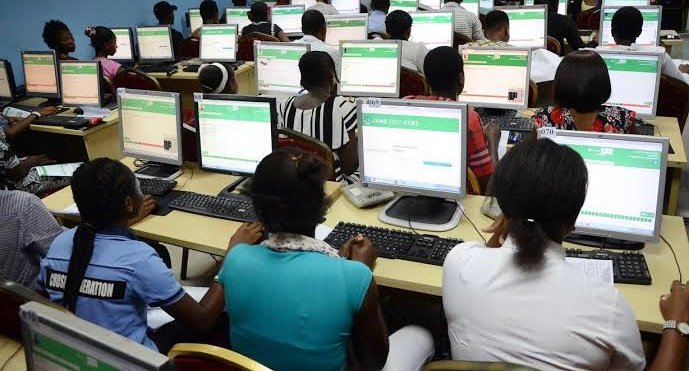
The West African Examinations Council (WAEC) in Anambra has stressed that accurate registration of candidates is fundamental to the successful implementation of Computer-Based Examinations (CBE).
WAEC Branch Controller, Mr. Tunde Ajibade, made this known in Awka during a strategic meeting with the Ministry of Education and other key stakeholders. The session focused on preparations for the Federal Government’s planned adoption of CBE for the 2025/2026 examinations and was attended by school principals, teachers, private school owners, cybercafé operators, and education leaders.
Ajibade cautioned that errors during registration could have lasting consequences, including loss of admission opportunities. He highlighted the importance of properly capturing candidates’ photographs since entry into examination halls would require facial verification.
“A single mistake, such as uploading the wrong image, can make a candidate ineligible. While some errors may be corrected, others are irreversible. A successful examination begins with accurate registration,” he said.
He also raised concern over the increasing number of amendment requests caused by registration errors and called for more training and sensitisation of registration officials. On CBE centres, Ajibade explained that schools with WAEC-accredited facilities would serve as examination centres, while schools lacking adequate infrastructure would be merged with nearby accredited institutions.
On provisions for candidates with special needs, Anambra Head of Examinations, Mr. Olanrewaju Fadehan, urged schools to go beyond simply ticking disability options during registration. He noted that schools were required to complete a proforma form to ensure candidates received appropriate accommodations, adding that WAEC must be notified in advance for adequate preparation.
In her remarks, the Anambra State Commissioner for Education, Prof. Ngozi Chuma-Udeh, commended WAEC for engaging stakeholders ahead of the examinations, describing the initiative as a proactive step toward credible and transparent assessments. She reaffirmed the state government’s commitment to supporting examination processes that uphold quality education.

