

 Lifestyle & Wellness Desk
Worldwide Oil Oversupply Affects Sale of Nigerian Crude
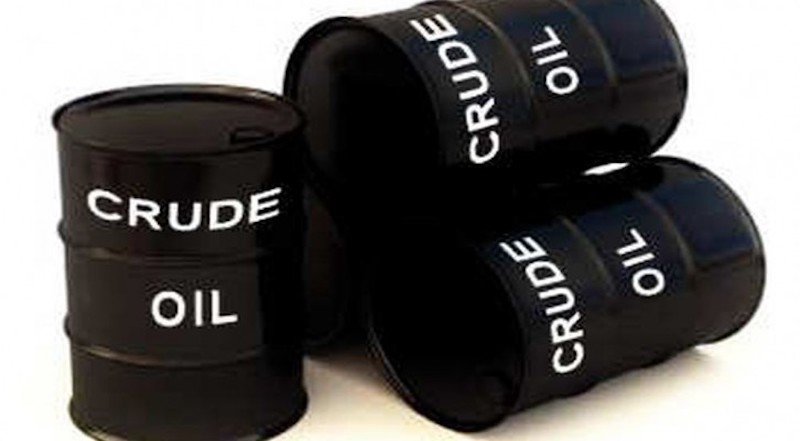
Nigerian crude oil producers are facing difficulties finding buyers in the global market, even as the Dangote Petroleum Refinery continues to report low domestic crude supply.
According to a Reuters report, West African crude sellers are struggling to secure buyers for cargoes scheduled for December 2025 and January 2026 due to heavy competition from abundant and cheaper alternative supplies.
As of Thursday, around 20 million barrels of Nigerian crude for December and January delivery remained unsold, according to two traders cited by Reuters.
The Dangote refinery recently stated it has been importing crude from the United States, Ghana, and other African nations due to insufficient local supply. Analysts attribute the unsold Nigerian and Angolan crude to a broader global oil surplus, which has also depressed Brent crude prices below $60 per barrel—the lowest since May 2025.
“The overhang of West African cargoes partly reflects the global crude supply surplus emerging in the first quarter,” said Victoria Grabenwoger of analytics firm Kpler.
The Reuters report added that Angola’s December-January shipments also had five to six cargoes remaining unsold. The unusually high volume of unsold oil has slowed the start of the trading cycle for February cargoes, despite Angola’s loading schedule and term nominations already being released.
Earlier estimates suggested that Nigeria and Angola together had as much as 40 million barrels unsold. Francisco Gutierrez, an analyst at OilX, said the market softness is partly seasonal and partly due to shifting purchasing patterns driven by freight costs and alternative supply options. He added that Angola’s January trade is about 20% behind its long-term average pace, as China, the world’s largest oil importer, has turned to cheaper or closer alternatives. Supplies from the Middle East are displacing medium- and heavy-density West African crudes in Asia, thanks to lower official selling prices and shorter shipping distances.
West African light- to medium-density crudes are also facing competition from oil supplied by Argentina and Brazil, according to traders. Meanwhile, India’s imports of Russian crude remain strong despite tighter Western sanctions, further limiting demand for West African grades.
Kpler’s Grabenwoger noted that Nigeria has had to market more oil because the Dangote refinery, Africa’s largest with a 650,000-barrel-per-day capacity, will undergo maintenance in January 2026.
At a media briefing, Dangote Group President Alhaji Aliko Dangote highlighted the continued challenge of securing sufficient domestic crude under the Petroleum Industry Act. He explained that the refinery imports crude from Ghana, other African countries, and the United States to maintain operations. “On average, we purchase no less than 100 million barrels from the US, which has become a key supplier for our refinery,” Dangote said.
The Dangote refinery has had previous disputes with the Nigerian Upstream Petroleum Regulatory Commission (NUPRC) over the domestic crude supply obligation. In June 2024, Dangote’s deputy, Devakumar Edwin, accused international oil companies of pricing local crude above market rates, forcing the refinery to import from abroad. The refinery also criticised the NUPRC for not enforcing domestic supply obligations.
Following government intervention, the Nigerian National Petroleum Company Limited was ordered to sell crude to Dangote in naira. This “naira-for-crude” arrangement, launched in October 2024, helped increase local fuel supply, reduce queues, and bring down prices. Dangote subsequently reduced petrol prices from about N1,100 per litre to N739, but the refinery still relies on imported crude to maintain operations.

