

 Ifunanya Okafor
Trump Administration Orders Immediate Halt to USAID Operations
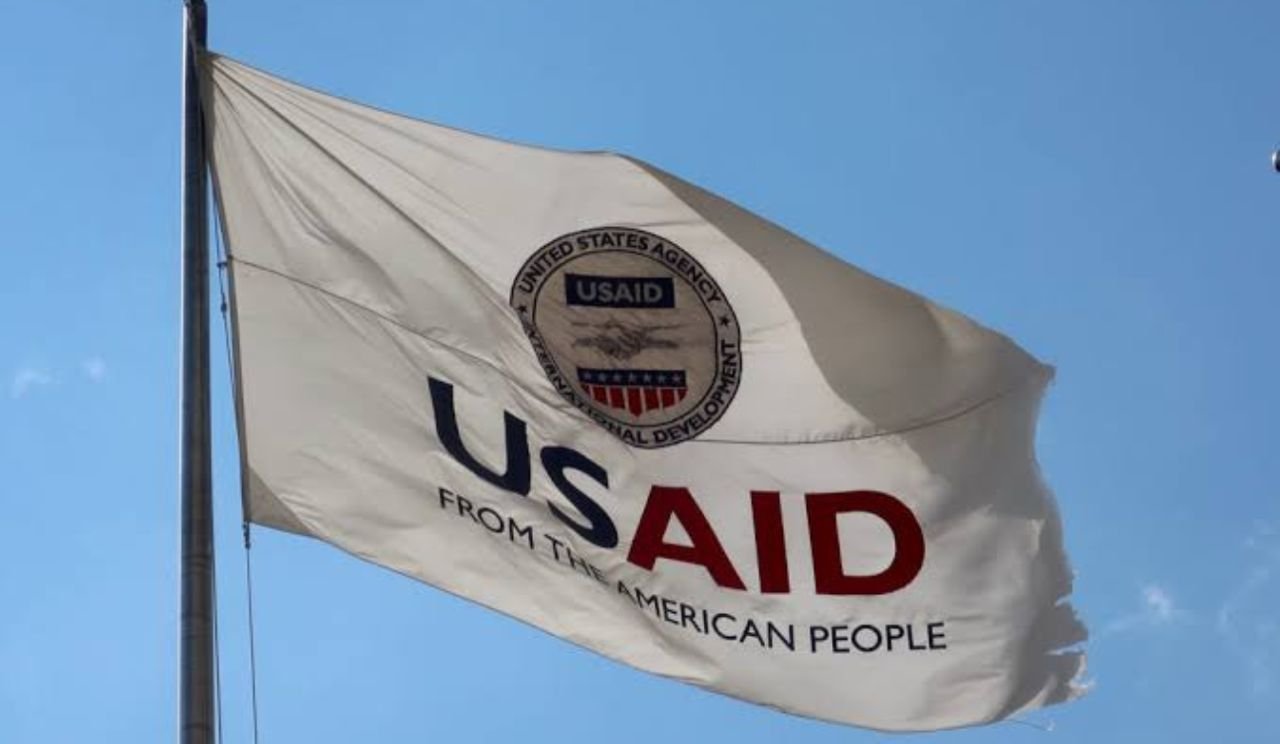
In a dramatic development, the Trump administration has directed an immediate suspension of all foreign assistance programs managed by the United States Agency for International Development (USAID). This decision, communicated through a memo from Peter Marocco, Director of the Office of Foreign Assistance at the State Department, and endorsed by Secretary of State Marco Rubio, pauses these operations pending further review.
The directive states, “All new obligations of funding for foreign assistance programs under the Department and USAID are to be paused until the review is complete.” Furthermore, it requires contracting and grant officers to issue stop-work orders for ongoing projects in accordance with their agreements.
This announcement could have far-reaching consequences, particularly in Africa, where USAID has long been a lifeline for development initiatives. The agency is a key player in tackling some of the continent’s most pressing challenges, from public health crises to food insecurity and economic stagnation.
For instance, USAID’s involvement in the President’s Malaria Initiative and PEPFAR (the President’s Emergency Plan for AIDS Relief) has been pivotal in reducing malaria deaths and HIV/AIDS infections across sub-Saharan Africa. Additionally, its Power Africa program has sought to improve electricity access for millions, fueling growth in underpowered regions.
USAID also supports climate-smart agriculture initiatives that have enabled small-scale farmers to adopt sustainable practices in the face of climate change. Programs like these are vital for addressing food security, especially in regions grappling with droughts and extreme weather.
The suspension of these efforts could disrupt years of progress, leaving millions vulnerable to poverty, hunger, and disease. PERPAR, one of the many USAID-backed programs, has already been directly affected, highlighting the immediate impact of the administration’s decision.
This sudden pause raises questions about the future of U.S. foreign assistance and its commitment to international development. The ripple effects could be felt far beyond Africa, potentially destabilizing regions that rely heavily on U.S. support for health, education, and economic growth.
As the world watches, one thing is certain: the halt of USAID operations marks a significant
moment in global development, with implications that could reshape the future of international aid.

