

 Edupreneur Editorial Team
Columbia University’s Interim President Resigns Amid Policy Concessions to Trump Administration
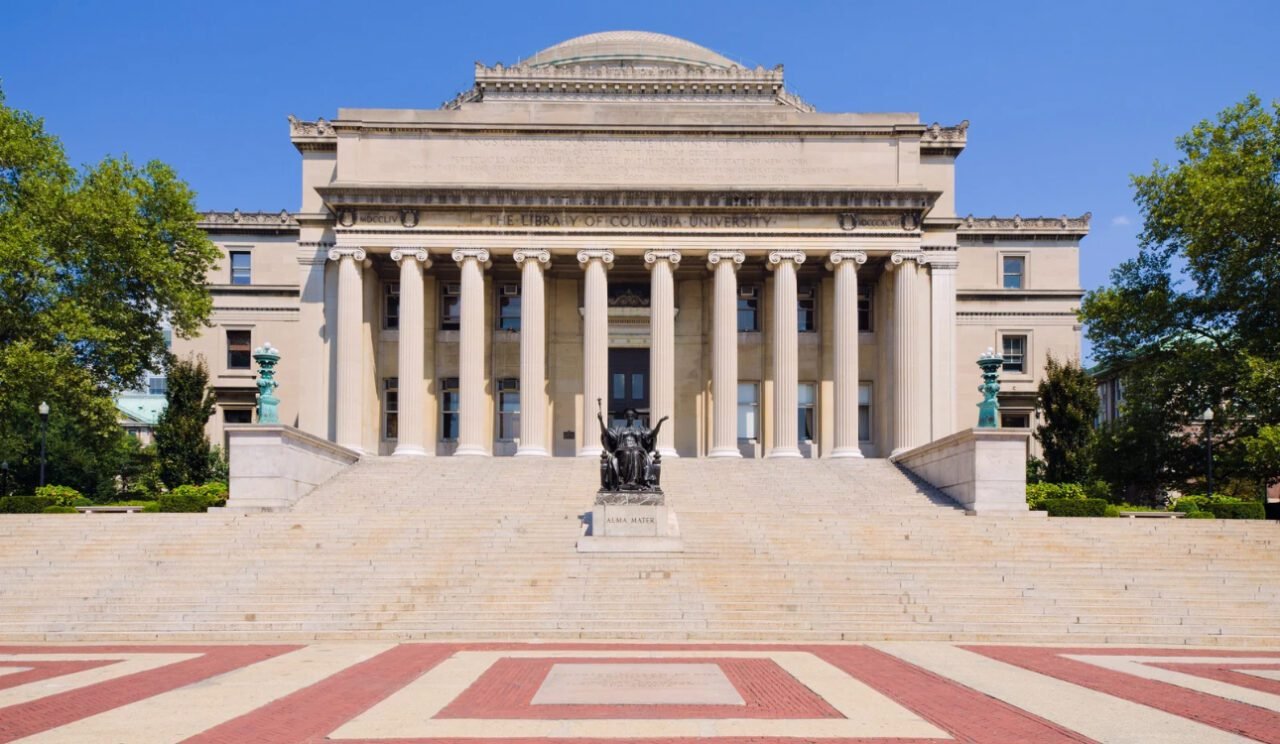
Columbia University’s interim president, Katrina Armstrong, has stepped down from her role just one week after the Ivy League institution agreed to implement significant policy changes demanded by the Trump administration. The controversial concessions, which included stricter protest regulations and enhanced campus security measures, were part of efforts to restore $400 million in federal funding.
Armstrong, who will return to her previous position as CEO of Columbia’s Irving Medical Center, announced her resignation shortly after the university’s board approved the policy shifts. Critics and free speech advocates have voiced concerns over the changes, arguing that they undermine the university’s commitment to open dialogue and academic freedom.
Following Armstrong’s departure, Claire Shipman, co-chair of the university’s board of trustees, has been named the acting president. The abrupt leadership change underscores the turbulent environment on campus, as the institution grapples with balancing external political pressures with its traditional values of academic freedom and student activism.
The decision to alter policies in response to federal demands has sparked a broader debate about the influence of political agendas on academic institutions. As Columbia University moves forward under new leadership, the fallout from these policy changes is expected to continue drawing significant attention from both the academic community and the public.

