Author: Edupreneur Editorial Team

visa-1-1280x744.png

2min9620
Starting April 22, 2025, the U.S. Embassy in Nigeria will implement updated visa interview requirements for applicants in Abuja and Lagos. The new measures aim to make the process more efficient and ensure all applicants provide consistent and accurate documentation. What’s New? 1. DS-160 Confirmation Barcode:Applicants must present a DS-160 visa application form with a confirmation barcode that begins with “AA00”. This barcode must match the one used to book the visa appointment. Reusing a DS-160 from a past application is no longer allowed. 2. Double-Check Your Barcode:Ensure your DS-160 barcode matches your appointment details at least two weeks before your interview date. 3. Fixing Barcode Issues:If you notice any mismatch in your barcode, log into your AVATS account and submit a support ticket at least 10 days before your appointment. 4. Match Your Appointment Location:Make sure your appointment location aligns with the one selected during your DS-160 application. Failure to meet these requirements could lead to being denied entry into the consular section or even cancellation of your visa interview. For the latest updates and detailed information, visit the official website of the U.S. Embassy and Consulate in Nigeria.

immune-1280x744.png

2min11110
The U.S. Food and Drug Administration (FDA) has approved a new prefilled syringe version of Vyvgart, a widely-used treatment developed by Netherlands-based Argenx SE for rare autoimmune disorders. This new format offers patients a more convenient option for self-administration at home. Vyvgart, which treats generalized myasthenia gravis (gMG) and chronic inflammatory demyelinating polyneuropathy (CIDP), can now be delivered using a subcutaneous injection that takes just 20 to 30 seconds. The syringe version—called Vyvgart Hytrulo—includes Halozyme Therapeutics’ ENHANZE® drug delivery technology, making it suitable for use by patients, caregivers, or healthcare professionals after proper instruction. Argenx says the new prefilled syringe will be available within two weeks and will be priced similarly to the existing subcutaneous vial version. The company believes this added convenience will improve access to the drug, empower patients with more independence, and potentially broaden Vyvgart’s use earlier in treatment plans. CEO Tim Van Hauwermeiren noted that this development makes Vyvgart more competitive with oral medications and enhances the overall treatment experience for patients living with these chronic conditions. Following the FDA’s announcement, Argenx shares jumped nearly 9%, reflecting growing investor confidence in the expanded product line.

12-1280x744.jpg

2min6310
China has announced a sharp increase in tariffs on U.S. imports, raising them to 125% in response to a recent move by President Donald Trump to raise duties on Chinese products to 145%. This marks a major escalation in the ongoing trade war between the two global economic giants. According to China’s Ministry of Finance, the new tariffs will take effect immediately and will target key American exports, including soybeans, aircraft, and pharmaceuticals. In addition to the tariff hike, China has also suspended imports of certain U.S. agricultural products such as sorghum and poultry, while tightening restrictions on rare earth mineral exports. Beijing described the U.S. tariff increase as “unilateral and coercive,” accusing Washington of breaching international trade rules. The Ministry emphasized that while it will not match every future U.S. tariff hike, further increases could render American imports economically unviable in the Chinese market. This latest development has sparked concerns across global markets, with analysts warning that the trade dispute could disrupt supply chains and increase costs for businesses and consumers worldwide. The rising tension places added pressure on both governments to find a diplomatic solution and avoid a deeper economic fallout. As the situation continues to evolve, all eyes remain on how the U.S. and China will navigate this growing standoff.

IVF-1280x744.png

3min9530
In a rare and deeply emotional case, a woman in Brisbane, Australia, unknowingly gave birth to a child conceived from another couple’s embryo, following a serious mistake at a fertility clinic. Monash IVF, one of the country’s largest fertility service providers, has admitted responsibility for the error, which it says was due to “human error.” The mistake happened when the embryo of another patient was incorrectly thawed and implanted during the IVF process. The shocking discovery was made earlier this year when the biological parents requested the transfer of their remaining embryos to a different clinic. It was during that transfer that staff noticed an extra embryo in storage, prompting an investigation that revealed the devastating mix-up. The woman, who has now been raising the child as her own, only recently learned the baby is not biologically related to her. Reports say the child, now a toddler, was the result of a misplaced embryo belonging to another couple. Legal experts say the case presents a complex situation under Australian family law. While the woman who gives birth is usually recognised as the legal mother, the rights of the genetic parents could also come into play, making this case both emotionally and legally sensitive. Monash IVF has issued a formal apology and confirmed it is working closely with the families involved, regulators, and an independent investigator to understand how the error occurred and prevent it from happening again. This is not the first controversy for Monash IVF. In 2024, the clinic paid out over $50 million in a settlement over faulty genetic screening tests. The incident is raising renewed concerns over regulation and oversight in the fertility industry. Health experts say this case highlights the need for greater safeguards and transparency in fertility treatment, especially when it comes to embryo handling and identification.

unicef-1280x744.png

2min14660
In a major step toward modernizing classroom instruction, the United Nations Children’s Fund (UNICEF) has commenced a comprehensive training program for teachers in Abia State, focusing on the use of digital learning tools. This initiative is designed to enhance teachers’ digital competence and ensure they are fully prepared to integrate technology into their teaching practices. The training, which is being rolled out in collaboration with local education authorities, aims to improve both the proficiency and digital compliance of teachers, especially in public schools. Educators are being introduced to a variety of tools and platforms that support interactive teaching, remote learning, and access to digital curriculum content. This move is part of UNICEF’s broader efforts under the Nigeria Learning Passport (NLP) initiative—a nationwide digital education platform that offers more than 15,000 curriculum-aligned learning resources. The platform is accessible online, offline, and via mobile devices, making it a versatile solution for education delivery, particularly in areas with limited infrastructure. Speaking on the initiative, education stakeholders in Abia State have commended UNICEF’s support, emphasizing that this training will not only improve teaching quality but also help students adapt to the digital age. By equipping teachers with essential digital skills, UNICEF is helping to close the digital divide and ensure that learners in Abia State are not left behind in the global shift toward tech-driven education. This program reflects an ongoing commitment to improving learning outcomes across Nigeria through strategic partnerships, innovative solutions, and capacity building at the grassroots level.

website-images-1-1-1280x744.png

8min10980
– A Deep Dive into Common Financial Mistakes Teachers Make and How They Impact Long-Term Stability. The Price of Financial Illiteracy Among Nigerian Educators In the grand mission of nation-building, teachers are often at the heart of it all: molding minds, nurturing character, and guiding generations. Yet, behind the chalkboard and lesson plans, many Nigerian educators are silently grappling with a persistent, often overlooked crisis: poor financial literacy. Despite their critical role in society, a large percentage of teachers in Nigeria face chronic financial instability. Their struggles are not solely due to low salaries but are also deeply rooted in a lack of financial knowledge, poor planning habits, and limited access to financial education tailored to their realities. Why Financial Literacy Matters for Educators Financial literacy goes beyond knowing how to save or open a bank account. It involves understanding how money works, how to earn, manage, invest, and protect it wisely. For educators, this knowledge is not just helpful, it is essential. Without financial literacy: Teachers fall into cycles of debt and emergency borrowing. Many retire without pensions or sustainable savings. They struggle to model good financial behavior to students. Side hustles often fail due to poor planning or mismanagement. The ripple effect? Professional burnout, stress, low self-worth, and in extreme cases, unethical behavior driven by financial desperation. Common Financial Mistakes Nigerian Teachers Make Living Beyond Their MeansMany teachers feel pressured to keep up appearances in their communities, leading to spending habits that outpace their earnings. Weddings, burials, religious obligations, and social dues often take precedence over savings or investments. Neglecting to Save or Invest EarlyWith little disposable income, saving is often deprioritized. Worse still, many don’t understand the difference between saving and investing. The idea of compound interest, passive income, or emergency funds is foreign to many. Falling Into Loan TrapsTeachers are frequent targets for loan sharks and quick loan apps, often without reading the fine print. Some borrow to meet basic needs, while others fund luxury purchases or financial responsibilities they cannot sustain. Lack of Retirement PlanningFew educators start planning for retirement early. Many believe gratuities or pensions will be enough—until it’s too late. Some even entrust retirement savings to dubious schemes due to lack of knowledge. Poor Record-Keeping and BudgetingWithout personal budgets, income gets mixed with school or side business funds. It becomes hard to separate what is owed, what is profit, and what should be saved. Misguided Side HustlesWhile many teachers turn to entrepreneurship to supplement income, they often dive in without proper planning or financial knowledge resulting in losses that deepen their stress. Why the System Doesn’t Help And What Needs to Change It’s not entirely their fault. The Nigerian educational system does not equip teachers with financial life skills. In many Colleges of Education and universities, personal finance is never taught. Even school systems rarely provide training or resources to help staff grow financially. To change this: Financial literacy should be integrated into teacher training programs. School owners and education stakeholders must offer workshops and sessions on budgeting, savings, and investment. Government and private sector stakeholders should support initiatives for educator financial wellness. Practical Solutions:  What Educators Can Start Doing Today While systemic reform is slow, teachers can start reclaiming control over their financial lives with small, intentional steps: Start Budgeting: Create a simple monthly budget using apps or a notebook. Track income and expenses. Emergency Fund First: Aim to save at least 10% of your monthly income, no matter how small. Avoid Quick Loans: Instead, consider cooperative societies with better rates and terms. Learn About Investing: Explore mutual funds, Agri-tech platforms, or small-scale property investments with reputable firms. Plan for Retirement Early: Don’t wait until your 50s. Open a pension account, and make voluntary contributions if possible. Seek Mentorship: Join communities or follow platforms (like Edupreneur) offering finance tips for educators. Empower the Teacher, Strengthen the Nation Financially empowered teachers are not just better off, they are better educators. They show up focused, confident, and fulfilled. And in doing so, they model responsible behavior for students, families, and the broader society. As we work to improve teacher pay and working conditions in Nigeria, let’s not forget: real empowerment begins with knowledge. And one of the most urgent knowledge gaps we must close is financial literacy.


food-1280x744.png

2min8100
Singapore’s famous food culture is under pressure, with more than 3,000 food and beverage outlets closing in 2024 — the highest number in nearly two decades. The closures have affected all tiers of the industry, from beloved hawker stalls and mid-sized eateries to prestigious Michelin-starred restaurants. Business owners say the rising costs of rent, ingredients, utilities, and wages have made it harder to stay afloat. Consumer habits have also shifted. The post-COVID dining boom has slowed down, with more Singaporeans now spending their money on travel rather than eating out. Popular tourist spots in Southeast Asia offering cheaper options are drawing people away from local restaurants. Hawker centers, the heart of Singapore’s affordable dining  are also feeling the heat. Food prices at these spots rose by 6.1% in 2023, the highest increase since 2008. Although inflation has started to ease, the cost of meals remains high, putting a strain on both vendors and customers. Despite the challenges, some new restaurant owners remain optimistic. They believe that creative concepts, exceptional service, and adaptability can help businesses survive in this changing landscape. Singapore’s vibrant food scene is evolving and the coming months may define which players are able to adjust and thrive.

saliva-1280x744.png

2min3500
A simple saliva test developed by UK researchers may significantly improve early detection of prostate cancer, offering a more accurate and convenient alternative to current methods. The test works by analyzing a man’s DNA to identify inherited genetic risk factors for prostate cancer. By assessing over 130 genetic markers, scientists can determine which individuals are most likely to develop the disease — even before symptoms appear. In a recent study involving more than 6,000 men aged 55 to 69, the saliva test outperformed the traditional PSA (Prostate-Specific Antigen) blood test. It detected aggressive prostate cancer in 55% of positive cases, compared to just 35% for the PSA test. Experts say this new tool could transform how prostate cancer is diagnosed. Not only does it allow for earlier detection and treatment, but it also reduces the number of unnecessary biopsies and treatments caused by false alarms. Researchers estimate the saliva test could help identify over 12,000 cases earlier each year, potentially saving thousands of lives and reducing the financial strain on healthcare systems like the NHS. This breakthrough marks a major step forward in personalized, preventative care—and could “turn the tide” in the fight against one of the most common cancers affecting men.

Untitled-design-1280x744.jpg

2min6060
Former U.S. President Donald Trump has signed a new executive order removing federal limits on water pressure for household fixtures like showerheads, sinks, and dishwashers. The move, announced on April 9, 2025, is aimed at rolling back Obama-era conservation rules that Trump has long criticized. According to the White House, the order restores older standards allowing up to 2.5 gallons of water per minute per showerhead—a reversal of regulations brought back by President Joe Biden, which restricted flow rates in a bid to conserve water and energy. Trump, known for his outspoken views on everyday issues, has repeatedly expressed frustration over what he calls “weak water pressure” in American homes. He previously joked that poor water flow makes it difficult to wash and maintain his hair properly. The White House described the previous regulations as part of an “overreaching green agenda” that imposed unnecessary restrictions on consumers. With this new order, Trump says he’s returning choice and convenience to American households. However, environmental groups warn that the policy shift could lead to higher water usage, increased utility bills, and greater strain on the environment—undoing years of progress in water conservation.

visa-1280x744.png

2min7900
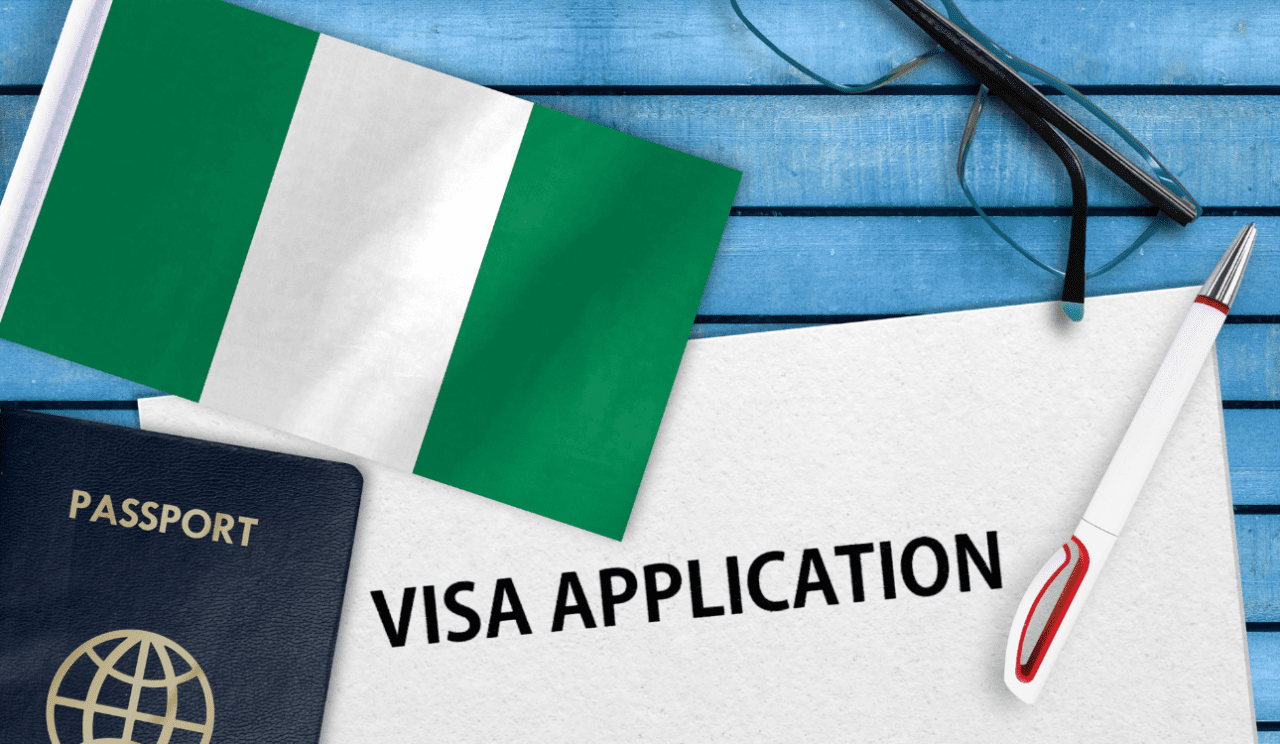
In a bold move to strengthen national security and modernize travel processes, the Federal Government of Nigeria has announced the launch of an electronic visa (e-visa) system and fully digital landing and exit cards. These updates are set to take effect from May 1, 2025. The Minister of Aviation and Aerospace Development, Festus Keyamo, revealed that the new system is part of a broader effort to streamline immigration procedures and ensure more effective monitoring of travelers entering and leaving the country. With the e-visa platform, applicants can now submit visa requests and supporting documents entirely online, making the process faster and more convenient for tourists, business travelers, and short-term visitors. In addition, the traditional paper-based landing and exit cards will be replaced by digital forms that must be completed before travelers board their flights to Nigeria. Airlines will be required to verify that passengers have completed these forms as part of the check-in process. The Nigeria Civil Aviation Authority (NCAA) will oversee this transition. This development is the result of close collaboration between the Ministry of Aviation and the Ministry of Interior, reflecting the government’s commitment to using technology to enhance border control, reduce congestion at airports, and improve overall travel experience.