

 Edupreneur Editorial Team
New Saliva Test Could Revolutionize Prostate Cancer Detection, Say UK Scientists
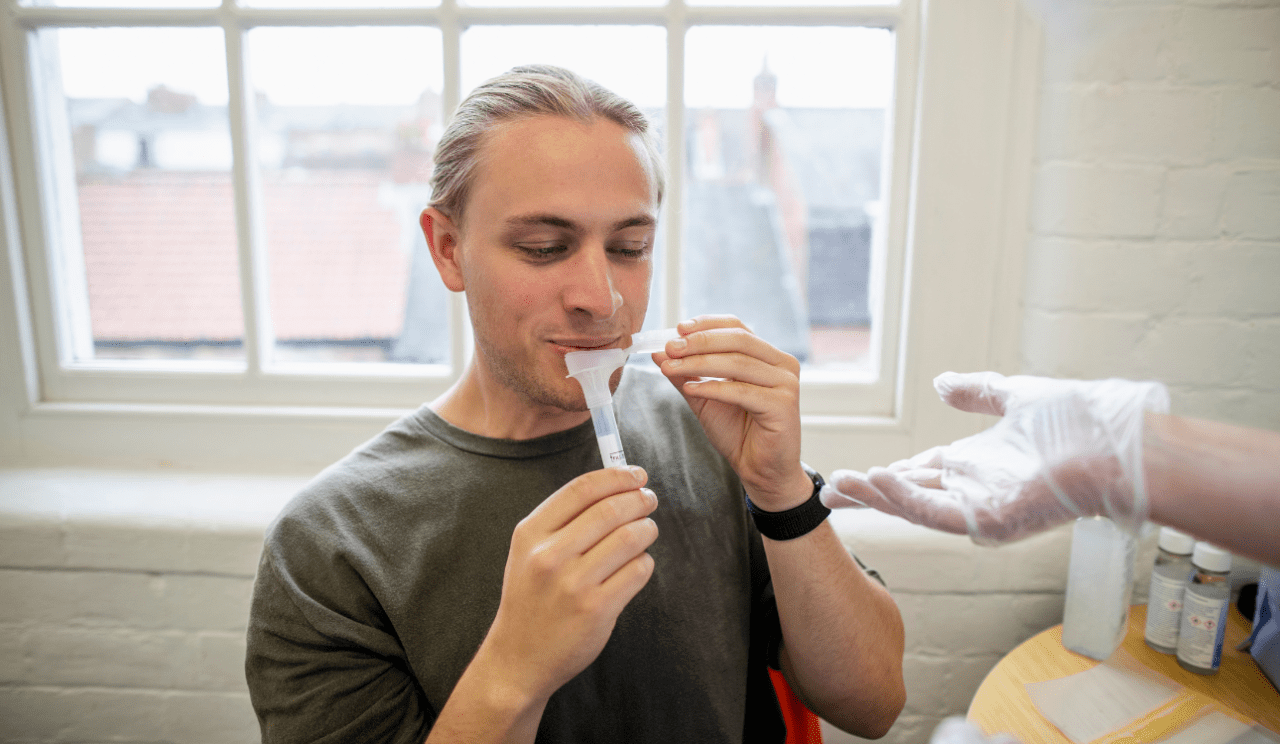
A simple saliva test developed by UK researchers may significantly improve early detection of prostate cancer, offering a more accurate and convenient alternative to current methods.
The test works by analyzing a man’s DNA to identify inherited genetic risk factors for prostate cancer. By assessing over 130 genetic markers, scientists can determine which individuals are most likely to develop the disease — even before symptoms appear.
In a recent study involving more than 6,000 men aged 55 to 69, the saliva test outperformed the traditional PSA (Prostate-Specific Antigen) blood test. It detected aggressive prostate cancer in 55% of positive cases, compared to just 35% for the PSA test.
Experts say this new tool could transform how prostate cancer is diagnosed. Not only does it allow for earlier detection and treatment, but it also reduces the number of unnecessary biopsies and treatments caused by false alarms.
Researchers estimate the saliva test could help identify over 12,000 cases earlier each year, potentially saving thousands of lives and reducing the financial strain on healthcare systems like the NHS.
This breakthrough marks a major step forward in personalized, preventative care—and could “turn the tide” in the fight against one of the most common cancers affecting men.

