Author: Edupreneur Editorial Team

germany-1280x744.png

2min9940
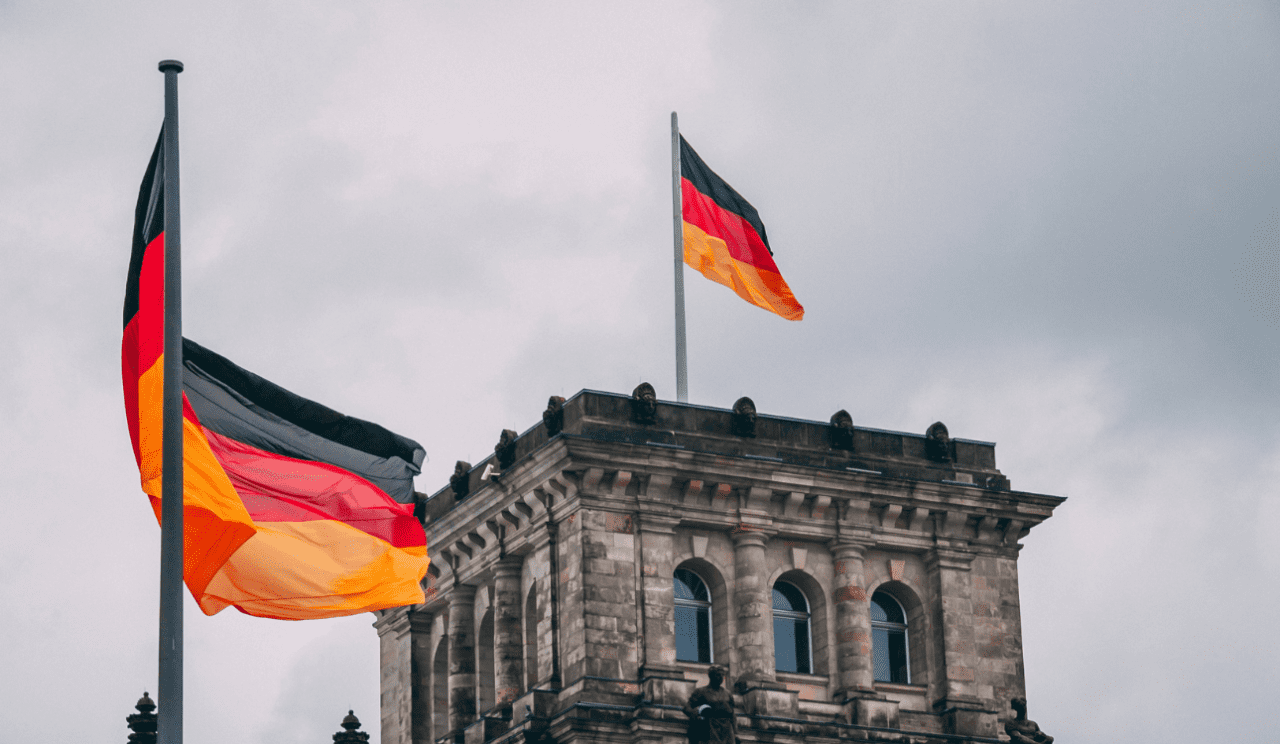
Germany has temporarily paused its participation in the United Nations refugee resettlement program, citing ongoing coalition talks as the reason for the suspension. The announcement came from the country’s Interior Ministry, which confirmed that while no new refugee admissions will be approved at this time, applications already in advanced stages will continue to be processed. The move comes as migration policy remains a hot-button issue in Germany’s current political climate. Negotiations between the conservative CDU/CSU alliance and the Social Democrats have been tense, with growing public pressure to adopt stricter asylum measures. This is partly in response to the rising popularity of the far-right Alternative for Germany (AfD) party and recent security incidents involving asylum seekers. Under the 2025 European Union resettlement framework, Germany had committed to offering up to 6,560 resettlement spots to refugees from countries such as Lebanon, Jordan, Kenya, Pakistan, Egypt, and Libya. The future of that commitment now hangs in the balance as coalition discussions continue. Observers say Germany’s final stance on refugee admissions will likely be shaped by the outcome of the coalition deal and the broader direction of its immigration policy moving forward.

Untitled-design-1-1280x744.jpg

2min9150
Taiwan’s security officials have raised fresh concerns over China’s growing use of generative artificial intelligence (AI) to spread false information and manipulate public opinion. According to Taiwan’s National Security Bureau, the campaign is part of a broader strategy to divide the Taiwanese population and interfere with the island’s democratic processes. Authorities reported detecting over 500,000 pieces of misleading or manipulated content in 2025 alone, much of it distributed via social media platforms like Facebook and TikTok. Many of these messages appeared during politically sensitive moments, such as national addresses and key policy announcements. China’s use of AI-driven tools, including deepfake videos and fabricated social media comments, is said to form part of an ongoing “cognitive warfare” effort, an advanced form of propaganda that targets the thoughts and emotions of the public. In response, Taiwan has adopted a comprehensive strategy involving multiple government agencies to identify and combat disinformation. Thousands of suspicious messages have been flagged, and the government is working closely with international partners to strengthen digital defenses and media literacy. The rise of AI in information warfare is creating new challenges for democracies worldwide. Taiwan’s experience highlights the urgent need for proactive measures to safeguard truth and protect public discourse in the age of AI-generated manipulation.

citrus-1280x744.png

1min7540
South Africa’s citrus sector is bracing for impact following the recent announcement of new import tariffs by former U.S. President Donald Trump. The tariffs are expected to significantly disrupt exports and could put an estimated 35,000 jobs at risk, according to a statement by the Citrus Growers’ Association of Southern Africa. The U.S. is a major destination for South African citrus produce. Industry stakeholders fear that the higher cost of access to the American market will hurt farmers, reduce competitiveness, and impact livelihoods, especially in rural farming communities. The Citrus Growers’ Association has urged both governments to seek a resolution that preserves trade ties and protects jobs. They warn that without intervention, the long-term effects could ripple across the agricultural economy. The move comes amid broader trade tensions between the U.S. and various global markets, with agriculture often caught in the crossfire.

trade-1280x744.png

2min9210
Tensions are rising in U.S.-Nigeria trade relations as the United States Trade Representative (USTR) has criticized Nigeria’s ongoing import restrictions on 25 product categories. According to the USTR, the restrictions are limiting American exporters’ access to the Nigerian market. The criticism comes on the heels of a new U.S. policy introduced by former President Donald Trump, which imposes a 14% tariff on goods imported from Nigeria. The measure is part of a broader trade policy aimed at addressing perceived trade imbalances and promoting fairer trade conditions. Nigeria’s import policy has long been a point of contention. U.S. officials highlight that American products, including automobiles, face multiple tariffs in Nigeria—amounting to up to 50% when combined with sector-specific levies such as the National Automotive Council charge. In response, the U.S. has begun applying a flat 10% tariff on most incoming goods and a higher 14% duty specifically targeting Nigerian exports. Trade experts warn that the escalating restrictions on both sides could have wider implications, potentially increasing prices for consumers and straining trade relations between the two countries.

website-images-2-1280x744.png

7min15950
Every student learns differently. Some light up when they see diagrams, others absorb information better when they hear it out loud, while a few prefer hands-on tasks or neatly written notes. As educators, parents, or anyone guiding learning, recognizing these differences is key. That’s where the VARK model comes in; a simple yet powerful framework to help us understand and support diverse learners. What is the VARK Model? Developed by Neil Fleming, the VARK model identifies four primary types of learners based on how they prefer to receive and process information: Visual Aural (or Auditory) Read/Write Kinesthetic Each learning style responds best to a particular method of teaching, and knowing how to engage each type can make a huge difference in learning outcomes. 1. Visual Learners How they learn: These learners prefer to see information in the form of diagrams, charts, symbols, color-coded notes, and spatial understanding. Tips to engage them: Use infographics, flowcharts, and videos with strong visuals. Present key concepts with mind maps or slides. Encourage them to draw or sketch what they’ve learned. Bonus: Color-coding information can help visual learners retain details faster. 2. Auditory Learners How they learn: They learn best through listening. Lectures, discussions, and even background music can help them process information. Tips to engage them: Read instructions aloud or provide audio recordings. Use group discussions, podcasts, or storytelling. Let them “teach back” what they’ve learned verbally. Bonus: Rhymes, mnemonics, and songs can reinforce memory. 3. Read/Write Learners How they learn: These learners thrive on written words. They enjoy reading texts and writing notes to understand and retain information. Tips to engage them: Provide handouts, articles, and written instructions. Encourage journaling, note-taking, or creating study guides. Use lists, headings, and bullet points to organize information. Bonus: These learners often do well with traditional classroom methods. 4. Kinesthetic Learners How they learn: They prefer hands-on experiences. Movement, touch, and doing are central to how they absorb knowledge. Tips to engage them: Include role-plays, experiments, or physical activities. Use real-life examples and case studies. Allow movement breaks and tactile learning tools. Bonus: Field trips, building models, or using manipulatives work well here. Can a Learner Be More Than One Type? Yes! Many people are multimodal, meaning they benefit from a mix of learning styles. The VARK model isn’t about boxing students into categories, but offering insight into preferences. Understanding these can help personalize teaching and make learning stick. Why This Matters in Real Life Imagine teaching a class of 30 students using only lectures. That might work for auditory learners, but the rest could be left behind. The VARK model reminds us to diversify how we teach and that’s where true engagement happens. Whether you’re a teacher designing lessons, a parent helping with homework, or a student trying to study smarter, knowing these styles can improve comprehension, retention, and enjoyment of learning. Final Thoughts There’s no one-size-fits-all in education, and that’s the beauty of it. The VARK model gives us a simple lens to see learners more clearly and meet them where they are. When we engage students according to their learning style, we help them not just learn but to love learning as well.


car-1280x744.png

2min6150
Toyota Motor Corporation is ramping up its electric vehicle (EV) ambitions with a bold new target: the development of 15 fully electric models built entirely in-house by the year 2027. The global auto giant also aims to scale up production to about one million EVs annually by that time, reinforcing its commitment to cleaner mobility and future-focused innovation. This marks a significant expansion from Toyota’s current lineup of five EV models, which are primarily manufactured in Japan and China. To support this growth and navigate global trade dynamics, the company is exploring new EV production hubs in the United States, Thailand, and Argentina. Luxury car lovers can also expect to see several new Lexus-branded electric vehicles as part of Toyota’s evolving EV portfolio. While Toyota has revised its original 2026 target from 1.5 million EVs to around 800,000 units, the brand remains focused on making a long-term impact in the EV space. In 2024, Toyota sold approximately 140,000 EVs worldwide—a 33% increase from the previous year—though EVs still represent a small portion of its over 10 million global vehicle sales. To strengthen its supply chain and production capabilities, Toyota is investing heavily in battery manufacturing. The automaker recently committed an additional $8 billion to its upcoming battery plant in North Carolina, bringing the total investment to over $13 billion and creating more than 5,000 jobs. The facility is expected to begin operations in 2025. These strategic moves reflect Toyota’s renewed focus on electrification as the automotive industry continues its shift toward sustainable, tech-driven transportation solutions. Photo credit: CNN

salt-1280x744.png

3min5110
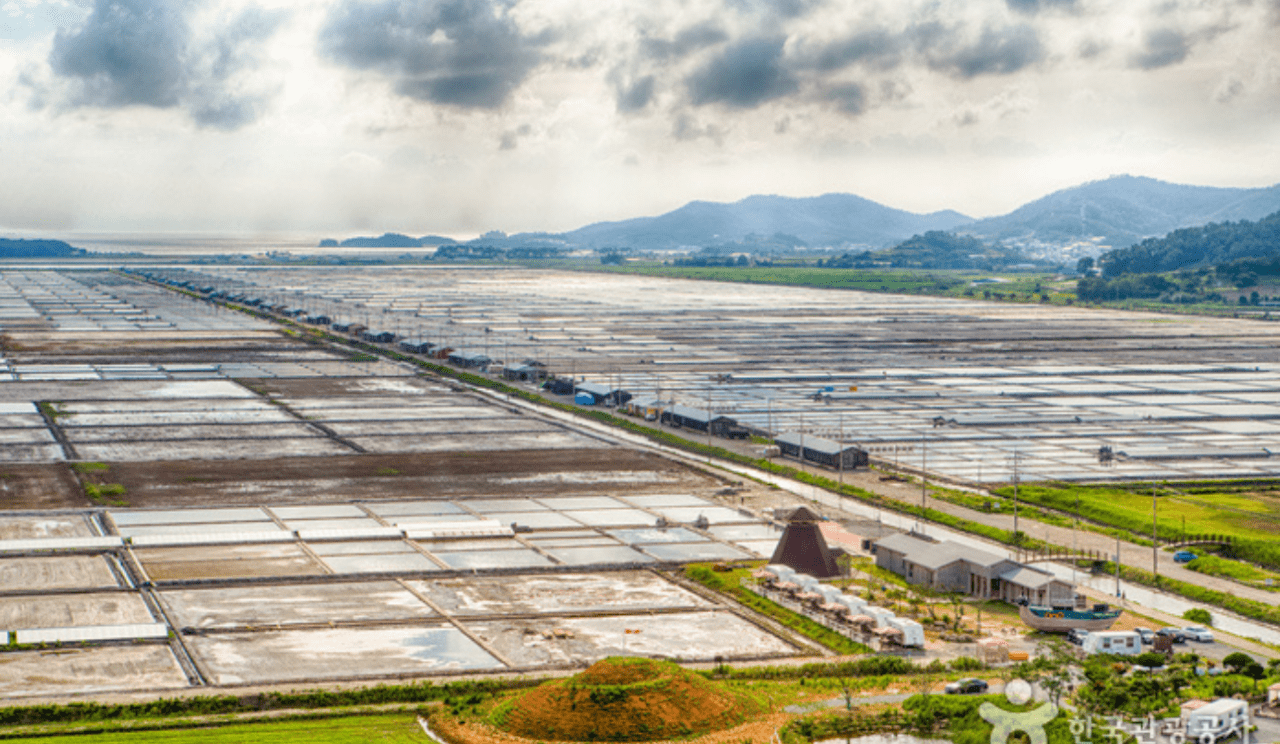
The South Korean government is pushing to lift a U.S. ban on sea salt imports from the country’s largest salt farm, Taepyung Salt Farm, after American authorities alleged that forced labour practices were involved in its production. The U.S. Customs and Border Protection (CBP) recently halted shipments of sea salt from the farm, citing signs of exploitation such as abuse of vulnerable workers, restricted movement, and unpaid wages. These findings echo earlier reports of labour abuse on salt farms in Sinan County, where some workers (particularly individuals with disabilities were subjected to harsh conditions. However, South Korea’s Ministry of Oceans and Fisheries has challenged the U.S. findings, stating that the country has made major improvements to working conditions on salt farms in recent years. These include annual labour audits, the introduction of automated equipment to reduce manual labour, and enhanced human rights training. Officials insist that the sea salt currently exported to the U.S. is produced ethically and without forced labour. They also clarified that the violations cited were tied to a previous tenant at Taepyung Salt Farm, who was removed in 2023. The farm now operates under stricter regulations with 25 certified tenants and an annual output of around 15,000 tonnes. While rights groups have praised the U.S. for taking action, they continue to urge the South Korean government to introduce tougher laws against human trafficking and improve support for victims of labour abuse. As talks between South Korea and U.S. officials continue, the outcome could shape the future of ethical sourcing and global trade in the agricultural sector. Photo Credit: Visit Korea

tv-1280x744.png

2min7020
Samsung Electronics has announced that its television division is likely to feel less impact from the newly announced U.S. tariffs, compared to other global competitors. The reason? Location. Most of Samsung’s TVs sold across North America are assembled in Mexico. This strategic manufacturing setup allows the tech giant to avoid the steepest of the new U.S. import tariffs, some of which reach up to 54% for goods coming from countries like China. Meanwhile, Chinese brands like TCL and Hisense are expected to take a harder hit due to their production bases in Asia. Still, Samsung isn’t relaxing just yet. Company executives say they are closely monitoring global trade tensions and are ready to shift production across their 10 factories worldwide if needed. The company is also assessing how the broader tariff climate might affect other products like memory chips and smartphones, as shifts in consumer spending could ripple across the electronics market. With the U.S. imposing tariffs of up to 50% on certain imports, multinational companies with manufacturing hubs in Mexico, including LG and Samsung are exploring backup plans, such as relocating some operations to the U.S., if trade barriers continue to rise. As global trade dynamics continue to evolve, Samsung’s early moves could give it a temporary edge in the heated battle for North American market share. Photo Credit: Samsung Newsroom 

mtn-1280x744.jpg

1min10770
MTN Group, Africa’s largest mobile network operator, has announced a new strategic partnership with UK-based video software company, Synamedia. The goal? To create a powerful streaming platform specifically designed for African audiences using mobile and fibre networks. This new platform will offer a mix of live TV and video-on-demand content, allowing MTN subscribers to enjoy entertainment on the go or at home. What makes it even more exciting is its flexible viewing model: users can access content via subscriptions, ad-supported streams, or for free with targeted ads. MTN says the platform will be tailored to fit the tastes and preferences of each local market, providing relevant content in familiar languages and styles. With over 290 million subscribers across 16 African countries, MTN is positioning itself as a serious player in Africa’s fast-growing digital entertainment space. This move sets MTN on a competitive path alongside regional giants like Showmax and global platforms such as Netflix and Disney+. It’s a major step toward transforming how Africans consume video content.

4-5-1280x744.jpg

5min31920
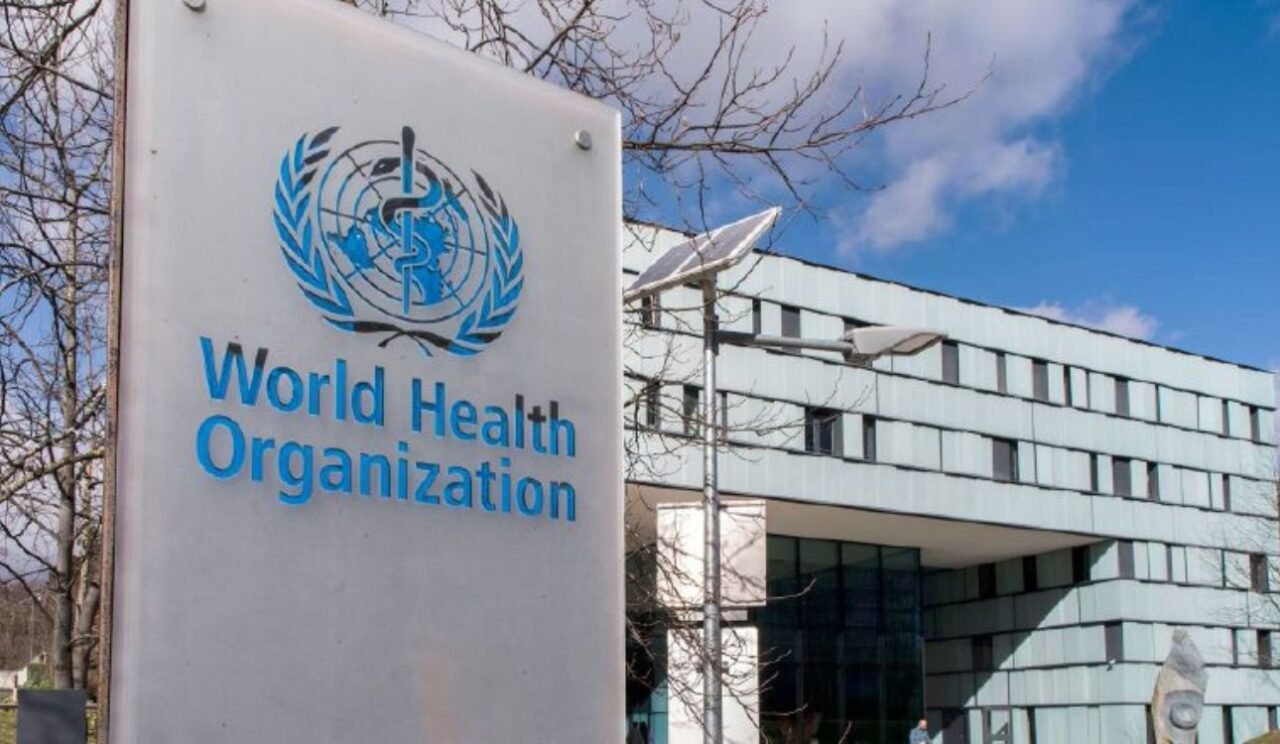
The World Health Organization (WHO) has recently conducted a global simulation aimed at testing and enhancing the preparedness of countries to respond to future pandemics. This two-day exercise, named Exercise Polaris, took place on April 4-5, 2025, and involved more than 15 nations working together to simulate a health crisis scenario. The primary goal of Exercise Polaris was to evaluate how the WHO’s Global Health Emergency Corps (GHEC) can assist countries during large-scale health emergencies. Countries like Canada, Colombia, Costa Rica, Ethiopia, Germany, Saudi Arabia, and Ukraine were part of the drill, which involved responding to a fictional virus spreading rapidly around the globe. Key Objectives and Insights: The exercise tested the international coordination and collaboration needed to address a global health crisis. Participants worked to demonstrate the importance of efficient communication, rapid decision-making, and coordinated efforts in managing a pandemic. WHO leadership highlighted that global cooperation is essential to handling future pandemics. Dr. Tedros Adhanom Ghebreyesus, the WHO Director-General, emphasized the importance of unity in response efforts, stating that “no country can tackle a pandemic alone,” and that the exercise showed that global collaboration is not only possible but vital. Dr. Mike Ryan, WHO’s Executive Director of Health Emergencies, echoed this sentiment, noting that the success of the exercise showed what could be achieved when countries act with urgency and work together under the guidance of health experts. GHEC’s Role: The Global Health Emergency Corps, launched by the WHO in 2023, plays a crucial role in responding to health emergencies. The initiative aims to create a network of health professionals who can be mobilized during crises, reinforcing the message that collective action is key in combating pandemics. Looking to the Future: Exercise Polaris serves as a valuable learning experience for governments worldwide, highlighting areas that need strengthening and providing an opportunity to improve global health emergency response strategies. It reminds us that readiness for the next pandemic depends on cooperation, trust, and swift action. As global health leaders continue to refine emergency response frameworks, exercises like Polaris demonstrate the significant benefits of preparation and teamwork when it comes to safeguarding public health in the face of future threats.