

 Edupreneur Editorial Team
South Korea Moves to Reverse U.S. Ban on Sea Salt Imports Over Forced Labour Claims
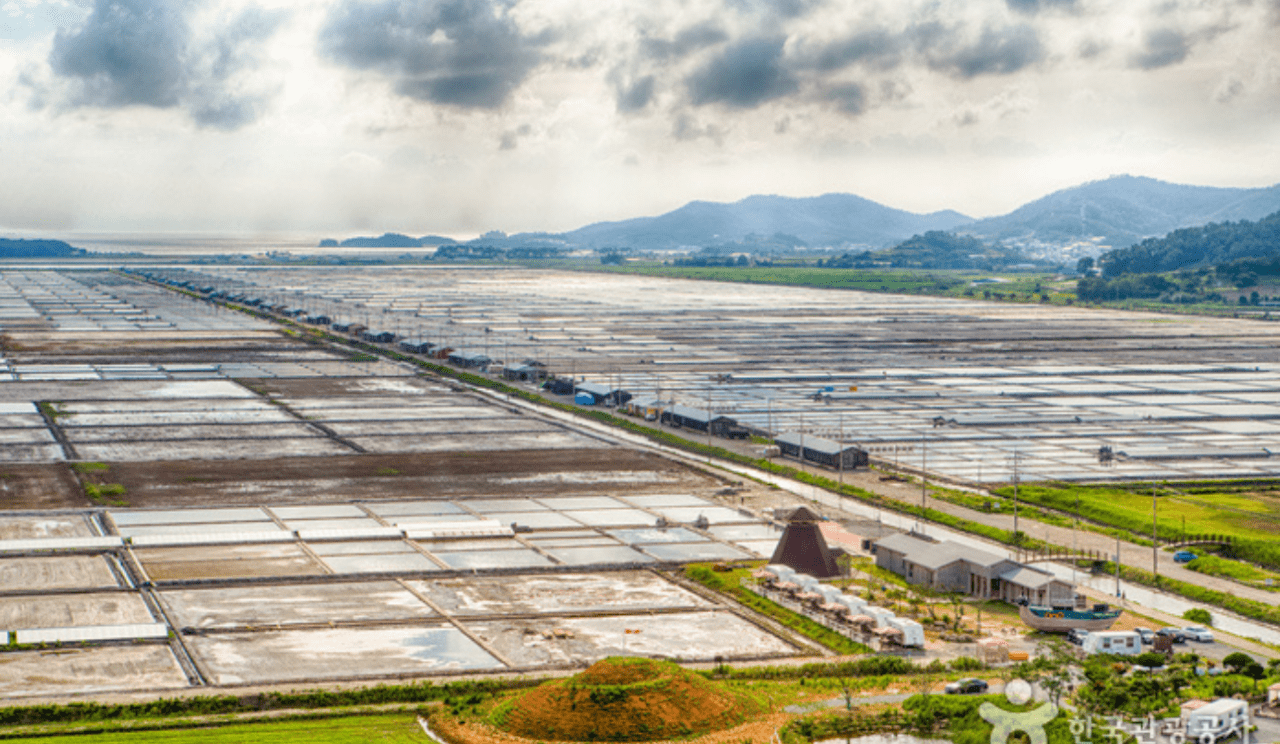
The South Korean government is pushing to lift a U.S. ban on sea salt imports from the country’s largest salt farm, Taepyung Salt Farm, after American authorities alleged that forced labour practices were involved in its production.
The U.S. Customs and Border Protection (CBP) recently halted shipments of sea salt from the farm, citing signs of exploitation such as abuse of vulnerable workers, restricted movement, and unpaid wages. These findings echo earlier reports of labour abuse on salt farms in Sinan County, where some workers (particularly individuals with disabilities
were subjected to harsh conditions.
However, South Korea’s Ministry of Oceans and Fisheries has challenged the U.S. findings, stating that the country has made major improvements to working conditions on salt farms in recent years. These include annual labour audits, the introduction of automated equipment to reduce manual labour, and enhanced human rights training.
Officials insist that the sea salt currently exported to the U.S. is produced ethically and without forced labour. They also clarified that the violations cited were tied to a previous tenant at Taepyung Salt Farm, who was removed in 2023. The farm now operates under stricter regulations with 25 certified tenants and an annual output of around 15,000 tonnes.
While rights groups have praised the U.S. for taking action, they continue to urge the South Korean government to introduce tougher laws against human trafficking and improve support for victims of labour abuse.
As talks between South Korea and U.S. officials continue, the outcome could shape the future of ethical sourcing and global trade in the agricultural sector.
Photo Credit: Visit Korea

