Tag: Global Trade

Zara Lianne30 May 2025
3-1280x744.png

2min7750
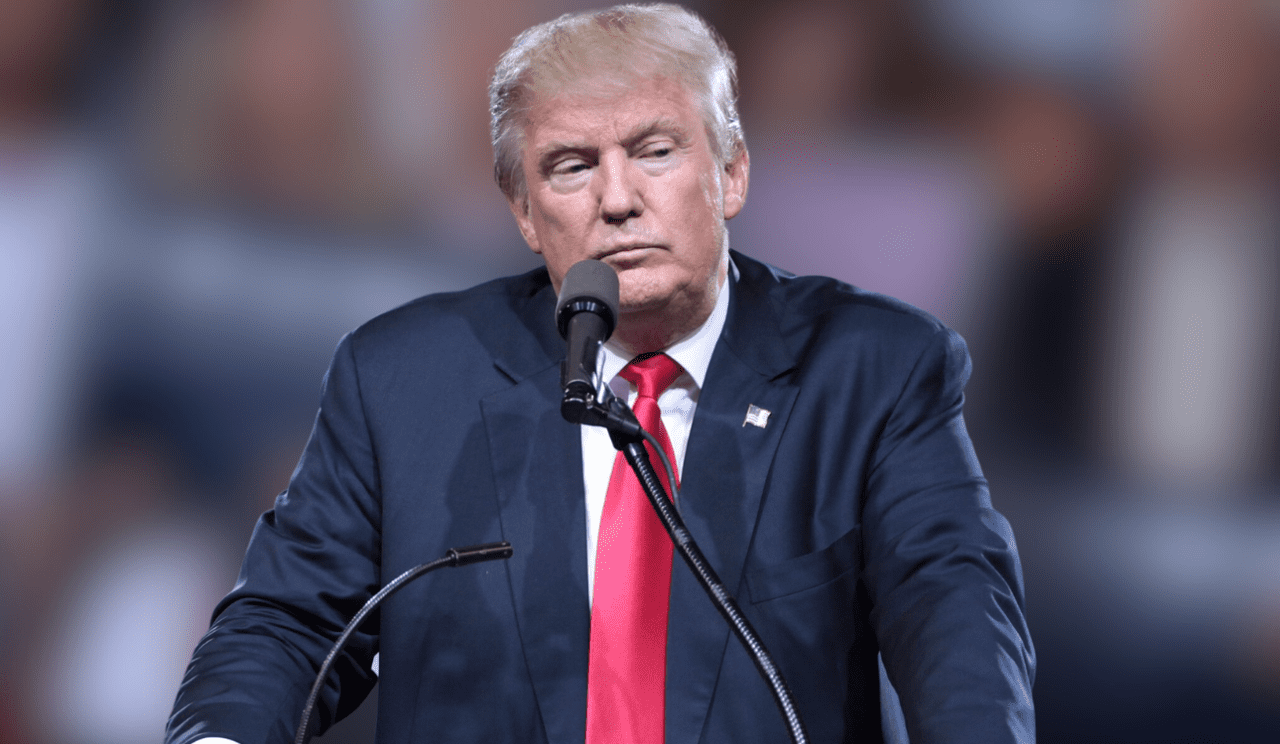
A federal appeals court has temporarily restored one of the most far-reaching sets of tariffs introduced during former President Donald Trump’s administration. This comes just a day after a lower trade court ruled the tariffs illegal and ordered them to be halted. The U.S. Court of Appeals for the Federal Circuit issued a stay on the ruling made by the Court of International Trade, allowing the contested tariffs to remain in effect while the legal battle continues. The initial decision had found that Trump had overstepped his authority under the International Emergency Economic Powers Act (IEEPA) by imposing wide-ranging tariffs without congressional approval. The case—V.O.S. Selections, Inc. v. United States—has reignited debate over presidential power in setting trade policy. The reinstated tariffs affect a broad range of imports, including steep duties on Chinese goods and products from key trade partners like Canada and Mexico. The appeals court has set a rapid timeline for both sides to submit further arguments, with responses due in early June. If the matter remains unresolved, it could eventually make its way to the U.S. Supreme Court. As businesses and trade partners await a final outcome, the temporary reinstatement of the tariffs adds fresh uncertainty to the U.S. trade landscape.

gadgets-1280x744.png

1min4890
In a major shift in trade policy, the Trump administration has granted exemptions from steep reciprocal tariffs for a range of tech products mainly imported from China. The list includes smartphones, laptops, graphics processing units (GPUs), integrated circuits, and semiconductor manufacturing equipment. These items were previously subject to tariffs as high as 145%, part of broader U.S.-China trade tensions. The exemption, effective retroactively from April 5, 2025, is expected to ease pressure on American tech companies such as Apple, Dell, and Nvidia, while also preventing potential price hikes for U.S. consumers. While the move offers relief to the tech sector, other tariffs remain in place. A 20% China-specific tariff introduced in March still applies to certain imports, and a new trade investigation into semiconductors is underway. According to U.S. officials, the decision aims to strike a balance between protecting American industries and ensuring that essential electronics remain affordable and accessible to consumers.

salt-1280x744.png

3min5010
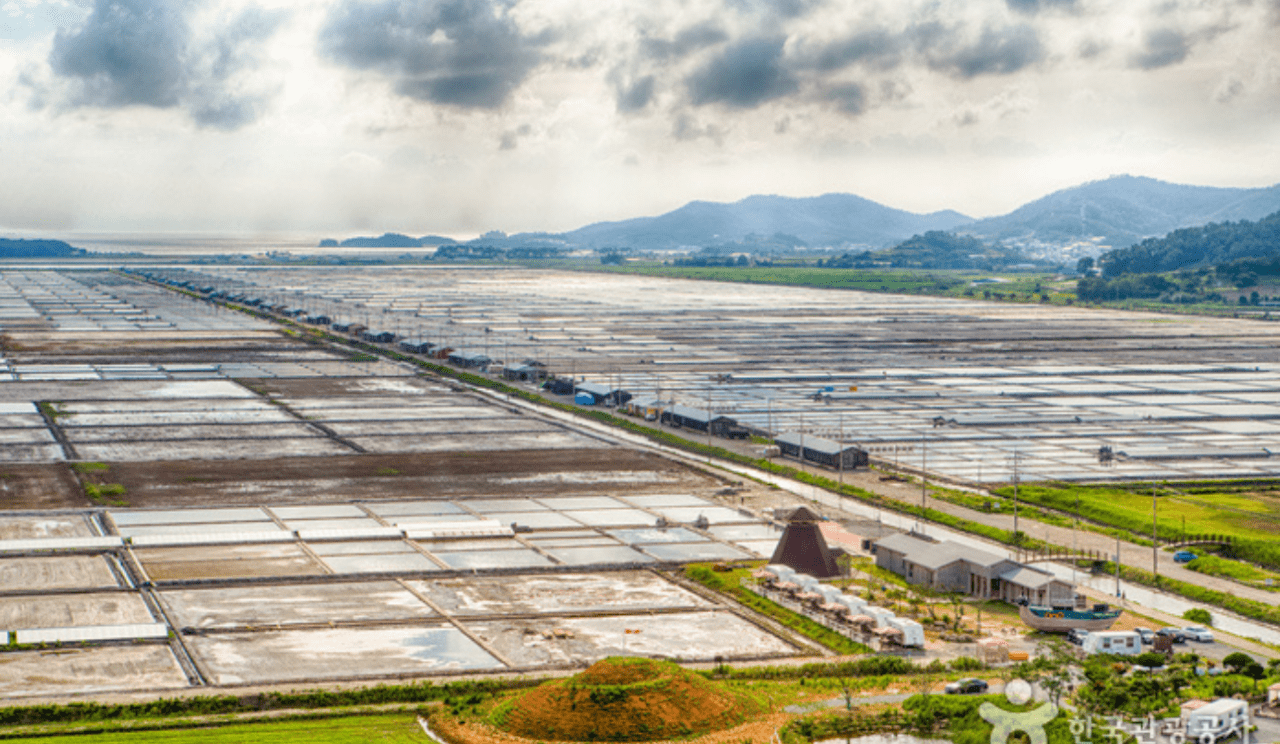
The South Korean government is pushing to lift a U.S. ban on sea salt imports from the country’s largest salt farm, Taepyung Salt Farm, after American authorities alleged that forced labour practices were involved in its production. The U.S. Customs and Border Protection (CBP) recently halted shipments of sea salt from the farm, citing signs of exploitation such as abuse of vulnerable workers, restricted movement, and unpaid wages. These findings echo earlier reports of labour abuse on salt farms in Sinan County, where some workers (particularly individuals with disabilities were subjected to harsh conditions. However, South Korea’s Ministry of Oceans and Fisheries has challenged the U.S. findings, stating that the country has made major improvements to working conditions on salt farms in recent years. These include annual labour audits, the introduction of automated equipment to reduce manual labour, and enhanced human rights training. Officials insist that the sea salt currently exported to the U.S. is produced ethically and without forced labour. They also clarified that the violations cited were tied to a previous tenant at Taepyung Salt Farm, who was removed in 2023. The farm now operates under stricter regulations with 25 certified tenants and an annual output of around 15,000 tonnes. While rights groups have praised the U.S. for taking action, they continue to urge the South Korean government to introduce tougher laws against human trafficking and improve support for victims of labour abuse. As talks between South Korea and U.S. officials continue, the outcome could shape the future of ethical sourcing and global trade in the agricultural sector. Photo Credit: Visit Korea