
Author: James Obasi

James Obasi30 October 2025
11-2.jpg

4min3570
Dangote Cement Plant, Obajana, has kicked off its 2025 Sustainability Week with a lineup of dynamic activities celebrating sportsmanship, education, and community partnership under the theme “Sustainable Progress: Celebrating Growth and Partnerships.” The annual event, which began on October 24, has been broadened this year to include more initiatives aimed at promoting holistic community development, according to a statement from the company on Wednesday. The opening ceremony set the stage for a week of meaningful engagement and collaboration, bringing together Dangote Cement employees and members of surrounding host communities. A major highlight of the celebration was a football tournament that embodied teamwork, inclusion, and healthy competition. The tournament’s grand finale took place on October 29, 2025, at the Obajana Academy Field, where the Oyo Community Football Team triumphed over Dangote Cement Transport with a narrow 1–0 victory. The event marked the conclusion of several days of thrilling matches featuring teams from the plant, transport division, and host communities. Beyond recreation, the football tournament aimed to promote physical wellness and unity while strengthening the bond between the company and its host communities. The final match drew an enthusiastic crowd, including top management members such as the Plant Director, Mr. Azad Nawabuddin; CGM Maintenance, Mr. Panjala Sreedar; CGM Production, Mr. John Gwong; and GM Special Duties, Mr. Ademola Adeyemi, among others. The event concluded with commendations from participants and guests who applauded the initiative for reinforcing Dangote Cement’s values of collaboration, inclusion, and sustainable development. In addition to the sports programme, the company organized an Inter-School Spelling Bee and Quiz Competition, featuring ten secondary schools from the host communities. The competition provided a platform for young learners to display their academic skills and intellectual curiosity. Golden Vessels Academy, Obajana, emerged as the overall Spelling Bee champion, showcasing excellence and the company’s commitment to promoting quality education and leadership among youth. During his address, Plant Director Azad Nawabuddin highlighted the company’s vision for an inclusive and impactful Sustainability Week. “Our investment in sports and education represents a deep commitment to the overall well-being of our communities,” he said. “The football tournament builds character, teamwork, and strong bonds between our organization and the people we serve. These relationships strengthen our collective pursuit of progress and shared growth.” Similarly, Head of HAM-Admin/HR, Mr. Peter Agba, emphasized the company’s integrated approach to development. “By combining sporting activities with academic competitions, we are nurturing both the physical and intellectual strengths of our youth,” he said. “This holistic strategy lays a strong foundation for long-term empowerment and sustainable community growth.” The successful launch of the 2025 Sustainability Week paves the way for upcoming events focused on environmental protection, health awareness, and skill development. The expanded programme reflects Dangote Cement’s evolving sustainability vision—one that links health, education, and environmental stewardship as key pillars of community progress. The company reaffirmed its commitment to continuous engagement through quarterly sporting events and regular educational initiatives, ensuring that empowerment remains a year-round focus. As the week continues, Dangote Cement remains dedicated to advancing meaningful progress through collaboration, innovation, and responsible corporate citizenship—proving that through sports and education, stronger, more united communities can be built.

James Obasi29 October 2025
Cooking-Gas-Scarcity.jpg

4min3630
Liquefied Petroleum Gas (LPG) marketers have announced plans to boost Nigeria’s annual LPG supply to six million metric tonnes in the coming years, as part of ongoing efforts to promote the use of cleaner energy across the country. The outgoing President of the Nigerian Association of Liquefied Petroleum Gas Marketers (NALPGAM), Oladapo Olatunbosun, made this known on Tuesday during the association’s 38th Annual General Meeting in Abuja, where he reviewed industry progress and set new goals for the sector. Olatunbosun noted that Nigeria’s LPG consumption had risen from about 900,000 metric tonnes four years ago to over two million metric tonnes in 2024 — a growth he attributed to increased private investment, government collaboration, and greater public acceptance of gas as a household energy source. He expressed optimism that with continued policy support and active private sector involvement, the country could achieve the six-million-tonne target under the Federal Government’s Decade of Gas initiative. “By working closely with the government, we have been able to strengthen the future of LPG in Nigeria. Our goal is to reach six million metric tonnes per year, placing us among Africa’s top gas producers alongside Morocco and Egypt,” he said. Despite the progress, Olatunbosun highlighted persistent challenges such as high costs and limited access in rural areas. He assured, however, that ongoing investments — including Seplat Energy’s upcoming gas supply and increased production from the Dangote Refinery — would help stabilise prices and improve availability. “Affordability remains critical. Every household should have access to LPG, and we must continue pushing for measures that ensure consistent supply and price stability,” he emphasised. He acknowledged recent disruptions caused by plant maintenance and logistics challenges but said prices were expected to fall as local production ramps up. Olatunbosun also urged operators to adopt technology-driven solutions such as artificial intelligence and digital monitoring to curb product theft, enhance safety, and improve operational efficiency. Reflecting on his four-year tenure, he thanked association members for their cooperation, describing the period as one of transformation and resilience. He encouraged the incoming leadership to build on existing achievements and pursue more investment opportunities to strengthen the industry. The event concluded with the election of new executives to lead NALPGAM for the next four years.

James Obasi29 October 2025
11-1.jpg

4min2580
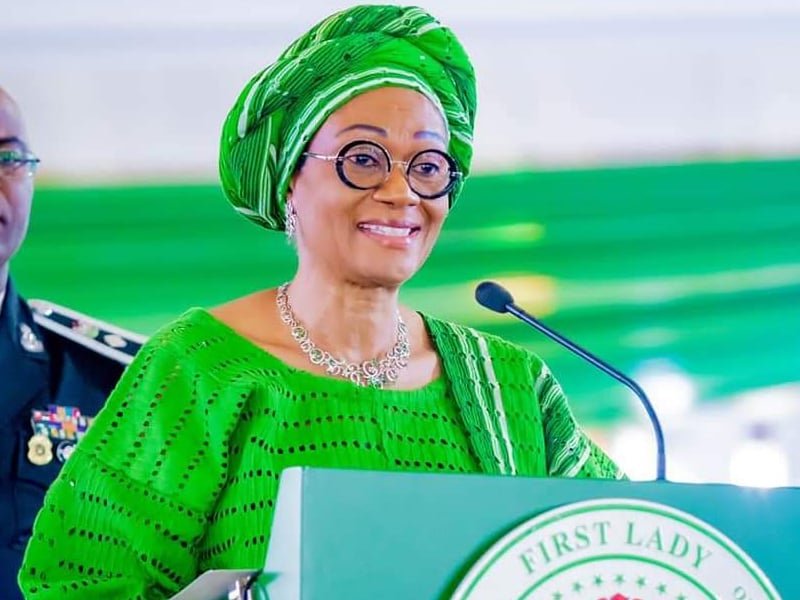
Nigeria’s First Lady, Senator Oluremi Tinubu, has reiterated the country’s strong commitment to eradicating tuberculosis (TB) by 2030 through deliberate and sustained actions aligned with President Bola Tinubu’s Renewed Hope Agenda. Speaking as the Special Guest of Honour at the 39th Stop TB Partnership Board Meeting in Manila, Philippines, Mrs. Tinubu reaffirmed Nigeria’s determination to strengthen domestic systems and reduce reliance on donor funding to ensure steady progress toward eliminating TB. Addressing more than 180 delegates from 47 countries, the First Lady — who also serves as both the Global and National Stop TB Champion — noted that TB remains the world’s leading infectious killer and an airborne threat that demands collective global attention. She emphasised that the sustainability of TB control efforts cannot depend solely on international aid, but must be driven by national leadership, community involvement, and coordinated strategic efforts. “Despite temporary shifts in support from some funding partners, Nigeria’s fight against TB has remained resolute. Through steadfast leadership and community engagement, we have ensured that the number of people diagnosed and treated for TB in 2025 has stabilised — a clear sign of national ownership and commitment,” she stated. Mrs. Tinubu stressed that health initiatives begin within communities and that the ongoing Stop TB Partnership meetings serve as a reminder that the battle against tuberculosis is far from over. Highlighting the human cost of the disease, she noted that TB claims approximately 1.3 million lives each year worldwide. “In Nigeria, we are among the eight countries responsible for two-thirds of global TB cases, with an estimated 479,000 Nigerians developing TB in 2023 and more than 150,000 deaths recorded. These are not just statistics — they represent real lives that inspire us to act urgently and compassionately,” she said. The First Lady commended the Federal Ministry of Health and Social Welfare, the Stop TB Partnership, and related agencies for their transparency and commitment in utilising funds to expand access to testing, diagnosis, and treatment, as well as integrating TB care into primary healthcare services. In his remarks, the Chair of the Stop TB Partnership Board and Philippines Secretary of Health, Teodoro Herbosa, described TB as not just a public health issue but a major development challenge requiring continued global determination. Also speaking, the Executive Director of the Stop TB Partnership, Dr. Lucica Ditiu, underscored the importance of integrating national data systems to accelerate progress toward the 2030 target. She noted that in just two months, new grant facilities in five countries enabled the screening of 8,000 individuals, diagnosis of 5,000, and preventive treatment for 3,000. Nigeria’s Coordinating Minister of Health and Social Welfare, Prof. Muhammad Ali Pate, also attended the meeting. The previous edition of the Stop TB Partnership Board Meeting was hosted in Abuja in 2024.

James Obasi28 October 2025
66.jpg

3min2780
Women’s health specialists have raised concerns that exposure to pesticides and insecticides can lead to hormonal imbalance, irregular menstruation, and infertility in women. The experts also warned that prolonged exposure could trigger respiratory complications, allergies, and infections, with pregnant women and their unborn babies being at higher risk. According to the World Health Organisation, pesticides are toxic to humans and other living organisms and must be handled and disposed of safely. Similarly, the U.S. Centers for Disease Control and Prevention reports that pesticide exposure has been linked to hormonal changes, reduced fertility, miscarriages, birth defects, and developmental problems in children. It also noted that some pesticide residues can pass into breast milk, endangering infants. In Nigeria, concerns over pesticide safety have prompted calls for tighter regulation. The House of Representatives recently urged relevant ministries and agencies to review and phase out highly hazardous pesticides, citing threats to health, the environment, and food security. The National Agency for Food and Drug Administration and Control has also warned against the importation of banned chemicals, such as Neonicotinoid-based pesticides like Chlorpyrifos. While those most exposed include farmers, greenhouse workers, and pest-control professionals, many women are also at risk through domestic use of insect sprays, coils, and repellents. Studies show that women farmers often lack protective gear or awareness of the potential dangers. A fertility specialist at Usmanu Danfodio University, Prof. Abubakar Panti, explained that chemicals such as organophosphates, carbamates, and pyrethroids disrupt hormone regulation and can damage the ovaries, leading to reduced fertility and menstrual irregularities. He noted that these substances interfere with essential reproductive hormones like estrogen and progesterone, ultimately affecting ovulation and uterine function. Panti advised women to limit the use of chemical insecticides in their homes and instead adopt safer, non-chemical pest control methods such as mosquito nets, clearing stagnant water, and using natural repellents. For those handling pesticides in agricultural settings, he recommended wearing gloves and masks to reduce skin contact and inhalation. Also commenting, Prof. Adegboyega Fawole, a gynaecologist at the University of Ilorin, cautioned that pesticide exposure can cause hormonal imbalance and respiratory issues even in non-pregnant women. He stressed the importance of public education on the safe handling of pesticides and encouraged women to consult professionals about safer alternatives.

James Obasi28 October 2025
1-2-1280x854.jpg

3min3750
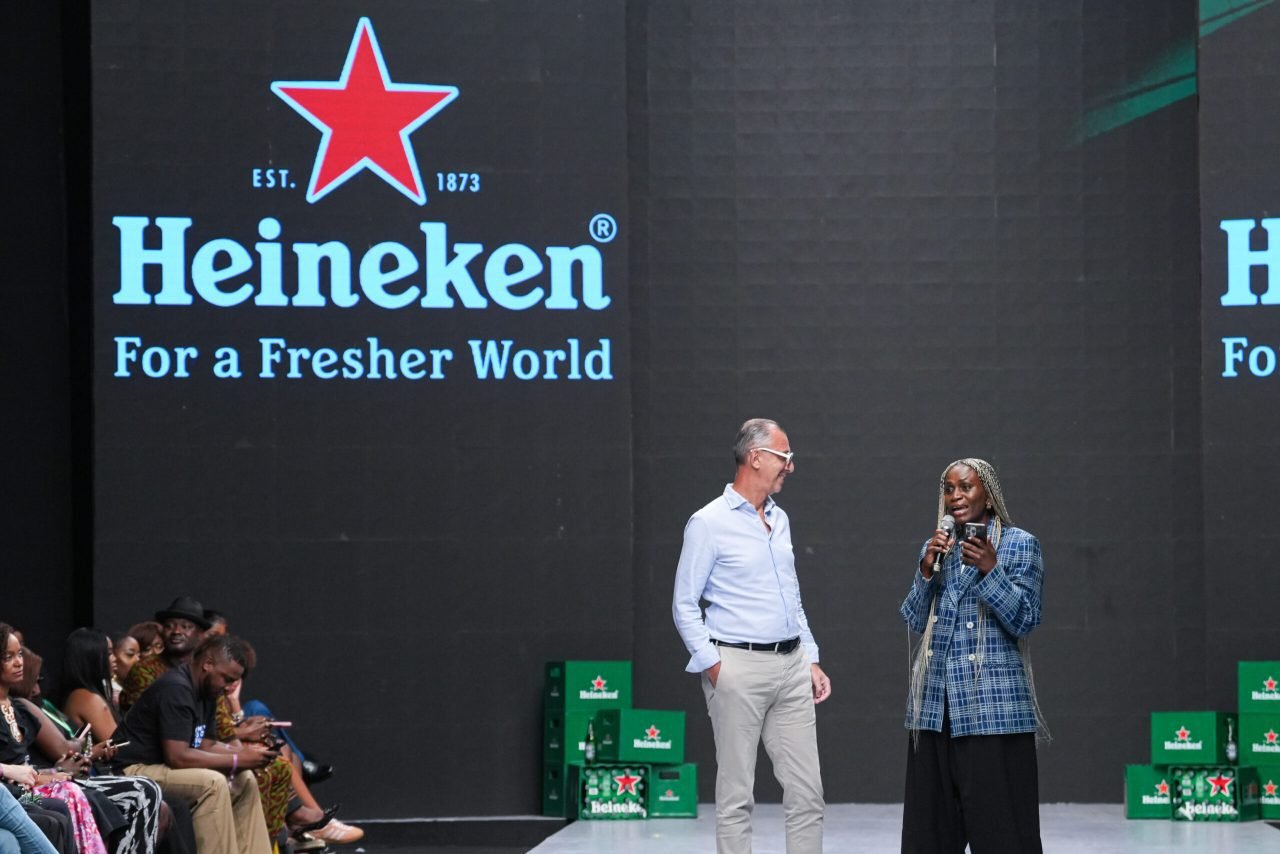
In Lagos — the vibrant city where taste and style thrive — Heineken is commemorating a decade-long partnership with Lagos Fashion Week, a collaboration that has shaped African fashion and amplified Lagos’ cultural presence on the global stage. The celebration kicked off with an exclusive press cocktail at Nomaada, Victoria Island, on Friday, October 24, bringing together designers, media personalities, and cultural influencers to honor Heineken’s enduring support and set the tone for the 15th edition of Lagos Fashion Week. Through its “City of Cities: Where Taste Rules” campaign, Heineken highlights a shared legacy — the fusion of global craftsmanship and local creativity that champions culture, innovation, and sustainability. From the runway to the bottle, this partnership tells a story of purpose and style. The 2025 edition, scheduled for October 29 to November 2, will once again unite Africa’s top designers, creatives, and fashion enthusiasts to showcase the continent’s distinctive talent. What began in 2015 as a sponsorship has grown into a strategic partnership that continues to empower African designers and expand the continent’s creative influence worldwide. As the title sponsor, Heineken has fostered innovation, sustainability, and collaboration, supporting notable projects like the Heineken Africa Inspired Collection by designers Lulu Mutuli and Azra Walji, and promoting African fashion on global stages. Beyond sponsorship, Heineken’s involvement has sparked cultural conversations, connected communities, and inspired a movement celebrating African authenticity, craftsmanship, and sustainable progress — further positioning Lagos among the world’s leading fashion capitals. Reflecting on the milestone, Sandra Amachree, Head of Marketing and Communications at Nigerian Breweries Plc, stated, “Heineken’s partnership with Lagos Fashion Week has always been a deliberate, long-term commitment to cultural innovation. For 10 years, we have championed sustainability, encouraged cross-industry collaboration, and supported the growth of African fashion with a vision for lasting cultural impact.” As Lagos Fashion Week marks its 15th anniversary, Heineken raises a toast to Lagos — the “City of Cities” — and to a new generation of African creatives redefining global fashion, carrying the vibrant spirit of Lagos from Africa to the world.

James Obasi27 October 2025
1.6.jpeg

3min5730
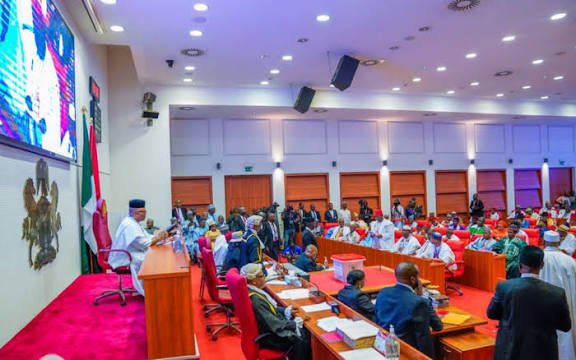
The Organised Private Sector of Nigeria (OPSN) has strongly opposed the Senate’s proposed amendment to the Nigeria Social Insurance Trust Fund (NSITF) Act, describing it as a dangerous attempt to politicise and take control of workers’ social protection funds. The OPSN—which includes the Manufacturers Association of Nigeria (MAN), Nigeria Association of Chambers of Commerce, Industry, Mines and Agriculture (NACCIMA), Nigeria Employers’ Consultative Association (NECA), Nigeria Association of Small and Medium Enterprises (NASME), and Nigeria Association of Small Scale Industrialists (NASSI)—warned that the move threatens the Fund’s transparency, accountability, and governance structure. In a joint letter to the Senate President, signed by the Directors-General of the member organisations, the OPSN urged lawmakers to stop the amendment process, which has already passed its second reading. The group argued that the proposal would undermine the NSITF’s tripartite management system and violate international labour standards. According to the letter, the NSITF was established on a tripartite foundation—representing government, employers, and labour—in accordance with International Labour Organisation (ILO) Conventions 102, 144, and 87, all of which Nigeria has ratified. These conventions emphasise participatory and transparent governance of social security systems, free from political interference. The OPSN warned that reducing the representation of employers and workers while increasing government control would erode good governance, accountability, and effective management of contributors’ funds. It added that the NSITF’s current management board ensures prudent oversight of workers’ resources and must not be replaced with a politically driven structure. The group further cautioned that creating parallel agencies or altering the Fund’s statutory framework could lead to confusion, mismanagement, and a breach of international standards. Expressing concern over legislative priorities, OPSN criticised the Senate for focusing on what it called an “unnecessary and damaging amendment” instead of passing the long-pending Nigeria Labour Law Bill—crucial for addressing workplace safety, labour relations, and dispute resolution. The OPSN called on President Bola Tinubu and Senate President Godswill Akpabio to intervene and halt the amendment process. It reaffirmed its commitment to collaborating with the government and labour unions to strengthen social protection systems, insisting that the NSITF must remain transparent, accountable, and free from political control.

James Obasi27 October 2025
1-1.jpg

3min3130
The Central Bank of Nigeria (CBN) has disbursed a total of $1.26 billion to operators in the oil sector for the importation of petroleum products and related goods within the first quarter of 2025. This release comes amid ongoing debates among marketers, some of whom continue to import fuel despite the availability of locally refined products from the Dangote Refinery. Fresh data from the Nigerian Midstream and Downstream Petroleum Regulatory Authority (NMDPRA) revealed that marketers imported 69% of the 21 billion litres of petrol consumed in the country between August 2024 and early October 2025. Between January and March 2025 alone, 2.28 billion litres of petrol were brought into the country — one of the lowest quarterly import volumes in recent years, suggesting a gradual shift toward local refining and blending. According to the CBN’s quarterly statistical bulletin, the apex bank disbursed $457.83 million in January (36.2%), $283.54 million in February (22.5%), and $517.55 million in March (41.3%). NMDPRA figures further showed monthly imports of 724.5 million litres in January, 760 million litres in February, and 803.7 million litres in March. Competition between the Dangote Refinery and fuel importers has intensified, as both parties seek to dominate Nigeria’s downstream market. While the refinery continues to export products — including to the United States — pricing remains the key factor influencing marketers’ choices. According to Chinedu Ukadike, National Publicity Officer of the Independent Petroleum Marketers Association of Nigeria (IPMAN), marketers prioritize affordability over sentiment. “Pricing is everything in this business,” he said. “If imported products are cheaper, we buy them. If Dangote’s refinery offers a better price, we’ll buy locally.” He explained that the price gap between imported and locally refined products fluctuates with global oil prices, exchange rates, and policy shifts. Meanwhile, the Major Energies Marketers Association of Nigeria (MEMAN) reported a further decline in the import parity price of Premium Motor Spirit (PMS), now estimated at ₦805.46 per litre, driven by global price pressures and currency fluctuations.

James Obasi26 October 2025
aa-5-1280x757.webp

3min4080
The Socio-Economic Rights and Accountability Project (SERAP) has called on the Group Chief Executive Officer of the Nigerian National Petroleum Company Limited (NNPCL), Bayo Ojulari, to provide a detailed explanation of oil revenues flagged by the Auditor-General of the Federation in the 2022 annual report. The report, released on September 9, 2025, raised concerns about the handling of multi-billion-naira transactions involving more than ₦22 billion, $49 million, £14 million, and €5 million in oil-related revenue managed by the national oil company. In a letter dated October 25, 2025, and signed by SERAP’s Deputy Director, Kolawole Oluwadare, the organization urged Ojulari to ensure full transparency by identifying those responsible for any unaccounted funds and submitting the findings to relevant anti-corruption bodies. “These findings raise serious questions about transparency and accountability in the management of public funds,” SERAP stated. The organization called on the NNPCL to recover any unremitted or misapplied revenue and return it to the national treasury, stressing that the proper management of oil income is vital for Nigeria’s development. SERAP warned that failure to address the allegations promptly and openly could erode public trust and threaten economic stability. According to the organization, the Auditor-General’s report highlighted issues such as irregular payments, abandoned projects, and inadequate documentation in oil sector transactions. SERAP argued that persistent corruption and financial mismanagement in the oil industry have long prevented Nigeria from using its vast petroleum wealth to improve public welfare. “Despite Nigeria’s immense oil resources, citizens continue to suffer hardship due to poor accountability and lack of transparency in revenue management,” the statement added. SERAP further noted that proper accounting for the flagged funds could free up more resources for essential sectors like education, healthcare, and social welfare. The organization urged the NNPCL to act on audit recommendations by closing financial loopholes and strengthening oversight of contract implementation. SERAP also cautioned that it would take legal action if the NNPCL failed to respond within seven days. “We would appreciate it if the recommended actions are taken within seven days of receiving and publishing this letter. If we do not hear from you by then, SERAP will consider appropriate legal steps to compel compliance in the public interest,” the organization said, citing Section 15(5) of the Nigerian Constitution, which obliges public institutions to prevent corruption and abuse of power.

James Obasi25 October 2025
aa-6.jpeg

5min3220
President Bola Tinubu has approved a major shake-up in the leadership of Nigeria’s Armed Forces as part of efforts to strengthen the country’s security architecture. A statement signed by the Special Adviser to the President on Media and Public Communication, Sunday Dare, announced the new appointments: General Olufemi Oluyede replaces General Christopher Musa as Chief of Defence Staff (CDS). Major General W. Shaibu becomes the Chief of Army Staff (COAS). Air Vice Marshal S.K. Aneke is the new Chief of Air Staff (CAS). Rear Admiral I. Abbas assumes office as Chief of Naval Staff (CNS). Major General E.A.P. Undiendeye retains his position as Chief of Defence Intelligence (CDI). The President expressed gratitude to the outgoing service chiefs for their “patriotic service and dedicated leadership,” charging the new appointees to “justify the confidence reposed in them” and uphold the professionalism and vigilance of the Armed Forces. All appointments take immediate effect. Reactions from Retired Military Generals Reactions have continued to trail the announcement, with retired military generals describing the move as timely and necessary for career progression and operational renewal within the military. General Anthony Atolagbe (rtd) hailed the decision, saying it would “bring excitement to the military” and restore the long-standing two-year rotation tradition for service chiefs. “It’s a welcome development. It encourages career growth and corrects the past practice of prolonged tenures,” he said. A former Theatre Commander noted that such reshuffles are routine and ensure continuity in leadership. “This is a normal change of guard. Service chiefs traditionally serve two years. It allows younger officers to advance and prevents stagnation,” he said, adding that the move restores “the ideal order of military progression.” Another former Air Component Commander in the North-East observed that the change aligns with efforts to improve security management. “Leadership shifts like this often happen when there’s a need for new strategies to tackle evolving threats such as insurgency and banditry,” he explained. Rear Admiral Dickson Olisemelogor (rtd) described the shake-up as “necessary and timely,” urging that the new chiefs be given full operational freedom. “The rejig is based on the President’s assessment. The new service chiefs are seasoned professionals. However, their success depends on the political class allowing them to act independently,” he said. Also reacting, Okechukwu Nwanguma, Executive Director of the Rule of Law and Accountability Centre (RULAAC), said the changes reflect the President’s constitutional prerogative. “Leadership renewal is good, but beyond symbolism, what matters is whether the new service chiefs will bring fresh strategy, integrity, and accountability to the fight against insecurity,” he stated. A serving senior officer who spoke anonymously added: “If the political class genuinely supports the military and provides clear directives, the insecurity challenges can be tackled decisively.” Profiles of the New Service Chiefs Chief of Army Staff – Major General Waidi Shuaibu Born in Olomaboro LGA of Kogi State, Major General Shuaibu was commissioned into the Nigerian Army Armoured Corps in 1994. An alumnus of the Nigerian Defence Academy (41st Regular Course), he holds degrees from the Universities of Calabar and Ibadan, the National Defence University (Washington), and the Harvard Kennedy School. He has served in key operational and instructional roles, including Brigade Commander, Director at the National Defence College, and GOC 7 Division, Maiduguri. Chief of Naval Staff – Rear Admiral Idi Abbas Born on September 20, 1969, in Kano State, Rear Admiral Abbas enlisted into the NDA in 1987 (40th Regular Course) and was commissioned in 1993. A specialist in Above Water Warfare, he has attended numerous local and international courses, including at the National Defence College, Abuja. He previously served as Chief of Naval Safety and Standards and Chief of Defence Civil-Military Relations before his appointment as CNS. With the new appointments, analysts and retired generals believe President Tinubu’s reshuffle could reinvigorate the Armed Forces and restore a merit-based progression system. The ultimate measure of success, however, will depend on how effectively the new team addresses Nigeria’s persistent security challenges.

James Obasi24 October 2025
z7.jpg

3min2480
LG Electronics Nigeria has entered into a partnership with Ecobank Nigeria to provide flexible financing options that make it easier for consumers to purchase LG’s latest range of AI-powered Smart TVs, washing machines, refrigerators, and air conditioners without paying the full amount upfront. Unveiled at Ecobank’s headquarters in Lagos under the theme “From Screens to Scenes with AI Smart TVs,” the initiative introduces an Easy Monthly Installment (EMI) scheme — a Buy Now, Pay Later model that allows customers to spread payments over a period of up to 24 months. Speaking at the event, Ecobank Nigeria’s Head of Distribution Channels and Sales, Dr. Adeola Ogunyemi, said the collaboration represents a bridge between technology and finance aimed at improving living standards. “We believe technology should be accessible to everyone, not just a few. Our partnership with LG is a major step toward making smart living attainable for more Nigerians through flexible payment plans. By combining Ecobank’s financial expertise with LG’s technological innovation, we are helping households embrace connected lifestyles without the strain of upfront costs,” Ogunyemi said. He added that the initiative is not only about financing but also about empowering Nigerians to experience modern living today. “As smart homes become the new norm, Ecobank is proud to support this transformation by providing affordable solutions that enhance comfort, convenience, and quality of life,” he stated. LG Electronics’ General Manager for Media Entertainment Solutions, TV Division, Mr. Choongbae Seok, highlighted that LG’s AI-driven products — including OLED, QNED, NanoCell, and UHD TVs, as well as intelligent home appliances — are designed to simplify everyday living and create smarter, more connected environments. “With AI at the core of our innovation, LG continues to redefine the smart living experience,” he noted. Also speaking at the event, Ecobank’s Head of SMEs, Partnerships, and Collaborations, Omoboye Odu, described the partnership as a reflection of creativity, innovation, and progress, adding that it sets the pace for more inclusive access to advanced technology in Nigeria.