Author: James Obasi

James Obasi3 October 2025
Abuja-supermarket-.jpg

2min2090
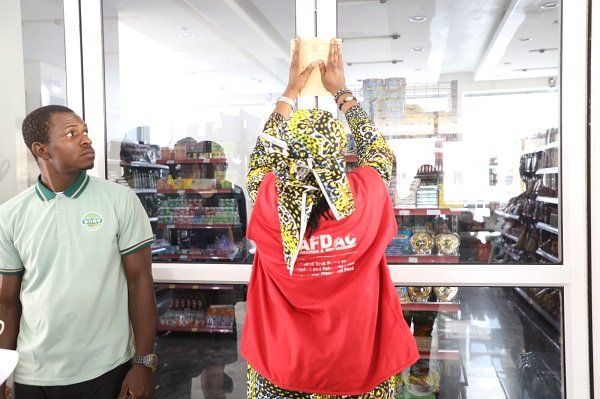
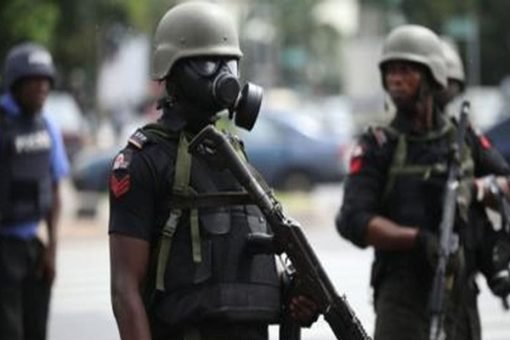
The National Agency for Food and Drug Administration and Control (NAFDAC) has sealed two Chinese-owned supermarkets in Jabi District and eight cosmetics shops in Wuse Market, Abuja, over violations of laws guiding the sale, distribution, and labelling of regulated products in Nigeria. This was disclosed in a press statement issued on Friday by the agency’s Deputy Director of Public Relations and Protocol, Adegboyega Osiyemi. According to the statement, enforcement officers, acting on the directive of NAFDAC’s Director-General, Prof. Mojisola Adeyeye, confiscated and evacuated unregistered and unsafe products valued at over N170 million. The operation was carried out by the Investigation and Enforcement Directorate in collaboration with the Federal Task Force on Counterfeit and Substandard Medicines and Unwholesome Processed Foods, led by Assistant Chief Regulatory Officer Musa Embugushiki. Surveillance revealed that the supermarkets, located on Mike Akhigbe Way and Ebitu Ukiwe Street in Jabi, were selling unregistered food items labelled solely in Chinese, violating NAFDAC’s requirement for English translations. Despite initial denial from the operator at Ebitu Ukiwe Street, the team confirmed that the outlet was fully operational and selling unregistered products. In a related action, eight cosmetics shops in Wuse Market were sealed for distributing banned, expired, and unregistered cosmetics, aphrodisiacs, and aesthetic medicines. Investigations showed that some individuals posed as dermatologists and pharmacists, selling harmful products for skin whitening, body enhancement, and sexual performance. Items seized included Wenicks Capsules, Maxman Capsules, Boobs Enlargement and Curvy Weight Gain products, Collagen, Glutathione Whitening Gummies, White Doll, Dr. Gallery Plus, Dynewell Syrup, and various herbal mixtures. Prof. Adeyeye reiterated NAFDAC’s commitment to protecting Nigerians from dangerous substances linked to severe health risks such as skin cancer, kidney damage, and memory loss. She urged consumers to buy only NAFDAC-approved products and advised foreign investors to comply with registration guidelines before marketing products in Nigeria.
James Obasi3 October 2025
fire-2.webp

2min5250
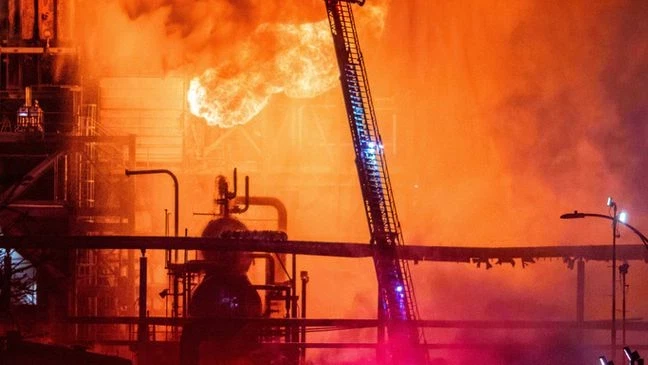
Plumes of smoke billowed above Chevron’s refinery in southern California late Thursday after an explosion was reported, according to US media and circulating social media footage. Videos shared by residents in El Segundo, a coastal city just south of Los Angeles International Airport, captured a massive fireball erupting from the facility, accompanied by a loud, prolonged rumble. El Segundo Mayor Chris Pimentel said authorities had not received any reports of injuries, local broadcaster K-CAL News reported shortly before 11 p.m. (0600 GMT). He added that the cause of the fire was still under investigation. LA County Supervisor Holly Mitchell confirmed that firefighters contained the blaze to one section of the refinery and stressed there was no need for evacuations. “It has been contained and there is no cause for alarm for El Segundo or the surrounding areas,” she said. California Governor Gavin Newsom’s office stated he had been briefed on the incident and that state agencies were working with local officials to safeguard nearby communities. The Los Angeles Times reported that flames had significantly subsided within an hour of the blast, though smoke and fire remained visible across the South Bay. Chevron’s El Segundo refinery, the largest oil processing facility on the US West Coast, handles more than 276,000 barrels of crude daily, according to the company. Authorities in Los Angeles have been contacted for further comment.

James Obasi2 October 2025
Femi-Otedola.jpg

4min1660
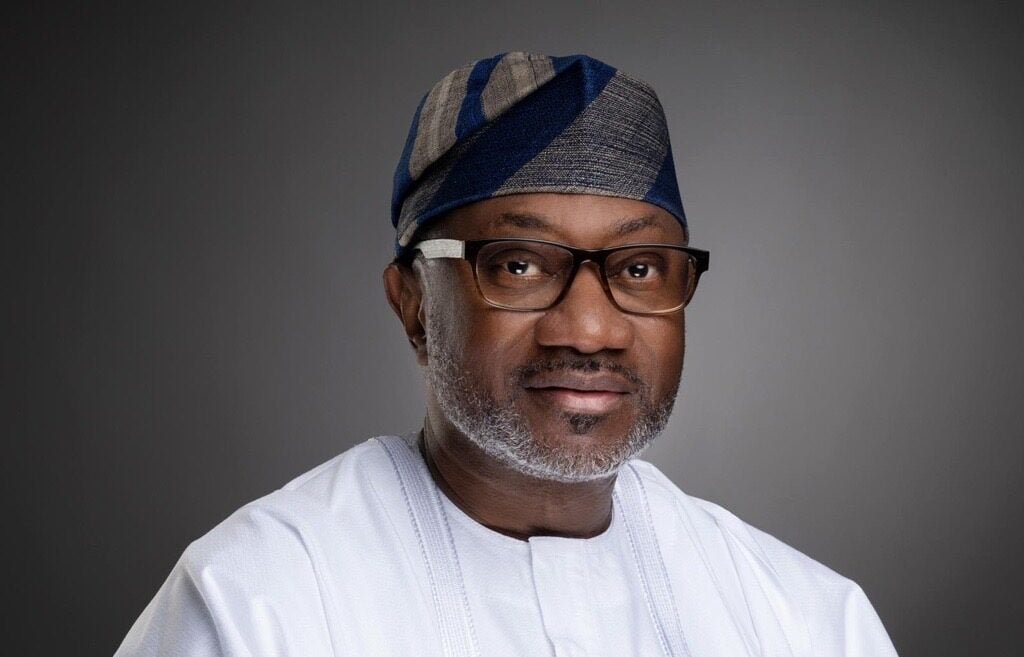
The call for the Federal Government to publish the full list of individuals and companies that siphoned Nigeria’s fuel subsidy funds has gained fresh momentum following recent comments by billionaire businessman Femi Otedola. For over a decade, the subsidy scandal has loomed over Nigeria’s finances, draining trillions, enriching a powerful cartel, and leaving citizens in the dark about who truly profited. Last week, Otedola reignited the debate when he alleged that marketers pocketed more than N2tn under the Goodluck Jonathan administration. His remarks triggered heated reactions and renewed demands for the release of the names of those who bled the system. When President Bola Tinubu assumed office in 2023, he removed fuel subsidies, declaring that the policy only served a corrupt elite. Although Tinubu had opposed subsidy removal in 2012, he later argued that the programme had outlived its usefulness, stressing that the trillions wasted could have been invested in health, education, security, and infrastructure. Despite this stance, the current administration has not ordered a probe, and anti-graft agencies appear reluctant to pursue the matter. Otedola, a former petroleum investor and member of Jonathan’s economic team, recently clashed with fuel marketers while accusing his former industry peers of orchestrating fraud. His claim that over N2tn was stolen sparked sharp rebuttals. Umar Sani, ex-spokesperson to former Vice President Namadi Sambo, accused Otedola of rewriting history and reminded Nigerians of his dominant role in diesel imports during the same era. Sani further recalled the infamous Farouk Lawan bribery scandal, in which Otedola admitted giving marked money to a lawmaker but claimed it was part of a security sting operation. Critics maintain the episode raised more questions about his motives. Unmoved, Otedola fired back, insisting that Zenon Petroleum and Gas Ltd never benefitted from subsidy payments since diesel had long been deregulated. He also reiterated that he was the first to alert authorities to the magnitude of subsidy fraud, insisting he acted as a whistleblower rather than a beneficiary. His most striking demand was for President Tinubu to publish the full Aigboje Aig-Imoukhuede report, which allegedly contains names of marketers indicted for submitting false subsidy claims. Although parts of the report have leaked, successive administrations have withheld the complete findings. Both Otedola and Sani now appear to agree on one point: Nigerians deserve full disclosure. Citizens, activists, and observers alike are demanding that the government finally expose those behind the subsidy heist, which has remained one of the country’s costliest financial scandals. Despite years of probes, reports, and panels, no major player has been publicly prosecuted or convicted. With subsidy removal now a reality, the pressure is on Tinubu’s administration to unmask those who enriched themselves at the expense of the nation. The lingering question is whether the government will finally release the names—or whether the long-suppressed report will remain buried.

James Obasi1 October 2025
aa.jpeg

3min1540
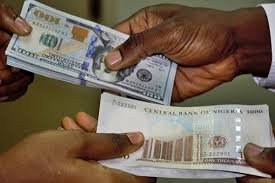
The Nigerian naira showed mixed but modest movements on Wednesday, recording slight gains in the parallel (street) market while slipping marginally in the official foreign exchange window. In the parallel market, the naira appreciated slightly, closing at ₦1,500 per US dollar—an improvement from ₦1,505 earlier in the week. This uptick reflects renewed activity among independent traders and a slight boost in dollar supply. Conversely, at the Nigerian Foreign Exchange Market (NFEM), the naira weakened mildly, ending the day at ₦1,478 per dollar, down from ₦1,480.15 the previous day. This resulted in a narrower gap between the official and street rates, now about ₦22—compared to the ₦25 spread observed earlier in the week. Exchange Rates for Other Major Currencies: Parallel Market: Pound Sterling: ₦2,075 Euro: ₦1,665 Official Market: Pound Sterling: ₦2,030.50 Euro: ₦1,620.45 These figures continue to highlight the modest divergence between Nigeria’s official and informal FX markets. Market analysts attribute the slight appreciation in the parallel market to improved dollar inflows from diaspora remittances, seasonal trade earnings, and independent supply sources. However, demand for dollars remains high, particularly from businesses, importers, students, and travelers who often rely on the parallel market due to limited access in the formal channel. The official market remains supported by Central Bank of Nigeria (CBN) interventions, which aim to contain volatility. The reduced disparity between the two markets suggests that recent policy adjustments and FX reforms may be yielding early signs of alignment. Outlook: Traders anticipate the naira will trade between ₦1,495 and ₦1,505 in the parallel market over the coming days, assuming dollar supply remains steady. The CBN is expected to continue its targeted interventions to smooth out volatility and reinforce market confidence. While recent trends are cautiously positive, long-term naira stability will depend on structural reforms—such as expanding non-oil exports, attracting significant foreign direct investment, increasing FX liquidity, and maintaining macroeconomic discipline.

James Obasi30 September 2025
nnpc-vs-dagote.jpg

3min8320
The Nigerian National Petroleum Company Limited (NNPC) has entered into a fresh two-year crude supply agreement with Dangote Petroleum Refinery, aimed at ensuring a steady flow of crude to the 650,000-barrel-per-day facility in Lekki, Lagos. The agreement, signed in August, forms part of the Federal Government’s plan to strengthen the crude-for-naira initiative. According to details from NNPC, about 82 million barrels of crude have been allocated to the refinery between October 2024 and October 2025, with 60 per cent—equivalent to 49.3 million barrels—sold in naira. The deal follows recent concerns after Dangote refinery temporarily halted petrol sales in naira, citing exhaustion of its crude-for-naira allocation. The intervention of the Naira-for-Crude Technical Committee restored naira-denominated petrol sales, with NNPC reaffirming its commitment to the initiative. NNPC spokesperson Andy Odeh confirmed that crude allocations continue to be reconciled with Dangote and the Nigerian Midstream and Downstream Petroleum Regulatory Authority to match delivery volumes with naira payments. He noted that three naira cargoes were supplied in August, with five allocated each for September and October. From October 2024 to October 2025, the refinery is set to receive a total of 82 million barrels, with the majority designated as naira cargoes. The Steering Committee of the Domestic Crude Oil and Refined Products Sales in Local Currency Initiative, chaired by the Minister of Finance and Coordinating Minister of the Economy, Wale Edun, assured Nigerians that the naira-for-crude arrangement remains intact and will not disrupt fuel supply. The committee, which includes representatives from NNPC, the Central Bank of Nigeria, Afreximbank, and the refinery, emphasised the government’s commitment to energy security and market stability. Oil marketers welcomed the development, noting that steady crude allocations to Dangote will reduce reliance on imports and ensure continuous supply of petroleum products. The Independent Petroleum Marketers Association of Nigeria also urged that modular refineries be factored into the domestic crude allocation framework. With the renewed agreement, the Dangote refinery is expected to receive increased local crude supply, boosting Nigeria’s drive to achieve energy security, stabilise fuel availability, and strengthen the naira.

James Obasi30 September 2025
independence-day-nigeria-1-750x375-1.jpg

1min2380
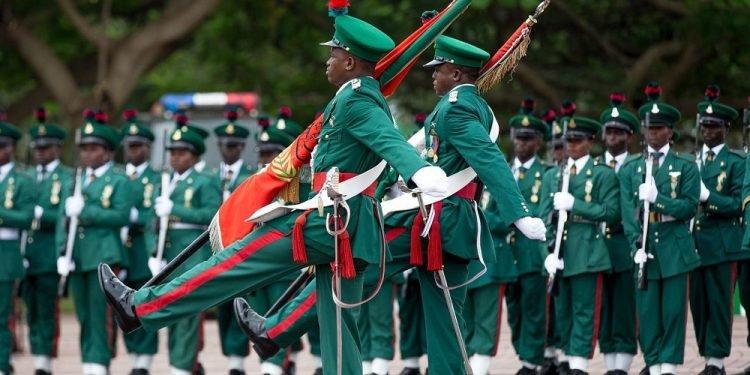
The Federal Government has cancelled the Independence Day parade earlier scheduled to mark Nigeria’s 65th anniversary on Wednesday, October 1. The announcement was made in a statement released on Monday night in Abuja by Segun Imohiosen, Director of Information and Public Relations in the Office of the Secretary to the Government of the Federation. Imohiosen stressed that the decision does not diminish the importance of the anniversary, noting that the government remains committed to celebrating Nigeria’s 65th independence with dignity and enthusiasm. He confirmed that all other activities planned for the celebration will go on as scheduled. “The government deeply regrets any inconvenience this decision may cause,” he said, adding that Nigerians, the diplomatic community, and invited guests are appreciated for their understanding and support. He further urged citizens to back the ongoing reforms of President Bola Tinubu aimed at building a stronger and greater nation.

James Obasi29 September 2025
PENSIONNNN.png

3min4110
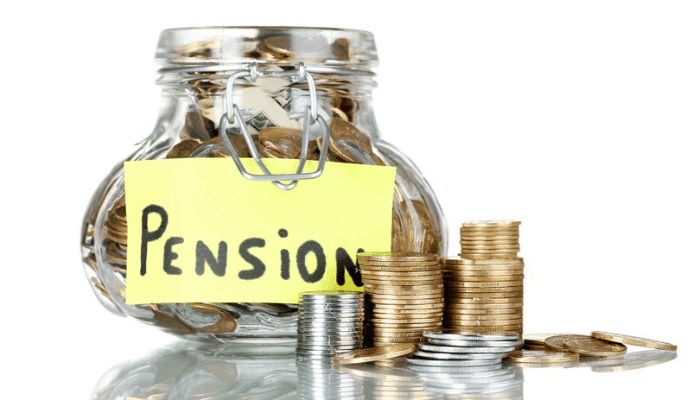
Banks with significant exposure to government deposits may come under increased pressure following the Central Bank of Nigeria’s (CBN) decision to impose a 75 per cent Cash Reserve Ratio (CRR) on non-Treasury Single Account (TSA) public sector funds. The policy was announced by CBN Governor Olayemi Cardoso in the communiqué issued after the two-day Monetary Policy Committee (MPC) meeting. He explained that the measure is aimed at strengthening liquidity management, as the MPC observed a build-up of excess liquidity in the banking system despite slowing inflation. This liquidity, the committee noted, largely stems from fiscal releases tied to improved government revenues. TSA balances, which represent federal revenues warehoused directly with the CBN, remain unaffected. However, non-TSA deposits — comprising state and local government funds typically kept with deposit money banks — have been identified as a major source of liquidity surges, particularly after Federation Account Allocation Committee (FAAC) disbursements. Afrinvest analysts observed that such inflows have historically provided banks with a pool of low-cost deposits but often coincided with periods of naira depreciation. “By sterilising 75 per cent of these balances, banks would need to intensify efforts to mobilise private sector deposits,” the firm stated, warning that lenders with large government exposures may face short-term margin pressures. Tilewa Adebajo, CEO of CFG Advisory, welcomed the policy, describing it as necessary to curb excess liquidity and rein in inflationary pressures. He argued that unchecked fiscal spending has been a key driver of core inflation, adding that the collaboration between the Ministry of Finance and the CBN would help sustain the downward trend. “If Nigeria can bring inflation to around 12 per cent, the economy could grow at eight per cent or more on a sustainable basis,” he said. Adebajo also noted that banks would gain some relief from the adjustment of the general CRR for commercial lenders, which has been reduced to 45 per cent from 50 per cent. In its post-MPC analysis, CardinalStone stated that non-TSA balances accounted for about 1.6 per cent of broad money supply at the end of 2024 and were equivalent to 1.3 times December FAAC allocations to states and local governments. The firm said this adjustment would help moderate foreign exchange pressures, as outflows from these deposits are expected to be gradual and expenditure-linked. Analysts concluded that the MPC’s decisions reflect a careful balancing act — easing slightly to support growth while tightening liquidity conditions around sensitive channels to preserve price stability and sustain confidence in the foreign exchange market.

James Obasi29 September 2025
African-Alliance-Insurance-Logo-420x280-1.jpeg

3min4660
The National Insurance Commission (NAICOM) has ruled out the possibility of reappointing the sacked directors of African Alliance Insurance (AAI) to the board of the company or any other board within the insurance industry. This was disclosed by the Commissioner for Insurance, Olusegun Omosehin, during a question-and-answer session at the annual seminar for insurance journalists in Abeokuta, Ogun State. NAICOM had dissolved the board and management of African Alliance Insurance in October 2024, replacing them with an interim team mandated to safeguard the interests of policyholders, particularly annuitants. Speaking on the state of the company nearly a year into the interim management, Omosehin stressed that individuals responsible for the firm’s insolvency would no longer have the opportunity to serve on its board or any other within the sector. He said: “The entity used to be solvent, and some people ran it down. When we are handing over that entity, every individual who had been on the board and was responsible for the insolvency will never be appointed on that board or on any other board for that matter. Those are clear guidelines. However, the owners of the business will remain the owners.” The NAICOM boss further explained that steps were being taken to dispose of some assets to raise funds for meeting obligations. According to him, once outstanding claims are settled and portfolios transferred to capable entities, the company will be handed back to its owners, provided they meet capital requirements. Otherwise, its licence could be withdrawn. Omosehin emphasized that the regulator would no longer condone situations where policyholders suffer due to mismanagement. He noted that while shareholders often contribute minimal capital, the bulk of funds belong to policyholders and must be protected. On the issue of AAI taking on new business, the Deputy Commissioner (Technical), Dr. Usman Jankara, said the Commission had adopted a cautious approach. He explained that the company should ordinarily not be allowed to underwrite fresh business while outstanding obligations remain unsettled. However, NAICOM introduced a “hybrid model” that permits limited new business under strict controls to avoid further liabilities. The previous AAI board and management were removed after widespread complaints from annuitants over unpaid claims. Since then, the interim management board (IMB), chaired by Dr. Haruna Mustapha with Mr. Jacob Erhabor as Managing Director/CEO, has cleared outstanding obligations. Other IMB members include Mr. Wasiu Amao (Executive Director, Technical), Ms. Oremeyi Longe (Executive Director, Finance), Mr. Anthony Achebe (Non-Executive Director), and Ms. Halimatu Khabeeb (Non-Executive Director).

James Obasi28 September 2025
11-1.jpg

1min3270
The Nigeria Police Force has confirmed that an official vehicle a Toyota Buffalo Land Cruiser was stolen from the premises of the Force Headquarters, Louis Edet House, in Abuja. According to an internal communication from the Force Criminal Investigation Department (FCID), the vehicle, with chassis number JTELU71JX0B027126 and registration number NPF 5594 D, was reported missing on July 28, 2025. It was attached to the Department of Operations. The vehicle was last seen in the official parking lot before it was declared missing. The police have launched an investigation and directed all formations, area commands, and divisional offices nationwide to be on the lookout. A police signal describing the theft urged officers to treat the case as a matter of urgency and report any sightings or leads that could aid in the recovery.

James Obasi27 September 2025
11.jpg

3min2060
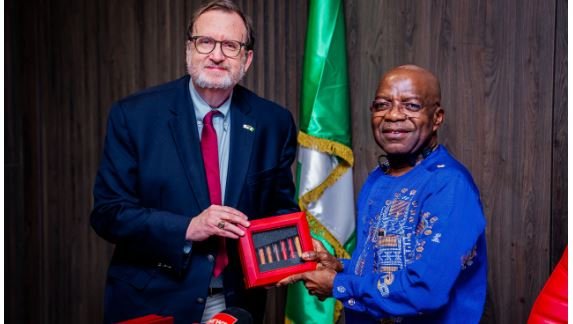
The United States Ambassador to Nigeria, Richard Mills, has identified Abia State as a hub of promising opportunities for American businesses and commercial engagement. Ambassador Mills made this assertion on Friday during a visit to Governor Alex Otti at his country home in Nvosi, Isialangwa South Local Government Area. “There are tremendous opportunities here for our businesses, for commercial interests, and for Nigeria as a whole,” Mills said. “Your administration’s focus on economic growth, youth empowerment, and transparent governance closely aligns with U.S. priorities. These are exactly the kinds of conditions American investors look for.” He commended Governor Otti’s leadership, describing it as a strong example of effective governance, particularly in infrastructure development and efforts to improve security in the state. “Your leadership has brought real, positive change to Abia. The transformation here demonstrates how good governance can impact the South-East and the country at large,” Mills added. The Ambassador said his visit aimed to explore further opportunities for U.S.-Abia collaboration in areas of mutual interest, including investment, governance, and development. In his remarks, Governor Otti welcomed the visit as a clear endorsement of his administration’s direction and reform efforts. “We consider your visit a strong vote of confidence. The U.S. government doesn’t often visit individual states, so we see this as a significant gesture,” Otti said. “Our focus is on partnerships rather than aid. We believe in creating value through collaboration. Abia is arguably the SME capital of Nigeria.” The governor highlighted ongoing reforms in healthcare, education, digital technology, waste management, and the support of small and medium enterprises (SMEs), adding that his administration remains open to international partnerships that drive sustainable growth. Governor Otti, who assumed office in March 2023 under the Labour Party platform, has prioritized transparency, infrastructure renewal, and investor-friendly policies aimed at positioning Abia as a key destination for both local and international investments. Under his leadership, the state has intensified efforts to attract foreign investors through improved security and a more conducive business environment. The United States remains one of Nigeria’s largest economic partners, with bilateral trade valued between $11 and $13 billion in 2023, according to U.S. government data. Governor Otti’s administration has also hosted delegations from international agencies and development partners, underscoring the state’s strategic push to grow its economy beyond federal allocations.