Author: James Obasi

James Obasi26 September 2025
italy-flag.jpg

1min3890
Italy’s antitrust authority has fined energy giant Eni and five other oil companies a combined sum of more than €936 million ($1.1 billion) for engaging in practices that restricted competition in the fuel market. According to the regulator, Eni, Esso, Ip, Q8, Saras, and Tamoil coordinated to fix the value of the bio component included in fuel prices, which tripled between 2019 and 2023. An investigation launched after a whistleblower’s report found that the companies carried out parallel price increases — often overlapping — as a result of direct or indirect information exchanges. The cartel, the authority noted, operated from January 1, 2020, until June 30, 2023.

James Obasi25 September 2025
Naira-Dollar.webp

1min4150
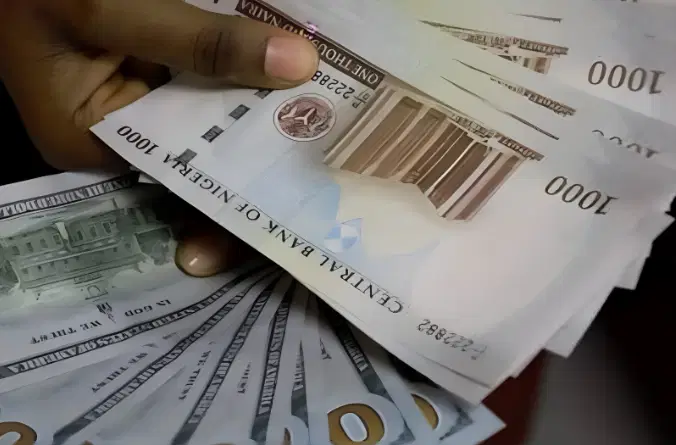
The naira yesterday strengthened to ₦1,515 per dollar in the parallel market, improving from ₦1,518 per dollar recorded on Tuesday. In the Nigerian Foreign Exchange Market (NFEM), the currency also appreciated, trading at ₦1,486.8 per dollar. According to data released by the Central Bank of Nigeria (CBN), the official exchange rate improved from ₦1,493.2 per dollar on Tuesday to ₦1,486.8 per dollar, reflecting a gain of ₦6.4 for the naira.

James Obasi25 September 2025
World-Bank.webp

4min2650
The World Bank has announced that seventeen African governments have pledged to implement reforms and actionable plans aimed at expanding electricity access under Mission 300, an ambitious partnership led by the Bank and the African Development Bank Group to connect 300 million Africans to power by 2030. In a statement on Wednesday, the Bank said governments from Benin, Botswana, Burundi, Cameroon, Comoros, the Republic of the Congo, Ethiopia, Gambia, Ghana, Guinea, Kenya, Lesotho, Mozambique, Namibia, São Tomé and Príncipe, Sierra Leone, and Togo endorsed National Energy Compacts during the Bloomberg Philanthropies Global Forum. The compacts, described as policy blueprints, are designed to guide public spending, drive reforms, and attract private investment, while also serving as a model for other regions. Nigeria was not part of this group, having joined earlier in the year alongside Chad, Côte d’Ivoire, Democratic Republic of Congo, Liberia, Madagascar, Malawi, Mauritania, Niger, Senegal, Tanzania, and Zambia. Collectively, those countries pledged over 400 policy actions to strengthen utilities, reduce investor risk, and eliminate bottlenecks. “Electricity is the bedrock of jobs, opportunity, and economic growth. That’s why Mission 300 is more than a target; it is forging enduring reforms that slash costs, strengthen utilities, and draw in private investment,” World Bank Group President Ajay Banga said. Since the initiative was launched, 30 million people have gained access to power, with another 100 million connections in progress. African Development Bank Group President Dr. Sidi Ould Tah emphasized the impact of reliable electricity, noting that it drives small and medium businesses, agro-processing, digital work, and industrial development. “Give a young entrepreneur power, and you’ve given them a paycheck,” he said. National Energy Compacts are at the heart of Mission 300. Developed and endorsed by participating governments with technical support from development partners, they integrate three key tracks: infrastructure, financing, and policy. The World Bank and the African Development Bank Group are working alongside the Rockefeller Foundation, Global Energy Alliance for People and Planet, Sustainable Energy for All, and the Bank’s Energy Sector Management Assistance Program trust fund, among others, to align efforts in support of powering Africa. Many development finance institutions are also contributing through co-financing and technical support. Leaders from the newly committed countries underscored the importance of the initiative. Botswana’s President, Duma Boko, described the compact as a pledge to provide accessible, reliable, and affordable energy to transform the economy and create jobs. Cameroon’s President, Paul Biya, reaffirmed commitment to renewable energy, inclusive access, and a low-carbon future. Comoros President, Azali Assoumani, said the compact represents a call to action for universal access to electricity by 2030. Ethiopian President, Taye Atske Selassie, highlighted Ethiopia’s resolve to leverage renewable resources and regional interconnections to foster inclusive growth and end energy poverty.


James Obasi24 September 2025
ee.webp

1min1460
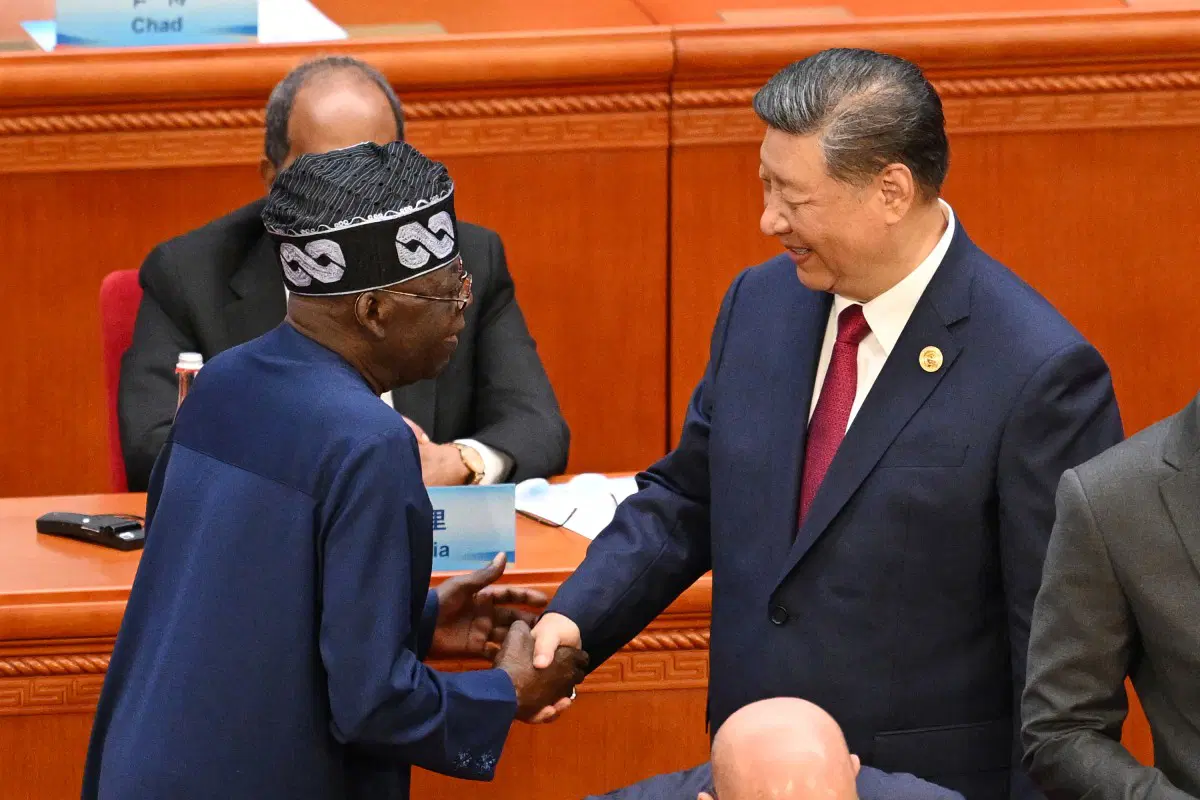
As China celebrated the 76th anniversary of the founding of the People’s Republic and 54 years of diplomatic relations with Nigeria, both nations reiterated their commitment to deepening bilateral ties. The reaffirmation came during a reception in Lagos, attended by Ms. Yan Yuqing, Chinese Consul General, and Hon. Jaafaru Yakubu, Chairman of Nigeria’s House Committee on China-Nigeria Relations. Hon. Yakubu praised the longstanding partnership, highlighting achievements in infrastructure, trade, technology, education, and cultural exchange. He emphasized Nigeria’s commitment to working with China to promote development, peace, and global stability, aligning with President Xi Jinping’s Global Governance Initiative (GGI). Ms. Yuqing noted that China-Nigeria trade reached $21.89 billion in 2024, with Nigeria ranking as China’s second-largest trading partner in Africa. She underscored the importance of people-to-people engagement and pledged continued cooperation based on mutual respect and shared goals, particularly under the Belt and Road Initiative. Both sides celebrated their historical bonds and pledged to continue fostering a future of shared prosperity.

James Obasi23 September 2025
ghastly-accident.jpg

3min2180
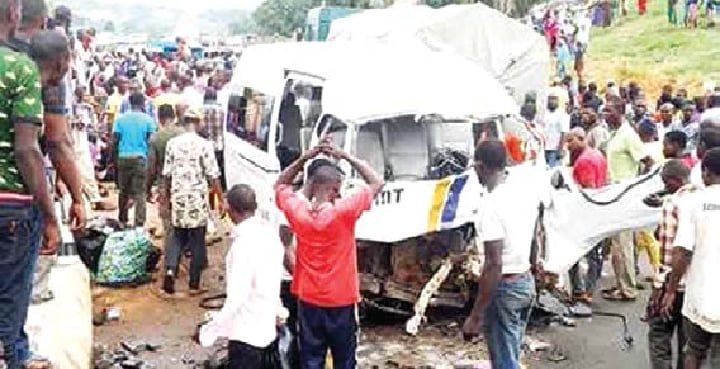
Senior physicians have underscored the importance of timely medical interventions for accident victims, warning that delays in accessing care significantly worsen outcomes. The experts noted that many victims die due to failure to receive medical attention within the first hour of injury—known as the “golden hour”—a critical window that often determines survival. According to the World Health Organisation, 1.35 million people lost their lives globally in 2016 from road traffic crashes, with millions more sustaining severe injuries and long-term complications. Road accidents remain the leading cause of death among young people, particularly those aged 15 to 29 years. A 2020 study published in the African Journal of Emergency Medicine further revealed that over 80% of Nigerians lack basic first aid skills, including cardiopulmonary resuscitation and bleeding control. Experts warn that in severe trauma, the first five minutes can be decisive in saving lives. Professor Mike Ogirima, a former President of the Nigerian Medical Association and an orthopaedic and trauma surgeon, stressed that the chances of survival are far higher when patients receive urgent care within the golden hour. “If you can get the patient within that first hour, the damage will be minimised subsequently. That is the essence,” he explained, adding that delays in treating crash victims increase both mortality and the risk of long-term disability. He likened the situation to stroke management, where failure to act quickly can result in irreversible brain damage and lifelong impairment. Dr. Abayomi Kolade, Chief Executive Officer of Wellane Health, attributed preventable deaths in Nigeria to the absence of functional ambulances, inadequate trauma centres, and a lack of emergency response skills among the public. “Medical emergencies and accidents happen with alarming frequency, yet many Nigerians are unequipped to respond effectively. Too often, people film with their phones rather than act, while hospitals sometimes turn away victims over documentation issues,” he said. Kolade urged policymakers to invest in emergency medical services, while also calling for public-private partnerships and re-education of communities to foster a culture of responsibility during emergencies. “Lives that could have been saved are tragically lost—not for lack of possibility, but for lack of preparation,” he warned.

James Obasi23 September 2025
visa-1280x1103.jpg

1min12980
The United States Mission in Nigeria has reiterated its commitment to the global fight against corruption, stressing that individuals engaged in corrupt practices, regardless of their influence or position, may be denied entry into the country. The Mission made this known on Monday through its official X (formerly Twitter) account. “Fighting corruption knows no borders or limits on accountability. Even when high-profile individuals engage in corruption, they can be barred from receiving US visas,” the post stated. In May 2023, the United States announced that it had taken steps to impose visa restrictions on individuals who disrupted Nigeria’s general elections. A statement published on the US State Department website quoted Secretary of State Antony Blinken as saying: “The United States is committed to supporting and advancing democracy in Nigeria and around the world. Today, I am announcing that we have taken steps to impose visa restrictions on specific individuals in Nigeria for undermining the democratic process during Nigeria’s 2023 elections cycle.”

James Obasi22 September 2025
Dangote-Refinery-Invests-N720bn-in-4000-CNG-Trucks-to-Cut-Fuel-Costs-Nationwide-2.jpg

3min4160
Bulk fuel buyers and filling stations are increasingly bypassing middlemen as Dangote Refinery begins its direct fuel distribution scheme with free delivery to end users. The President of the National Association of Road Transport Owners (NARTO), Yusuf Othman, raised concerns during a live programme on TVC News. He criticised the move, noting that many buyers had abandoned existing contracts with his members in favour of Dangote’s free delivery service. Othman explained that NARTO members operate about 30,000 trucks and cannot compete with free distribution. He warned that agreements signed with companies—some of which were used to secure bank loans for trucks—were now being undermined. “Agreements we signed with companies are being jeopardised because a bigger player has decided to supply directly, ignoring the contracts already in place. If I have 10 trucks serving a client under an agreement, and another party offers the same service for free, it places us in a very difficult position,” Othman said. He added that members were alarmed as their trucks risk being sidelined. He urged the Federal Government, particularly the Nigerian Midstream and Downstream Petroleum Regulatory Authority (NMDPRA), to step in, pointing to provisions in the Petroleum Industry Act that could classify the practice as unlawful. Although Othman later declined further comments, saying discussions were underway for possible negotiations, the impact of the new scheme is already visible. Previously, middlemen bought from refineries or depots before reselling to bulk users. The new Dangote arrangement, however, allows buyers to register directly and cut costs. The logistics-free distribution system was officially launched last Monday, with over 1,000 compressed natural gas-powered trucks slated for deployment to Lagos, Ogun, Ondo, Oyo, Osun, Ekiti, Edo, Delta, Rivers, Kwara, and Abuja. The rollout also came with reduced pump prices. Fuel is expected to sell at ₦841 per litre in Lagos and other South-West states, and ₦851 per litre in Abuja, Rivers, Delta, Edo, and Kwara. In a statement, Dangote Group confirmed that the first phase of deployment would focus on the Federal Capital Territory, Lagos, Kwara, Delta, Edo, Rivers, and the South-West, with nationwide expansion to follow. Marketers have already confirmed receiving deliveries. The National President of the Independent Petroleum Marketers Association of Nigeria (IPMAN), Abubakar Shettima, said Dangote’s CNG-powered trucks had begun discharging products in Lagos, Ondo, Ogun, and Ibadan. “My members are pleased with the development. Deliveries are ongoing, especially in the Western Zone, and prices will drop from ₦865 to ₦841 once the products arrive at the stations,” Shettima stated.

James Obasi22 September 2025
tinted-glass.png

2min5070
The Jigawa State Command of the Nigeria Police Force has announced that the nationwide enforcement of tinted glass permits will commence on October 2, 2025. This was disclosed in a statement issued by the Command’s Public Relations Officer, SP Shi’isu Adam, on Saturday in Dutse, the state capital. According to Adam, the online registration and application process is currently ongoing, and members of the public are encouraged to follow the step-by-step guide on posspap.gov.ng for a seamless application. He explained that applicants must create an account using their NIN, BVN, or TIN, verify their account via email, log in to select the Tinted Glass Permit service, and upload their vehicle details with the required documents. “Applicants should carefully confirm all details before submitting their requests and making payments as directed on the portal,” Adam stressed, urging accuracy to ensure faster processing. He added that after the application stage, vehicle inspection and fingerprint biometric capturing would be scheduled at designated Nigeria Police Force Intelligence Departments. For applicants in Jigawa, the biometric capturing will be conducted free of charge at the State Intelligence Department, Police Headquarters, Dutse. Adam also warned motorists against patronising unauthorised individuals seeking to exploit the permit process, noting that the initiative is designed to promote transparency and enhance road safety. The statement further urged cooperation from the public to ensure smooth enforcement, stressing that compliance with the directive would protect motorists legally and curb illegal window tinting. “Those intending to apply are advised to complete their registration ahead of the enforcement date,” Adam added.

James Obasi21 September 2025
aa-1.webp

4min4900
U.S. President Donald Trump has proposed a controversial new policy: a $100,000 annual fee per H-1B visa holder. If implemented, this move would place significant financial strain on American employers and could reshape how foreign talent especially Nigerians engage with the U.S. job market. For Nigerian students, tech professionals, and healthcare workers eyeing opportunities in the U.S., this policy could trigger wide-ranging ripple effects. Here are six key ways it may impact Nigerians: Remote Work Could Surge Faced with a steep $100,000 yearly cost per foreign hire, many U.S. companies may abandon traditional H-1B sponsorships in favor of remote-first models. This shift could open more opportunities for Nigerian tech professionals to work for U.S. firms from within Nigeria earning U.S. salaries without the need to relocate. Fewer On-Site and Entry-Level Roles for Foreign Workers Startups and small businesses already operating on tight budgets would likely avoid hiring entry-level foreign workers due to the added cost. As a result, on-site jobs in labs, offices, and factories may increasingly go to American citizens, making it tougher for recent Nigerian graduates to land their first U.S.-based role. Regional Tech Hubs May Emerge Abroad Instead of paying the hefty visa fee, many U.S. companies might open offices in talent-rich, lower-cost countries. Nations like India, China, and even Nigeria could see increased investment in local tech hubs. While this could generate more local opportunities for Nigerian professionals, it might also reduce pathways to physically relocate to the U.S. Healthcare Access Could Shrink Unlike tech companies that can pivot to remote models, the healthcare sector depends on physical presence. Nigerian nurses, doctors, and medical technologists many of whom help fill labor shortages in U.S. hospitals may face dwindling job offers, as hospitals struggle to justify the added visa costs. Nigeria’s Tech and AI Ecosystem May Benefit The policy might inadvertently drive growth in Nigeria’s startup scene. Talented individuals who would have moved to the U.S. may instead stay and build at home launching fintech, AI, and healthtech ventures. This could strengthen the local ecosystem and attract increased interest from global investors. Students May Look Beyond the U.S. For Nigerian students aiming to study in the U.S. and transition to work through the H-1B program, the new fee presents a major deterrent. Alternative destinations like Canada, the U.K., and Germany where post-study work pathways are more affordable and accessible may become more appealing. Bottom Line: If enacted, the proposed $100,000 H-1B visa fee would not only reshape U.S. hiring practices but also shift the global talent landscape. For Nigerians, the effects could be mixed limiting physical relocation to the U.S. but potentially unlocking new opportunities at home and through remote work.

James Obasi20 September 2025
bb-1280x720.jpg

1min6700
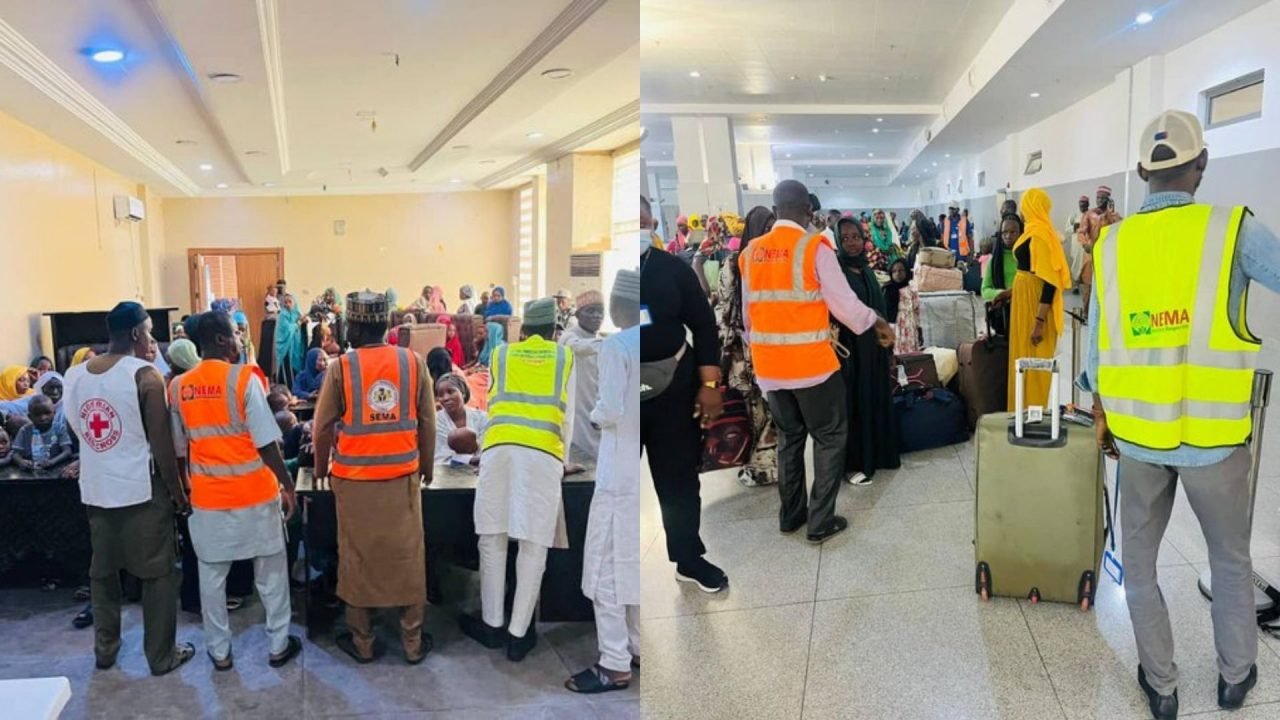
The National Emergency Management Agency (NEMA) has received 148 Nigerians repatriated from Sudan, arriving Friday at Malam Aminu Kano International Airport via a chartered Tarco Aviation flight. The group included 25 men, 27 women, 39 boys, and 57 girls. Upon arrival, they were taken to Chila Hotel for profiling and documentation. NEMA confirmed the returnees were not enrolled in a reintegration program but were given ATM cards with transport fare after processing. The agency described the operation as “well-coordinated and successfully executed.” The evacuation comes as conflict in Sudan continues to displace millions. The Federal Government, through NEMA and partners, is monitoring the situation and assisting affected Nigerians.