Author: James Obasi

James Obasi9 December 2025
aa-5.jpg

2min11370
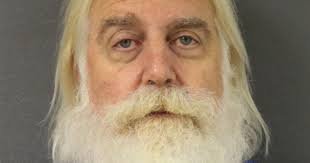
A 64-year-old man who worked as a professional Santa Claus in New Jersey has been arrested following allegations that he possessed and distributed child sexual abuse material, authorities said. The suspect, Mark Paulino of Hamilton Township, was taken into custody on Monday and charged with possession and distribution of child sexual abuse material, as well as endangering the welfare of a minor, according to reports. Mercer County officials stated that the investigation began on 4 December 2025, after detectives received intelligence about suspected uploads of illegal material from a residence in Hamilton Township. The inquiry subsequently led investigators to Paulino, a retired elementary school teacher. Police disclosed that Paulino had been presenting himself online as a former teacher and had recently worked as a “Santa for hire,” appearing at photo sessions and private, corporate, and organisational events a role that placed him in frequent contact with children. Due to the sensitive nature of the allegations and his regular access to minors through his work, detectives moved swiftly to obtain a search warrant. The warrant was executed on 5 December, during which officers seized several items of evidentiary interest. Paulino was arrested without incident. Prosecutors have filed a motion to have him held in custody pending trial, while investigations remain ongoing. Authorities have also appealed to the public to provide any relevant information.

James Obasi8 December 2025
aa-2.jpg

4min5480
Gani Adams, the Aare Onakakanfo of Yorubaland, has expressed strong support for the creation of state police, describing decentralised policing as a critical step in tackling Nigeria’s growing security challenges. Speaking during an interview on Channels Television’s Sunrise Daily, Adams said he fully aligns with the Southern Governors’ Forum’s renewed push for state-controlled police as part of broader reforms to the nation’s security architecture. He also commended South-West governors for taking the lead on the initiative. According to Adams, the current centralised policing system is no longer sufficient, especially in the face of rising insecurity. He argued that fears of political misuse by state governors should not override the urgent need to protect lives and property, which he described as the primary duty of any government. He noted that one of the major flaws in the present system is the deployment of officers who lack familiarity with the communities they are assigned to. Adams stressed that effective policing depends on personnel who understand the local terrain, history and culture of the people they serve. Using his hometown of Arigidi-Akoko in Ondo State as an example, Adams said local residents have deep knowledge of forest routes, community networks and individuals with criminal records, making them better positioned to provide timely intelligence and respond to threats. He maintained that Nigeria’s three-tier system of government cannot function effectively with only a centralised police structure. According to him, federal, state and local governments must each be empowered to establish and manage their own policing frameworks for security to be effective. Calls for the establishment of state police have intensified in recent months amid worsening insecurity across the country. The Southern Governors’ Forum, Nigeria Governors’ Forum, traditional rulers, civil society organisations and security experts have repeatedly urged the Federal Government to decentralise policing. Several state governors, particularly in the South-West, have argued that the Nigeria Police Force is overstretched and unable to respond quickly to local security challenges. Regional outfits such as Amotekun in the South-West and vigilante groups in parts of the North have also emerged as temporary measures, further deepening the debate over constitutional reforms to allow state-controlled policing. Adams’ remarks have added to growing pressure on the Federal Government to adopt decentralised policing as part of wider reforms to strengthen Nigeria’s security system. President Bola Tinubu recently urged the National Assembly to review existing laws to enable states to establish their own police forces. In a statement issued on November 26 by his spokesman, Bayo Onanuga, the President said his administration would support state governments that have set up security outfits to protect their people from terrorists and criminal elements.

James Obasi6 December 2025
aa-2.webp

6min6510
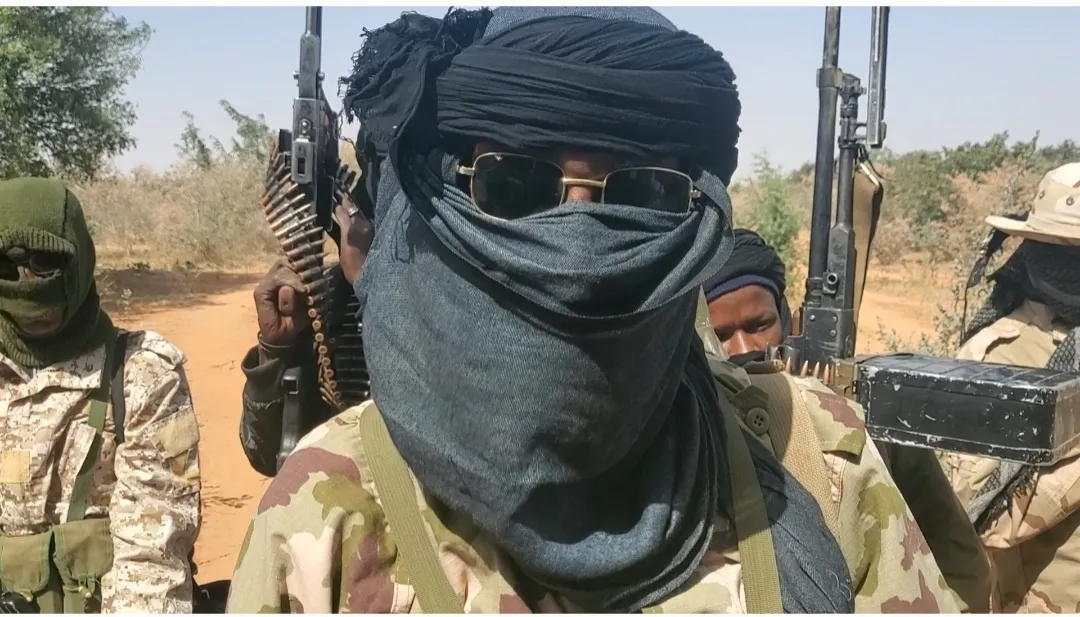
More than a decade after the 2014 abduction of over 200 Chibok schoolgirls an incident that drew global outrage Nigeria is again facing a wave of mass kidnappings on an unprecedented scale. Today, more than 7,000 citizens remain in captivity across at least seven states, as terrorist groups continue to unleash deadly attacks, sack communities, and abduct residents for ransom. Despite multiple military operations over the years, and even past international pressure such as former U.S. President Donald Trump’s warning to intervene over alleged religious persecution the violence has persisted. Thousands have been killed, many displaced to IDP camps, and countless others are still held in camps scattered across the northern region. From Sokoto to Zamfara, Niger to Kwara, Kaduna, Kogi, and Kano, men, women, children, farmers, students, and even traditional rulers have been abducted. Some have spent months in forest hideouts; others, years. What emerges from investigation is a stark portrait of a country where kidnapping has grown into a lucrative criminal industry and where paying ransom no longer guarantees release. Niger State: 376 Hostages Still in Captivity Niger State has witnessed a series of deadly attacks and mass abductions in recent months. At least 376 people are believed to still be held hostage. Recent incidents include: September 29: Passengers in two Toyota buses kidnapped along Zugurma–Ibbi Road. Multiple attacks in Mashegu and Shiroro LGAs, including the abduction of 42 people on November 15 and 24 farmers days later. The kidnapping of 315 pupils, students, and staff of St. Mary’s Catholic School in Agwara. Although 50 escaped, 265 remain in captivity. Even high-ranking officials have fallen victim: a serving commissioner kidnapped in September has not been released despite ransom payments. Kwara State: Monarch Among 12 Still Held In Kwara, at least 12 people, including the Oba Ojibara of Bayagan, remain in captivity. The monarch was abducted on his farm last weekend. Ten other residents kidnapped in Isapa are also still missing. Sokoto State: Over 500 Residents Held by Kidnappers Public affairs analyst Altine Guyawa reports that more than 500 residents are currently being held across 13 local government areas of Sokoto State. His breakdown shows: 260 victims in Goronyo, Sabon Birni, and Isa LGAs 36 hostages in Kware and Wurno 56 victims held in Rabah, Tureta, and Dange/Shuni 136 captives across Illela, Tangaza, Gudu, Binji, and Silame He also noted multiple terrorist camps inside Sububu Forest (Zamfara) and other locations run by notorious bandit commanders. According to him, the crisis reflects a near-total collapse of security in rural communities. Zamfara State: Over 6,000 Kidnap Victims in More Than 100 Camps Zamfara has become the epicenter of mass abductions, with community sources estimating more than 6,000 people still held across over 100 terrorist camps. Many victims have been detained for more than two years due to families’ inability to pay ransom. Others have been killed for failing to meet ransom demands even after payments were made. In July, 35 kidnap victims from Banga community were executed despite their families paying a ₦35 million ransom. Former hostage Ibrahim Sani Wuya, abducted in 2021, described spending seven months in captivity before regaining freedom after paying ₦5 million. He called on federal and state authorities to dismantle what he described as a “thriving kidnapping industry.” Kano State: 15 Victims Still Held In Kano’s Tsanyawa LGA, 15 people 13 women and 2 men remain in captivity following a series of weekend attacks that left an elderly woman dead. Bandits also raided communities in Shanono LGA, abducting about 10 more residents. None have been rescued. Kaduna State: Hostages Held for Months Although no official figure is available, recent reports indicate that several victims kidnapped as far back as June 2025 remain in terrorist camps within Rijana Forest and other parts of southern Kaduna. Kogi State: Many Still Missing Despite Rescue Operations Security forces in Kogi have rescued 13 victims in recent days, including recoveries by police, the Nigerian Army, and local hunters. However, many others such as members of the Cherubim and Seraphim Church in Ejiba, kidnapped during a Sunday service are still in captivity. Nigeria’s hostage crisis continues to escalate, deepening humanitarian suffering and raising fresh questions about the nation’s capacity to secure its territories. Communities across the affected states are calling for urgent, sustained government intervention before the situation deteriorates further.

James Obasi5 December 2025
aa.webp

5min9820
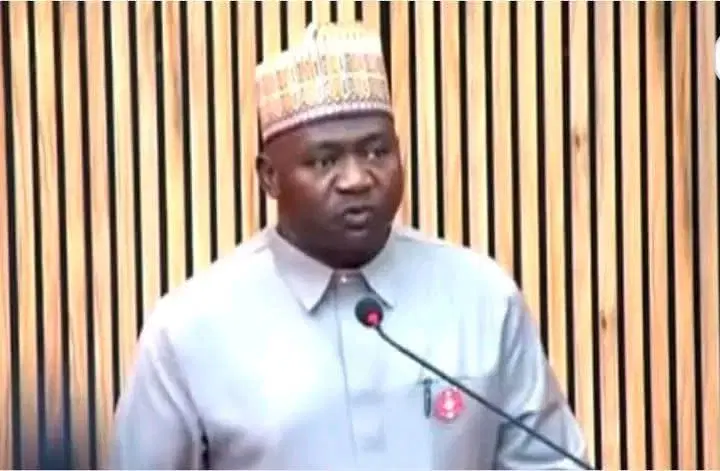
Nigeria’s National Security Adviser, Mallam Nuhu Ribadu, has warned that individuals or groups seeking to exploit communities, spread terror, or undermine national security will face firm and coordinated action. He vowed that the government remains determined to defeat terrorism and restore peace nationwide. Ribadu made the remarks yesterday in Abuja at a dialogue on the whole-of-society approach to preventing violence in Northern Nigeria, organised by the National Peace Committee, The Kukah Centre and the Office of the National Security Adviser. He noted that despite its many challenges, Nigeria remains resilient, revealing that the country has secured 775 convictions in terrorism-related cases. “Each conviction represents a life restored and a community stabilised,” he said, stressing that sustainable peace requires meaningful collaboration between government institutions, security agencies, communities and the judiciary. Ribadu added that Nigeria remains the only functioning democracy in the Sahel region, insisting that the state is fully committed to law, order and the protection of citizens. He urged religious and traditional leaders to continue offering moral support as security personnel work under difficult conditions. “We will defeat terror. We will restore order. We will not give up, and we will not surrender,” he declared. Local Dynamics Drive Insecurity — NSA The NSA emphasised that security challenges often stem from local issues, and urged traditional rulers, community leaders, and state governments to take stronger roles in early conflict resolution. “When communities can resolve disputes themselves, the need for military deployment drastically reduces,” he said. Tinubu Swears in Gen. Musa as Defence Minister President Bola Tinubu has sworn in General Christopher Musa (retd) as the new Minister of Defence, charging him to apply his operational experience and strategic expertise to strengthen Nigeria’s defence system. Tinubu emphasised inter-agency cooperation, procurement transparency, personnel welfare and continued operational reforms as key priorities. Senior government officials, including service chiefs and the NSA, expressed confidence that Musa’s appointment marks a new phase in Nigeria’s security management. Gen. Musa: I’ll Do Whatever It Takes to Secure Nigeria Speaking after taking the oath of office, Gen. Musa said his top priority is to reposition the defence architecture and strengthen synergy among security agencies and citizens. “My immediate priority is to ensure Defence takes its rightful place. Security is everybody’s responsibility,” he said. Promising swift results, he assured Nigerians that decisive action would be taken to restore safety: “I will work, whatever it takes, to ensure that Nigeria is secured. In the shortest possible time, Nigerians will see results.” ‘Flush Out Terrorists’ — Bishop Kukah Tells Defence Minister Bishop Matthew Hassan Kukah, who attended the ceremony, urged the new defence minister to eliminate the terrorist threat and restore normalcy across the country. He noted that President Tinubu appears committed to repositioning the security sector and expressed optimism that Musa is “the right man for the job.” Kwara Monarch Still in Captivity Meanwhile, the kidnapped monarch of Bayagan-Ile in Ifelodun LGA, Kwara State, Alhaji Rafiu Salami, remains in captivity five days after his abduction. Community spokesperson, Alhaji Rafiu Lawal, dismissed viral reports claiming that hunters had rescued the monarch. “I personally spoke with Kabiyesi on December 4, and he confirmed that he is still with his abductors,” he stated. The community says its priority remains raising the ransom demanded, as no significant support has reportedly come from state authorities. Five Abducted Rivers University Students Regain Freedom In a positive development, police in Rivers State have rescued the five Rivers State University students kidnapped on Tuesday from the RSU Satellite Campus in Emohua. The operation, carried out by tactical teams in collaboration with other security agencies and local support, took place in Rumuodogo 2, Emohua LGA. Police spokesperson Grace Iringe-Koko confirmed that the victims were rescued unharmed and taken for medical examination. She added that efforts are ongoing to apprehend the fleeing kidnappers.

James Obasi4 December 2025
beans-1-605x375-1.jpeg

6min7020
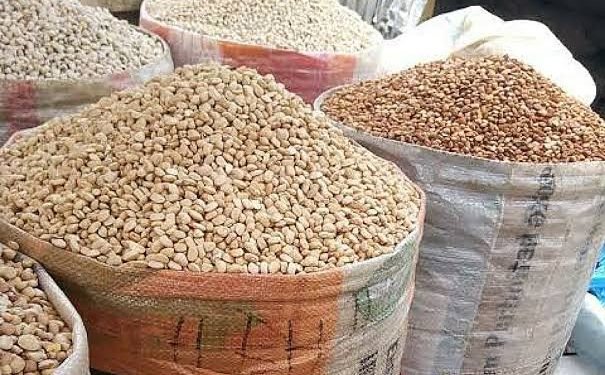
By Wale Akinselure Agricultural stakeholders have raised concerns that Nigeria continues to lose an estimated N543.75 billion ($362.5 million) in foreign exchange each year due to the ongoing ban on bean exports. The warning came during the two-day National Summit on Agroecology and Public-Private Partnerships on Agroecology, which concluded in Lagos on Tuesday. The European Union first imposed the ban in 2015, citing dangerously high levels of pesticide residues in Nigerian dried beans, which exceeded acceptable safety limits. The summit, organised by ActionAid Nigeria under its Strategic Partnerships for Agroecology and Climate Justice in West Africa, in collaboration with the Federal Ministry of Agriculture and Food Security, attracted over 300 participants both physically and virtually. In a communiqué read by Muhammed Rili, National Chairman of the Agricultural Development Projects Programme Managers’ Forum, the stakeholders emphasised that the export restriction has negatively affected Nigeria’s revenue, employment, and global market relevance. “Nigeria loses about N543.75 billion annually due to the beans export ban over the last eight years. Agroecology can help the country produce safe, high-quality agricultural produce for the global market. Every rejection of Nigerian produce is a direct loss to the economy and an increase in unemployment,” the communiqué stated. Rili was accompanied by Agricultural Development Programme managers, including Aderonke Toju of Lagos and Macaulay Koffi of Bayelsa, alongside Zainab Arah of the Small-Scale Women Farmers Organisation in Nigeria. The stakeholders highlighted that Nigeria’s food system is under severe pressure, facing climate shocks, rising production costs, land degradation, and growing vulnerabilities among women and youth farmers. They called for the adoption of agroecology—farming practices that promote ecological balance, biodiversity, and reduced chemical inputs—as a sustainable path to food security. “Nigeria’s food system faces intersecting crises that disproportionately affect smallholder farmers. Agroecology offers a scalable solution to rebuild soil health, strengthen livelihoods, and reduce dependence on synthetic chemicals,” the communiqué added. The summit further noted that agroecology offers multiple benefits, including climate resilience and reduced emissions, which should be quantified and incorporated into national development and climate policies. “Agroecology is not just an environmental necessity; it is an economic lifeline that Nigeria must prioritise,” the communiqué stated. The participants also expressed concern over health risks linked to pesticide use, citing global data showing that developing countries, including Nigeria, account for 99% of pesticide-related deaths despite using only 25% of the world’s pesticides. According to summit findings, 75% of smallholder women farmers surveyed in 2022 reported health issues such as respiratory distress, headaches, vomiting, and rashes from highly hazardous pesticides. Stakeholders urged the government to adopt a national food safety strategy that phases out toxic chemical pesticides, targeting a 50% reduction by 2030, 25% by 2040, and a maximum of 5% by 2050. Criticism was also directed at the 2025 federal budget, with participants noting that allocations for agroecology, biodiversity, and climate resilience were placed under the Office of the Secretary to the Government of the Federation rather than the agriculture and environment ministries, limiting effective coordination. Despite some increases in federal and state budgets for agroecology between 2020 and 2024, stakeholders said actual implementation remained weak, slowing the adoption of sustainable farming practices. They further noted that while Nigeria’s population continues to grow, agricultural land remains unchanged, highlighting the need for improved land-use technology and nutrient recycling. The summit recommended immediate reforms, including land tenure improvements, access to farmland for women and youth, increased funding for agroecology, establishment of community seed banks, and stronger extension services. Participants also emphasised the use of organic fertilisers and agroecological practices to improve farmer incomes and resilience in the face of climate change. Other recommendations included better pesticide legislation, increased agricultural research funding, support for organic fertilisers, and public-private partnerships to guarantee market access for agroecologically produced food. The event drew representatives from the House Committee on Agricultural Production and Services, the Federal Ministry of Agriculture and Food Security, ActionAid Nigeria, Small-Scale Women Farmers Organisation, Young Farmers in Nigeria, the All Farmers Association of Nigeria, Nigerian Agribusiness groups, and Agricultural Development Programme managers from all 36 states and the FCT.


James Obasi4 December 2025
EFCC-chairman-Ola-Olukayode.webp

4min4550
A Federal High Court sitting in Abuja has issued a formal warning to the Chairman of the Economic and Financial Crimes Commission (EFCC) over his alleged failure to comply with a judgment ordering the release of 27 properties earlier seized by the commission. The warning was conveyed through a Form 48, issued on Tuesday by the court registrar and personally addressed to the EFCC Chairman. The notice was sighted on Wednesday. In the notice, the court cautioned that failure to obey its ruling delivered on October 31, 2025, could expose the EFCC chairman to contempt proceedings. The judgment had directed the immediate release of the property documents to the lawful owners after the court found that the assets were wrongfully seized on the presumption that they were acquired with proceeds of crime. The Form 48 stated in part that despite being served with the court order, the EFCC had allegedly refused to release the documents as of December 2, 2025, thereby violating the lawful directive of the court. The notice warned that continued disobedience would amount to contempt. The 27 properties were initially placed under an interim forfeiture order obtained by the EFCC on March 13, 2025. The court had directed the commission to publicise the forfeiture order within 14 days for interested parties to show cause why the assets should not be permanently forfeited to the Federal Government. Following the publication, James Ikechukwu Okwete and his company, Jamec West African Limited, claimed ownership of 26 of the properties, while Adebukunola Iyabode Oladapo laid claim to one property located at No. 12, Fandriana Close, Wuse 2, Abuja. The claimants subsequently challenged the EFCC’s bid for final forfeiture. In her ruling on October 31, Justice Joyce Abdulmalik upheld the objections, dismissed the EFCC’s application for final forfeiture, vacated the interim forfeiture order, and directed the immediate release of the properties to their respective owners. The judge held that the affidavit presented by Okwete successfully established ownership of the contested assets. She also ruled in favour of Oladapo, noting that the EFCC raised no objection to her claim over the Wuse 2 property. Consequently, the court set aside the forfeiture order in its entirety and declared the EFCC’s application for final forfeiture spent. Meanwhile, counsel to Okwete and Jamec West African Limited, Serekowei Larry (SAN), has formally written to the EFCC chairman, accusing the commission of deliberately ignoring the court’s judgment. In a letter dated November 27, 2025, the senior lawyer stated that the judgment was served on the EFCC on November 14, but no action had been taken to comply. He further revealed that officials of the court’s Enforcement Unit visited the EFCC on November 26 to enforce the judgment, but were allegedly denied the release of the property documents. Larry described the refusal as a direct violation of the court order, stressing that openly disobeying court judgments undermines the principles of democracy and the rule of law. He added that his clients expected the commission to comply promptly before taking further legal steps.  

James Obasi3 December 2025
trump-adm-1280x720.avif

2min1770
The U.S. Department of Justice has dismissed eight immigration judges in New York City, the National Association of Immigration Judges (NAIJ) confirmed on Tuesday, amid heightened tensions as the Trump administration intensifies efforts against undocumented migrants. All eight judges were based at 26 Federal Plaza in Manhattan, which houses courts handling cases of migrants seeking to regularize their status. For months, masked federal officers have patrolled the hallways of the Jacob K. Javits Federal Building, sometimes arresting migrants as they leave hearings. Press coverage of these operations, including images of scuffles and family separations, has drawn international attention, making 26 Federal Plaza a focal point of the administration’s immigration crackdown. The reasons behind the dismissals remain unclear. Nationwide, roughly 90 immigration judges have been dismissed this year out of about 600, according to reports. Advocacy groups suggest the move may be intended to replace outgoing judges with appointees more aligned with the administration’s immigration policies. The dismissals follow a weekend incident in Manhattan, where several dozen people gathered to prevent a potential Immigration and Customs Enforcement (ICE) raid targeting street vendors. Several arrests were made during the event. New York City, which designates itself as a sanctuary city, limits cooperation between local authorities and federal immigration enforcement, though it does not block federal operations entirely.

James Obasi3 December 2025
aso-rockk.webp

8min3550
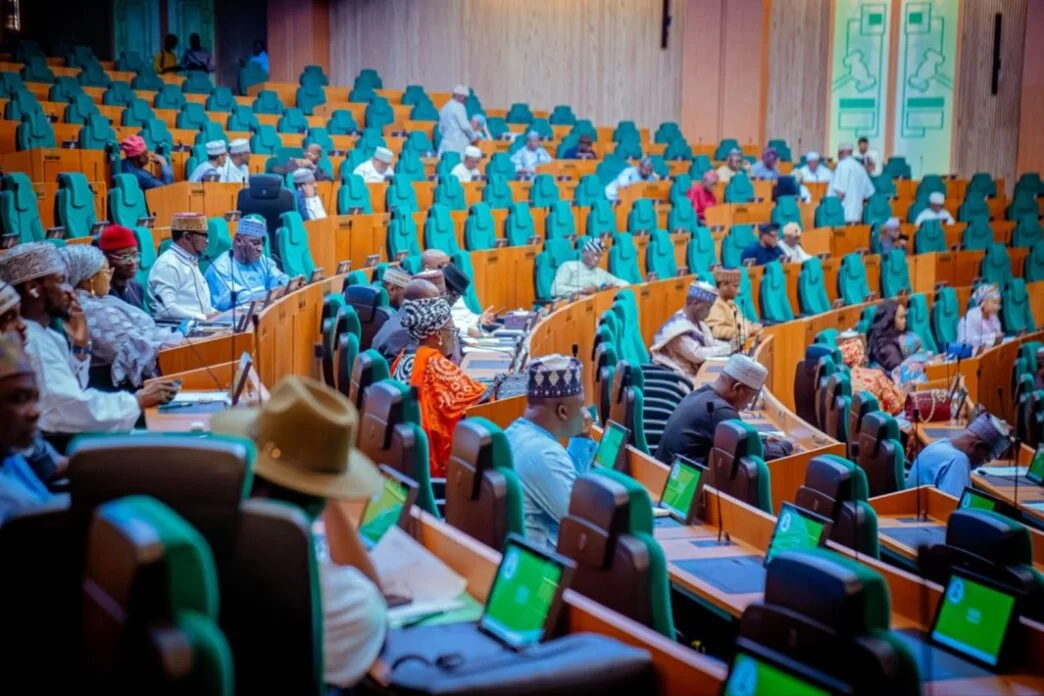
Committees of the United States Congress held a joint briefing on Tuesday in Washington, D.C., focusing on the continued kidnappings and reported persecution of Christians in Nigeria. The session followed President Donald Trump’s October 31 directive instructing the House Appropriations Committee to investigate what he described as the widespread killing of Christians in Nigeria and submit a report to the White House. In a related development, the Nigerian House of Representatives is scheduled to debate the nation’s security challenges on Wednesday (today). The congressional meeting, led by House Appropriations Vice Chair and National Security Subcommittee Chairman Mario Díaz-Balart, brought together members of the Appropriations and Foreign Affairs Committees alongside religious freedom experts. Attendees included Representatives Robert Aderholt, Riley Moore, Brian Mast, Chris Smith, USCIRF Chair Vicky Hartzler, Alliance Defending Freedom International’s Sean Nelson, and Dr. Ebenezer Obadare of the Council on Foreign Relations. Díaz-Balart opened the briefing by stressing that global religious freedom is “both a moral obligation and an essential American interest,” adding that no one should fear violence because of their faith. He reaffirmed his commitment to advancing policies that protect religious liberty and highlighted provisions already included in his FY26 funding bill. Aderholt described the situation in Nigeria as “a crisis that can’t be ignored,” emphasising the need for firm support for persecuted Christian communities. Moore linked the meeting to the administration’s recent redesignation of Nigeria as a Country of Particular Concern, warning that the world can no longer overlook the persecution of Christians. Mast framed the violence as a deliberate campaign of religious cleansing carried out by extremist groups seeking to drive Christians from their ancestral lands. He urged Nigerian authorities to disarm militias, resettle displaced families, and prosecute offenders. He also criticised what he described as authorities’ attempts to downplay the religious motivations behind the attacks, including the enforcement of blasphemy laws in some states. Obadare identified Boko Haram as the primary force behind the violence, calling jihadist extremism the most serious threat to Nigeria. He noted recent Nigerian military actions driven by renewed US pressure but called on Washington to sustain its leverage. He argued that US policy should focus on helping Nigeria defeat Boko Haram and pressuring President Tinubu to make Sharia law unconstitutional in states where it operates. Committee officials confirmed that a comprehensive report will be sent to President Trump with recommendations for addressing religious persecution in Nigeria and other regions. The briefing came amid deepening US–Nigeria security cooperation. President Bola Tinubu recently approved Nigeria’s delegation to the newly established US–Nigeria Joint Working Group, created to bolster counterterrorism operations, intelligence sharing, border protection, and civilian security coordination. At the session, House Foreign Affairs Africa Subcommittee Chairman Smith described Nigeria as “the ground zero of religious violence,” stating that Christians and moderate Muslims face constant danger. He criticised Nigerian authorities for what he called a culture of impunity. Expert witnesses highlighted ongoing kidnappings, forced conversions, and deadly attacks affecting multiple religious communities. Hartzler referenced recent abductions of schoolchildren and said religious freedom in Nigeria has worsened in 2025, urging stronger accountability from Nigerian authorities and improved use of US security assistance. Nelson recounted testimonies from Christian communities facing kidnappings and violence. On November 20, the US House Subcommittee on Africa held a public hearing to review Trump’s redesignation of Nigeria as a Country of Particular Concern—an action that could eventually result in sanctions for officials implicated in religious persecution. Meanwhile, Nigeria’s House of Representatives is expected to begin a debate on national security today. Deputy Speaker Benjamin Kalu announced this during Tuesday’s plenary. Bauchi lawmaker Mansur Soro also confirmed that the report on the state police bill will be presented this month. He noted that state assemblies have been asked to contribute to ongoing constitutional amendment proposals, including state policing, women’s reserved seats, fiscal federalism, and power devolution. Soro added that the state police bill has been adopted by the joint constitution review committees of both chambers. Once approved by two-thirds of state assemblies, it will be forwarded to the President for assent. Esan West/Esan Central/Igueben legislator Marcus Onobun reiterated his support for state policing, describing it as a national necessity due to evolving localised insecurity. He argued that state police would empower governors to address security challenges more effectively, provided that proper safeguards and oversight are in place. Public Accounts Committee Chairman Bamidele Salam also expressed support for state and local policing structures. Separately, President Tinubu met with Service Chiefs and heads of security agencies on Tuesday at the Presidential Villa in Abuja. The meeting came hours after he nominated former Chief of Defence Staff Gen. Christopher Musa (retd.) as Minister of Defence following the resignation of Abubakar Badaru. Senior military and security officials, including the heads of the Army, Air Force, Navy, Defence Intelligence, DSS, and Police, attended the briefing. Last week, Tinubu declared a nationwide security emergency after a surge in abductions, announcing measures such as recruiting 20,000 new police officers, deploying forest guards, and strengthening security in vulnerable religious institutions and schools. Abia State Governor Alex Otti was also seen arriving at the Presidential Villa, though it was unclear whether his visit was connected to the security meeting.

James Obasi2 December 2025
Parents-PRT-must-eat-nutrients-Jordan-Provost-hero-055-2a412c23ec9a4168ba8f04675bd5a5aa-1280x853.jpg

6min2000
As children grow, their bodies and brains require a steady supply of the right nutrients to stay healthy, active, and sharp. Many parents often wonder what makes up a balanced diet that supports proper development. Nutrition experts recommend offering a variety of foods from all major food groups to ensure children receive the fuel they need. The United Nations Children’s Fund (UNICEF), in a 2023 nutrition report, emphasized that good nutrition is critical for early childhood development and provides children with the opportunity to reach their full potential. The report highlighted the importance of investing in essential areas during the first years of life to improve lifelong health, nutrition, and well-being. Prof. Wasiu Afolabi, former President of the Nutrition Society of Nigeria, advises parents to provide meals that supply adequate protein, vitamins, and essential minerals. Children need well-rounded nutrition to grow both mentally and physically, he explains. “Children require not just energy, but also protein, vitamins, and minerals,” Afolabi says, cautioning that poor dietary choices can hinder growth and overall development. He encourages parents to prioritise variety in meals. “If a particular food is costly, there are usually alternatives that provide the same nutrients. Combining affordable local foods can ensure children get all the essential nutrients they need,” he adds. Nutritionists stress that no single food provides all necessary nutrients at once. A colourful, diverse plate is the most effective approach. Specially formulated growing-up milk, such as Peak 456, also contains several essential nutrients in the right amounts to support healthy growth. Below are 10 essential nutrients every child needs: 1. ProteinProtein builds strong muscles, bones, and a healthy brain. Sources include lean meats, fish, eggs, beans, and nuts. 2. CarbohydratesCarbohydrates provide the energy children need to run, jump, and play. Whole grains like whole-wheat bread, brown rice, and sweet potatoes are excellent choices. 3. Healthy fatsHealthy fats help absorb vitamins, build brain cells, and keep children full. Examples include avocados, fatty fish such as salmon, and nuts (in moderation). 4. CalciumCalcium supports strong bones and teeth. Sources include dairy products like growing-up milk and cheese, as well as leafy greens like kale and broccoli. 5. IronIron is essential for red blood cells, which carry oxygen throughout the body. Adequate iron keeps children energized and focused. Sources include lean meats, beans, lentils, and fortified cereals. 6. Vitamin AVitamin A supports vision and strengthens the immune system. Foods rich in vitamin A include sweet potatoes, carrots, spinach, and broccoli. 7. Vitamin CVitamin C aids wound healing and immune function. Citrus fruits such as oranges and grapefruits, bell peppers, and strawberries are excellent sources. 8. Vitamin DVitamin D helps the body absorb calcium for strong bones. Sunlight exposure, fatty fish, and fortified milk are good sources. 9. FibreFibre promotes a healthy digestive system. Whole grains, fruits, and vegetables provide essential fibre for smooth digestion. 10. PotassiumPotassium helps regulate fluid balance and supports proper muscle function. Sources include bananas, potatoes, and leafy greens. By providing these key nutrients through a varied and balanced diet, parents can help their children grow strong, healthy, and ready to reach their full potential.

James Obasi2 December 2025
Doctors-1.jpeg

6min1170
The warning was issued in a communique released after an Extraordinary National Executive Council meeting held on Monday. The document was signed by NARD President Dr. Mohammad Suleiman, Secretary-General Dr. Shuaibu Ibrahim, and Publicity and Social Secretary Dr. Abdulmajid Ibrahim. According to the communique, the association suspended its 29-day strike on Saturday following the signing of a Memorandum of Understanding with the government, which requires full implementation of key agreements within four weeks. NARD stated that the suspension is strictly to allow time to monitor progress, stressing that any failure to meet the commitments would result in the immediate return to a “total, indefinite, and comprehensive strike.” The NEC reviewed the status of multiple agreements reached with the government. It noted that the Integrated Personnel Payroll and Information System has processed payments for the seven-month arrears of the 25–35 percent CONMESS review up to December 2023, with outstanding failed or omitted payments to be reconciled. On the 2024 accoutrement allowance, NARD reported that most payments have been made, but reconciliation for pending cases is still required. The association stated that the committee handling the case of the five disengaged resident doctors at the Federal Teaching Hospital, Lokoja, has submitted its report, with full reinstatement expected within two weeks from November 27, 2025. Regarding prolonged work and call hours, the NEC confirmed that an advisory discouraging excessive duties has been issued, and a taskforce is working on a formal duty-hour policy expected within two months. To address manpower shortages and burnout, the Minister of Health has directed the Office of the Head of the Civil Service of the Federation to conclude the one-to-one replacement process, with feedback due by November 28, 2025. On promotion arrears, the NEC said the list of affected doctors will be sent to the Budget Office and the Ministry of Finance within one month. For House Officers’ Scheme of Service exclusion, the National Salaries, Incomes and Wages Commission is expected to transmit necessary details to the Medical and Dental Council of Nigeria for implementation. The association added that the Ministry of Health is mandated to ensure universal application of CONMESS across all relevant MDAs, while a corrected circular on professional allowances has already been issued. It also emphasized that Chief Medical Directors must standardize locum engagements with a minimum six-month duration. The communique reported progress on specialist allowances for resident doctors following an OHCSF directive, and confirmed that the issue of downgrading entry level from CONMESS 3 to 2 has been resolved. NARD further highlighted delays in the Collective Bargaining Agreement process and urged the Ministries of Health, Labour, and Employment to speed up action. The association stressed the need for immediate settlement of outstanding salaries and arrears in several federal hospitals, including Otukpo, Owo, Ilorin, OAUTHC, and Uyo. It also called for urgent intervention in state teaching hospitals, particularly at the Benue State University Teaching Hospital. On special pension benefits under the NMA MoU, NARD said communication has been forwarded to the PENCOM DG ahead of committee deliberations. The NEC noted that the government has acknowledged the worsening state of health infrastructure and obsolete medical equipment, while other MoU issues are being addressed at various stages. The association resolved that the reinstatement of the five disengaged doctors in Lokoja must be completed within two weeks, while outstanding arrears, allowances, and related payments must be processed and paid within one month. It also directed its Central Taskforce Committee to finalize duty-hour and locum policy reforms within two months. NARD concluded that strict monitoring of compliance will continue throughout the four-week suspension period, warning that failure to fully implement all agreements will trigger a total and indefinite strike. It further noted that state and federal health institutions with unresolved issues should continue industrial action until credible commitments are made and all outstanding agreements are addressed.