Author: Lifestyle & Wellness Desk

Nestoil-.jpeg

2min5620
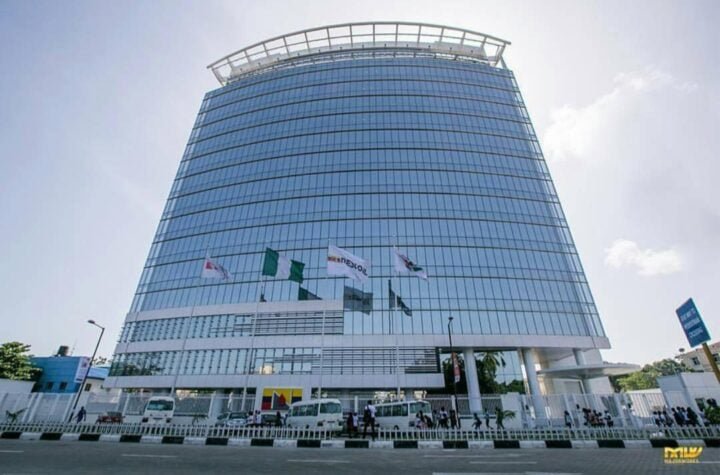
Police have sealed the corporate headquarters of Nestoil Limited in Lagos after the company was placed under receivership by a group of lenders over a reported $1 billion debt. A Federal High Court in Lagos, on October 22, 2025, issued a Mareva injunction authorising First Trustees and its subsidiary, FBNQuest Merchant Bank, to take control of Nestoil’s assets. Presiding Judge D. I. Dipeolu granted the order against Nestoil Limited, its affiliate Neconde Energy Limited, and the company’s principal promoters, Ernest Azudialu-Obiejesi and Nnenna Obiejesi. The financial institutions were empowered to seize the defendants’ assets pending the substantive hearing in November 2025. The court also restricted dealings in funds amounting to $1,012,608,386.91 and ₦430,014,064,380.77 — the total indebtedness as of September 30, 2025. Additional debts personally guaranteed by Azudialu-Obiejesi include more than ₦366.8 billion, $61.2 million, $152 million, and ₦10.4 billion. Responding to the development, the Nestoil Group said the issue concerns a commercial dispute currently before the court and is being handled through appropriate legal and regulatory processes. “The Group continues to work closely with relevant authorities and financial partners to resolve outstanding issues transparently and responsibly. Constructive discussions are underway, and we remain confident in reaching a fair and lasting resolution,” the company stated. It further assured that Nestoil remains fully operational across all business lines, with projects in oil, gas, power, and infrastructure continuing without disruption. The company added that proactive steps have been taken to protect its workforce, sustain operations, and meet obligations to clients and partners.
Gas-Nigeria.webp

5min4180
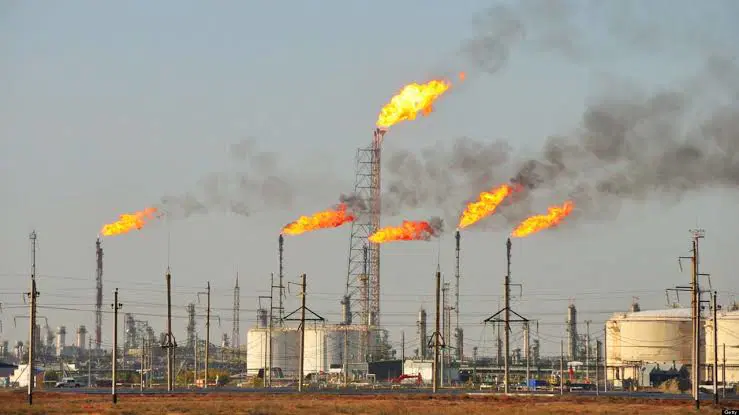
Nigeria’s plan to power homes and industries using its vast gas reserves is facing serious challenges as gas flaring rises amid worsening electricity shortages. Recent data from the Nigerian Upstream Petroleum Regulatory Commission (NUPRC) revealed that gas flaring rose by 10 percent in September 2025, reaching 16.679 million standard cubic feet (mmscf), compared to 15.057 mmscf in August. This represents 8.72 percent of the country’s total gas output for the month, up from 6.87 percent in the previous month. On a yearly basis, gas flaring increased by 7 percent, with a nine-month cumulative total of 150,028.86 mmscf—valued at about $451 million—enough to generate 10–50 megawatts of power. The situation highlights the widening gap between gas supply and power generation. Despite producing over 190,000 mmscf of gas monthly, much of it is wasted due to poor infrastructure, inadequate processing facilities, and disruptions in crude oil production. Falling crude output has further reduced the supply of associated gas, worsening the problem. Oil production dropped from 1.71 million barrels per day (bpd) in July to 1.63 million and 1.58 million bpd in August and September 2025, respectively. Power generation companies (GenCos) have stated they can produce up to 8,000MW if gas is adequately supplied, but the transmission grid struggles to transmit more than 5,000MW due to limited gas availability. “We are not a priority. With consistent payment and regular gas supply, we can easily increase generation to 8,000MW,” said Dr. Joy Ogali, CEO of the Association of Power Generation Companies (APGC). Many industries, faced with unreliable power supply, have resorted to self-generation using private gas plants. Major firms such as Dangote Group, NNPC Limited, Chevron, TotalEnergies, Guinness Nigeria, and MTN now rely on independent power sources, a move analysts say increases production costs and undermines competitiveness. The Lagos Chamber of Commerce and Industry (LCCI) warned that the decline in gas output poses economic risks. Its Director-General, Dr. Chinyere Almona, linked the drop to vandalism, equipment downtime, and supply disruptions, adding that “Nigeria’s transition to cleaner, gas-based energy is being threatened.” She urged the government to strengthen investment in pipelines, processing plants, and pricing frameworks to attract investors. Despite these challenges, the federal government has maintained its commitment to the “Decade of Gas” initiative, launched in 2021 to turn Nigeria into a gas-driven economy by 2030. The plan targets large-scale investments in pipelines, LNG facilities, and processing plants to reduce flaring and expand gas-to-power projects. NUPRC reported that since the Petroleum Industry Act (PIA) took effect, more than 25 non-associated gas field development plans have attracted over $4.9 billion in investments, unlocking about 9,790 billion standard cubic feet (bscf) in reserves. However, gas flaring remains high, suggesting that new investments have yet to yield significant improvements in utilisation. The Commission highlighted that past petroleum contracts prioritised oil over gas, discouraging investment in gas development. New agreements—such as the revised Production Sharing Contract (PSC) between NNPC Limited and TotalEnergies—now include improved profit-sharing and cost recovery terms aimed at promoting gas monetisation for domestic power generation, industrial use, and exports. According to the NUPRC, these new PSCs represent a shift in Nigeria’s energy policy, designed to make gas development commercially attractive and to support the nation’s long-term energy security and industrial growth.

Imo-State.jpg

4min5120
Traditional leaders in Oguta, located in the Oguta Local Government Area of Imo State, have officially abolished the long-standing outcaste (Ohu) system, marking a major step toward ending discrimination and social stigma in the community. The Ohu and Osu caste practices, which had for generations classified certain families as inferior and barred them from marrying or holding traditional titles, had caused deep divisions and resentment among residents. Announcing the historic decision on Sunday, Chief Nduka Oduenyi, the Ogana (spokesman/assistant) to the traditional ruler of Oguta, Eze Nnani Eze-Eyiche, said the move followed the relentless efforts of the Oguta Ohu Eradication Dialogue Group (OOEDG), a coalition of prominent indigenes of the community. According to Oduenyi, the abolition was the result of sustained advocacy, dialogue, and collaboration among community leaders, professionals, religious figures, and traditional title holders. He declared, “The Ohu caste system — long seen as discriminatory and demeaning — no longer exists in Oguta. This marks a new era of unity and equality for our people. For years, this practice divided families, created stigma, and denied people their dignity.” He further explained that the abolition now allows all sons and daughters of Oguta to intermarry freely, without fear of discrimination or exclusion. Chief Mike Ogbonna, chairman of the OOEDG, expressed joy at the landmark development, noting that the effort involved both those in the diaspora and at home. He said, “This victory took years of persistence. The outcaste system has broken hearts, caused suicides, and denied people basic rights. As enlightened citizens, we knew it had no place in this century. Ending it is one of the greatest achievements for our generation.” A Catholic priest and member of the group, Prof. Lawrence Okwuosa, praised the decision, stating that the proclamation had finally brought equality to every indigene of Oguta. “With this declaration, all forms of caste distinction are gone. Every Oguta son and daughter is now free, equal before God and man, and fully integrated into community life,” he said. Prof. Okwuosa also urged other traditional rulers across Igboland to emulate Oguta’s example and end similar caste systems that have perpetuated division for generations. The public declaration was witnessed by representatives of the Catholic Archbishop of Owerri, Lucius Ugorji; the Anglican Bishop of Oguta Diocese, Bishop Chijoke Otti; various religious leaders; traditional title holders; and distinguished indigenes from within and outside the country.

NDLEA-2.jpg

5min1830
The National Drug Law Enforcement Agency (NDLEA) has announced the arrest of a Lagos-based music artist, Godspower George Osahenrumwen, popularly known as Steady Boy, for allegedly attempting to collect a shipment of illicit drugs smuggled from the United States on behalf of his manager in the Lekki area of Lagos. The agency also uncovered an illegal drug production laboratory located in the Ajao Estate area of the state. NDLEA spokesperson, Femi Babafemi, disclosed this in a statement issued on Sunday. According to the statement, Steady Boy was apprehended after operatives intercepted a large consignment of Loud (a potent strain of cannabis) hidden inside three cartons of bathtubs at the import section of the Murtala Muhammed International Airport, Lagos. The shipment had arrived from the United States via a DHL flight on Tuesday. “The 20-year-old artist was arrested at Bougain Villa, Primewater Gardens 2, Freedom Way, Lekki, Lagos, when he appeared to take delivery of 140 bags of Loud weighing 77.20kg on behalf of a syndicate that includes his manager, Zion Osazee Omigie, also known as Zee Money, who is currently on the run,” the statement said. Babafemi explained that after months of surveillance linked to an earlier interception of a batch of Colos (Colorado), NDLEA operatives uncovered a secret laboratory where the drug was being produced in large quantities. The suspected owner of the facility was arrested. From the laboratory, officers recovered “freshly processed Colos weighing 16.2kg, 1.7kg of ADB-CHMNACA Cannabinol, 4.5kg of Potassium Carbonate, and 91 litres of Dibromobutane.” In a separate operation in Mushin, Lagos, NDLEA operatives raided the residence of a 28-year-old drug dealer, Afeez Salisu, also known as Malu, where they seized 16 blocks of Ghana Loud and designer sachets and bottles of Colorado weighing 16.4kg. Across other states, the NDLEA made several major interceptions: In Kaduna, officers stopped a consignment of 84,710 capsules of Tramadol on the Abuja–Jos highway and later arrested the intended recipient, Musa Abdulkarim, in Bauchi. Another suspect, Hamza Musa, was caught transporting 32,946 bottles of Akuskura, a new psychoactive substance, from Lagos to Kaduna. Three men — Seun Olaniyi, Rauf Asogba, and Ayinla Adeniyi — were arrested in Abeokuta, Ogun State, with 1,779kg of skunk after being tracked from Benin Republic. In Bauchi, one Jamilu Mustapha was arrested, while in Kwara, over 532,000 pills of Tramadol and Exol-5 were seized from three suspects. Edo State officers intercepted two vehicles carrying 1,455kg of skunk, and in Ondo, 2,829kg of the same substance was recovered from locations in Ogbese and Akure. In Badagry, Lagos, 76.5 litres of skuchies were recovered, while in Taraba, officers seized 30,370 pills of Tramadol and 177 grammes of methamphetamine from two couriers heading to Adamawa. Commending NDLEA officers for their continued efforts, the agency’s Chairman and Chief Executive, Brig. Gen. Mohamed Buba Marwa (Retd.), vowed that the NDLEA would persist in dismantling drug syndicates across the country. He reaffirmed the agency’s commitment to sustaining its nationwide operations against drug trafficking, which have already led to thousands of arrests, convictions, and significant drug seizures in recent years.

fg.webp

4min1220
The Federal Ministry of Health and Social Welfare has condemned the abduction of Dr. Tochukwu Mbanugo, a consultant neurosurgeon with the Nnamdi Azikiwe University Teaching Hospital (NAUTH), Anambra State, who was kidnapped by gunmen shortly after performing a life-saving brain surgery. Dr. Mbanugo was reportedly attacked around Omatha Junction, Uruagu, Nnewi, on Thursday, October 30, while returning home after completing multiple complex surgical procedures. The incident has sparked outrage within the medical community, with the Nigeria Medical Association (NMA), Anambra State branch, threatening to embark on a strike if the doctor is not released within 72 hours. In a statement signed by the Minister of State for Health, Dr. Iziaq Salako, the ministry described the abduction as a grave assault on the nation’s health security and the well-being of its citizens. “Earlier that day, Dr. Mbanugo had carried out several critical neurosurgical operations, including the removal of a complex brain tumour. His abduction occurred just as he was returning home after dedicating his day to saving lives,” Salako said. He added that the abductors later contacted the doctor’s colleagues through his phone. Salako expressed deep concern over the incident, noting that Nigeria’s already limited number of neurosurgeons makes the loss or endangerment of any specialist a national crisis. “Nigeria has fewer than 150 practising neurosurgeons serving over 220 million people — a far cry from the WHO’s recommendation of one neurosurgeon per 100,000 population. This makes every specialist doctor invaluable,” he stated. He further stressed that the government “strongly condemns all forms of violence against healthcare workers,” describing them as national assets who deserve protection and respect. According to the minister, security agencies, including the Anambra State Police Command, Department of State Services, and the Anti-Kidnapping Squad, have been mobilised and are working with NAUTH management, the NMA, and other stakeholders to ensure Dr. Mbanugo’s safe release. “The Federal Government calls on the Anambra State Government and all relevant security agencies to intensify efforts toward locating Dr. Mbanugo and securing his immediate and unconditional release,” Salako urged. He extended sympathy to the victim’s family, colleagues, and the medical community, reaffirming the government’s commitment to improving the safety and welfare of health professionals across the country.

aa-1.jpg

2min4450
President Bola Tinubu is set to meet with his U.S. counterpart, Donald Trump, in the coming days to discuss allegations of a “Christian genocide” in Nigeria, according to the Presidency. In a statement on Friday, Daniel Bwala, Special Adviser to the President on Policy Communication, confirmed the planned meeting, saying both leaders share a commitment to combating insurgency and terrorism. “Presidents Bola Tinubu and Donald Trump have a shared interest in fighting insurgency and all forms of terrorism against humanity,” Bwala said. He explained that the meeting could be held either at the State House in Abuja or at the White House in Washington, depending on diplomatic and scheduling arrangements. The announcement comes after Trump recently accused the Nigerian government of failing to prevent attacks on Christians remarks that have sparked strong reactions both within Nigeria and internationally. Trump also warned that the United States could cut aid or consider military action if the alleged persecution continues. Bwala, however, defended the Nigerian government’s record, stressing that the Tinubu administration has intensified efforts to tackle insecurity nationwide. “President Trump supported Nigeria by authorizing arms sales to help in the fight against terrorism. President Tinubu has made effective use of that support, and the results are evident,” he said. Addressing ongoing debates about whether terrorist attacks in Nigeria specifically target Christians, Bwala said any differences in perception would be clarified during the talks. “If there are differences over whether terrorists in Nigeria target only Christians or people of all faiths, such matters will be discussed and resolved when both leaders meet,” he added. Trump’s renewed focus on Nigeria follows mounting pressure from U.S. lawmakers, including Riley Moore, who accused the Nigerian government of tolerating “systematic persecution and slaughter of Christians” and urged Washington to restore Nigeria’s designation as a Country of Particular Concern (CPC).

aa-4.jpeg

3min2540
The Nigeria Social Insurance Trust Fund (NSITF) says its investment strategy is guided by prudence, transparency, and a preference for low-risk ventures that protect workers’ contributions. Managing Director of the Fund, Mr. Oluwaseun Faleye, stated this in an interview with the News Agency of Nigeria (NAN) on Sunday in Abuja. He explained that the NSITF, which administers the Employees’ Compensation Scheme (ECS), ensures that employees receive social insurance benefits for work-related injuries, diseases, disabilities, or death. Funded by employer contributions, the scheme also promotes workplace safety and welfare. Faleye noted that the Fund prioritises security over profit, investing mainly in government-backed instruments such as treasury bills and bonds. “The law permits NSITF to invest only in safe securities to protect contributors’ money. Our investment appetite is strictly low-risk prudence comes before profit in all our decisions,” he said. He added that although the Fund had previously invested in real estate, recent focus has been on safer, low-risk portfolios to ensure sustainability. Faleye emphasised that all investment decisions are subject to rigorous internal review and board approval to ensure accountability and transparency. “Every investment proposal goes through due process. These funds are meant to compensate workers in the event of accidents, so we handle them with utmost care,” he said. According to him, the NSITF also prioritises prompt payment of claims, workplace safety advocacy, and strengthening social protection for Nigerian workers. He explained that under the Employees’ Compensation Act (ECA) 2010, employers are mandated to contribute one per cent of their total payroll to the Fund. “The one per cent contribution is sufficient if all employers comply. The goal is not to increase the rate but to widen coverage,” Faleye said. He expressed optimism that all workers in both the public and private sectors would eventually be covered under the ECS, and commended President Bola Tinubu’s administration for ensuring full compliance for treasury-funded federal workers. “When workers know their welfare is protected, they’re motivated to perform better that’s the true essence of social protection,” he added. Faleye said the Fund plans to explore a data-driven model in the future to adjust contribution rates based on industry risk levels while maintaining its focus on safeguarding Nigerian workers’ welfare. (NAN)

aa-3.jpeg

2min1840
The Joint Admissions and Matriculation Board (JAMB) has identified a total of 2,658 admissions conducted during the 2024/2025 academic session as illegal. According to data from the board’s institutional analysis obtained on Friday in Abuja, the flagged admissions were traced to 17 universities, polytechnics, and colleges of education across the country. This comes as public universities concluded their admission processes for the 2025/2026 academic session on Friday. The breakdown of affected institutions shows that Abubakar Tafawa Balewa University accounted for 1,847 illegal admissions, followed by Osun State University with 492, Abubakar Tafari Ali Polytechnic with 148, and the Federal College of Animal and Health Production with 66. Others include the University of Calabar (28), College of Education, Oro (12), Michael and Cecilia Ibru University (12), Redeemer’s University (five), Pan-Atlantic University (five), Nigerian Army College of Education (two), Kwara State Polytechnic (one), and Best Solution Polytechnic (one), among others. JAMB classifies any admission processed outside its Central Admissions Processing System (CAPS) as illegal. The board has repeatedly warned institutions and candidates against conducting or accepting admissions outside the CAPS platform. At the 2025 Policy Meeting on Admissions, the Minister of Education, Dr. Tunji Alausa, cautioned that institutions involved in such illegal admissions would face severe sanctions, including the withdrawal of accreditation and disciplinary action against culpable officials. Introduced in 2017, the CAPS system was designed to promote transparency, fairness, and merit-based admissions. It allows candidates to monitor their admission status, accept or reject offers, and verify authenticity directly through the platform. JAMB has also warned that students who accept admissions outside CAPS risk being ineligible for the National Youth Service Corps (NYSC) programme.

aa-2.jpeg

4min9140
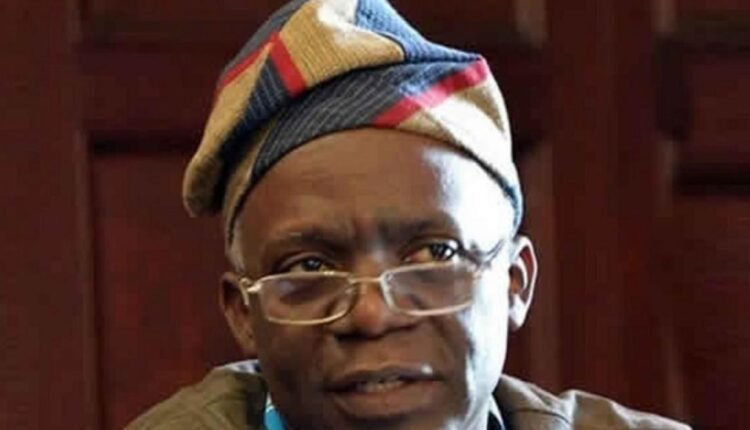
Human rights lawyer and Senior Advocate of Nigeria (SAN), Femi Falana, has condemned the recent wave of demolitions in Lagos and Abuja, describing the actions as unconstitutional, illegal, and a blatant violation of citizens’ rights to property. Speaking on The Morning Show on Arise News, Falana said neither governors nor ministers have the constitutional authority to unilaterally order the demolition of buildings, regardless of alleged infractions. “Under our constitutional arrangement, no governor or minister has the power to wake up one morning and order that someone’s house be demolished. Due process must be followed statutory notices must be issued, complaints heard, and a competent tribunal or court must decide before any demolition takes place,” he said. Falana cited Section 43 of the 1999 Constitution, which guarantees every Nigerian the right to acquire and own property anywhere in the country, and Article 14 of the African Charter on Human and Peoples’ Rights, which reinforces this protection. “The provisions of Chapter Four of the Constitution are sacrosanct. They cannot be breached under any guise not even by ministers or governors claiming to restore order,” he stated. The senior advocate condemned the ongoing demolitions in the Federal Capital Territory ordered by FCT Minister Nyesom Wike and the midnight demolition of parts of Oworonshoki in Lagos, describing both as “acts of executive lawlessness.” He alleged that in Abuja, the legally established Urban and Regional Planning Tribunal had been bypassed, while in Lagos, a valid court order restraining the demolition was ignored. “Our law firm obtained an order from the High Court stopping the demolition in Oworonshoki. The order was served on the government, yet, in the dead of night, bulldozers moved in. That is a clear case of contempt of court,” Falana said. He vowed that affected residents would seek justice, recalling previous court rulings where victims of unlawful demolitions were awarded compensation. “In Abuja, the court recently awarded ₦200 million against the FCT for illegal demolition. In Lagos, ₦3.5 billion was awarded for the Makoko demolitions. The victims will get justice again,” he added. Lamenting the current state of governance, Falana said some civilian officials have become more reckless than military rulers. “Even under the military, the courts insisted that due process must be followed. What we are seeing now is worse. You cannot demolish people’s homes while they are asleep, tear-gas their houses, and claim to be enforcing the law. We are not in Gaza,” he declared. Falana also reacted to the recent controversy surrounding the Presidential Committee on Prerogative of Mercy, chaired by the Attorney-General of the Federation, describing the inclusion of ineligible names in the presidential pardon list as a “national embarrassment.” “Those who recommended unqualified persons for pardon should face sanctions. It is not enough to quietly withdraw the names. The Attorney-General owes the nation an apology for this colossal embarrassment,” he said. Despite doubts about enforcement, Falana reaffirmed his commitment to pursuing justice through the courts. “Whenever victims of injustice come to us, we do not turn them away. We will ensure justice is done, even if the heavens fall. Nobody is above the law in this country,” he vowed.

Fuel-Subsidy-2.jpg

3min2660
Chairman of the Presidential Committee on Fiscal Policy and Tax Reforms, Mr. Taiwo Oyedele, has clarified that the proposed 5% fuel surcharge will not be implemented until key economic indicators improve — specifically, a stronger naira or a drop in global crude oil prices. Speaking at the Haulage and Logistics Magazine Conference & Exhibition in Lagos on Thursday, Oyedele explained that although the policy is well-intentioned and aimed at funding road maintenance, introducing it now would place additional pressure on Nigerians already facing economic hardship. He noted that the fuel surcharge was first introduced during the administration of former President Olusegun Obasanjo to allocate part of fuel revenue for road repairs — with 40% designated for federal roads and 60% for state and local government roads. “It’s a brilliant idea and is already operational in over 150 countries,” he said, pointing out that most of Nigeria’s 200,000 kilometres of roads remain in poor condition. Oyedele further revealed that while the Federal Roads Maintenance Agency (FERMA) had requested approval to begin collecting the levy following fuel subsidy removal, the committee declined. “We said no — implementing such a tax now would be insensitive,” he stressed. He added that although the surcharge has been included in the draft tax law, it will only take effect upon a formal order from the Minister of Finance. “The right time would be when the naira gains strength or crude prices decline so that the surcharge doesn’t increase pump prices,” he explained. The tax reform chairman also assured stakeholders that ongoing fiscal reforms would bring substantial relief to the haulage and logistics sector by eliminating multiple taxation, reducing operating costs, and improving transparency. “We are not introducing new taxes; we’re eliminating redundant ones that burden transporters and inflate prices,” he said. According to him, under the new framework, small transport and logistics businesses with annual revenue below ₦100 million will be exempted from company income tax, while qualified operators will enjoy VAT refunds and other incentives. Oyedele concluded that the reforms aim to simplify Nigeria’s complex tax structure and ensure fair, transparent distribution of revenue across all tiers of government.