
Author: Lifestyle & Wellness Desk

eu.jpeg

4min5200
The European Union has reiterated its respect for Nigeria’s sovereignty, emphasizing that its partnership with the country remains rooted in mutual cooperation, peacebuilding, and the promotion of human rights — not external influence. EU Ambassador to Nigeria and ECOWAS, Gautier Mignot, made this known on Tuesday in Lagos during an interview with the News Agency of Nigeria (NAN), clarifying the EU’s position following recent comments by former U.S. President Donald Trump regarding Nigeria. Mignot explained that the EU’s stance is shaped by its enduring relationship with Nigeria and not by the opinions of other nations. “Our position is one of solidarity with Nigeria — with the victims of violence, with authorities working to safeguard lives, and with the Nigerian people who aspire to peaceful coexistence beyond ethnic and religious divides,” he said. He reaffirmed that the EU and its member states fully respect Nigeria’s sovereignty and its constitutional commitment to religious neutrality. According to him, the Union is ready to strengthen its cooperation with Nigeria in areas of peace, security, defence, and dialogue involving civil society, traditional, and religious leaders. Mignot added that the EU continues to support peacebuilding programmes across the country, including deradicalisation, demobilisation, and reintegration initiatives for former members of armed groups in the North-East. He further emphasized the EU’s dedication to protecting all communities, particularly minorities, and promoting freedom of religion and belief. While acknowledging that Nigeria still faces human rights challenges, he noted that the country’s legal and institutional frameworks provide a foundation for protecting fundamental freedoms. “The situation, as in any country, is not perfect, but there is a constitutional basis for the protection of human rights. It is up to Nigerian authorities and society at large to sustain and strengthen this environment of peaceful coexistence,” he stated. Mignot explained that the EU’s support is impartial, assisting all victims of violence regardless of the motives behind the conflicts. He also noted that the EU’s engagement with Nigeria remains stable and predictable, guided by shared goals rather than external influence. “The cooperation between Nigeria and the EU is built on common interests in a stable, prosperous, and democratic Nigeria,” he said. He disclosed that a new dialogue on peace, security, and defence between Nigeria and the EU is expected soon as part of ongoing efforts to deepen strategic collaboration. Mignot concluded that the EU’s guiding principle is to help Nigeria strengthen its stability and prosperity, noting that “the country’s future lies firmly in the hands of Nigerians themselves.”
FA3C1337-C015-476F-997D-51CE59DF763E-e1715733712870.jpeg

3min2540
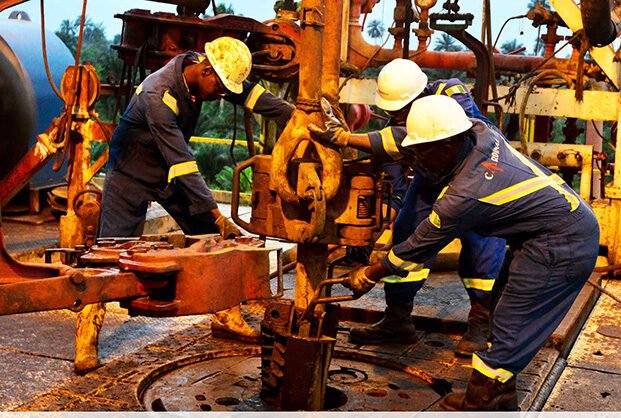
Crude oil production in Nigeria, Libya, and Venezuela declined in October, dragging down output levels across the Organisation of the Petroleum Exporting Countries and its allies (OPEC+), despite efforts to boost supply. According to a Reuters report on Tuesday, OPEC’s overall production increased by only 30,000 barrels per day (bpd) in October — a significant slowdown compared to the 330,000 bpd growth recorded in September. This modest rise fell short of expectations set by earlier agreements to expand output. Data from OPEC’s October Monthly Oil Market Report, cited by Channels Television, revealed that Nigeria’s crude output, which had fluctuated between 1.3 and 1.4 million bpd from January to June 2025, briefly rose to 1.5 million bpd in July before dropping again to 1.4 million in August and 1.3 million in September. The Group Chief Executive Officer of the Nigerian National Petroleum Company Limited (NNPCL), Bayo Ojulari, linked the recent decline to disputes involving the Dangote Refinery and unions — specifically the Nigeria Union of Petroleum and Natural Gas Workers and the Petroleum and Natural Gas Senior Staff Association of Nigeria. Meanwhile, oil prices slipped on Wednesday amid a stronger U.S. dollar and broader market weakness as traders reassessed supply conditions. Brent crude futures dropped by six cents (0.1%) to $64.38 per barrel at 5:08 a.m. WAT — a near two-week low. U.S. West Texas Intermediate declined by 10 cents (0.17%) to $60.46 per barrel, while the OPEC Basket dipped by 0.26 cents (0.39%) to $66.72. Analysts noted that bearish market sentiment and a flight to safe-haven assets weighed on oil prices. “Crude oil is trading lower as risk sentiment turned sharply negative, strengthening the U.S. dollar and putting pressure on prices,” said IG market analyst Tony Sycamore. ANZ analysts also observed that investors had “moved out of energy markets amid growing risk aversion.” Additional downward pressure came after the American Petroleum Institute reported an increase in U.S. crude inventories for the week ending October 31. On the supply side, OPEC+ confirmed plans to raise production by 137,000 bpd in December but indicated that further increases would be paused during the first quarter of 2026. Analysts at LSEG, however, warned that the pause was “unlikely to provide significant support to oil prices in November and December.”

Tinubu.webp

4min1330
The All Progressives Congress chapter in the United States has appealed to former U.S. President Donald Trump to prioritize diplomacy over military action following Nigeria’s recent designation as a “Country of Particular Concern” (CPC). In a statement released in Washington on Tuesday, APC USA Chairman, Prof. Tai Balofin, praised Trump’s commitment to promoting global religious freedom but emphasized that diplomatic engagement remains the most effective means of addressing Nigeria’s security challenges. “President Trump’s vigilance honors the sacred values shared by both America and Nigeria. However, history teaches that lasting peace is achieved through dialogue, not division,” Balofin said. Trump’s remarks, made on October 31 and reinforced by a November 2 post on his Truth Social platform urging U.S. forces to “prepare for possible action,” have drawn widespread reactions. In response, President Bola Tinubu described the U.S. designation as a “gross exaggeration,” reaffirming his administration’s dedication to collaborating with international partners to combat extremism and preserve national unity. Balofin cautioned against misrepresenting Nigeria’s complex security realities, noting that the violence often stems from resource-based and communal conflicts affecting both Christians and Muslims. He explained that many of the major incidents cited in global reports occurred before Tinubu assumed office in 2023, adding that the current administration has since taken decisive steps to strengthen security. Referring to the June 2025 Yelwata massacre in Benue State, where over 200 Christians lost their lives, Balofin commended Tinubu’s swift intervention, which included visiting the affected area, ordering immediate arrests, and ensuring that 41 suspects were detained within weeks. “President Tinubu displayed empathy and firm leadership, sending a strong message that impunity will not be tolerated,” he stated. He dismissed allegations of government indifference as politically driven narratives aimed at undermining the president ahead of the 2027 elections. “Certain opposition figures are deliberately distorting facts to weaken Tinubu’s administration and derail its reform agenda,” Balofin said, adding that such misinformation could discourage international cooperation and investment. Balofin urged the U.S. government to reinforce its partnership with Nigeria through judicial reforms, interfaith dialogues, and diaspora-led initiatives that foster mutual understanding and accurate representation of events. He also reassured Nigerians in the diaspora that diplomatic channels are actively working to ease tensions and correct misconceptions. “Through APC USA’s advocacy and backchannel engagements, President Trump will be fully briefed, preventing unnecessary escalation. Our commitment to bridge-building remains steadfast,” he said. Balofin concluded by emphasizing that the current dispute offers “an opportunity to deepen U.S.–Nigeria relations built on mutual respect, cooperation, and shared democratic values.”

HIV-Test-Malawi.jpg

7min2600
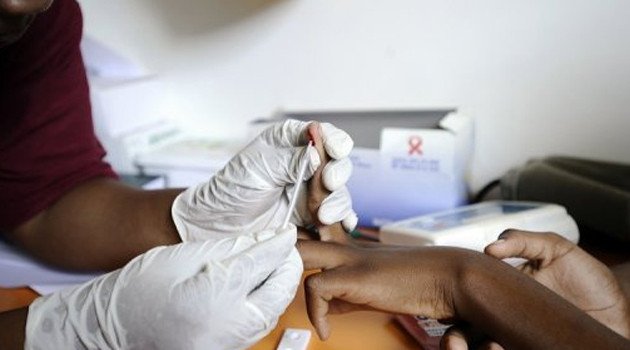
For 38-year-old Faith, living with HIV is no longer a death sentence — not when treatment and support are within reach. The Lagos-based businesswoman, who tested positive for the Human Immunodeficiency Virus (HIV) in 2023, said counselling and care from health workers helped her accept her diagnosis and live confidently despite the stigma surrounding the condition. Faith discovered her status during a free community HIV testing programme held in Ajegunle, Ajeromi-Ifelodun Local Government Area of Lagos State. “I never imagined I could have HIV. I was always treating malaria and didn’t know something else was wrong,” she recalled. “I was devastated at first, but with counselling and support, I decided to move on with my life.” Following her diagnosis, Faith was enrolled in a treatment programme and has since remained committed to her antiretroviral therapy (ART). She regularly checks her CD4 count — a key indicator of immune health — and says her results have been encouraging. “The drugs are free and always available at the clinic,” she said. “The doctor told me that with the right treatment and support, HIV won’t stop me from living a long and fulfilling life.” Faith’s journey is one of thousands made possible through the Accelerated Control for HIV Epidemic Cluster 6 (ACE-6) project — a USAID/PEPFAR-funded initiative designed to fast-track HIV epidemic control in Lagos, Bayelsa, and Edo States. Implemented by Heartland Alliance LTD/GTE (HALG) in partnership with Pathfinder International, KNCV Nigeria, and others, the five-year programme has delivered high-impact interventions across 37 local government areas, focusing on prevention, case finding, treatment, and care. Through innovations such as digital record systems (LAMIS Plus), Plasma Separation Cards, and AI-based testing models, the project has enhanced efficiency and improved health outcomes. By 2025, ACE-6 had facilitated over 2.17 million HIV tests, placed 34,264 new patients on ART, and achieved a 96 percent viral suppression rate. Additionally, 29,698 people were on pre-exposure prophylaxis (PrEP), while 29,357 women were screened for cervical cancer. In Lagos, the project’s technology-driven approach reduced viral load testing time from 30 days to just three, ensuring timely results and better patient outcomes. Similar progress has been recorded in Bayelsa and Edo, where mobile clinics reach remote communities, including riverine areas. In Bayelsa, Peter — another beneficiary — shared how he regained his health after being diagnosed with HIV in 2022. “I live in a riverine area, but I still have access to treatment and regular tests. The drugs are free and available,” he said. Experts from the three states and the Nigerian Institute of Medical Research (NIMR) have praised the impact of ACE-6 while calling for its sustainability as donor funding winds down. At NIMR, the project introduced technological innovations that reduced viral load test turnaround time from 30 days to three. According to Professor Oliver Ezechi, Director of Medical Research at NIMR, “The project strengthened our laboratory systems and digitalised client records. Between 2022 and April 2024, our Mega PCR Lab processed over 715,000 viral load samples.” He noted that Nigeria must now take full ownership of its HIV response by integrating HIV services into broader health systems to reduce costs and stigma. The Permanent Secretary, Lagos State Ministry of Health, Dr. Olusegun Ogboye, said the digitalisation of patient records through LAMIS Plus significantly improved service delivery and data quality, while the state’s HIV Programme Coordinator, Dr. Oladipupo Fisher, highlighted that over 50,000 people had been placed on treatment through the project. In Bayelsa, the Director of Public Health, Dr. Jones Stow, emphasised that sustaining the initiative would depend on domestic financing and the institutionalisation of outreach programmes. Similarly, in Edo State, Permanent Secretary of the Ministry of Health, Dr. Stanley Ehinarimwian, noted that the project enhanced health worker capacity, improved data systems, and aligned HIV services with national policies. Dr. Eguasa Driscoe Owen, the State HIV/AIDS and STI Coordinator, said the introduction of biometric verification and family-based testing under the project helped track clients more effectively. “We now use biometrics because clients often move across states,” he explained. “We also test their partners and children to ensure no one is left behind.” With sustained commitment and local investment, experts say Nigeria can build on ACE-6’s legacy and move closer to achieving its goal of ending AIDS by 2030.

cancer-1280x731.jpg

5min4370
A United States–based Nigerian oncology researcher and nurse practitioner, Edith Declan, has urged the Federal Government to provide free annual preventive health screenings for all citizens, emphasizing that early detection and prevention remain the most effective ways to reduce cancer-related deaths in Nigeria. Declan explained that one of the country’s major challenges in cancer control is the lack of structured preventive healthcare and public awareness. “The first and most important step in cancer control is prevention,” she said. “Our world is already filled with carcinogens—from the food we eat to the air we breathe. What we can do is promote awareness, early screening, and lifestyle changes. That’s where policy intervention makes the greatest impact.” Declan, a clinical translational research and community engagement nurse practitioner at Texas Southern University, advocated for a national policy that would entitle every Nigerian to free yearly medical screening. “Government can make preventive health free. Every citizen should have a health card that guarantees access to annual screenings — prostate tests for men, mammograms for women, cervical cancer checks, and more. Early detection saves both lives and costs,” she said. According to her, Nigeria’s high cancer burden is worsened by late diagnosis and a lack of research-driven health policies. She suggested that the government strengthen existing research and oncology institutions rather than create new ones, while also collaborating with international pharmaceutical firms for cancer research. Declan, whose research focuses on breast and prostate cancer prevention, said she plans to extend her U.S.-based cancer prevention program to Nigeria. Her ongoing $2 million grant-funded initiative in Texas provides free breast cancer screenings for 2,400 women and health education for 15,000 women over three years. “I plan to bring free breast, prostate, cervical, and lung cancer screenings to Nigerian communities soon,” she stated. Highlighting the toll cancer takes on patients, she described it as both physically and emotionally draining. “The words ‘you have cancer’ change everything — patients start worrying about survival, family, and finances. Without health insurance, the financial burden becomes unbearable,” she said. She also identified poor diet, alcohol consumption, lack of exercise, and obesity as major risk factors for cancer in Nigeria. “Sugary and fatty foods, alcohol, and a sedentary lifestyle increase cancer risk. Even our staple foods, like rice, have high glycaemic levels. Combined with environmental hazards, the danger multiplies,” she warned. Declan further stressed the importance of maintaining family health records, noting that genetic awareness is vital for cancer prevention. “Many Nigerians don’t know their family’s medical history. Some still attribute cancer to spiritual causes, but genetics plays a huge role,” she said. Through her nurse training institute, Penn Health Institute, Declan integrates academic and community engagement, using data-driven approaches to improve both nursing education and public health awareness. “Treatment is costly and only reaches a few, but prevention is affordable and can save millions. That’s where our focus should be,” she added. For aspiring oncology nurses, Declan advised, “This field requires emotional strength and a clear purpose. It’s not easy watching patients decline, but helping them live longer and better makes it deeply rewarding.” She reaffirmed her commitment to bringing cancer awareness and preventive care to Nigerian communities, stating, “Cancer doesn’t have to be a death sentence. With awareness, screening, and healthier living, we can save countless lives.”

healthcare-.jpg

4min6120
The Minister of State for Health and Social Welfare, Dr. Iziaq Salako, has disclosed that Nigeria is grappling with a critical shortage of doctors, revealing that one doctor currently caters to about 3,500 patients. Speaking at a press conference in Abuja on Monday, Salako noted that the global deficit of healthcare professionals has intensified cross-border migration, with many Nigerian doctors moving abroad as countries compete for limited medical talent. The briefing took place amid the ongoing strike by the Nigerian Association of Resident Doctors, which began on Saturday over issues related to welfare, poor working conditions, and government policies. The association cited staff shortages, unpaid entitlements, and weak retention strategies as factors worsening the country’s already stretched doctor-to-patient ratio. “There’s a shortage of health workers globally, and Nigeria is no exception. Currently, one doctor attends to about 3,500 patients. Even when we attempt to employ, there often aren’t enough available candidates to meet the WHO-recommended standard. This global shortage fuels migration since, like any scarce resource, demand drives movement,” he explained. Salako acknowledged that Nigeria’s economic realities have compounded the problem but assured that the government is implementing measures to expand local training capacity for healthcare professionals. “It’s a global challenge, but we’re addressing it. The government is investing in medical education to produce more health workers, though results will take time,” he said. He added that the government is exploring a system where medical professionals who migrate can still contribute to national revenue through structured overseas engagement policies. Responding to questions on the employment of temporary (locum) doctors, Salako clarified that the Federal Government has authorized hospital chief executives to recruit locum staff to fill urgent gaps pending permanent employment approvals. “Because of the high migration rate, hospitals are allowed to hire locum doctors temporarily. Permanent recruitment is a more complex process that involves several agencies and takes time,” he stated. He revealed that the government now adopts a two-tier strategy — annual recruitment through official waivers for permanent staff and interim hiring of locum workers between recruitment cycles. Salako added that a standardized protocol is being developed to guide medical directors on locum recruitment, ensuring fairness and priority consideration for regular employment when opportunities arise.

Gboyega-Oyetola.jpg

4min1570
The Minister of Marine and Blue Economy, Adegboyega Oyetola, has hailed the Lagos–Calabar Coastal Highway as a game-changing national project that will serve as an “economic artery connecting opportunity, innovation, and prosperity” along Nigeria’s coastline. Speaking at the South-West Citizen-Government Engagement Summit in Akure, Ondo State, Oyetola urged regional leaders to leverage the vast economic opportunities the multi-billion-naira highway presents by investing in complementary tourism and infrastructure projects. In a statement by his media aide, Dr. Bolaji Akinola, the minister noted that the Lagos–Calabar Coastal Highway is not just a transport link but a major driver of trade, investment, and sustainable regional development. “The Lagos–Calabar Coastal Highway is an economic artery that connects opportunity, innovation, and prosperity,” Oyetola said. “I call on leaders across the South-West to complement this visionary project by developing tourism infrastructure, coastal resorts, and cultural heritage attractions to fully harness the benefits of this new coastal route.” He explained that the 700km expressway — which starts from Victoria Island in Lagos and passes through Ogun, Ondo, Delta, and Akwa Ibom before ending in Calabar — will strengthen the connection between coastal communities and inland markets. The project’s first phase, spanning 47.47km in Lagos, commenced in 2024. Oyetola highlighted that the initiative will enhance coastal tourism, hospitality, and small-scale enterprises while opening new economic corridors to drive inclusive growth. He said the South-West region stands to gain significantly through job creation, increased investments, and the promotion of its cultural and natural assets. Commending President Bola Tinubu for what he described as visionary leadership, Oyetola also lauded the administration’s success in expanding Nigeria’s continental shelf by 16,300 square kilometres, extending the country’s maritime boundary by about 20 nautical miles in some areas. He described the expansion as a major achievement that strengthens Nigeria’s maritime sovereignty and opens new frontiers for offshore investments, marine research, and renewable ocean energy. “This maritime expansion provides the South-West with new opportunities for deep-sea exploration, marine innovation, and blue biotechnology,” he said. “It will attract private sector participation in logistics, shipbuilding, and marine technology — vital elements for long-term regional prosperity.” The minister further called for stronger collaboration between the Federal Government and South-West states to advance port modernisation, maritime safety, fisheries, and non-oil export growth — all key pillars of Nigeria’s blue economy agenda. Expressing concern over increasing waterway accidents, Oyetola urged coastal states to phase out wooden boats and enforce the use of life jackets for passengers and operators. He noted that replacing wooden vessels with fibre-reinforced boats would boost safety, support environmental sustainability, and create jobs for local craftsmen. Oyetola expressed optimism that with innovation and coordinated leadership, the South-West could emerge as a continental model for maritime efficiency and sustainability. “This is our time to build a vibrant blue economy that creates jobs, attracts investment, and celebrates our cultural and natural heritage,” he said. “If we use this opportunity wisely, the sea will not divide us — it will unite and enrich us.” Once completed, the Lagos–Calabar Coastal Highway is expected to transform transportation across Nigeria’s southern corridor, linking key commercial centres and unlocking the full potential of the nation’s blue economy.  

Doherty.png

3min1300
A Lagos State governorship aspirant under the Peoples Democratic Party (PDP), Mr. Funso Doherty, has urged the National Assembly to launch an investigation into the recently approved 15% import duty on Premium Motor Spirit (PMS), commonly known as petrol. He cautioned that implementing the policy could deepen the economic hardship already confronting millions of Nigerians. In an open letter to Senate President Godswill Akpabio, Doherty described the new import duty as “fundamental and ill-timed,” questioning both the reasoning behind the decision and the transparency of the process that led to its approval. Reports indicate that President Bola Tinubu approved the levy following a proposal from the Chairman of the Federal Inland Revenue Service (FIRS), now known as the Nigeria Revenue Service. The FIRS chairman reportedly argued that the duty was intended to support local fuel producers and help them achieve cost recovery rather than serve as a revenue source for the government. Doherty, however, disagreed with this justification. He pointed out that major domestic producers, including the Dangote Refinery, already enjoy fiscal incentives such as tax waivers and holidays due to their location within export processing zones. He argued that imposing additional import tariffs would unfairly shift the burden to consumers. “I call on the National Assembly to investigate the circumstances and processes surrounding the introduction of this import duty,” Doherty stated. “In doing so, it would be appropriate to invite the NMDPRA, the Federal Ministry of Trade and Investment, and key industry stakeholders to evaluate whether placing this extra cost on Nigerians at this time is justifiable. The investigation should be transparent and open to the public to maintain accountability.” He further warned that the new duty could increase the pump price of petrol by as much as ₦100 per litre, potentially fueling inflation and worsening living conditions for many citizens. “Petrol pricing policies have far-reaching consequences for Nigerians,” Doherty said. “Many households are already under severe financial pressure, and any further price hike would be devastating.”

Cooking-Gas-Scarcity.jpg

5min2050
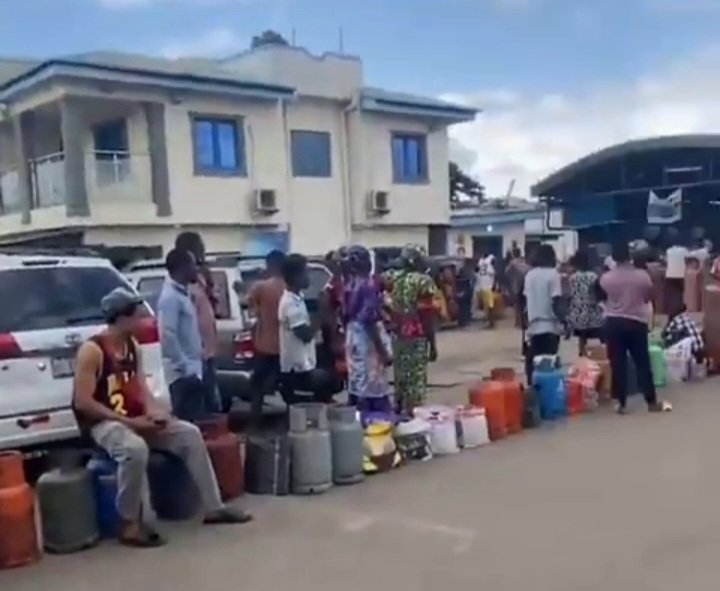
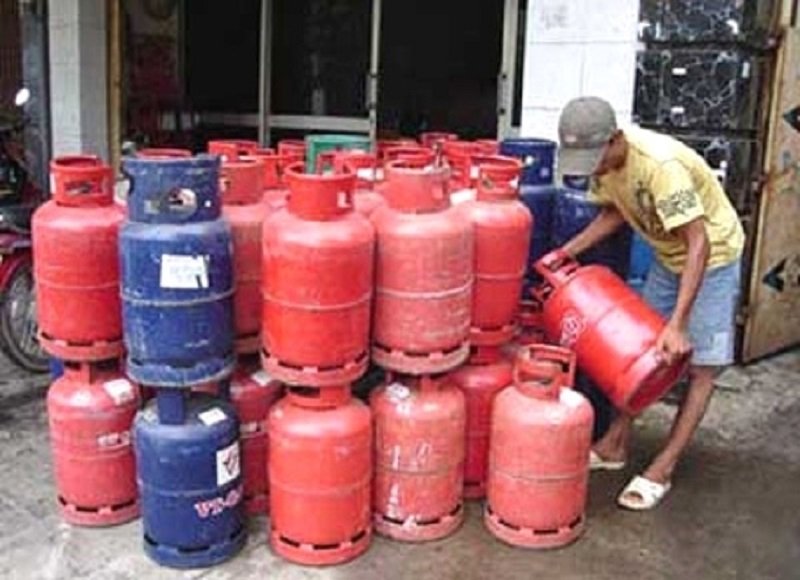
Nigeria may be heading toward another round of cooking gas shortages as retailers raise concerns over dwindling supplies of Liquefied Petroleum Gas (LPG). The warning comes just weeks after consumers began recovering from the previous scarcity that sent prices soaring across the country. According to retailers, the Dangote Petroleum Refinery has become the sole major supplier of LPG to the domestic market, sparking fears that any disruption in its operations could trigger a fresh nationwide shortfall. In Abeokuta, Ogun State, a retailer identified as Adesola expressed worry about the unstable supply situation. “There’s no significant improvement in LPG availability. We’re uncertain about what could happen in the coming days,” he said. Across various regions, cooking gas prices currently range between ₦1,200 and ₦1,500 per kilogram, depending on location — up from around ₦900/kg before the recent industrial dispute between the Dangote Refinery and the Petroleum and Natural Gas Senior Staff Association of Nigeria disrupted production. Ayobami Olarinoye, National Chairman of the Liquefied Petroleum Gas Retailers branch of the Nigeria Union of Petroleum and Natural Gas Workers, confirmed that Dangote’s current output alone cannot meet national demand. “As of now, only the Dangote Refinery is supplying the market,” he said. “Although we appreciate the refinery’s effort to push out gas, production levels are not sufficient to cover local consumption.” Olarinoye added that most depots have exhausted their stock, widening the supply gap and discouraging other marketers from importing gas due to pricing inconsistencies between Dangote’s supply and middlemen rates. “There’s an urgent need to bridge the price gap preventing other players from importing products so the market can stabilise,” he noted. He recalled that LPG prices dropped slightly in October after the resolution of the PENGASSAN strike — from ₦2,000/kg to about ₦1,400/kg — but have since failed to return to pre-crisis levels below ₦1,000/kg. Olarinoye warned that prices could rise again if the Dangote Refinery temporarily halts operations for maintenance. “If production stops, even briefly, prices could surge again,” he said. Data from Petroleumprice.ng showed that as of Monday, Dangote’s LPG price rose to ₦955/kg, compared with ₦920/kg offered by 11PLC and Navgas. Officials from the Dangote Refinery denied claims of overpricing, maintaining that retail prices are outside the company’s control. “Marketers buy LPG from us at ₦715,000 per metric tonne — about ₦715/kg,” an official stated anonymously. “We don’t fix retail prices; that’s under the Petroleum Industry Act and the Nigerian Midstream and Downstream Petroleum Regulatory Authority.” Last month, Olarinoye revealed that Dangote sold LPG to off-takers at ₦15.8 million per 20,000 metric tonnes, while resellers charged between ₦18.4 million and ₦18.5 million — a margin that ultimately burdens consumers. In response to the ongoing situation, the Minister of State for Petroleum Resources (Gas), Ekperikpe Ekpo, has pledged to clamp down on marketers hoarding gas or inflating prices unfairly. Analysts have warned that Nigeria’s reliance on a single domestic supplier poses a major risk to energy security. Without diversifying the LPG supply base and encouraging more investors, they cautioned, periodic shortages could persist — further straining households and small businesses. For now, consumers remain on edge as tight supply conditions and price uncertainty continue to dominate the market, with many watching closely for the next move from the Dangote Refinery.

cooking-gas-outlet.jpg

3min3860
The price of Liquefied Petroleum Gas (LPG), popularly known as cooking gas, has remained high despite marketers’ earlier assurances that it would drop to between ₦950 and ₦1,000 per kilogram. A market survey across several gas stations in Lagos on Sunday showed prices ranging from ₦1,200 to ₦1,400 per kilogram. At Gasland in Igando, Ikotun, and Mac Rich Gas Plant in Cele-Okota, the price stood at ₦1,200 per kg, while other outlets sold for ₦1,300 and ₦1,400 depending on location. Operators, who preferred not to be named, said, “Last month, we sold at ₦900 to ₦950 per kg. Now, we retail at ₦1,200 per kg. That’s the current reality in the country. We can only hope prices drop in the coming weeks.” Findings also revealed that retailers purchasing in bulk quantities of 150 to 200 kilograms pay about ₦1,104 per kg. In a phone interview, the outgoing President of the Nigerian Association of Liquefied Petroleum Gas Marketers (NALPGAM), Mr. Olatunbosun Oladapo, attributed the sustained price hike to a backlog of unsupplied products, maintenance challenges, and refinery logistics. However, he expressed confidence that stability would return soon. He explained that the entry of Seplat Energy’s gas supply into the market, along with increased output from the Dangote Refinery and other ongoing gas infrastructure projects, would ease supply pressures and help stabilise prices across the country. Speaking at the Association’s 38th Annual General Meeting (AGM), Oladapo noted that Nigeria’s LPG consumption had grown from 900,000 metric tonnes in 2021 to 2 million metric tonnes in 2025. “About four years ago, national LPG consumption stood between 900,000 and 1 million metric tonnes. Today, it has doubled to 2 million metric tonnes. By the first quarter of next year, we expect it to hit 3 million metric tonnes per annum,” he said. He credited the growth to increased private investment, collaboration with government agencies, and greater public acceptance of gas as a household energy source. With continued policy support and industry participation, Oladapo expressed optimism that the association’s long-term target of achieving 6 million metric tonnes annually is within reach under the Federal Government’s Decade of Gas initiative.