Author: Lifestyle & Wellness Desk

Woman-des-of-Lassa-fever-in-Benue-1.jpg

4min1680
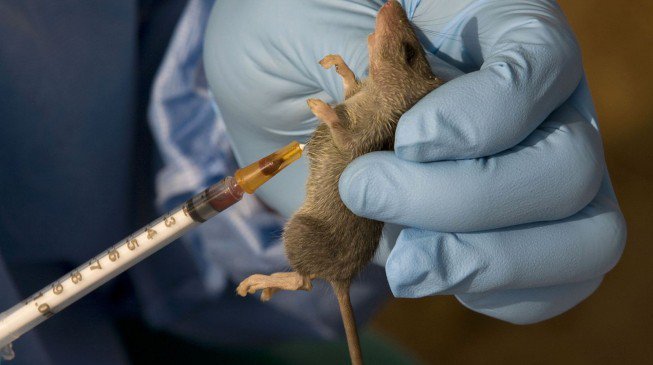
The Benue State Government has ordered the immediate closure of a private hospital and mortuary in Okpokwu Local Government Area following the death of a 54-year-old woman who tested positive for Lassa fever. The Commissioner for Health and Human Resources, Dr. Paul Ogwuche, announced the decision in Makurdi on Thursday, explaining that it was part of emergency containment measures to prevent further infections and allow for complete decontamination of the facility. He revealed that all hospital staff and individuals who had direct or indirect contact with the deceased have been identified and placed under medical surveillance. According to Ogwuche, the woman, a resident of Ogbadibo LGA, passed away on Sunday at the Benue State University Teaching Hospital, Makurdi, where test results confirmed Lassa fever. Her body was later taken to a private morgue in Ugbokolo, Okpokwu LGA. However, the containment team faced resistance when some irate youths from the deceased’s community forcefully retrieved the corpse during burial preparations. “As part of the initial response, I personally led a team of health officials and security personnel to the two LGAs to ensure public safety, containment, and order,” Ogwuche said. He added that after intensive dialogue with the family, community leaders, and youth groups, the body was retrieved and buried safely in Orokam (Ogbadibo LGA) by the State Safe Burial Team, in accordance with WHO and NCDC guidelines. The commissioner confirmed that the body was interred on Wednesday under strict supervision, while the affected hospital and morgue remain sealed pending disinfection and further investigation. “All community and facility contacts have been traced, and health education sessions have been conducted in Ogbadibo and Okpokwu LGAs to promote hygiene, awareness, and calm,” Ogwuche stated, emphasizing that public health safety remains the government’s top priority. He commended the cooperation of local government chairmen, traditional rulers, and security agencies, warning that the government would not condone actions that threaten public safety. Ogwuche urged residents to avoid handling corpses of individuals who die from suspected infectious diseases and to report any cases of prolonged fever or unexplained bleeding to the nearest health facility. Lassa fever has continued to pose a public health challenge in Benue State. As of September 2025, the State Epidemiologist, Dr. Asema Msuega, reported 243 suspected cases and 13 deaths, including that of a health worker, with 18 confirmed through laboratory testing. Five of the deaths were from confirmed cases, while eight were classified as probable, involving individuals who died before samples could be collected.

impeac-hment.jpeg

3min1340
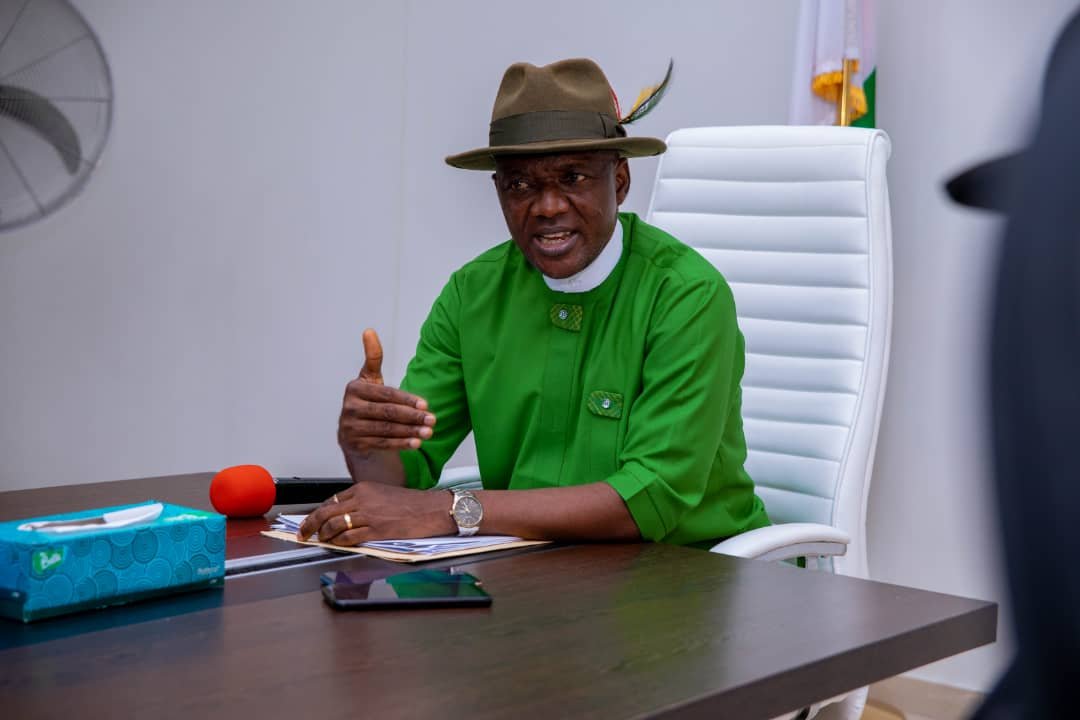
Bayelsa State Deputy Governor, Lawrence Ewhrudjakpo, has instituted legal action against the Bayelsa State House of Assembly at the Federal High Court in Abuja over an alleged plot to impeach him. In the suit marked FHC/ABJ/CS/221/2025, Ewhrudjakpo claimed that lawmakers were being pressured to remove him from office because he declined to defect from the Peoples Democratic Party (PDP), the party under which he and Governor Douye Diri were elected. While Governor Diri recently resigned from the PDP, the deputy governor has remained with the party. Represented by his counsel, Reuben Egwuaba, Ewhrudjakpo alleged that some local government chairpersons, including Alice Tange of Sagbama LGA, were also facing threats of removal for refusing to leave the PDP. He is seeking several interim orders, including one restraining the state Assembly from initiating or carrying out any impeachment proceedings against him for maintaining his membership in the PDP. According to him, any such action would violate Sections 188(5–9, 11) and 36(1) of the 1999 Constitution (as amended). Ewhrudjakpo further asked the court to restrain the Assembly from recognising or dealing with any member of the All Progressives Congress (APC) as the deputy governor of Bayelsa State. He also sought an order preventing the Inspector-General of Police, the Director-General of the Department of State Services, and the Bayelsa State Attorney-General from withdrawing his security protection pending the determination of his motion on notice. After considering the ex parte motion on October 27, Justice Emeka Nwite ordered all defendants to appear before the court to explain why the interim orders requested should not be granted. The defendants in the case include the Bayelsa State House of Assembly, its Speaker, the Inspector-General of Police, the Director-General of the DSS, the Bayelsa State Attorney-General, the State Chief Judge, and the Clerk of the Assembly. Justice Nwite ruled that the interests of justice would be best served by allowing the defendants to appear and show cause before any interim reliefs are considered. The case was adjourned to November 13 for the defendants to present their arguments, after which the court will proceed to hear the substantive motion.

VERVE-LIFE-245-1-1024x683-1.jpg

3min6810
Africa’s leading payment card brand, Verve, has announced that the grand finale of VerveLife 8.0, the continent’s biggest fitness and lifestyle festival, will take place on November 1, 2025, at the Eko Convention Centre, Victoria Island, Lagos. After hosting a series of lively satellite events in Nigeria, Uganda, and Kenya, the Lagos finale will serve as the ultimate celebration of this year’s edition — a day filled with fitness, music, fun, and positive energy, uniting thousands of fitness enthusiasts, wellness advocates, and lifestyle lovers from across Africa. According to Tomi Ogunlesi, Divisional Head, Brands, Communications, Content, and CSR at Interswitch Group, VerveLife has grown over the past eight years into a pan-African platform for community, wellness, and empowerment. With the theme “Elev8”, the 2025 edition encourages participants to push boundaries, embrace vitality, and live brighter — reflecting Verve’s mission to promote holistic health and happiness. “VerveLife is more than just a fitness event; it’s a lifestyle movement that celebrates energy, resilience, and unity,” Ogunlesi said. “Through VerveLife 8.0, we’re not only elevating fitness but creating experiences that connect people across the continent.” The event will kick off at 7:00 a.m. with VerveLife’s signaturey high-energy fitness part, featuring top African trainers, dance instructors, and wellness experts. Attendees can also enjoy obstacle course challenges, lifestyle and nutrition classes, wellness talks, breakout sessions, and even a kiddies’ corner for families. The excitement continues into the night with the VerveLife 8.0 After Party at 7:00 p.m., featuring electrifying performances from leading African artists and DJs — promising an unforgettable celebration of music, movement, and community. VerveLife 8.0 is powered by Verve in collaboration with partners such as Google Play, Interswitch, Quickteller, Hygeia HMO, Carloha Chery, Reelfruit, Pocari Sweat, Amstel Malta, and Africa Sport Network, ensuring a premium experience for all participants. Registration is now open at myverveworld.com/life, and participants can follow @Vervelife_ and @Vervecard on social media for event updates, fitness inspiration, and behind-the-scenes highlights.

fg.webp

5min4540
The 10th edition of the BudgIT State of States Report has revealed that more than 30 states in Nigeria depend heavily on revenue allocations from the Federation Account Allocation Committee (FAAC), resulting in mounting fiscal pressures across the federation. Titled “A Decade of Subnational Fiscal Analysis: Growth, Decline, and Middling Performance,” the report was presented in Abuja on Tuesday and marks ten years of BudgIT’s assessment of state-level fiscal performance in Nigeria. BudgIT, a leading civic-tech organisation that promotes fiscal transparency and accountability, highlighted that only a few states — including Lagos, Ogun, and Enugu — generate a significant portion of their revenue internally. “At least 30 states, excluding Lagos, Ogun, and Enugu, rely on FAAC for over 60% of their recurrent revenue,” a BudgIT executive said during an interview. “In total, 31 states depend on FAAC for at least 80% of their current revenue, which underscores the fiscal vulnerability of most states.” While Lagos remains an outlier with a strong internally generated revenue (IGR) base, Enugu and Ogun were also praised for their impressive revenue growth. Fifteen states reportedly improved their IGR by over 50%, with Enugu leading the way, while two states — including Kebbi — recorded negative growth. The report noted that the share of IGR in total recurrent revenue dropped from 25.27% in 2023 to 20.27% in 2024, showing increased dependence on federal transfers. It further stated that in 2023, six states needed more than five times their IGR to cover operating costs, but by 2024, the number had risen to 14. Only a few states were identified as effectively managing this dependency challenge. Enugu now tops the chart with a 146.68% IGR-to-operating-expense ratio, followed by Lagos at 120.87%, while most others remain heavily reliant on FAAC inflows. On the debt front, the report offered some optimism. Between 2023 and 2024, 31 states reduced their domestic debt by at least N10 billion, with Lagos, Cross River, and Delta each cutting over N100 billion. This contributed to a total decline of over N2 trillion in subnational domestic debt. Similarly, foreign debt dropped by more than $200 million within the same period, with Lagos, Enugu, and Gombe recording the largest reductions. Despite these gains, Lagos still holds the highest foreign debt at $1.17 billion, accounting for over a quarter of all subnational external debt, followed by Kaduna, Edo, Cross River, and Ogun. On expenditure priorities, the report observed a positive shift toward capital projects, noting that total capital spending surpassed recurrent expenditure by roughly N1 trillion. Abia State led this improvement, dedicating 77.05% of its total expenditure to capital development. In all, 24 states allocated at least half of their budgets to capital investments. However, six states — Bauchi, Ekiti, Delta, Benue, Oyo, and Ogun — still spend over 60% of their budgets on personnel and overhead costs. Reflecting on the findings, BudgIT’s Group Head of Research, Vahyala Kwaga, stressed the need for deeper fiscal reforms. “Over the past decade, the State of States report has become Nigeria’s most reliable subnational fiscal analysis,” Kwaga said. “This 10th edition not only captures growth and imbalance but also emphasizes the urgent need for structural reform.” He added that fiscal sustainability will require states to “look inward, strengthen their revenue systems, cut waste, and prioritise investments in infrastructure and human development that create long-term value.”

multichoice-1.jpg

4min4110
MultiChoice Nigeria has extended its anti-piracy campaign to schools as part of its continuous efforts to safeguard intellectual property and inspire originality among young Nigerians. In a statement issued on Thursday, the company announced that it hosted an Anti-Piracy Sensitisation Programme at Kuramo Senior College, Victoria Island, Lagos. The event aimed to educate secondary school students on the dangers of piracy and the need to respect creative works from an early age. The interactive session featured legal professionals, creative industry experts, and representatives from the Nigerian Copyright Commission, who used storytelling, games, and discussions to engage the students. According to MultiChoice, the initiative seeks to build “a generation that values creativity and rejects content theft,” stressing that piracy poses a major threat to the growth and sustainability of Nigeria’s creative industries. Highlighting the event, intellectual property and entertainment lawyer Obafemi Agaba explained key concepts such as copyright, trademarks, and creative ownership in simple terms students could relate to. “Each time you stream a movie illegally or share a song without permission, you take away from the people who created it,” Agaba said. “If you love Nollywood, Afrobeats, and Nigerian creativity, then protecting it is your responsibility.” Students enthusiastically participated in the discussions and pledged to become “cultural heroes” who promote originality and reject piracy. Caroline Oghuma, Executive Head of Corporate Affairs at MultiChoice Nigeria, described the school outreach as a strategic step toward nurturing young minds that respect creative ownership. “The fight against piracy must start early — in classrooms,” she said. “The future of Nollywood and Nigerian music lies in the hands of these students. Teaching them to value originality ensures the sustainability of our creative economy.” Deputy Director of Operations at the Nigerian Copyright Commission, Charles Amudipe, commended MultiChoice for expanding its campaign to schools, noting that awareness remains one of the most powerful tools against piracy. “By bringing this discussion to students, we’re not only enforcing laws but also instilling values that safeguard creativity for generations to come,” Amudipe stated. Vice Principal of Kuramo Senior College, Mr. Oyewale Taofik, praised the programme, describing it as an enlightening experience for both students and staff. “Many of our students never realised that forwarding movie links or buying pirated CDs amounts to stealing,” he said. “Today, they’ve learnt that creativity deserves protection and that they can be ambassadors of originality.” The sensitisation campaign is part of MultiChoice Nigeria’s broader nationwide effort to combat piracy through advocacy, education, and collaboration. The initiative will continue next month with the “Walk Against Piracy” in Lagos on November 27, ahead of National Anti-Piracy Day on November 30, 2025.

donald-trump_b06ef1.webp

4min2430
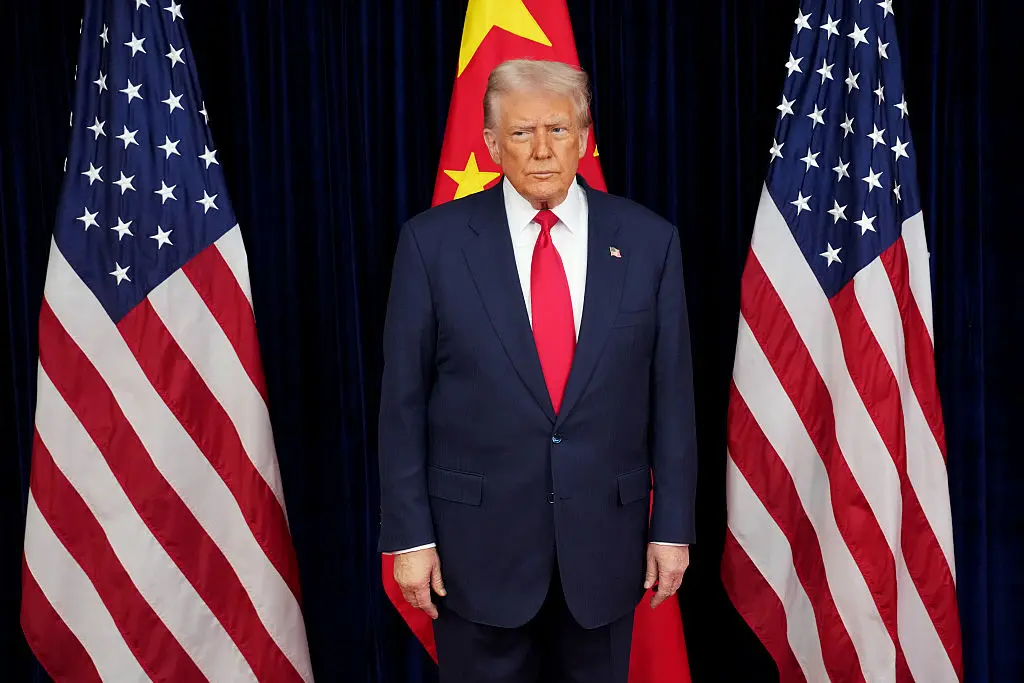
U.S. President Donald Trump announced on Thursday that he has directed the Pentagon to resume nuclear weapons testing at a level comparable to that of China and Russia — just minutes before a crucial summit with Chinese leader Xi Jinping. The decision follows Russian President Vladimir Putin’s declaration on Wednesday that Moscow had successfully tested a nuclear-capable, nuclear-powered underwater drone, defying warnings from Washington. “In response to other nations’ testing programs, I have instructed the Department of War to begin testing our nuclear weapons on an equal basis,” Trump wrote in a social media post referencing Russia and China. Trump emphasized that the United States possesses more nuclear weapons than any other country, crediting his administration for a “complete modernization and renovation of existing weapons.” He noted, “Russia is second, and China is a distant third, but will catch up within five years.” According to the International Campaign to Abolish Nuclear Weapons (ICAN), nine nations currently possess nuclear arsenals — the United States, Russia, China, France, the United Kingdom, Pakistan, India, Israel, and North Korea. Of approximately 12,331 nuclear warheads globally, Russia holds about 5,580 while the U.S. possesses around 5,044. Trump did not specify the nature of the planned nuclear tests but said the process would “begin immediately.” Putin had earlier announced the successful testing of a nuclear-powered underwater drone known as “Poseidon,” claiming it could travel faster than conventional submarines, dive to extreme depths, and strike any target across continents. After Russia’s missile tests, Trump criticized Putin, urging him to end the war in Ukraine “instead of testing missiles.” Historically, the United States conducted 1,054 nuclear tests between 1945 and 1992, including two wartime detonations in Japan during World War II. The last U.S. nuclear test occurred in September 1992 at the Nevada Nuclear Security Site before President George H.W. Bush imposed a moratorium, later upheld by subsequent administrations. Since then, nuclear testing has been replaced with advanced non-nuclear and computer-simulated experiments. Trump is currently in South Korea for a high-level meeting with Xi Jinping, marking the first direct encounter between the leaders of the world’s two largest economies in his second term.

Nigeria-UK.jpg

3min2200
The Federal Ministry of Industry, Trade and Investment, in partnership with the UK Department for Business and Trade, has commenced a sensitization programme to educate Nigerian exporters on opportunities within the United Kingdom market. Both parties, on Wednesday in Lagos, convened a workshop focused on the UK’s Developing Countries Trading Scheme (DCTS), drawing a large turnout of exporters and key stakeholders. Speaking at the event, Mrs. Orji Gertrude, Director of Trade and Investment, representing Ambassador Abba Nura Rimi, Permanent Secretary of the Ministry, highlighted the longstanding bilateral ties between Nigeria and the UK, which have continued to foster mutual economic growth. One of the key outcomes of this relationship, she noted, is the DCTS initiative. Established in June 2023, the DCTS replaces the UK’s former Generalized Scheme of Preferences (GSP) and aims to strengthen trade partnerships with developing nations by offering simplified and more generous trade preferences. Mrs. Gertrude explained that the workshop seeks to build exporters’ capacity and raise awareness about the benefits, eligibility criteria, and procedures under the scheme. “This initiative comes at a time when Nigeria is deepening efforts to diversify its exports beyond oil and strengthen participation in global value chains,” she stated. “To maximize these opportunities, stakeholders need a clear understanding of the rules of origin, documentation, product standards, and trade facilitation measures under the DCTS.” She added that the scheme provides duty-free and quota-free access to thousands of products from eligible countries, opening new opportunities for Nigerian non-oil exports such as agricultural produce, textiles, leather, processed foods, and manufactured goods. Also speaking, Mujina Kaindama, UK Head of Trade Policy and Market Access for Nigeria, explained that the British Standards Institute is collaborating with Nigerian regulatory bodies such as NAFDAC and other agencies to ensure local certifications meet international recognition standards. According to her, the UK government is building a supportive ecosystem around the DCTS to ensure it serves not just as a policy framework but as a practical tool that enables Nigerian exporters to access and thrive in the UK market.

naira-to-dlor.webp

2min2890
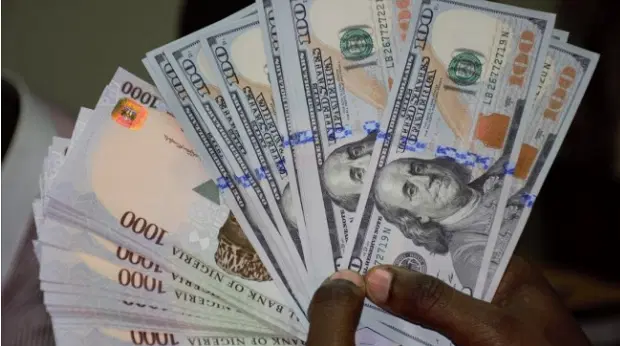
The naira appreciated in official trading today, while the parallel (black) market remained weaker, highlighting the ongoing disparity between electronic foreign exchange platforms and street dealers. At the Daily Nigerian Foreign Exchange Market (NFEM) — the official interbank benchmark rate — the dollar traded around ₦1,452.8/$ on October 30, 2025. This reflects a steady strengthening trend in the official market compared to earlier October levels. In contrast, Lagos parallel-market dealers quoted the dollar between ₦1,480 and ₦1,495, buying at ₦1,480 and selling up to ₦1,495. This leaves the parallel market roughly ₦25–₦40 weaker than the NFEM rate. Despite improvements in official FX liquidity, the parallel spread remains a key reference for importers and retailers. Reasons for the gapRecent Central Bank policies and better FX liquidity — supported by electronic matching platforms — have stabilized and boosted the naira in the official market. The CBN’s decision to trim its policy rate in September, alongside signs of easing inflation, has further strengthened the currency’s position. However, ongoing structural challenges, restricted access to official FX for some businesses, and high retail demand continue to sustain the parallel market and its wide spreads. Reports indicate the naira hit record highs earlier in the week before stabilizing at today’s levels. Implications For importers and consumers: When official FX is scarce, importers rely on parallel-market rates, which keeps import and retail prices elevated. For investors: A narrower official rate and clearer monetary direction boost investor confidence, though the gap between markets signals lingering inefficiencies that warrant close attention.

55.webp

3min5210
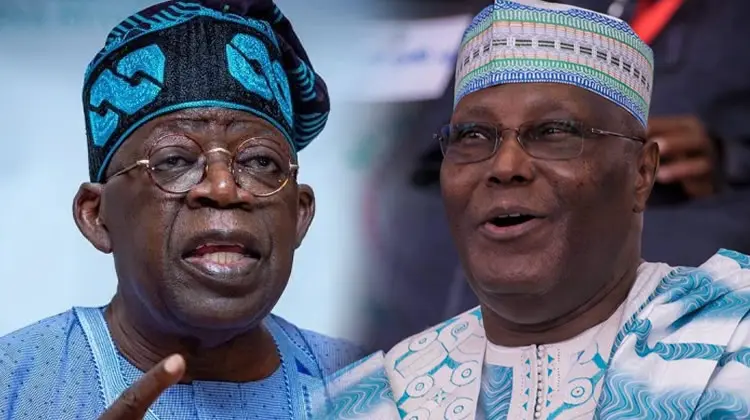
The Senior Special Assistant on Public Communication to former Vice President Atiku Abubakar, Mr. Phrank Shaibu, has criticised President Bola Tinubu for what he described as a “reactionary” and “embarrassing” reversal of the presidential pardon earlier granted to convicted drug traffickers, kidnappers, and other serious offenders. In a statement issued yesterday, Shaibu accused the administration of lacking foresight and moral conviction, noting that the decision to revoke the clemency came only after widespread public outrage. “Once again, Nigerians have witnessed a government that doesn’t lead but reacts. President Tinubu has rescinded his own pardon for drug traffickers, kidnappers, and other hardened criminals — but only after Nigerians shouted loud enough to wake him from his moral slumber,” he said. He described the President’s move as “an act of shame, not wisdom,” and questioned the process that produced the controversial list of pardoned individuals. Shaibu demanded clarification on who compiled the list, the criteria used to select beneficiaries, and the role of the Attorney-General of the Federation in the exercise. “This pattern has become too familiar — announce the unthinkable, wait for public outrage, then reverse course as if governance were a game of trial and error,” he added. According to him, a presidential pardon “is not a social experiment” but a constitutional duty that should embody justice, mercy, and national interest. Shaibu further urged the government to publish the names and offences of those initially slated for pardon, arguing that transparency was the only way to regain public confidence. “If the President truly means well, let him release the list of those meant to benefit from this scandal. Until then, this reversal remains mere damage control — too little, too late,” he stated. He concluded that the incident reflects what he called the administration’s “governance without foresight, without empathy, and without shame.”

4-2.jpg

5min6530
A new economic review by Quartus Economics has called on the Central Bank of Nigeria (CBN) to introduce higher-value currency denominations — such as ₦10,000 and ₦20,000 notes — to restore the naira’s portability and curb the increasing cost of cash transactions. The report, titled “Is Africa’s Eagle Stuck or Soaring Back to Life?”, noted that the persistent depreciation of the naira has rendered the current ₦1,000 note, Nigeria’s highest denomination, almost ineffective in terms of purchasing power. “To make the naira portable again, Nigeria can introduce higher-value bills such as ₦10,000 or ₦20,000 notes, or redenominate the currency entirely,” the report stated. According to Quartus analysts, a ₦5,000 note proposed in 2012 would now have the same value as a ₦50,000 note today, highlighting a 94% decline in the naira’s real value over the past two decades. They dismissed fears that higher denominations could fuel inflation, describing such claims as a “myth unsupported by evidence.” “Inflation is either cost-push or demand-pull — neither is driven by currency denomination,” the report explained. “Countries typically introduce higher-value notes to preserve portability after prolonged depreciation, not to cause inflation.” When the ₦1,000 note debuted in 2005, it was worth nearly $7 at the official exchange rate. Today, it’s valued at less than 60 cents, reflecting the sharp erosion in the naira’s purchasing power. Quartus Economics further observed that this depreciation has made day-to-day transactions cumbersome, especially in the informal sector, where cash remains dominant. Traders, artisans, and rural dwellers now move around with large bundles of cash to complete simple transactions that could easily be handled with a few higher-value notes. The report also highlighted the rising cost of printing, transporting, and securing lower-value notes, calling it a financial burden on the CBN.“Outside the formal sector and the urban elite, the naira’s heavy weight is slowing economic activity. The cost of producing and moving low-value notes is now unsustainable,” it stated. Quartus argued that introducing ₦10,000 and ₦20,000 notes—or undertaking a broader redenomination exercise—would enhance transaction efficiency, reduce operational costs, and bring Nigeria’s currency structure in line with other emerging economies. The report recalled that the CBN had once proposed a ₦5,000 note in 2012 under then-Governor Sanusi Lamido Sanusi, but the idea was abandoned after public backlash. Quartus now contends that the economic rationale for that policy remains valid, given the naira’s steep decline in value. The firm clarified that the proposed measure was not about printing more money, but about modernising the naira’s denominations to suit current realities and make financial transactions more practical. To illustrate the naira’s decline, Quartus compared the 2005 prices of essential items — a kilogram of imported rice and a one-way Lagos–Abuja flight — with current costs. The price of rice rose from ₦150 to ₦2,500, while flight fares jumped from ₦12,000 to over ₦150,000, indicating a 94% loss in value. “These figures clearly show how much purchasing power the naira has lost,” the report concluded. “Introducing higher-value notes is now essential to make the naira portable again.”