Author: Lifestyle & Wellness Desk

PENGASSAN-.jpg

4min5500
The Petroleum and Natural Gas Senior Staff Association of Nigeria (PENGASSAN) has stated that it did not sign the communiqué that temporarily halted its nationwide strike against the Dangote Refinery. The industrial action, which began on Sunday, was suspended on Wednesday following the intervention of the Federal Government. However, the union maintained that several of its key concerns remain unresolved. PENGASSAN had accused the refinery of unlawfully dismissing over 800 Nigerian workers and replacing them with more than 2,000 expatriates. Speaking at a press conference in Abuja, PENGASSAN President, Festus Osifo, cautioned that the strike could resume without notice if the refinery management fails to honour the resolutions reached. He acknowledged that “grey areas” still exist in the communiqué but said the suspension was made in good faith to allow for dialogue. During an interview on Channels Television’s The Morning Brief on Thursday, Osifo clarified that the communiqué was not a binding agreement. “If you see that communiqué, we did not sign it. Normally, it is supposed to be signed by three parties. We did not sign because we felt that some things in it were not okay with us,” he said. According to him, the communiqué was essentially a statement issued by the Minister of Labour and Employment, Muhammadu Dingyadi, who acted as chief conciliator. “When we subjected it to our NEC, we had to decide on priorities. Some media reports claimed we were only interested in check-off dues. That is false. What we prioritised was how our members would return to work and provide for their families,” Osifo explained. The union leader stressed that reinstatement of the sacked workers remained a core demand, disclosing that Dangote had initially resisted reabsorbing the affected employees until the government intervened. He dismissed the refinery’s earlier claims that the workers engaged in sabotage, insisting the allegation was “totally incorrect.” “If we had allowed that sabotage tag to stand, those 800 people would not be able to secure jobs in the future. That stigma would remain forever. Clearing that was a very big win. We are not perturbed in any way,” Osifo said. He emphasised that PENGASSAN’s actions were not motivated by self-interest but by the need to protect Nigerian workers’ rights to association and fair treatment. Warning that the union would not hesitate to return to industrial action if necessary, Osifo declared: “If Dangote does not do the needful, our tools are always available. We will never get tired of struggling for what is right. We have been around for 50 years before the Dangote Refinery came on stream.”
white-house-1280x853.webp

3min15990
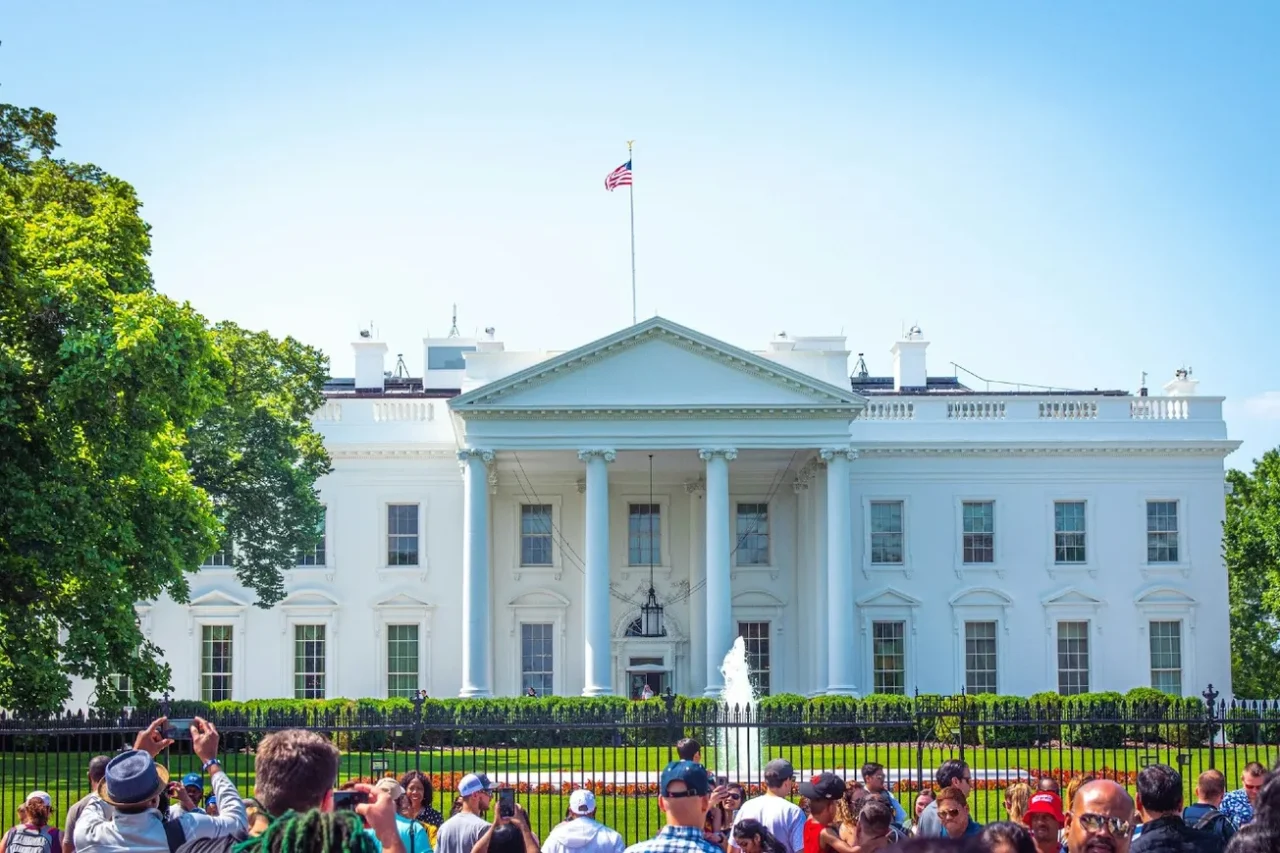
Efforts to quickly end the U.S. government shutdown collapsed on Wednesday after Democrats in Congress left Washington without reaching a funding deal with President Donald Trump, while the White House warned of possible mass layoffs in the public sector. The shutdown began at midnight when federal funding expired following a stalemate between Trump and lawmakers. Agencies have started scaling back operations, with the administration cautioning that “imminent” job cuts could follow. Senate Democrats, who are pushing for extended health care subsidies for low-income families, blocked a Republican-backed House bill that sought to temporarily reopen the government while talks continued. With voting adjourned until Friday, around 750,000 federal workers now face furloughs, effectively unpaid leave until government operations resume. Essential workers, including military personnel and border agents, are expected to work without pay, while others may miss paychecks as early as next week. Air traffic controllers have already raised safety concerns as more than 2,000 staff were sidelined. The White House signaled a tougher stance, with spokesperson Karoline Leavitt saying the administration was reviewing agencies “to identify where cuts can be made” and warning that layoffs were likely. Energy Department officials confirmed clean energy projects, mainly in Democratic-led states, would be scrapped, while the Transportation Department froze nearly $18 billion in infrastructure funding for New York. Shutdowns are not uncommon in Washington, but the current crisis carries higher stakes than most, with Trump pressing ahead on sweeping cuts to government agencies. The standoff has left everyday Americans frustrated as access to services — from national parks to permit applications — is disrupted. Republicans argue that Democrats are holding funding hostage by demanding billions for health care subsidies, while Democrats accuse the administration of using the shutdown to dismantle social programs and punish opponents. The Senate will reconvene on Friday, with lawmakers expected to remain in session through the weekend. The House is not scheduled to return until next week, prolonging uncertainty for millions of Americans affected by the impasse.

Nnamdi-Kanu.jpg

3min2090
The detained leader of the Indigenous People of Biafra (IPOB), Nnamdi Kanu, has petitioned the Nigerian Medical Association (NMA), accusing the Department of State Services (DSS) of falsifying his medical records and providing negligent care while in custody. The petition, titled “Grave Concerns Regarding My Medical Treatment and Health Management in DSS Custody: Request for Urgent Intervention, Protection of Independent Practitioners, and Immediate Release of NMA Medical Assessment Report,” was signed by Kanu from DSS detention in Abuja and transmitted through his legal team. Copies were also sent to the Registrar of the Federal High Court, Justice James Omotosho, and the DSS Director-General. In the letter, Kanu stated that his health—already compromised by what he described as his violent abduction in Kenya—had deteriorated further due to “inconsistent, falsified, and negligent medical practices” in Nigeria. He appealed to the NMA to investigate the alleged manipulation of his medical records, safeguard the independence of physicians, particularly Emeritus Professor Martin Aghaji, and ensure the immediate release of the NMA medical assessment report ordered by the Federal High Court on September 22, 2025. Recounting his treatment in Kenya before his rendition to Nigeria, Kanu alleged he was held in inhumane conditions for eight days, chained to a wall, denied food, water, and medication, and forced to ingest unidentified drugs. He claimed this left him gravely weakened before his transfer. Upon arrival in Nigeria, Kanu said tests showed a life-threatening potassium deficiency but alleged that DSS-appointed doctors falsified later results. “From the moment Dr. Nasiru Mohammed assumed control, he began recording normal potassium levels when in reality they were dangerously low. Under his so-called care, I continued to experience nosebleeds, fainting, chest pains, headaches, and swollen feet,” Kanu alleged. He further accused DSS medical staff of violating professional ethics by falsifying records, intimidating independent physicians, and withholding medical information, actions he said breached the principle of informed consent. Kanu credited Professor Aghaji with stabilising his condition, saying his intervention addressed fainting spells, nosebleeds, and swelling, while also identifying other health complications, including liver and kidney issues, prostate concerns, and tinnitus. He warned that untreated sleep deprivation caused by tinnitus, combined with his other conditions, posed a risk of stroke or sudden death. The IPOB leader urged the NMA to act swiftly by releasing its assessment report, protecting his chosen physician, and investigating DSS doctors accused of falsification. “Without decisive action, this neglect may prove fatal,” he concluded.

delta-planes.webp

1min2080
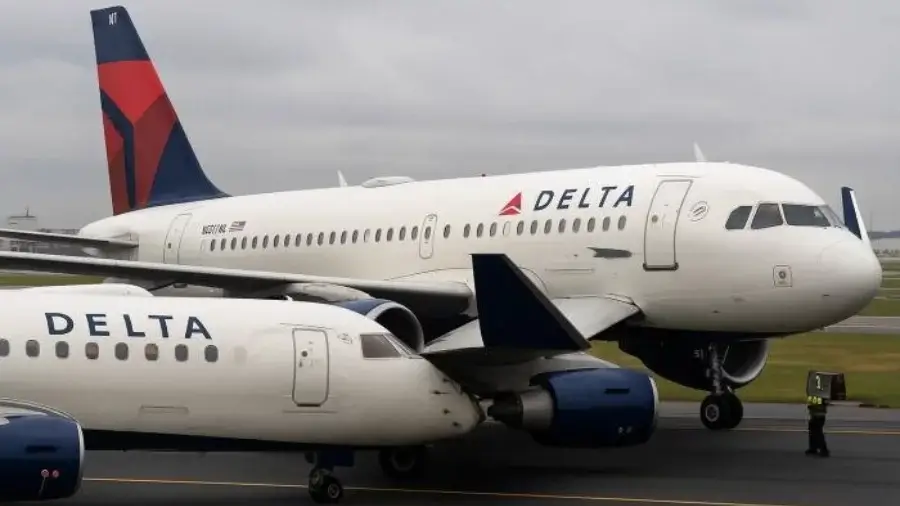
Two planes operated by Delta’s regional subsidiary, Endeavor Air, collided on Wednesday night on the runway at New York’s LaGuardia Airport, officials confirmed. The Port Authority of New York and New Jersey said the incident occurred at 9:58 p.m. local time (0158 GMT Thursday) when one jet was landing as another was preparing for takeoff. One person was hospitalized with non-life-threatening injuries, while Delta confirmed a flight attendant sustained a minor injury. In total, 93 passengers and crew were on board the two aircraft. Images circulating in U.S. media showed visible damage to the nose of one jet, though AFP could not immediately verify them. Despite the collision, the Port Authority confirmed that LaGuardia’s operations were not disrupted. Delta described the incident as a “low-speed collision during taxi” and said it was cooperating with authorities to review safety protocols. According to preliminary findings, the wing of the departing aircraft bound for Roanoke, Virginia, struck the fuselage of the arriving plane.

earthqake.webp

3min6310
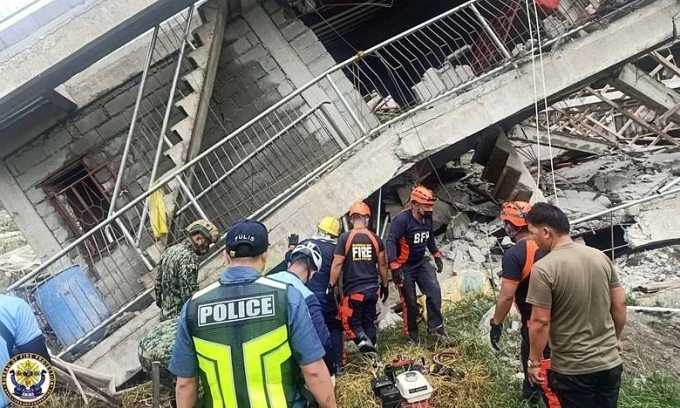
The death toll from the 6.9-magnitude earthquake that struck central Philippines on Tuesday has climbed to 72, authorities confirmed on Thursday. Rescue operations are winding down as officials report no more missing persons, shifting the focus to caring for the hundreds injured and thousands displaced. Overnight, three more bodies were recovered from the rubble of a collapsed hotel in Bogo City, Cebu province, near the epicentre. “We have zero missing, so the assumption is all are accounted for,” said National Disaster Risk Reduction and Management Council spokesperson Junie Castillo, noting that some rescue units had been asked to demobilise. Officials said 294 people were injured, while nearly 20,000 residents fled their homes. Around 600 houses were destroyed across northern Cebu, leaving many families camped out on streets as aftershocks continued to rattle the area. “One of the challenges is the aftershocks. Residents are reluctant to return home, even if their houses are still structurally sound,” Castillo explained. Cebu Governor Pamela Baricuatro called for urgent assistance, appealing for clean water, food, clothing, shelter materials, and volunteers to help distribute aid. President Ferdinand Marcos visited the affected areas on Thursday with senior officials to assess the destruction, including a housing project in Bogo originally built for survivors of the 2013 Super Typhoon Haiyan. Local authorities said eight people were found dead in collapsed houses within the project. Survivors are now facing dire conditions. In Bogo, 18-year-old Diane Madrigal said she and 14 neighbours were sheltering in a chapel after their homes crumbled. “The entire wall of my house fell. I don’t know when we can go back. I’m still scared of the aftershocks,” she said. Others queued for water as shortages deepened. “The earthquake really ruined our lives. We cannot eat, drink, or bathe properly,” said Lucille Ipil, a 43-year-old mother of four. At the provincial hospital in Bogo, dozens of patients were being treated in tents due to structural damage to the main building. Authorities estimate more than 110,000 people across 42 communities will need significant support to rebuild their homes and livelihoods. Many areas remain without power as recovery efforts continue. Situated on the Pacific “Ring of Fire,” the Philippines is among the world’s most disaster-prone nations, experiencing frequent quakes. While most are mild, destructive tremors strike without warning, often with devastating consequences.

cc.webp

3min2220
Snapchat has announced it will begin charging users for storing older photos and videos, sparking criticism from users with extensive archives saved in the app’s Memories feature. Since its launch in 2016, the Memories function has allowed users to save snaps that would otherwise disappear after 24 hours. But under new changes, users who exceed 5GB of stored content will now be required to pay for additional storage. Snap, the app’s parent company, did not disclose pricing details for UK users but said the policy would roll out gradually across global markets. A spokesperson told tech outlet TechCrunch that the initial paid plan will offer 100GB of storage for $1.99 (£1.48) per month. Users subscribed to Snapchat+ will get 250GB as part of their $3.99 (£2.96) plan. Those with more than 5GB of stored content will be prompted to upgrade. The company says it will provide a 12-month grace period for users over the limit to either download their data or move to a paid plan. “These changes will allow us to continue investing in making Memories better for our entire community,” Snap said in a blog post. “We understand it’s never easy to go from receiving a service for free to paying for it, but we believe the value will be worth the cost.” More than one trillion Memories have been saved globally since the feature launched. However, the update has triggered a backlash on social media, with users accusing the company of being “greedy” and “unfair.” Many longtime users claim they have accumulated well over 5GB of data over the years and now feel forced into paying to keep their digital memories. Screenshots of in-app messages warning users to pay or risk losing their saved content have gone viral, intensifying frustration. Snap insists the change won’t affect most users, noting that the majority store less than 5GB of Memories. Still, the move marks a significant shift in how the app handles data storage and a sign of broader changes across the tech landscape. Drew Benvie, CEO of social media consultancy Battenhall, called the shift “inevitable.” “The road to paying for storage on social media is inevitable,” he told the BBC. “In an era where we post less, but save more, this is the natural evolution for messaging and social platforms.” Snapchat, which now has over 900 million monthly active users, joins a growing list of tech companies looking to monetize features once offered for free especially as competition with platforms like Instagram and TikTok intensifies.

Nigerian-Police-Force-1.jpg

3min1210
The Federal Capital Territory (FCT) Police Command has confirmed that Arise News journalist Somtochukwu Maduagwu died after jumping from the top floor of her apartment building during an armed robbery in Katampe, Abuja, on Monday, September 29, 2025. This clarification follows earlier reports suggesting that her death may have been linked to alleged medical negligence at Maitama General Hospital, where she was taken after the incident. In an interview with Arise News on Wednesday, FCT Commissioner of Police Ajao Adewale confirmed that Maduagwu was found unconscious at the scene and was immediately rushed to the hospital. “Officers arrived at the scene to find her lying unconscious. She was taken to Maitama General Hospital, where doctors attempted resuscitation using CPR, but unfortunately, she did not survive,” Adewale stated. He explained that the attack occurred at Unique Apartments, a three-storey twin complex comprising 18 flats in the Gishiri area of Katampe, under the jurisdiction of the Mabushi Divisional Police. “Armed robbers gained access to the compound. Two private security guards were on duty. One of them was shot after attempting to confront the intruders,” Adewale said. “In the panic that followed, Sommie, who lived on the top floor, jumped from the third storey. Tragically, the fall proved fatal.” The police commissioner expressed condolences to the late journalist’s family, the Arise News team, and all Nigerians affected by the loss. He further disclosed that a dedicated investigation team, led by the Deputy Commissioner of Police (Investigation), had been formed to track the suspects. “We are working with all tactical units to pursue active leads. No stone will be left unturned until the perpetrators are brought to justice,” Adewale assured. Arise News had confirmed Maduagwu’s death on Tuesday, September 30, attributing the tragedy to the aftermath of a robbery and raising concerns over alleged lapses in emergency medical care. The incident has sparked widespread outrage across the country. The Nigerian Guild of Editors (NGE), media professionals, and civil society groups have condemned both the violent attack and the broader issue of insecurity. National figures including President Bola Tinubu, former Vice President Atiku Abubakar, and Lagos State Governor Babajide Sanwo-Olu have also expressed their condolences, calling for swift justice and better protection for citizens.

community-pharmacists.jpg

3min6510
Pharmacists in Lagos State have urged the Federal and Lagos State governments to urgently reform Nigeria’s drug distribution system and incorporate pharmacy services into the national health insurance framework. They warned that the continued exclusion of pharmacists from health policy planning threatens public health and undermines the country’s drive toward achieving Universal Health Coverage (UHC). The call was made during the 2025 World Pharmacists Day celebration in Lagos, themed “Think Health, Think Pharmacist.” The event, held at the Association of Community Pharmacists of Nigeria (ACPN) Secretariat in Ogudu, featured a health walk, community outreach, media engagements, and capacity-building sessions to highlight the critical role of pharmacists in healthcare delivery. Chairman of the Lagos ACPN, Tolu Ajayi, described Nigeria’s drug distribution system as chaotic and unsafe, warning that without strict enforcement of the National Drug Distribution Guidelines, Nigerians would remain exposed to fake and substandard medicines. “No other healthcare professional is better trained to ensure the safety, authenticity, and quality of medicines than the pharmacist,” Ajayi said, stressing that pharmacists must be central to drug supply and monitoring systems if lives are to be protected. Also speaking, Chairman of the Lagos State chapter of the Pharmaceutical Society of Nigeria (PSN), Pharm. Babayemi Oyekunle, criticised the National Health Insurance Authority and the Lagos State Health Management Agency for sidelining pharmacists in health insurance design and implementation. He argued that an insurance scheme that excludes pharmacists is incomplete and undermines access to safe and affordable medicines. “The pharmacy is often the first point of contact for patients. Ignoring this reality weakens the healthcare system at its foundation,” he said. Immediate past Chairman of ACPN Lagos, Pharm. Lawrence Ekhator, added that pharmacists must invest more in media advocacy to challenge misconceptions about the profession. He stressed that pharmacists are not merely drug dispensers but critical healthcare providers whose expertise improves patient outcomes. The event brought together pharmacists, stakeholders, and zonal coordinators across Lagos, with participants marching in a health walk to the ACPN Secretariat in Ketu-Alapere, alongside community outreach and awareness programmes reinforcing their call for reform.

Social-Media-Advertising.jpg.optimal.jpg

3min5780
The Minister of Budget and Economic Planning, Senator Abubakar Bagudu, has cautioned that social media narratives are distorting public perception of Nigeria’s progress, often comparing the country unfairly with advanced economies without considering its unique developmental challenges. Bagudu raised the concern in Abuja during a courtesy visit by a delegation of the United Nations Industrial Development Organisation (UNIDO), led by its Representative and Regional Director, Mr Philbert Johnson. His remarks were contained in a statement signed by the ministry’s Director of Information and Public Relations, Mrs Julie Osagie-Jacobs. The minister noted that overreliance on social media has clouded understanding of Nigeria’s economic journey, stressing the need to build awareness around the complexities of production, subsidies, and developmental stages. He urged stakeholders across sectors to contribute to the new National Development Plan (NDP 2026–2030), which is currently under review as the existing NDP 2021–2025 winds down. “Industrialisation remains a central pillar of this process because it offers the pathway to higher-quality jobs, inclusive prosperity, and stronger global competitiveness,” Bagudu said. He, however, criticised the global economic system for creating barriers to Africa’s industrial growth, noting that stronger economies often crowd out developing nations. Bagudu called on UNIDO to play a more active role in addressing these imbalances, stressing that Nigeria and other African nations need partners that can help design alternative pathways for industrial development despite protectionist global policies. In response, Johnson praised Nigeria’s commitment to industrialisation, confirming that UNIDO had signed a Programme for Country Partnership with the country six months earlier. He explained that the next step would be to establish a National Coordinating Body to guide its implementation, while reaffirming UNIDO’s support for renewable energy, circular economy projects, and small-scale industry development. Meanwhile, the National Bureau of Statistics reported that Nigeria’s Gross Domestic Product grew by 4.23 per cent year-on-year in real terms in the second quarter of 2025, compared with 3.48 per cent in the same period of 2024. The bureau said the rebased GDP, using 2019 as the base year, allowed better tracking of sectoral performance. However, labour unions, including the Nigeria Labour Congress, questioned the credibility of the figures, arguing that they do not reflect the worsening living conditions of workers and households.

PENGASSAN-750x375-1.jpg

4min23380
The Nigeria Labour Congress (NLC) has instructed its affiliate unions to commence immediate mobilisation in preparation for a nationwide strike against the Dangote Group, accusing the conglomerate of entrenched anti-worker practices. This directive follows the strike launched on Monday by the Petroleum and Natural Gas Senior Staff Association of Nigeria (PENGASSAN) against the Dangote Refinery, which disrupted operations at key oil and gas regulators including the Nigerian National Petroleum Company Limited (NNPCL), the Nigerian Upstream Petroleum Regulatory Commission (NUPRC), and the Nigerian Midstream and Downstream Petroleum Regulatory Authority (NMDPRA). On the same day, the National Industrial Court in Abuja issued an interim order restraining PENGASSAN from continuing its strike against Dangote Petroleum Refinery and Petrochemicals FZE, barring any disruption of crude oil and gas supply to the $20bn refinery in Lekki. PENGASSAN, however, said it was unaware of any such injunction, stressing that court processes must be formally served through a bailiff, not via online reports. The conflict stems from the union’s allegations that over 800 workers were dismissed for attempting to unionise, with their roles allegedly filled by expatriates, mainly from India. Dangote Group has denied the claim, stating the restructuring was a safety measure and that over 3,000 Nigerians remain in its employment. The standoff has forced a temporary shutdown at the refinery, a facility central to Nigeria’s push to reduce fuel imports and stabilise the naira. Government representatives met with PENGASSAN and the Dangote Group in Abuja on Monday in a bid to defuse the crisis. NLC President, Joe Ajaero, accused the company of systematic union-busting and disregarding both national and international labour laws. He alleged that Dangote operates “as a state within a state” and insisted that the conglomerate must respect workers’ constitutional rights. “Their facilities have become plantations of exploitation. The time for dialogue is over; the time for decisive collective action has come,” Ajaero declared. The NLC directed affiliate unions to unionise Dangote workers under their jurisdiction, set up Action Mobilisation Committees, and liaise with the national secretariat within 72 hours for coordination. The strike by PENGASSAN has already crippled activities at NNPCL, NUPRC, and NMDPRA offices in Abuja, with full compliance reported by union officials. Despite the court order, PENGASSAN’s leadership urged members to press on with industrial action until official communication is received. Meanwhile, the Association of Senior Civil Servants of Nigeria (ASCSN) has thrown its weight behind PENGASSAN and the Trade Union Congress, condemning what it described as “unjust and anti-labour practices” at the refinery. The Dangote refinery, built at a cost of over $20bn, is widely viewed as a cornerstone of Nigeria’s energy security strategy. Any prolonged shutdown could worsen fuel supply challenges and place additional strain on the economy.