Author: Zara Lianne

Zara Lianne16 July 2025
dd.jpeg

5min5890
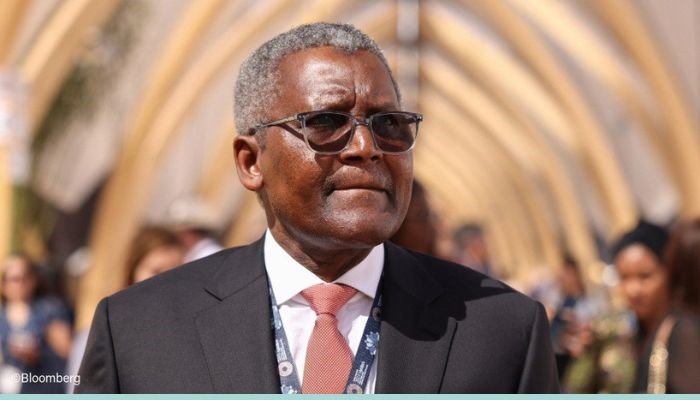
Alhaji Aliko Dangote, President of the Dangote Group, has revealed plans to reduce the cost of cooking gas, also known as Liquefied Petroleum Gas (LPG). He also stated that if current distributors fail to lower prices, he may begin selling directly to consumers. This announcement, however, has stirred mixed reactions among industry stakeholders. Some operators in the LPG sector have raised concerns about the potential for monopolisation, warning against any move that could sideline existing players. During a recent visit to his refinery by both local and international guests, Dangote emphasized that the current price of cooking gas is too high for many Nigerians, especially those who still rely on firewood for cooking. He disclosed that the refinery is producing around 22,000 tonnes of LPG daily and is working to increase supply across the country, as more Nigerians shift to gas for domestic use. While addressing members of the Lagos Business School CGEO Africa at the refinery in Lekki, Dangote said, “Right now, we’re producing about 2,000 tonnes of LPG daily. We know LPG use is growing in Nigeria, but the cost is still too high. We’re working to bring it down so it’s more affordable.” He also made it clear that if distributors do not adjust the prices, his company may step in and sell directly to end users to encourage a switch from firewood and kerosene to gas. In a related development, Dangote is also preparing to begin direct distribution of petrol, diesel, and aviation fuel to marketers across the country by August. As part of that initiative, 4,000 buses powered by compressed natural gas (CNG) have already been acquired. Presently, cooking gas is sold at about ₦1,000 to ₦1,300 per kilogram, but Dangote aims to reduce this to make it more accessible. There were mixed reactions from operators. Despite the good intentions behind the move, some stakeholders are not fully on board. A former chairman of the LPG and Natural Gas Downstream Group of the Lagos Chamber of Commerce and Industry, Godwin Okoduwa, expressed strong reservations. He described the plan as monopolistic and cautioned that the sector, which grew from just 70,000 metric tonnes in 2007 to over 1.3 million tonnes in 2022, was built through partnership among the government, gas producers, and marketers. He warned that trying to dominate the sector could undermine years of collective effort. Okoduwa explained, “This growth came through collaboration. If we want to go further to 5 million tonnes it should be through the same approach. Other countries like South Africa, Morocco, and Tunisia have higher per capita usage of LPG. Nigeria has the potential to do even better, but not through monopolistic moves.” He stressed the need for inclusivity, noting that many investors have spent years developing infrastructure and building consumer confidence in LPG. “He didn’t come into an empty market. The foundation was already laid. He should respect that and work together with existing stakeholders,” he added. Instead of competition, Okoduwa advised Dangote to focus on cooperation. “There’s room to grow. The Nigerian LPG market could reach 5 million tonnes. Everyone benefits from working together,” he said. On the claim that the goal is to make LPG affordable and reduce reliance on firewood, Okoduwa said, “If that’s truly the goal, he should focus on the Northeast, where LPG consumption is the lowest. Build infrastructure there, and we’ll thank him for it.” Bassey Essien, the Executive Secretary of the Nigerian Association of Liquefied Petroleum Gas Marketers, also cast doubt on the feasibility of Dangote’s direct-to-consumer plan. He said, “It’s not realistic. Look at petrol has the refinery been able to sell it directly to consumers at a cheaper rate? That’s the real test.”
Zara Lianne16 July 2025
ww.jpeg

4min4930
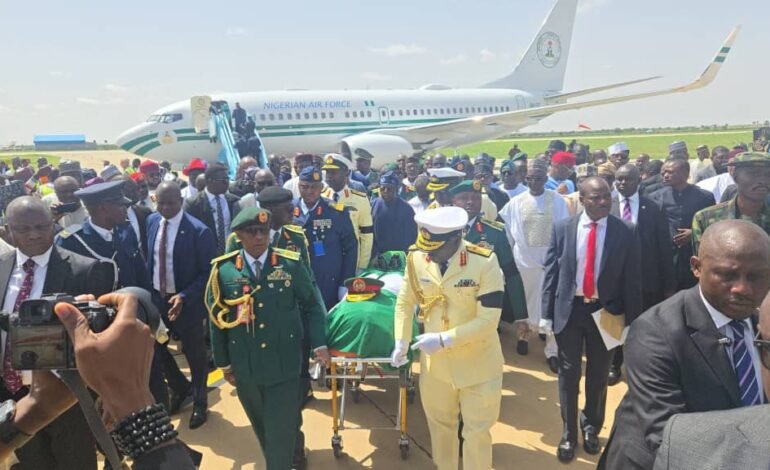
In an uncommon departure from standard protocol, the body of former President Muhammadu Buhari was flown back to Nigeria in the main cabin of a Nigerian Air Force jet, rather than in the aircraft’s cargo hold. This adjustment was made after it was discovered that the casket could not fit into the aircraft’s cargo compartment. Rather than placing the body in a bag suitable for the cargo space, those handling the arrangements chose to maintain the dignity of the casket by positioning it within the cabin. To accommodate this, the front seats of the cabin were folded down and tables unfolded to create a platform where the flag-draped casket could be respectfully secured. A source familiar with the situation explained that while it is customary for remains to be transported in the hold, the aircraft’s configuration made that impossible. Airport authorities abroad also raised safety concerns that ruled out forcing the casket into the cargo space. As an alternative, significant effort went into preparing the cabin. The casket, wrapped and covered with the Nigerian flag, was laid out on a makeshift bed created from the aircraft’s seating area. Upon arrival in Nigeria, a joint military team of nine senior officers served as pallbearers, honouring the former president with full ceremonial respect. The team was led by Major General Mike Alechenu and included senior personnel from the army, navy, and air force. Moving in slow, solemn steps to the hymn “God Be With You Till We Meet Again,” they wheeled the casket through a guard of honour made up of six officers and 96 soldiers from across the Armed Forces. President Bola Tinubu, Vice President Kashim Shettima, former Vice President Yemi Osinbajo, and other dignitaries joined the solemn procession behind the casket. The casket was then placed into a waiting military hearse for a one-hour journey to Daura, where funeral prayers and interment were held. The state funeral included full military honours, highlighted by a 21-gun salute. Before the flight’s arrival, President Tinubu and Vice President Shettima had gathered at the airport to receive the casket. They were joined by Guinea-Bissau’s President Umaro Sissoco Embaló, Niger Republic’s Prime Minister Ali Mahaman Lamine Zeine, former Nigerien President Issoufou Mahamadou, and other dignitaries. President Tinubu arrived at the Umaru Musa Yar’Adua International Airport in Katsina at 1:42 p.m., where he inspected a guard of honour. The Air Force jet carrying Buhari’s remains touched down at 1:51 p.m. In Daura, a large crowd gathered to pay their final respects, with some climbing trees for a final glimpse of the late president as he was laid to rest at his private residence.

Zara Lianne15 July 2025
IMG-20250715-WA0006.jpg

5min9540
On monday, soldiers prevented a group of traditionalists, believed to be members of the Osugbo cult, from participating in the Muslim funeral rites of the late Awujale of Ijebu land, Oba Sikiru Adetona. Their presence at the ceremony caused some tension, but onlookers raised their voices in protest, prompting the soldiers to step in and escort the traditionalists away from the monarch’s residence. Oba Adetona was laid to rest at his private residence in Ijebu Ode around 6 p.m. on Monday, in accordance with Islamic rites. The incident comes against the backdrop of resistance by traditional groups to the Obas and Chiefs Law of 2021, which allows traditional rulers to be buried according to their religious beliefs. The traditionalists had objected to this law, insisting that royal fathers must be buried strictly by traditional customs. Oba Adetona was said to have played a major role in amending this law. Despite attempts by the traditionalists to intervene, security forces ensured that the funeral proceeded without disruption. Oba Adetona, who reigned for 65 years, passed away on Sunday, July 13, 2025, at the age of 91. He was buried beside his father and mother in what appears to be a family mausoleum. The burial followed Islamic prayers led by the Chief Imam of Ijebu land, Sheikh Muftaudeen Ayanbadejo. Among those in attendance were former Vice President Yemi Osinbajo (SAN), Ogun State Governor Dapo Abiodun, Lagos State Governor Babajide Sanwo-Olu, Ogun Deputy Governor Noimot Salako-Oyedele, Speaker of the Ogun State House of Assembly Oluwadaisi Elemide, former Governors Segun Osoba and Gbenga Daniel, and Senator Adegbenga Kaka. Also present were business leader Aliko Dangote, First Lady of Ogun State Bamidele Abiodun, and Senators Solomon Adeola and Salisu Shuaib. Speaking at the event, Governor Abiodun described the late monarch as a wise and influential figure whose reign was defined by generosity, integrity, and peace. He noted that Oba Adetona was not only a respected leader in Ijebu land but a national figure whose early brilliance earned him a place on the Western Region executive council. “He was principled, intellectual, and deeply patriotic. Kabiyesi will be remembered for his transparent leadership and unshakable dedication to the Nigerian state,” Abiodun said, adding that he would personally miss the monarch’s guidance and support. Aliko Dangote praised the late Oba for his inclusive leadership and love for people regardless of background, describing his contributions to national development as outstanding. Sunny Kuku, the Ogbeni Oja of Ijebu land and interim regent, spoke of Oba Adetona as a man of integrity and wisdom who made a lasting impact through education, poverty reduction, and cultural promotion. He highlighted the monarch’s transformation of the Ojude Oba festival into a globally recognized event and his efforts to uplift the less privileged. Ladi Adebutu, the 2023 gubernatorial candidate of the Peoples Democratic Party in Ogun State, commended the late king’s legacy of service and leadership, encouraging Nigerians to emulate his commitment to development and social progress. Former Governor Gbenga Daniel described Oba Adetona as a fearless monarch who always spoke truth to power. He emphasized that one of the best ways to honour him would be to fulfill his long-standing dream of creating a new state out of the old Ijebu Province. “Everyone knew Kabiyesi as someone who never shied away from saying the truth, even if it wasn’t popular. He stood firm through life’s many challenges and emerged with a reputation for honesty and strength,” Daniel said. He called on the relevant authorities to take this moment as an opportunity to correct the historical oversight by establishing a new state, noting that Ijebu is the only one of the 24 provinces created in 1924 that has yet to be granted statehood. Segun Osoba also paid tribute to the late monarch, praising his wisdom and commitment to the progress of Ijebu land and the nation. He noted that Oba Adetona’s sincere and principled leadership would be greatly missed.

Zara Lianne11 July 2025
WhatsApp-Image-2025-07-11-at-11.23.28-AM.jpeg

2min9990
The Nigerian Education Loan Fund has started disbursing upkeep allowances to students who have switched their bank details from digital wallet platforms to traditional commercial banks. According to the Fund’s Director of Corporate Communications, Oseyemi Oluwatuyi, this marks a major step forward in addressing the delays that had previously affected payment distribution. So far, over 3,600 students who initially provided digital-only banking details have now received their outstanding payments after updating their information on the NELFUND portal. “We truly appreciate the patience and understanding shown by all affected students during this period,” Oluwatuyi said. “Your cooperation has played a crucial role in making this progress possible.” Students who have yet to receive their upkeep funds and are still using digital wallets are encouraged to raise a support ticket on the NELFUND portal to gain access for updating their bank information. Alternatively, they can report the issue through their institution’s IT office, which will compile and forward the cases to NELFUND for prompt resolution. The Fund reaffirmed its commitment to ensuring that every eligible student benefits from the support provided. This current resolution effort is part of a wider push to improve transparency, efficiency, and student-focused service delivery. Students are also reminded to use only official NELFUND platforms for communication and are encouraged to help fellow students who may need guidance with the update process. “Once again, we thank you for your continued patience and support as we work to provide a more inclusive and dependable student loan system,” the statement concluded.

Zara Lianne10 July 2025
ogun-ag.jpeg

5min4560
The Attorney General and Commissioner for Justice in Ogun State, Oluwasina Ogungbade, has clarified that Ogbonna Ogbojionu, an indigene of Abia State recently released after 22 years in prison, was convicted for robbery not for buying a stolen generator, as widely claimed on social media. In a statement, Ogungbade explained that Ogbonna and his accomplices were involved in a robbery that took place on October 3, 2000, during which a security guard was killed. Ogbonna gained widespread attention after his release, which followed the intervention of the Abia State Governor. Social media reports had alleged that he was wrongly sentenced to death for unknowingly purchasing a stolen generator, prompting criticism of the justice system. Refuting these claims, Ogungbade stated that Ogbonna was properly convicted based on evidence presented in court. He explained that the robbery occurred around 10 p.m. at the ELF petrol station along Abeokuta-Lagos Road, where a gang stole a 10 KVA Lister generator. The robbers, according to the statement, overpowered two security guards Yusuf Akanni and Moses Bankole. Both men were assaulted with iron rods, with Akanni sustaining a broken femur and Bankole dying at the scene. The gang then fled with the generator. Ogbonna, who worked as a generator technician, was reportedly the individual who detached the generator during the robbery. Days later, around 2:30 a.m., police intercepted a vehicle at the Toll Gate area. Though it was seemingly loaded with firewood and water bags, a search revealed the concealed generator. Ogbonna and two others were in the vehicle but failed to provide proof of ownership. As officers tried to seize the vehicle, the driver and one other suspect fled, leaving Ogbonna behind. He was detained but escaped custody overnight by breaking through the cell ceiling. However, police had already recorded the vehicle’s registration details. Further investigation led to the arrest of the vehicle’s owner and several drivers, one of whom guided the police to Ogbonna’s associates. Eventually, the police rearrested Ogbonna, who had already sold the generator. He then led them to the buyer, one Ali Rihan, who returned the generator and testified during the trial. Ogungbade noted that Ogbonna admitted to the crime during legal proceedings and failed to provide any witnesses in his defense. As a result, the court convicted him on January 14, 2003. His death sentence was later commuted to life imprisonment in 2021 under the Governor’s prerogative of mercy. The Attorney General emphasized that there is no evidence suggesting Ogbonna ever purchased the generator in question. If he had, he would have been able to provide a receipt or other proof of purchase. Notably, Ogbonna himself issued a receipt when selling the generator to Rihan. Questions were raised about his claims of being coerced into making a confession. Ogungbade argued that if the confession had been obtained under duress, Ogbonna would have had the opportunity to challenge it in court, but he did not. He also failed to bring forward any witnesses to support his story or provide details about how he came to possess the generator lawfully. The statement concluded with a call for people to view the full context of the crime. Ogungbade stressed that the robbery not only resulted in the death of a man but also caused trauma and business losses. He urged the public to consider the victims and avoid spreading misleading narratives. If Ogbonna is truly reformed, he added, he should quietly rebuild his life and show gratitude for his freedom rather than promoting an account that casts doubt on his honesty and disrespects the memory of those affected by his actions.

Zara Lianne9 July 2025
US-Student-Visa.webp

2min22860
The United States has announced a change to its non-immigrant visa policy for Nigerian citizens. Effective immediately, most non-immigrant and non-diplomatic visas issued to Nigerians will now be single-entry and valid for only three months. According to a recent announcement from the U.S. Mission in Nigeria, the new policy will apply to visas issued from July 8, 2025, onwards. However, visas issued before this date will remain valid according to their original terms. This adjustment is part of the U.S. government’s global visa reciprocity review, a standard process that assesses and aligns visa validity, entry frequency, and other requirements with how U.S. citizens are treated by other countries. The mission emphasized that these policies are constantly under review and can be updated as needed. The U.S. government stated that the decision aims to safeguard the integrity of its immigration system, guided by international technical and security benchmarks. The mission explained that it is working with Nigerian authorities to help the country meet these benchmarks. Key criteria include: Issuing secure travel documents with verified identities Managing visa overstays effectively Sharing relevant security or criminal information to enhance public safety Despite the stricter measures, the U.S. affirmed its commitment to maintaining strong diplomatic ties with Nigeria. The mission emphasized that the longstanding relationship between both nations remains grounded in mutual respect, shared security interests, and economic collaboration. The mission also acknowledged the progress made by Nigerian immigration and security agencies toward aligning with international best practices. Nigerian travelers were urged to strictly follow visa conditions, ensure their documents are genuine and current, and comply with all entry requirements. The U.S. reiterated its dedication to building strong connections with the Nigerian people through educational, cultural, and business exchanges, and expressed optimism about continued cooperation with both citizens and officials in promoting safe, legal, and orderly travel.

Zara Lianne9 July 2025
JAMB-2025.jpeg

4min3510
The national admissions board, in collaboration with stakeholders in tertiary education, has approved the minimum acceptable Unified Tertiary Matriculation Examination (UTME) scores for the 2025 admission cycle into universities, polytechnics, colleges of education, and nursing institutions. At the recent annual policy meeting on admissions held in Abuja, a score of 150 was approved as the benchmark for admission into universities, while 100 was set for polytechnics and colleges of education. For colleges of nursing, the minimum acceptable score was fixed at 140. Institutions are permitted to raise their individual cut-off marks above these thresholds but must not admit students who score below them. Compared to last year, the minimum cut-off for universities has increased from 140 to 150, while scores for other institutions remained unchanged. The final decision was based on a vote by heads of various institutions vice-chancellors voted for universities, rectors for polytechnics, and provosts for colleges of education. The registrar of the admissions board and the education minister had both advocated for a higher minimum score of 160, but most institutional leaders resisted the increase. During the deliberations, proposals varied: one vice-chancellor suggested 140, another 130, and a few pushed for 160, though with little support. Eventually, the consensus settled on 150 for universities. All institutions that previously proposed lower minimum scores are now required to update them to at least the newly agreed benchmarks. Each institution must also maintain its individually approved minimum score, in line with national policy. In addition to academic benchmarks, the government reaffirmed its stance on 16 years as the minimum age for admission into any tertiary institution. Speaking at the meeting, the minister emphasized that the policy was now official and non-negotiable. “Age has been a recurring issue in admission processes. We are now making it clear no candidate under the age of 16 will be legally admitted,” he stated. He explained that while the age limit had previously been set at 18, it was reviewed downward to accommodate certain cases, provided the institutions ensure compliance. The minister stressed that this policy aims to balance cognitive readiness with academic development. He acknowledged that exceptions could be granted for exceptionally gifted or fast-tracked students, but such cases must be well-documented and justifiable. Institutions were warned against falsifying or manipulating candidates’ age records. Any admission processed outside the official Central Admissions Processing System (CAPS) would be deemed invalid.

Zara Lianne9 July 2025
dangote_refinery-1280x720.jpg

3min3850
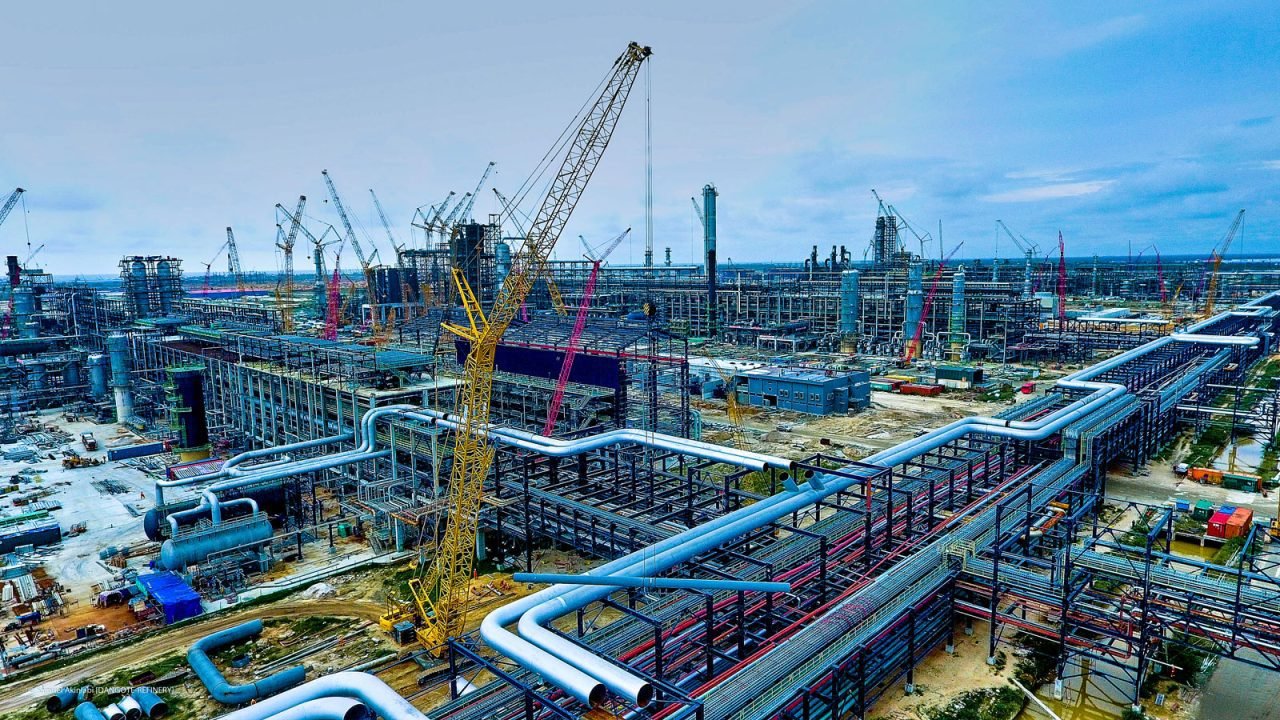
The Dangote oil refinery is aiming to stop importing crude oil by December 2025, with plans to rely entirely on Nigerian crude by the end of the year. This shift would eliminate the need for hundreds of thousands of barrels of imported oil per day. In June, about half of the refinery’s crude came from local producers, who are expected to increase their supply as existing foreign contracts begin to expire. According to Devakumar Edwin, Vice President at Dangote Industries and overseer of the 650,000-barrel-a-day facility in Lagos, the refinery expects to fully transition to domestic crude before the end of the year. He explained that several long-term agreements with international suppliers are set to end soon, paving the way for the plant to rely completely on Nigerian oil. Previously, it was noted that the refinery had depended heavily on crude from the United States, despite a local oil-for-naira exchange arrangement. Oil producers in Nigeria have raised concerns about directives requiring them to prioritize supply to Dangote and other local refineries, as outlined in the country’s Domestic Crude Supply Obligations. Crude theft, pipeline vandalism, and existing international supply contracts have made it challenging to ensure steady domestic availability. As a result, the refinery has sourced oil from countries such as Brazil, Angola, Ghana, and Equatorial Guinea. Edwin, however, expressed optimism that better cooperation with local oil traders and government agencies would lead to a more stable domestic supply. The refinery expects a noticeable increase in local crude deliveries in the coming months. In June, more than half of the plant’s crude around 53% came from Nigerian producers, while 47% was imported from the U.S. The facility is currently processing approximately 550,000 barrels of crude daily. Dangote is scheduled to receive five shipments of crude from the Nigerian National Petroleum Company Limited in both July and August. Each cargo contains nearly one million barrels. The $20 billion refinery was built with the goal of ending the cycle of exporting Nigerian crude only for it to be refined abroad and re-imported at a higher cost. While the plant is still ramping up to its full capacity of 650,000 barrels per day, it has already started contributing to Nigeria becoming a net exporter of refined petroleum products despite initial challenges in securing consistent domestic crude supply.

Zara Lianne9 July 2025
trump.jpg

4min4580
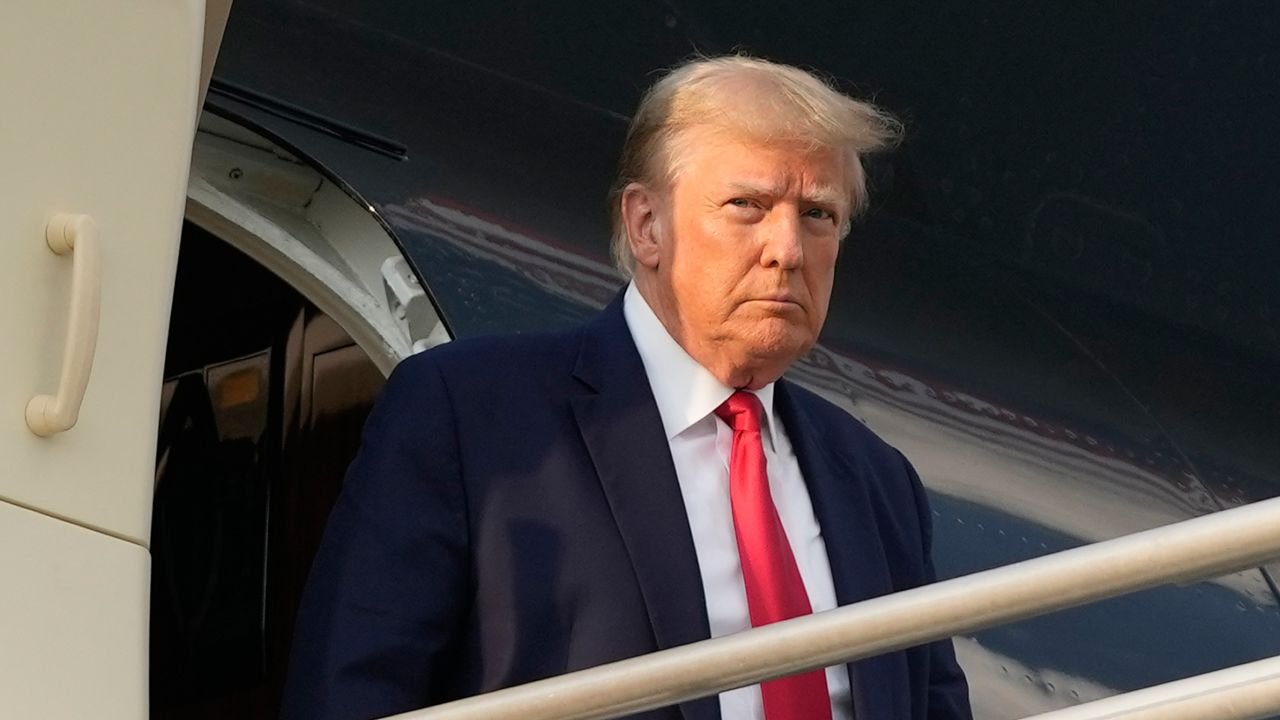
U.S. President Donald Trump is set to host five African leaders for a lunch at the White House on Wednesday, with trade and commerce expected to be key points of discussion alongside a variety of other potential topics. The leaders from Senegal, Liberia, Guinea-Bissau, Mauritania, and Gabon all located along Africa’s Atlantic coast are attending the meeting at the invitation of the U.S. president. Officials from the participating countries have indicated that discussions will likely focus on economic cooperation, investment opportunities, and regional security during the gathering in the White House’s State Dining Room. However, few official details have been shared about the White House’s specific goals for the meeting. The event comes at a time when the U.S. administration is prioritizing trade agreements and ensuring a steady supply of strategic resources. While the five visiting nations are not known for vast mineral reserves compared to other African countries, the meeting underscores growing attention on the region’s economic potential. The timing also coincides with recent changes in U.S. foreign aid policy, including the closure of a major aid agency and a shift away from traditional assistance models. Liberian President Joseph Boakai, ahead of the visit, expressed interest in building partnerships based on trade rather than aid, according to his spokesperson. She noted the country’s focus on attracting investment and establishing long-term economic ties. A spokesperson for Gabon’s president described the meeting as an opportunity to explore collaboration focused on economic development and industrialization. The backdrop to this gathering includes increased involvement in the region by global powers such as China and Russia. China has invested heavily across several of the attending countries, while Russia has shown support for a new regional alliance of military-led governments in neighboring states. Security concerns, including drug trafficking, may also come up during the discussions. Guinea-Bissau recently handed over convicted drug traffickers to U.S. authorities, underscoring the country’s ongoing role as a transit point for narcotics moving from Latin America to Europe. Speaking ahead of his departure for Washington, the president of Guinea-Bissau described the visit as an important opportunity for his country, both economically and diplomatically. He expressed hope that his nation could benefit from the type of support the U.S. offers other international partners. While high-profile meetings at the White House have occasionally led to unexpected political moments for visiting leaders, the current meeting is expected to remain closed to the press. No public statements or joint appearances have been announced at this time. A White House spokesperson confirmed the lunch would take place with the five African leaders, though additional details about the agenda or any outcomes remain limited. Meanwhile, an internal memo has reportedly listed several of the visiting countries as potential additions to a broader travel restriction policy currently under review by U.S. authorities.

Zara Lianne3 June 2025
WhatsApp-Image-2025-06-03-at-3.01.50-PM.jpeg

3min10230
The Chief of Army Staff (COAS), Lieutenant General Olufemi Oluyede, has relocated to Makurdi, the capital of Benue State, in response to the relentless killings of innocent villagers by herders and militia groups. The violence, now occurring almost daily, has resulted in numerous deaths, injuries, and destruction of property, leaving many families homeless. According to reliable sources, Lt. Gen. Oluyede left Abuja on Tuesday morning, accompanied by his Principal Staff Officers (PSOs) and other senior officers from the Army Headquarters, to conduct a firsthand assessment of the security situation in Benue. Insiders reveal that the army chief has instructed the deployment of additional troops to the state to confront the militias and armed groups terrorizing the local population. In Benue, he is set to convene strategic meetings with operational and unit commanders to evaluate current operations and devise effective measures to halt the killings. Lt. Gen. Oluyede will also visit military bases and troop locations across the state to engage with soldiers, boost their morale, and strengthen their resolve. Furthermore, he plans to tour communities recently attacked to reassure residents of the army’s commitment to safeguarding their lives and properties. Frustrated by the continuous bloodshed, the COAS may implement strategic changes, including redeploying commanders to better manage operations on the ground. During his stay, he will personally lead troops in ongoing military efforts and is expected to remain in Benue for several days before returning to Abuja. The attacks, widely condemned as ethnic cleansing, have seen gunmen—believed to be herders—launch brutal assaults on villages using advanced firearms and machetes. Just last weekend, 43 people were killed in renewed attacks across multiple communities in Gwer West and Apa Local Government Areas of Benue State. This latest violence follows an earlier incident less than a week prior, where herdsmen militia shot a priest, Rev. Fr Solomon Atongo, along the Makurdi-Naka road and attacked four communities in Gwer West LGA, including the village of Bishop Wilfred Anagbe. These attacks resulted in 42 deaths, including that of a mobile police officer.