Author: Zara Lianne

Zara Lianne22 July 2025
GRID-1280x853.png

9min4190
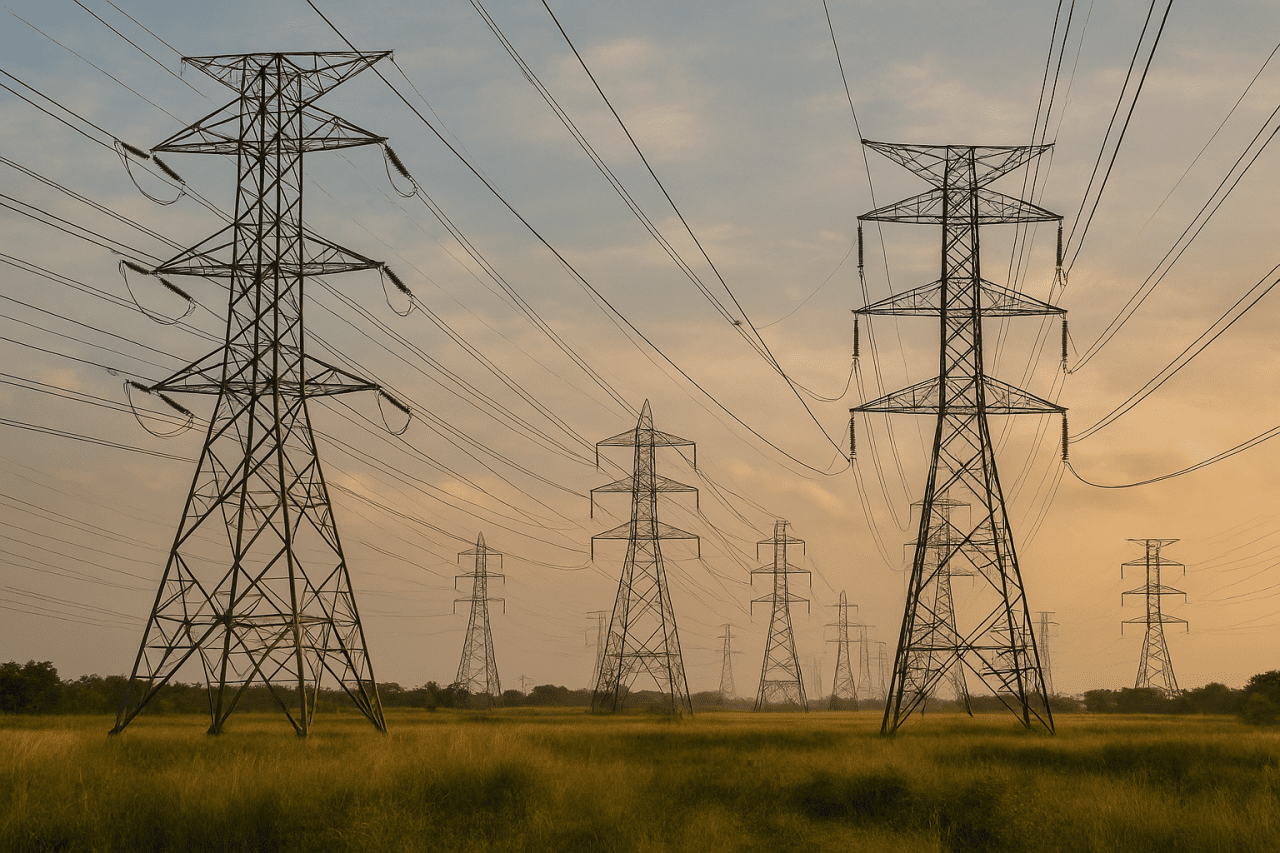
More states are moving to lower electricity tariffs following a recent decision by the Enugu Electricity Regulatory Commission (EERC), which approved a new tariff order for MainPower Electricity Distribution Ltd. The revised tariff lowers the cost of electricity for Band A customers from N209 per kilowatt-hour to N160/kWh, effective August 1, 2025. This move has been met with strong resistance from electricity generation and distribution companies. Power producers argue that the decision could seriously harm the sector, noting that the industry already faces over N5 trillion in unpaid debts. Despite the backlash, the Enugu government has stood its ground, insisting the tariff cut followed proper regulatory procedures and reflects the state’s efforts to balance affordability with economic realities. Power firms have warned that the tariff cut is based on faulty assumptions about federal subsidies and could destabilize the already fragile electricity sector. They argue that the tariff does not cover the actual cost of generating power and might discourage future investments. Nevertheless, other states with newly established regulatory bodies have expressed interest in adopting similar measures. Enugu is among seven states alongside Ondo, Ekiti, Imo, Oyo, Edo, and Kogi that now control their electricity markets under the Electricity Act of 2023. States like Lagos, Ogun, Niger, and Plateau are also in the process of completing their own transitions. Several of these states, including Ondo, Plateau, and Lagos, have revealed plans to review and potentially reduce their electricity tariffs to ease the financial burden on residents. Ekiti, however, has opted to maintain the existing national tariff structure for now, citing ongoing subsidy benefits. Officials from distribution companies operating in the affected states have cautioned that any reduction in tariffs must be accompanied by immediate state-funded subsidies to cover the cost gap. They argue that it is no longer feasible for the federal government to absorb these losses, especially after the removal of subsidies for Band A consumers. According to EERC’s official order, the new N160/kWh rate for Band A customers is based on a cost-reflective model that factors in federal subsidies on power generation. The commission emphasized that the reduction followed a comprehensive review of MainPower’s operations and pricing proposals. EERC Chairman, Chijioke Okonkwo, explained that the revised tariff was determined after months of detailed assessments and public consultations. He noted that the commission developed a transparent pricing methodology that includes operating costs, inflation, energy losses, and capital investment plans. He added that the federal government’s subsidy on generation costs played a key role in enabling the lower tariff. Without the subsidy, the average cost of electricity would exceed N112/kWh, pushing the final tariff above the current N160/kWh. However, power producers remain skeptical. A spokesperson for the generation companies argued that there is no official policy backing federal subsidies and warned that the assumption of subsidy coverage is misleading. She pointed out that current funding provisions in the national budget fall short of what is required to settle the industry’s debts, which amount to N4 trillion. She further criticized the EERC’s tariff model, noting that it captures only N45/kWh for generation costs far below the N112/kWh actual cost leaving a significant shortfall. According to her, such decisions raise broader concerns about the decentralization of the power sector, especially around how states plan to handle legacy debts and financial obligations now that they have regulatory independence. Meanwhile, Plateau State’s electricity commission confirmed plans to introduce its own tariff cut, stating that the priority is to improve the quality of life for residents. Officials in Lagos also said the state is reviewing Enugu’s approach and will announce its own plans soon. The Lagos energy commissioner emphasized the need to balance affordability with the city’s unique energy demands and economic importance. In Ondo, officials claimed they had already taken steps to implement lower tariffs and are currently working with investors to finalize power purchase agreements that would allow them to independently determine rates. Ekiti State, however, has opted to remain under the national Multi-Year Tariff Order (MYTO) for now. Officials there say that while reducing tariffs is desirable, it must not compromise the financial sustainability of electricity supply. They noted that Ekiti would consider exiting the national framework once it can support its own subsidy structure. On the other hand, officials from distribution companies have warned that cutting tariffs without a solid plan to cover the resulting shortfall is unsustainable. One official noted that Enugu’s action could undermine investor confidence, stressing that electricity production costs remain well above N200/kWh. He questioned the feasibility of the subsidy, noting that Enugu’s reduced rate would only work if the state is prepared to bear the difference. He also emphasized that state laws cannot override constitutional provisions, adding that any state decision creating financial imbalances would be subject to legal review. The official reiterated that subsidies should be targeted at vulnerable populations and not blanket across all customers. He warned that placing the burden of Band A shortfalls on the federal government is no longer possible since subsidies for that category have been withdrawn.   In response, EERC Chairman Okonkwo reiterated that the commission’s decision was backed by solid data and a rigorous regulatory process. He said that MainPower submitted detailed operating information including customer profiles, losses, capital needs, and service projections which was used to calculate a fair tariff under the commission’s approved methodology. He explained that the commission’s tariff model includes all operational and capital costs and aligns with global best practices. He added that the current rate was made possible by leveraging the federal subsidy at the generation level, which brought the average delivery cost to just over N94/kWh. Okonkwo acknowledged, however, that the current affordability of electricity in Enugu may be temporary if the federal subsidy is withdrawn in the future. Without it, the generation cost would spike, pushing tariffs even higher than the present Band A rate. Power sector experts have also weighed in. Some questioned whether Enugu’s calculations fully account for the actual cost of supply and whether assumptions about ongoing

Zara Lianne22 July 2025
Peter-Obi.jpg

5min3690
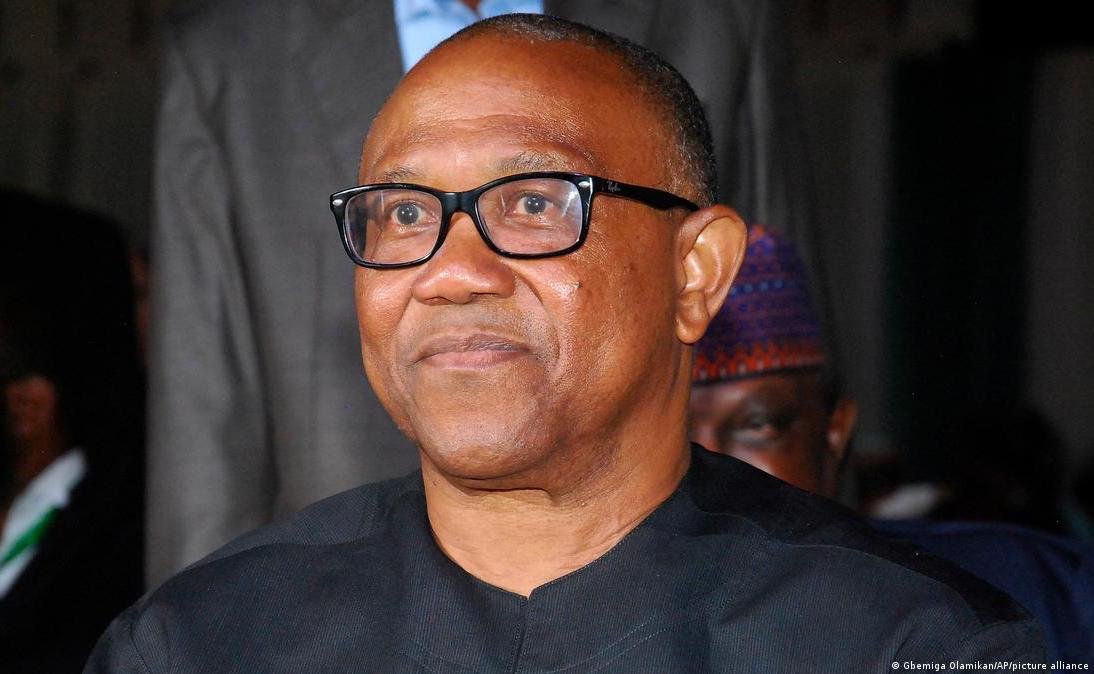
The team of Peter Obi, Labour Party’s presidential candidate in the 2023 election, has clarified that it was not involved in a recent meeting between his former running mate, Dr. Datti Baba-Ahmed, and the party leadership led by Julius Abure. The Labour Party has been dealing with ongoing internal leadership disputes, which intensified after a Supreme Court ruling in April. While the Independent National Electoral Commission recognizes Julius Abure as the national chairman, the court ruling disqualified him, leading to competing claims from different factions within the party. One such faction is led by Lamidi Apapa, who argued that he should take over based on his seniority within the party’s Working Committee. Meanwhile, another faction, backed by Peter Obi and Abia State Governor Alex Otti, is aligned with a caretaker committee chaired by Senator Nenadi Usman. Reacting to the meeting between Abure and Baba-Ahmed, the National Coordinator of the Obidient Movement Worldwide, Dr. Yunusa Tanko, said the group remains committed to Obi and the caretaker leadership. “We are not aware of that meeting. As Obidients, we remain loyal to Peter Obi. Wherever he stands, we stand,” he said. “It’s known that Obi is with Governor Otti and the caretaker committee led by Senator Usman. That’s our position.” When asked about the presence of some Obi loyalists at the meeting, including Hajia Nana Kazauri, Tanko explained that any attendance was in a personal or observational capacity. He insisted there was no division within the movement and emphasized the ongoing good relationship between Obi and Baba-Ahmed. Tanko also clarified that while the meeting may not have been pre-approved by Obi’s camp, any genuine effort to reconcile the party was welcome, provided it had the overall good of the party at heart. During the meeting, Dr. Datti Baba-Ahmed reportedly recognized Julius Abure as the legitimate party chairman, saying the Labour Party’s past successes were unprecedented and worth preserving. He acknowledged that the party had presented solid results in the 2023 elections but highlighted the negative impact of internal division. He said his role in the meeting was to act as a peacemaker and encourage unity within the party. “I am here to bridge the gap between factions and promote understanding,” he said. “Though I’ve participated in coalition discussions in the past, I remain committed to the Labour Party and its values.” Baba-Ahmed also warned party members against joining alliances that do not align with the party’s principles. Reflecting on past political transitions in Nigeria, he stressed the importance of not just changing leadership but ensuring better governance follows. He affirmed that Peter Obi remains with the Labour Party and expressed optimism about unifying all groups to move forward together. In response, Julius Abure welcomed Baba-Ahmed’s reconciliatory tone and extended an invitation to Obi, Otti, and others to return and work together. He called for forgiveness and unity, saying there should be no winners or losers in the internal crisis. Abure also addressed recent questions about his visit to the Minister of the Federal Capital Territory, Nyesom Wike, which sparked speculation. He described the visit as a personal and private interaction, stating that as a Nigerian citizen living in Abuja, he had the right to meet with government officials. Reaffirming his commitment to the Labour Party, Abure said the party’s success under his leadership speaks for itself. He emphasized that he would continue to defend and protect the party’s values and principles, stating that he remains loyal to its mission.

Zara Lianne22 July 2025
US-IMM-1280x853.png

3min17170
The United States Citizenship and Immigration Services (USCIS) has introduced a new set of immigration-related fees that will take effect from July 22, 2025, following updates tied to the H.R. 1 Reconciliation Bill. From that date, all applications must include the updated fees. Any applications received on or after August 21, 2025, without the correct payment will be rejected. One of the key updates is a $100 fee for submitting Form I-589, which is used for asylum and withholding of removal. An additional $100 Annual Asylum Fee will also be charged each year while the application is pending. This fee must be paid online. Changes also affect those applying for or renewing work permits using Form I-765: $550 for first-time applicants $275 for renewals or extensions $275 for those applying after being granted re-parole with Form I-131 A new $250 fee has been added for Special Immigrant Juvenile cases under Form I-360. The fee for registering for Temporary Protected Status (TPS) using Form I-821 has increased significantly from $50 to $500. USCIS explained that these new H.R. 1-related fees are separate from its regular filing fees and cannot be waived or reduced, even for applicants who qualify for other fee waivers. The agency also specified that anyone who submitted Form I-589 on or after October 1, 2024, and whose application is still pending after a year, must pay the Annual Asylum Fee on the one-year anniversary of their filing date and each year it remains pending after that. The validity of some work permits has also been shortened. For example, parolees will receive work permits valid for up to one year or the length of their parole, whichever is shorter. Similarly, those under TPS will get work permits valid for a maximum of one year or the duration of their protected status. Additional changes to fees for other forms, including travel documents and replacement of arrival records, will be announced at a later date.

Zara Lianne21 July 2025
aa.jpeg

4min3590
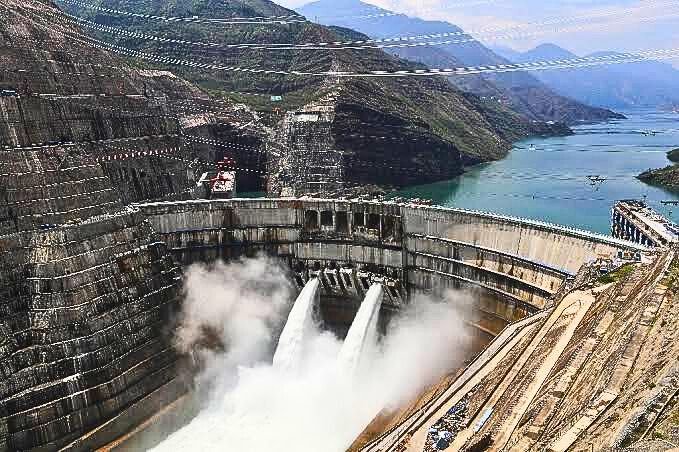
Chinese authorities have begun constructing what is expected to become the world’s largest hydropower dam in the Tibet Autonomous Region, sparking concerns from neighboring countries including India and Bangladesh. Premier Li Qiang recently attended a ceremony marking the start of construction on the Yarlung Tsangpo River. The river originates on the Tibetan Plateau and flows through parts of South Asia, where it is known by different names, including the Siang, Brahmaputra, and Jamuna. The project officially named the Motuo Hydropower Station is valued at around 12 billion yuan (approximately $1.67 billion) and is projected to surpass the Three Gorges Dam in size and capacity. When completed, it is expected to generate up to three times more electricity than its predecessor. While Chinese officials have stated the project will emphasize ecological preservation and local development, it has raised alarms in India and Bangladesh over its potential environmental and geopolitical implications. Critics warn that the dam could allow China to control or divert water flow to downstream areas, threatening the livelihoods of millions who rely on the river system. Officials and experts in India have expressed particular concern about the river’s course through Arunachal Pradesh and Assam, where it supports agriculture and daily life. Arunachal Pradesh Chief Minister Pema Khandu recently warned that the construction could significantly reduce water flow, describing the project as a potential “existential threat” to local communities, particularly the Adi tribe and others who live along the Siang belt. He cautioned that if large volumes of water were suddenly released from the dam, it could result in catastrophic flooding, wiping out land, homes, and lives. India’s central government has echoed these concerns and is currently planning its own hydropower dam on the Siang River to help mitigate the risk of sudden surges from the upstream project. Bangladesh has also voiced its concerns, with officials requesting further information from China about the dam’s design and impact on shared water systems. The dam is being built in a dramatic geological location a deep canyon where the Yarlung Tsangpo makes a sharp U-turn around the Namcha Barwa mountain, dropping hundreds of meters in elevation. This section of the river, known as “the Great Bend,” is considered ideal for generating large amounts of hydropower. Plans reportedly include the construction of long tunnels some up to 20 kilometers in length drilled through the mountain to redirect part of the river’s flow. Engineers also intend to build five cascading power stations, and much of the electricity generated is expected to be transmitted out of Tibet to other parts of China, while still supplying the region’s needs. This project is part of a broader strategy promoted by the central government to develop the rural west and supply energy to the industrialized east a policy often described as “sending western electricity eastwards.” Officials claim the strategy reduces pollution and generates clean energy while helping improve living standards in remote areas. However, critics argue that these mega-dam projects come at a heavy cost to the environment and local populations. In recent years, there have been reports of protests by Tibetans against hydropower developments. These demonstrations have sometimes been met with arrests and crackdowns, with some protestors reportedly injured during enforcement actions. Environmental groups have also raised concerns about the flooding of ecologically rich valleys and the risk of constructing large dams in a seismically active region, warning of long-term consequences to both people and nature.

Zara Lianne20 July 2025
BB.jpeg

6min8050
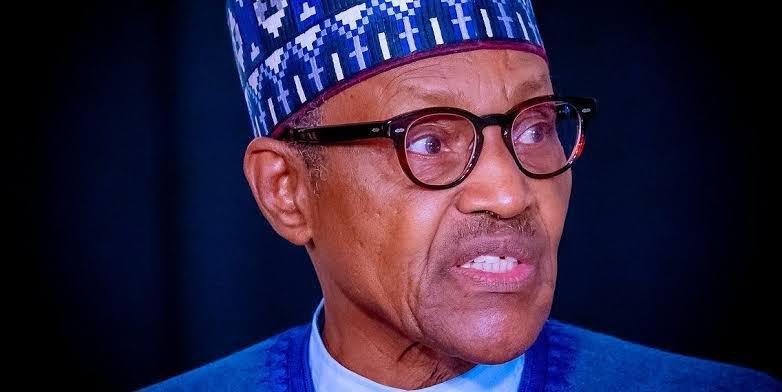
The death of former President Muhammadu Buhari has sparked a wave of national mourning and also stirred political conversations ahead of the 2027 elections. As tributes poured in from across the country, questions arose over the motives behind some of the gestures, especially regarding the relationship between Buhari and his successor, President Bola Tinubu, as political actors begin to position themselves to inherit the late leader’s political base. In both life and death, Buhari remained an influential figure within Nigerian politics, particularly among members of the All Progressives Congress (APC) and the African Democratic Congress (ADC). Ahead of the 2027 general elections, both parties appear to be jostling to consolidate support from Buhari’s followers. Buhari reportedly passed away at around 4:30 p.m. on July 12 in a London hospital at the age of 82. President Tinubu took charge of arrangements, from the announcement of the former President’s passing to the burial. He sent Vice President Kashim Shettima to the UK to accompany the late leader’s remains back to Nigeria. Tinubu himself received the body in Daura and paid his last respects, bowing before the remains in a gesture that captured national attention. However, notable political figures such as former Vice President Atiku Abubakar, Labour Party’s 2023 presidential candidate Peter Obi, and former Kaduna State governor Nasir El-Rufai were noticeably absent during the funeral proceedings. Likewise, former Vice President Yemi Osinbajo was largely sidelined, with some observers claiming he was reduced to a bystander throughout the burial. After the funeral, Tinubu convened a special meeting of the Federal Executive Council in honor of the late President. Buhari’s son, Yusuf, was present. As part of the tributes, the University of Maiduguri was renamed Muhammadu Buhari University. While some praised the President for leading the nation in mourning, others questioned his motives. Critics pointed to what they described as a previously strained relationship between Tinubu and Buhari. They recalled statements made by Tinubu and his aides since taking office blaming Buhari’s administration for Nigeria’s economic difficulties as evidence of this tension. During a public address in Anambra State in May 2025, Tinubu had stated that he inherited a broken economy and nearly insolvent public finances, citing lingering subsidies and a disorganized foreign exchange system. Before Buhari’s death, many within the APC reportedly kept their distance. It wasn’t until opposition figures began visiting Buhari at his Kaduna home that the APC leadership and governors followed suit. Some close to Buhari felt that he was unfairly treated by the Tinubu administration. One former minister argued that Buhari’s contributions to Tinubu’s rise to power had not been acknowledged in any tangible form, such as appointments or formal recognition. The ADC also accused Tinubu of political opportunism, arguing that it was disingenuous to criticize Buhari’s legacy for months only to honor him after his death. According to the party, the same administration that had blamed Buhari for Nigeria’s current challenges was now trying to align itself with his legacy for political gain. In response, a presidential spokesperson dismissed these accusations, accusing the opposition of using the burial to seek relevance. He stated that while Tinubu showed respect and leadership, others were exploiting the moment to score political points. Other political voices offered more balanced perspectives. One opposition party spokesperson noted that it is normal for a sitting president to lead the burial of a predecessor. Whether the action was politically motivated or not, he said, was left for the public to judge especially in light of the previously publicized tensions between the two leaders. Another political figure expressed doubts over the sincerity of Tinubu’s gestures, saying there were signs of a rift and a lack of closeness between the two. He highlighted how even during the funeral, a senior adviser to Tinubu publicly defended the President on social media in response to remarks about the 2015 election, while Buhari had not yet been buried. He also criticized Tinubu for not visiting areas like Mokwa in Niger State, where hundreds are reportedly missing, suggesting that a truly compassionate leader should show empathy across all regions and situations not only in politically significant moments. In contrast, an official from a Tinubu-aligned grassroots organization defended the President’s actions, describing them as dignified and exemplary. According to him, Tinubu acted with national interest and maturity, choosing unity over division. He insisted that Tinubu and Buhari shared mutual respect, even if they had disagreements, and that honoring Buhari in death was consistent with Tinubu’s approach to leadership. The burial, he said, was not about politics, but about upholding the dignity of the office and respecting a former leader. He concluded by accusing critics of misinterpreting leadership decisions through a political lens, arguing that the President’s actions reflected the responsibilities of his office and the need for national healing.

Zara Lianne19 July 2025
IMG-20250719-WA0019.jpg

2min21600
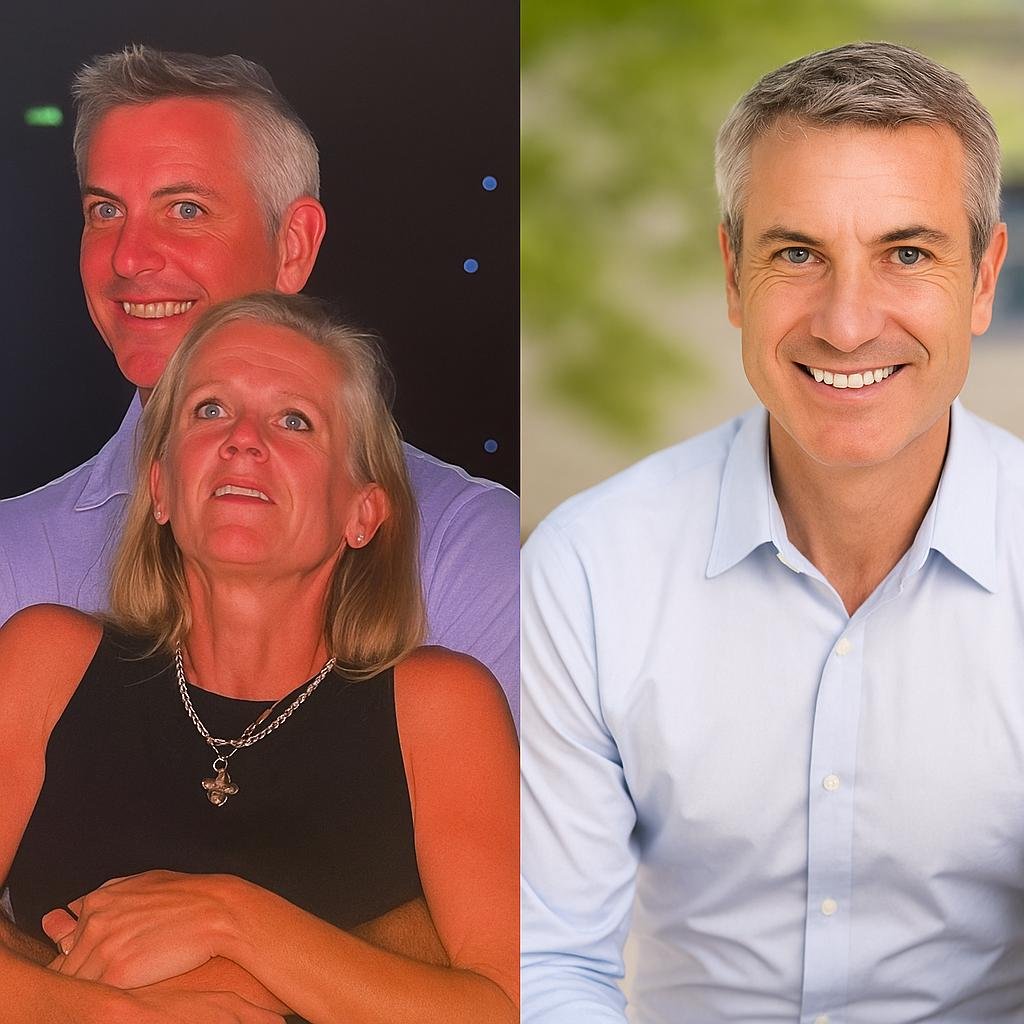
A U.S. technology company has placed its CEO on leave after a video of an embrace at a Coldplay concert—believed to involve two of its top executives—went viral online. The clip, which was initially broadcast on a large screen at Gillette Stadium in Foxborough, Massachusetts, showed a man and a woman with their arms around each other. When their faces appeared on the screen, they quickly ducked out of view, drawing attention from concertgoers and viewers online. Speculation soon spread that the individuals were executives at the company Astronomer, and rumours of a possible romantic relationship gained traction—especially after the band’s frontman, Chris Martin, jokingly remarked to the crowd, “Either they’re having an affair, or they’re just very shy.” The moment, captured on video, was widely shared on social media platforms, generating millions of views on TikTok, spawning memes, and even being parodied on television. Two days later, the company issued a statement saying it had launched an internal investigation. While it didn’t reference the video directly, the company stated that its leadership is expected to uphold high standards of conduct and accountability. The statement also confirmed that the CEO, Andy Byron, had been placed on leave, and that co-founder and Chief Product Officer Pete DeJoy would serve as interim CEO. Andy Byron joined the company in July 2023. Although he has not publicly confirmed whether he is the man in the video, multiple reports have suggested he is. The woman, identified online as Kristin Cabot, the company’s Chief People Officer since November 2024, has also not confirmed her identity. The company emphasized in its statement that no other employees were involved in the video, and clarified that any circulating statements attributed to Mr. Byron were false.

Zara Lianne19 July 2025
IMG-20250719-WA0018.jpg

6min5100
Nigeria’s newly acquired presidential jet, valued at ₦150 billion, has returned to the country after spending several months in South Africa for a complete repaint in the national green and white colours. The Airbus A330-200 was seen at the Nnamdi Azikiwe International Airport in Abuja on Wednesday. Photos shared online showed the twin-engine aircraft, with tail number 5N-FGA, parked at the Presidential Wing of the airport. The aircraft now sports a predominantly white exterior with green stripes running the length of the fuselage, along with the Nigerian Air Force crest displayed near the cockpit windows on both sides. Bright red covers were placed over both engine intakes, suggesting the jet was not being prepared for immediate departure at the time. A built-in stairway was extended from the forward door, although no passengers were visible. Some ground staff were spotted near the front of the aircraft. A senior government official confirmed the aircraft’s return, stating that the repainting and minor interior updates had been completed. The jet, he added, would resume service following standard checks by the Nigerian Air Force’s Presidential Air Fleet. Though the official didn’t specify when the aircraft would next be used, video footage later showed President Bola Tinubu boarding it for an official visit to Kano State. He is also scheduled to visit Ogun State in the coming days to offer condolences to the family of the late Awujale of Ijebuland, Oba Sikiru Adetona, who passed away on July 13, 2025, at the age of 91 after a reign of 65 years. In May 2025, it was disclosed that the presidential aircraft had been sent to South Africa for repainting and refurbishment, less than a year after its acquisition in August 2024 from a European leasing company. At that point, the plane had already been grounded for about three months. Since February 2025, the President had been using a San Marino–registered Boeing Business Jet (T7-NAS) for both domestic and international travel. According to sources familiar with the matter, the A330 had to be flown abroad to receive its official Nigerian livery. Some also noted that the refurbishment involved more than just repainting, including updates to the interior. The aircraft had originally been painted in commercial colours and needed to be rebranded to reflect its official status, including the addition of Nigeria’s presidential insignia. Registered in Nigeria as 5N-FGA and operated by the Air Force’s 001 Squadron, the Airbus features a master bedroom, shower, conference room, and secure communication facilities. The plane was purchased for $100 million (₦150 billion) from the government’s service-wide vote. This acquisition faced criticism from members of the public and lawmakers who questioned the timing and cost. Despite being 15 years old, the aircraft—an ACJ330-200, previously registered as VP-CAC—is described as having advanced avionics, a custom interior, and long-range capability. Experts say the jet’s 13-hour flight range makes it suitable for direct travel from Abuja to cities like New York or Beijing, eliminating the need for fuel stops that were often required with older aircraft like the Boeing 737 Business Jet used by the previous administration. Although the exact cost of the repaint was not disclosed, it was reportedly included in the original acquisition deal. Aviation industry estimates suggest a full repaint for a wide-body aircraft like the A330 ranges from $190,000 to $320,000, depending on the complexity of the design. The Nigerian livery, consisting of mostly white with minimal green accents and official crests, likely placed the cost at the lower end of that range. The Airbus A330 is part of Nigeria’s Presidential Air Fleet, considered one of the largest in Africa, comprising around 11 aircraft. Until recently, this included a Boeing 737-700 acquired in 2005 for $43 million under a former administration. That aircraft is now listed for sale in Switzerland by a U.S.-based aviation brokerage firm, which stated that it had undergone inspections and maintenance. As of this writing, the firm has not responded to inquiries about its asking price. The aging Boeing jet, according to government sources, had become increasingly expensive to maintain. The fleet also includes a 13-year-old Gulfstream G550, a Gulfstream G500, two Falcon 7Xs, a Hawker 4000, and a Challenger 605. Of these seven fixed-wing aircraft, three are said to be unserviceable. In addition, the rotor-wing section of the fleet consists of two Agusta 139 helicopters and two Agusta 101s, all operated by the Nigerian Air Force under the supervision of the Office of the National Security Adviser. Both the current and previous administrations had previously pledged to reduce the size of the fleet in a bid to cut costs.

Zara Lianne18 July 2025
mark.jpg

3min5470
Mark Zuckerberg recently shared his belief that smartphones are on their way out as the dominant personal tech device. He suggested that smart glasses could soon become the go-to wearable for everyday use. Zuckerberg has been championing smart glasses for years, highlighting their hands-free features powered by AI. These include the ability to take photos, make calls, translate languages in real time, and provide instant information about the user’s surroundings. “The future of computing is about being more natural, more integrated into daily life, and more social,” he explained. “You want to be able to interact with people around you seamlessly, and I think that’s going to define the next major platform after smartphones.” At a recent company event, he expanded on this idea, calling smart glasses the next major step forward in tech. “There are already one to two billion people who wear glasses every day,” he said. “Much like the shift to smartphones, I think many of those people will eventually upgrade to smart glasses over the next decade. And even those who don’t wear glasses today may start to.” He pointed out that while smartphones have brought significant progress, the innovation around them has slowed. “Phones have allowed almost everyone in the world to connect, which is amazing,” he said. “But the companies behind them haven’t introduced anything revolutionary in a long time. It feels like the industry has stalled since the original breakthroughs.” Meta first launched a line of smart glasses in collaboration with Ray-Ban in 2021, which saw moderate success. These early models included a five-megapixel camera, speakers, and microphones, just a glimpse of what the company has planned. Backing up its long-term vision, Meta invested $3.5 billion in a major eyewear manufacturer to further develop the technology. One of the upcoming projects, Supernova 2, targets athletes and cyclists and draws inspiration from high-performance sports eyewear. Another, Hypernova, will include a small built-in screen for viewing notifications and messages. Meanwhile, other major tech companies are also racing to develop AI-powered smart glasses, signaling a shift across the industry. Even with the excitement around this emerging space, Zuckerberg emphasized the importance of staying grounded. “You’re never as good as people say when things are going great, and you’re never as bad as they say when things are tough,” he reflected.

Zara Lianne17 July 2025
fayose-1280x853.png

4min3700
Former Governor of Ekiti State, Ayodele Fayose, was on Wednesday cleared of a N6.9 billion fraud case by a Federal High Court in Lagos. After the ruling, an emotional Fayose was seen outside the courtroom in tears, overwhelmed by the verdict as supporters cheered. He knelt down in gratitude, thanking God and calling the judgment a vindication. He hugged his lead counsel and exchanged handshakes with his legal team before also embracing Mr. Olalekan Ojo (SAN), the lawyer representing Spotless Investment Limited, who jointly filed the no-case submission that led to the acquittal. At one point, Fayose burst into song, singing “Winner ooo, winner!” as he left the court. The judgment was delivered by Justice Chukwujekwu Aneke, who upheld the no-case submission filed by Fayose and Spotless Investment Limited. The judge ruled that the prosecution failed to establish any prima facie case against the defendants. Fayose and his company had been accused by the Economic and Financial Crimes Commission (EFCC) of laundering N6.9 billion during his tenure as governor from 2014 to 2018. The commission alleged that he received N1.2 billion to fund his 2014 campaign and took $5 million in cash from the then Minister of State for Defence, Musiliu Obanikoro, without routing it through any financial institution. He was also accused of laundering more than N1.6 billion through third-party companies like De Privateer Ltd and Still Earth Ltd, allegedly breaching the Money Laundering (Prohibition) Act of 2011. The case, first filed in October 2018, had lasted nearly seven years. At the final hearing on May 19, 2025, Fayose’s lead counsel, Chief Kanu Agabi (SAN), urged the court to dismiss the charges, stating that the prosecution failed to provide any credible evidence linking his client to wrongdoing. He also noted that a key figure in the alleged transactions, Abiodun Agbele, was not included in the charge sheet, raising questions about the credibility of the conspiracy claim. Ojo (SAN), representing Spotless Investment Limited, also supported the no-case submission. In response, EFCC counsel Rotimi Jacobs (SAN) asked the court to dismiss the submission, pointing to a counter-affidavit and written address filed on May 8, 2025. He questioned why Fayose did not use his personal bank accounts for the transactions, suggesting that the lack of transparency required explanation. He argued, “If the money was legitimate, why didn’t he acquire the properties in his name?” Jacobs also referred to the testimony of EFCC investigator Abubakar Madaki, who told the court that Fayose used associates to acquire properties in Nigeria and abroad individuals who later denied ownership. However, Fayose admitted to owning the properties in question. He also referenced Obanikoro’s testimony, in which the former minister claimed Fayose personally requested the funds in cash and introduced Agbele to coordinate their delivery. After reviewing the case, the court found that the EFCC did not provide sufficient evidence to require the defendants to open a defence. Justice Aneke concluded that the prosecution failed to prove its case and, therefore, discharged and acquitted both Fayose and Spotless Investment Limited. Following the ruling, the EFCC announced plans to challenge the decision. Jacobs (SAN) said the commission had begun the process of obtaining a certified true copy of the judgment and would file an appeal. A statement released by the commission confirmed that the judgment was being reviewed and that steps had been taken toward an appeal.

Zara Lianne17 July 2025
JAMB.png

3min7980
The Joint Admissions and Matriculation Board (JAMB) has identified 9,469 admissions across 20 tertiary institutions in Nigeria as fraudulent for the 2024 academic session. These admissions were reportedly carried out outside the Central Admission Processing System (CAPS), a platform designed to ensure transparency and fairness in the admission process. From the list provided by JAMB, Kano State University of Science and Technology recorded the highest number of irregular admissions with 2,215 cases, followed by Ladoke Akintola University of Technology with 1,215. Other institutions on the list include Gombe State University with 1,164; Emmanuel Alayande University of Education, 761; Federal University of Technology, Owerri, 534; Ambrose Alli University, 514; Igbinedion University, 365; Akwa Ibom Polytechnic, 340; and the College of Nursing, National Orthopedic Hospital, Igbobi, with 281. Also flagged were Achievers University with 267; Nigeria Police Academy, 263; Abia State Polytechnic, 256; Osun State University, 224; Federal University, Lafia, 189; Niger State Polytechnic, 182; Federal Polytechnic, Idah, 171; and Edo State Polytechnic, 166. Others include Anchor University with 133; Michael and Cecilia Ibru University, 116; and the Federal College of Animal Health and Production Technology, 113. CAPS was introduced to improve transparency and efficiency in Nigeria’s tertiary admission system. It provides a centralized online platform for candidates to monitor and manage their admission status, ensuring that all applicants are assessed based on merit and institutional requirements. By streamlining the process, CAPS allows institutions to process admissions quickly and helps candidates receive timely updates. JAMB has repeatedly cautioned institutions against offering admissions outside of CAPS, warning that such candidates may be disqualified from participating in the National Youth Service Corps (NYSC) scheme. At a recent policy meeting held in Abuja, the Minister of Education, Dr. Tunji Alausa, reaffirmed the government’s position, declaring that any admission process carried out outside JAMB’s official platform is considered invalid. He stated that institutions and individuals found guilty of such actions would face serious consequences, including withdrawal of institutional privileges and legal prosecution. “Any admission processed outside CAPS is illegal,” he emphasized. “Those responsible whether institutions or individuals will be held accountable, with possible sanctions such as asset withdrawal and prosecution of involved officials or governing board members.”