
Author: Zara Lianne

Zara Lianne10 August 2025
Ukraine.jpg

4min6820
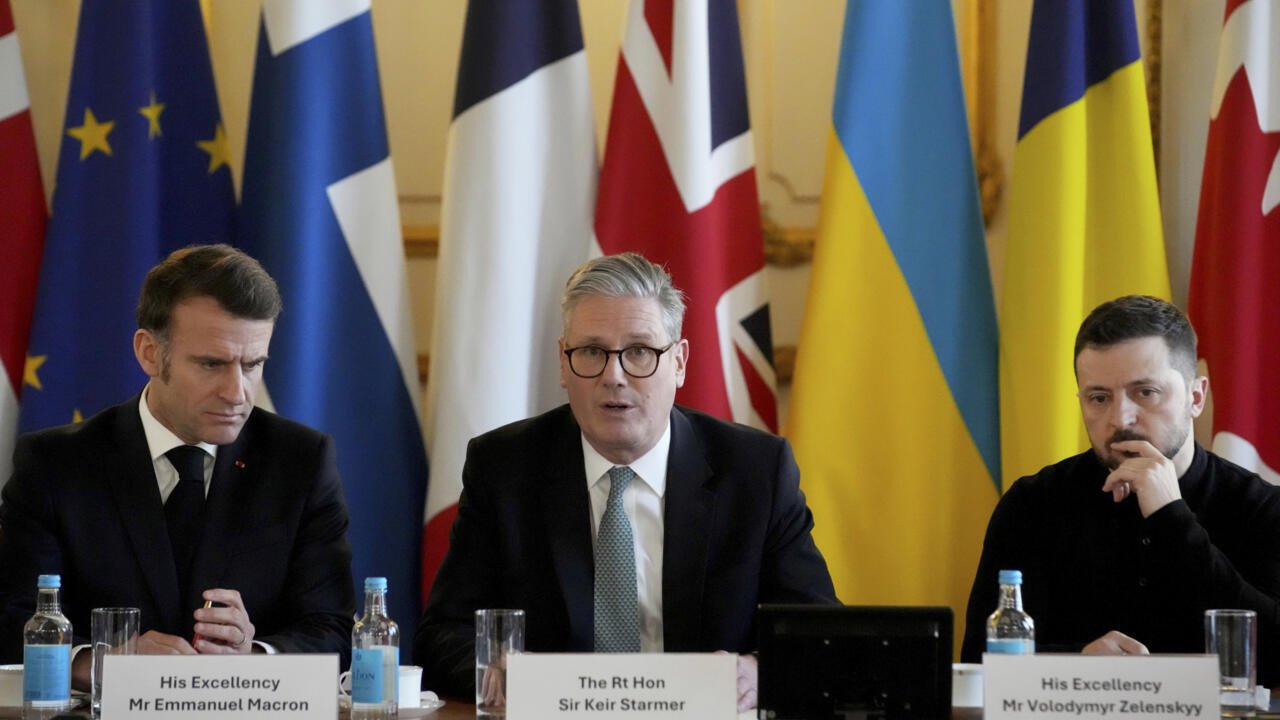
European leaders have closed ranks behind Kyiv, declaring that any negotiations to end the war must include Ukraine at the table. In a joint statement issued ahead of US President Donald Trump’s planned meeting with Russia’s Vladimir Putin in Alaska on Friday, the leaders of the UK, France, Germany, Italy, Poland, Finland and the European Commission said international borders “must not be changed by force” and pledged continued diplomatic, military and financial support for Kyiv. A White House official said Trump is open to a three-way meeting that would bring in Ukrainian President Volodymyr Zelensky, but for now the Alaska encounter remains a Trump–Putin summit requested by Moscow. Trump has floated starting with a one-on-one and later moving to a trilateral format, saying “we have a shot” at arranging talks that include Zelensky. Zelensky dismissed any agreement made without Kyiv as “dead decisions,” adding: “We will not reward Russia for what it has perpetrated… Any decisions without Ukraine are decisions against peace.” He also rejected suggestions of “territory swaps,” arguing that such ideas only create “more convenient positions for the Russians to resume the war.” US media reports say the White House has tested European appetite for a deal that would see Russia keep control of Crimea and the entire Donbas region. European capitals signaled resistance, stressing Ukraine’s right to determine its own future and warning against outcomes imposed over its head. French President Emmanuel Macron, writing on X, said Europeans “will also necessarily be part of the solution, as their own security is at stake,” reflecting broader concern about being sidelined from any understanding between Washington and Moscow. Zelensky thanked allies for their stance, saying the war’s end must be “fair” and built on “reliable security foundations for Ukraine and other European nations.” He told Macron in a call that the priority is ensuring “the Russians do not get to deceive anyone again.” US Vice-President JD Vance visited the UK on Saturday for talks with Foreign Secretary David Lammy and two of Zelensky’s top aides. Andriy Yermak, head of the Ukrainian president’s office, underscored that “a reliable, lasting peace is only possible with Ukraine at the negotiating table,” adding that while a ceasefire is necessary, “the frontline is not a border.” The Alaska summit—held in a territory Russia sold to the United States in 1867—would be the first meeting between sitting US and Russian presidents since Joe Biden met Putin in Geneva in June 2021. Nine months after that meeting, Russia launched its full-scale invasion. In 2022, the Kremlin announced the annexation of four Ukrainian regions—Donetsk, Luhansk, Zaporizhzhia and Kherson—despite not controlling them in full. While Moscow has failed to secure a decisive breakthrough, its forces occupy large areas of eastern Ukraine. Kyiv’s counter-offensives have yet to push Russian troops back significantly, leaving front lines largely static as diplomatic maneuvering intensifies around any potential talks.
Zara Lianne9 August 2025
Putin-1280x853.png

2min19850
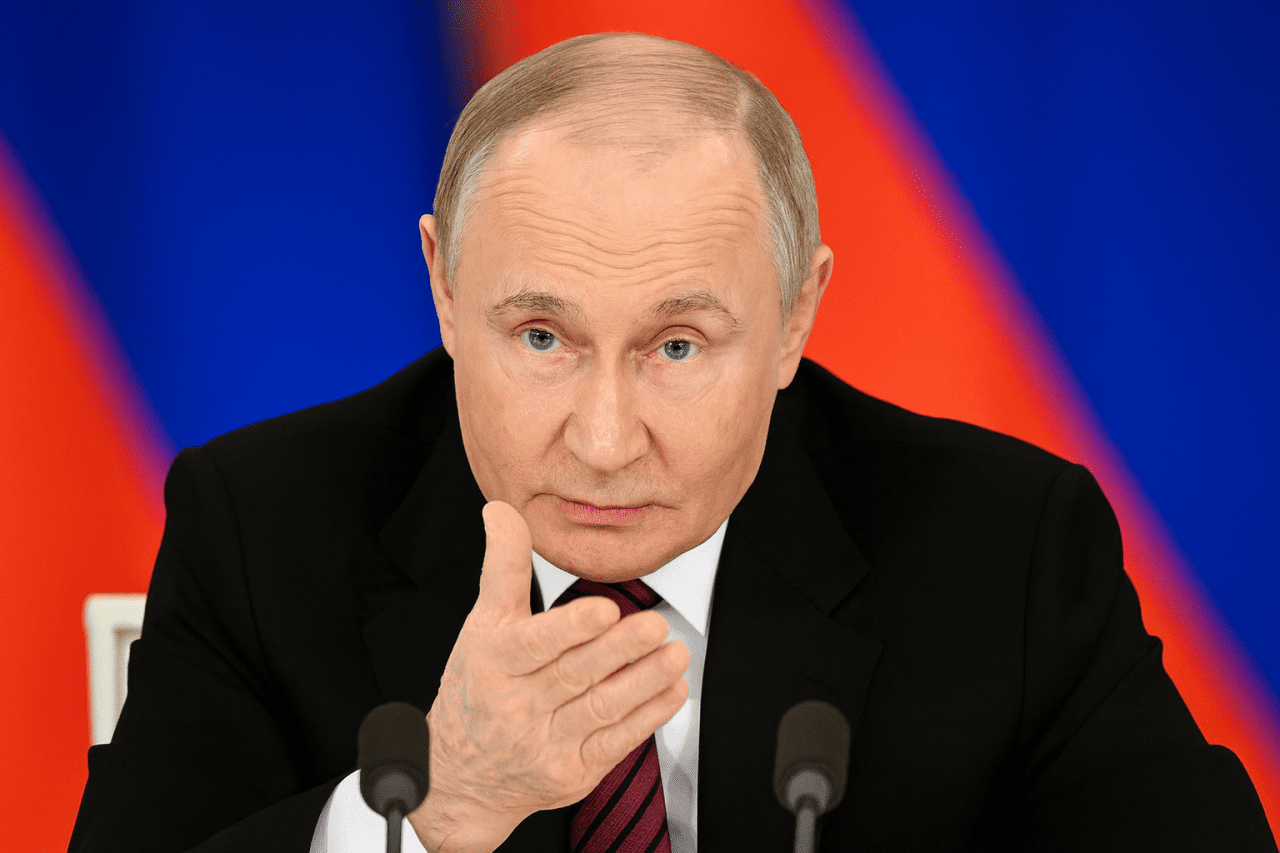
Russian President Vladimir Putin has reportedly offered to halt the war in Ukraine — but only if Kyiv agrees to significant territorial concessions and global recognition of Russia’s claims, The Wall Street Journal reported Friday. According to European and Ukrainian officials, Putin’s proposal centers on Ukraine ceding the entire Donbas region to Russia, with the annexation formally recognized by the international community. The Donbas, comprising eastern Ukraine’s Luhansk and Donetsk regions, has been at the heart of the conflict since Russia-backed separatists declared independence there in 2014, sparking years of fighting that escalated into the 2022 invasion. European leaders have dismissed the offer as unacceptable, noting it would hand over large swaths of Ukrainian territory without securing substantial commitments from Moscow beyond a pause in fighting. Ukraine has also repeatedly rejected similar proposals, insisting it will not give up any land. Former U.S. President Donald Trump has been pushing for peace talks between Kyiv and Moscow, holding lengthy phone discussions with Putin. Trump has long claimed he could end the war within 24 hours if returned to office, but according to White House sources, he has grown increasingly frustrated at Russia’s unwillingness to accept any settlement short of complete victory.

Zara Lianne9 August 2025
Jonathan.png

2min3780
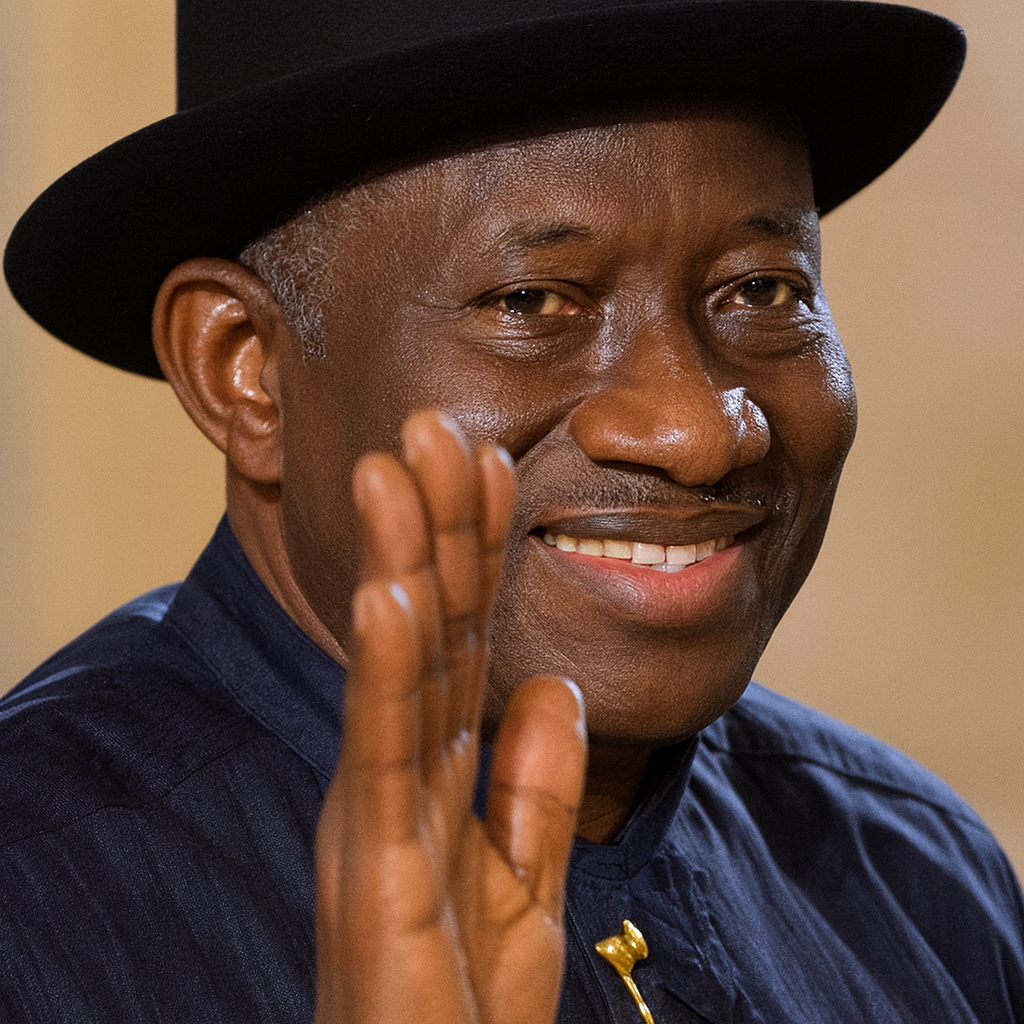
Former Jigawa State Governor, Sule Lamido, has endorsed ex-President Goodluck Jonathan as the Peoples Democratic Party’s (PDP) most viable candidate for the 2027 presidential election, urging the party to actively persuade him to return. Speaking on Channels Television’s Politics Today on Friday, Lamido described Jonathan as an experienced leader who understands governance, values partnership, and works well with others. “I think for PDP now they should try to woo him; he is their best bet. Anybody put forth by the PDP, Nigerians will support him,” Lamido said, adding that no current southern PDP member matches Jonathan’s political pedigree. “With all respect to all members, I don’t see a better alternative than Jonathan if he comes back to the PDP. Who in the party now can challenge him in terms of experience, capacity, and willingness to listen?” he asked. His remarks come amid ongoing speculation about Jonathan’s possible political comeback. While the former president has kept a low profile since losing the 2015 election, reports suggest discreet negotiations and lobbying within PDP ranks to draft him back into the fold. Jonathan remains silent on his 2027 intentions, but his name continues to feature prominently in political discussions. The speculation is further heightened by the recent resignation of former Vice President Atiku Abubakar from the PDP, which has triggered a wave of defections within the party.

Zara Lianne8 August 2025
Banner-oxfam-1280x637.webp

6min4630
The Country Director of Oxfam in Nigeria, John Makina, has raised alarms about the growing inequality in Nigeria, where a small privileged group controls the majority of the nation’s resources, leaving over 83 million Nigerians in poverty. Speaking at a policy dialogue in Abuja on Thursday titled ‘The Next 90%: Youth, Policy & A Fairer Nigeria,’ Makina discussed the stark reality of inequality, which he said is increasingly evident in the political marginalisation of young people. He pointed out that there is currently no one under the age of 35 in Nigeria’s federal cabinet, adding that the top 10% of Nigerians control 90% of the country’s wealth, while over 83 million people survive on less than N3,100 ($2) a day. Makina stressed that this level of deprivation means that many Nigerians cannot afford essential services like education and healthcare. He highlighted that more than two-thirds of teenage girls in northern Nigeria are illiterate and that despite women making up the majority of the agricultural workforce, they own just 13% of the arable land. He emphasized the importance of including young people in governance, noting that their involvement is critical for the nation’s future, economy, and peace. “By giving young people a seat at the table, we can tap into their immense potential and build a stronger, more innovative country,” he said. Makina criticized Nigeria’s inequality as a product of deliberate policies and inaction by those in power. He also pointed out the ongoing underrepresentation of women in governance, with only 4.2% of elected officials in Nigeria’s National Assembly being female. He noted that despite women’s dominant role in rural agriculture, they face significant literacy gaps, with female literacy at just 35% compared to 59.5% for men. Tax Revenue Losses and Call for Reforms Makina also criticized Nigeria’s fiscal policies, revealing that in 2024, the country lost over N5 trillion due to tax incentives granted to large corporations, an amount equivalent to 18.5% of the federal budget. He called for extensive reforms, including wealth and excess profit taxes, stronger corporate regulations, breaking monopolies, and investing in public services. “To address youth challenges, we need progressive labor policies that promote decent work and fair pay. Raising the national minimum wage to reflect the real cost of living is a good start,” Makina suggested. He also highlighted that 65% of Nigeria’s workforce operates in the informal economy and that formalizing these businesses could improve economic inclusion through access to credit, training, and social protection. Makina emphasized the importance of reducing vulnerable employment, which affects 55% of young Nigerians, and suggested that encouraging small and medium-sized enterprises (SMEs) through simplified registration, tax incentives, training, and credit support could significantly help. Background: Worsening Inequality and Economic Struggles Nigeria’s economic and political inequalities have worsened in the past decade, despite promises of reform from successive governments. The administration of the late former President Muhammadu Buhari, which ended in 2023, left a legacy marked by inflation, unemployment, and rising debt. Although Nigeria saw some post-COVID economic growth, millions of Nigerians slipped deeper into poverty due to rising food prices, declining oil production, and heavy government spending on fuel subsidies. In 2023, fiscal deficits surpassed 5% of GDP, and actual revenues consistently fell short of projections, leading to more borrowing. The naira’s value also plunged, and inflation remained in double digits. The country also faced escalating security challenges, with Boko Haram and ISWAP attacks in the northeast, banditry and armed group violence in the northwest, growing separatist unrest in the southeast, and farmer-herder clashes in the Middle Belt. Despite these challenges, the political elite largely maintained the status quo. Many anti-corruption measures were seen as targeting political opponents, while civic space shrank, with journalists arrested and protests suppressed. Notably, the Nigerian government banned Twitter (now X) for seven months between 2021 and 2022. In the 2023 elections, veteran politicians like President Bola Tinubu (APC) and Atiku Abubakar (PDP) emerged as frontrunners, leading to concerns about entrenched political interests. However, Peter Obi of the Labour Party gained significant momentum among disillusioned youth, particularly in the southeast. Past Statement by Osinbajo on Nigeria’s Challenges In 2018, former Vice President Yemi Osinbajo argued that Nigeria’s issues were not due to geographical restructuring but stemmed from poor resource management and corruption. He noted that despite efforts like the Treasury Single Account (TSA) and the reduction of graft under the Buhari administration, fundamental issues such as corruption still hindered progress. Osinbajo also highlighted the administration’s efforts to boost rice production, reduce dependency on imports, and reform ports, as well as improve Nigeria’s ease of doing business ranking. Despite these efforts, Makina criticized the ongoing marginalization of youth and women, and the corporate capture of public resources, which continue to impede the country’s development.

Zara Lianne7 August 2025
17-Year-Old-New-1280x853.png

2min3870
The Federal Government has celebrated 17-year-old Nafisa Aminu, a student from Yobe State, for her exceptional performance in the 2025 TeenEagle Global Finals, where she was named the World’s Best in English Language skills. Aminu, who represented Nigeria through the Nigerian Tulip International College (NTIC), outshone over 20,000 participants from 69 countries — including native English-speaking nations — at the prestigious competition held in London, United Kingdom. In a statement issued on Wednesday, the Minister of Education, Dr. Tunji Alausa, described Aminu’s achievement as both a personal milestone and a powerful testament to the impact of the Renewed Hope Agenda for Education under President Bola Tinubu’s administration. The statement, released by Folasade Boriowo, Director of Press and Public Relations at the Ministry, praised the growing success of Nigeria’s education reforms. “This extraordinary accomplishment brings immense pride to the nation and reflects the effectiveness of our education-focused policies. President Tinubu’s dedication to human capital development is yielding global results, as seen in Nafisa’s outstanding performance,” Alausa said. He further commended Yobe State Governor, Mai Mala Buni, for his strategic investments in education, instructional materials, and reform initiatives that have helped create enabling environments for students like Aminu to excel. “This success story is a clear indicator of what is possible when the Federal Government and state governments collaborate toward strengthening the education sector,” the minister added. Alausa urged students nationwide to draw inspiration from Aminu’s success and reiterated the Federal Government’s commitment to nurturing a generation of globally competitive learners. “This is not just a win for Nafisa; it is a win for Nigeria, and a signal that the country’s education sector is on the path to greatness,” he said. (NAN)

Zara Lianne7 August 2025
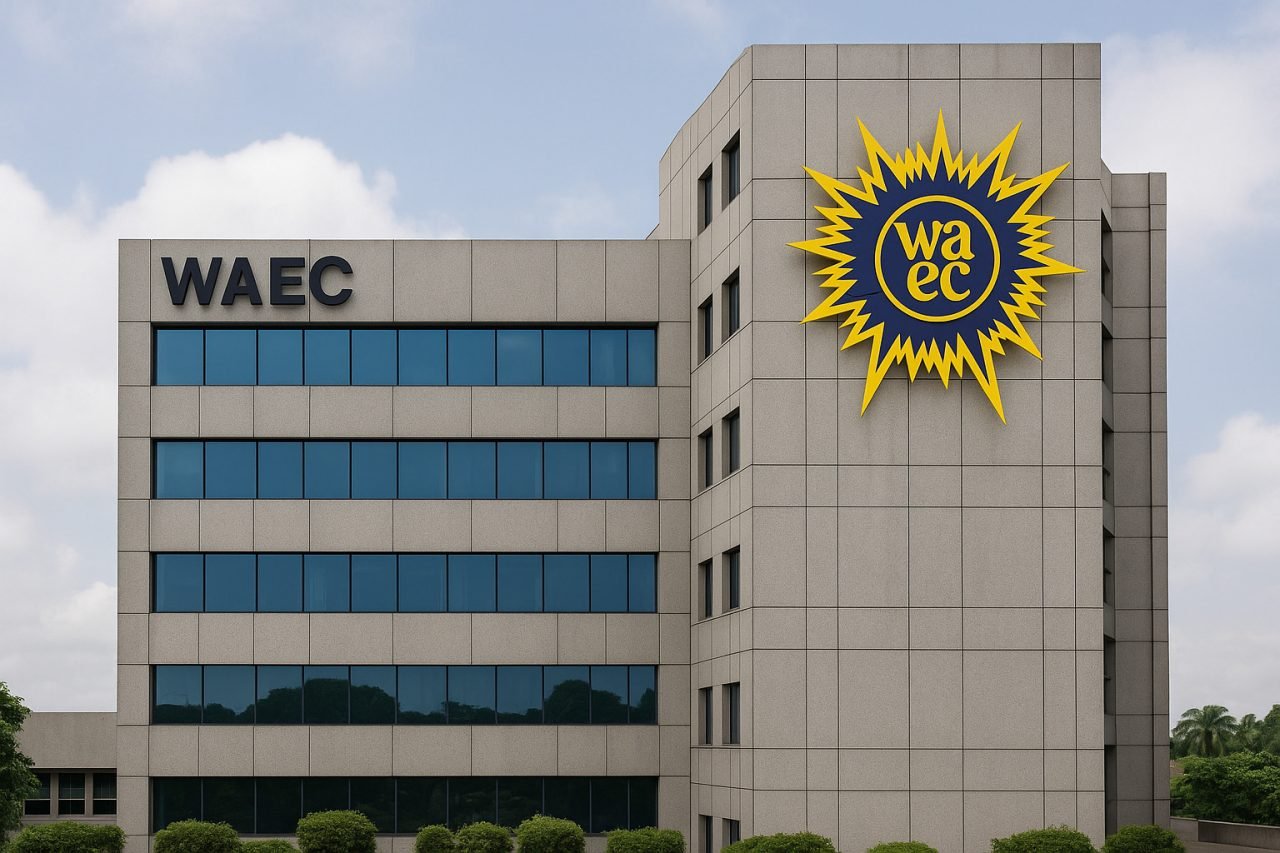
WAEC.jpg

5min32170
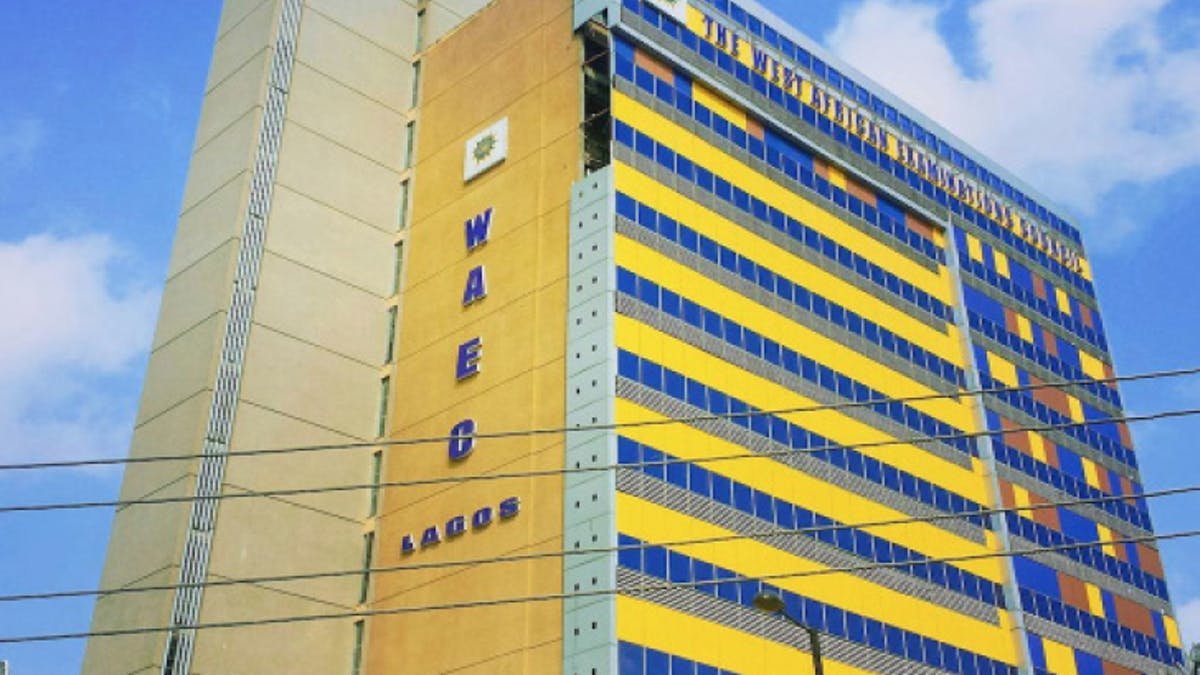
Outrage continues to trail the mass failure recorded in the 2025 West African Senior School Certificate Examination (WASSCE), as parents, education stakeholders, and advocacy groups demand urgent accountability and reforms. Many are specifically calling for the cancellation and rescheduling of the English Language paper, citing irregularities during the exam’s administration. Leading the charge, the National Association of Proprietors of Private Schools (NAPPS) described the conduct of some papers—especially the English Language exam held at night in some centres—as “unacceptable and detrimental to student performance.” Only 38.32% of candidates achieved credit-level passes in both English Language and Mathematics—two subjects critical for securing university admission. This figure represents a sharp drop from 72.12% recorded in 2024. Parents and Educators Raise Alarm Parents on the Concerned Parents and Educators Network (CPE) platform have voiced anger and concern. In a post by Adegoke Bimpe Atoke, she wrote: “WAEC has done it again. Mass failure in Mathematics and English. Students writing 450-word essays at 10:30 pm under rain with phone torchlights and mosquitoes—how did we get here? The system needs urgent and strategic reform.” Another parent, Abiodun Adesanya Adeleke, insisted the English Language paper should be retaken: “Students wrote exams past 9 p.m. in mosquito-infested classrooms with flashlights. That is not a standardised exam.” Educators also weighed in. Adebayo Ifeoluwa, a teacher in a Lagos State school, questioned accountability: “Our exams started and ended on time. So, who’s responsible for the night exams? No paper is scheduled for nighttime.” Rex Oscar added that it’s unfair to blame students entirely: “Even top JAMB scorers failed English. Can we say over 70% of students didn’t prepare? The government must investigate.” Adetoun Aremu recommended a complete rewrite of English and Mathematics papers, while Ifeoma Eucharia lamented that despite students’ suffering, failure still followed. NAPPS President Condemns Exam Conditions NAPPS President, Yomi Otubela, decried the situation and linked the poor performance to deeper issues in Nigeria’s education system: “The 38% pass rate is the worst in 15 years. We’ve neglected teacher development and infrastructure. Many children in rural areas lack access to computers and learn in non-conducive environments.” He called for urgent teacher training, improved funding, and the adoption of digital tools to bridge the gap between teaching and learning outcomes. WAEC Defends Examination Integrity However, sources within WAEC indicated that the exam body implemented new anti-malpractice measures, including question serialisation—where all candidates receive the same questions, but in different sequences—to discourage cheating. This, the source said, significantly impacted performance, especially in objective questions: “Students could no longer copy easily. Many struggled with the objective section due to these changes.” NAPTAN Reacts The National Parent Teacher Association of Nigeria (NAPTAN) also weighed in, with its President, Haruna Danjuma, acknowledging reduced malpractice but pointing to other pressing issues: “We lack adequate qualified teachers. Many states haven’t filled vacancies. Teachers are poorly paid and overworked. Parents can’t afford textbooks. These are the real drivers of poor outcomes.” He called for better school infrastructure, investment in teacher welfare, and increased parental involvement in education. Background When WAEC released the results on Monday, it revealed that of the 1,969,313 candidates who sat for the 2025 exam, only 754,545 obtained at least five credits—including English and Mathematics. This contrasts starkly with the previous year’s performance, where 72.12% of candidates reached the same benchmark—highlighting a significant and troubling decline.

Zara Lianne6 August 2025
WAEC-Mom-1280x853.png

4min9200
A concerned Nigerian mother has spoken out over the mass failure recorded in the 2025 West African Senior School Certificate Examination (WASSCE), particularly in English Language and Mathematics, calling on the West African Examinations Council (WAEC) to take full responsibility. In a widely circulated video, the woman criticized WAEC’s logistical failure, highlighting the controversial incident where students sat for English Paper II and III at night, an occurrence she believes significantly contributed to the poor performance. “All you good mothers, please come out. This is not right. The students who passed WAEC this year are very few. Most of them failed Maths and English. Is that how it should be? They started English in the night and finished late into the night—how can children pass under such conditions?” she said emotionally. The mother decried the situation, describing the 2025 examination process as fundamentally flawed. “Where else in the world are students made to write exams at night? All the papers written this year were badly managed. Maths was bad, English was also bad. Mothers, don’t say it doesn’t concern you—because if it doesn’t today, it may tomorrow.” WAEC Results Show Sharp Decline in Candidate Performance WAEC released the 2025 WASSCE results on Monday, August 4, revealing a significant drop in student performance. Out of 1,969,313 candidates, only 754,545 students (38.32%) obtained credits and above in at least five subjects, including English Language and Mathematics. This represents a sharp decline from the 72.12% success rate recorded in the 2024 examination, prompting concerns from parents, educators, and education advocates across the country. Exam Written by Torchlight and Candles The outrage dates back to May 28, 2025, when videos emerged on social media showing students writing the English Language Paper II and III late at night using torchlights and candles. According to reports, the exam—originally scheduled for 4:00 PM—did not commence until 7:00 PM, ending around 9:00 PM. WAEC later apologized for the delay, citing security measures against exam malpractice and question leakage as the reason for the rescheduling. Despite public outcry and appeals for the affected paper to be cancelled or rescheduled, WAEC proceeded with marking and scoring the script. Calls for Accountability The woman’s comments echo the growing frustration among Nigerian parents over the handling of this year’s WASSCE and its implications for students’ futures. “Let us raise our voices so they know this cannot be allowed to happen again. If we keep silent, our children will continue to suffer.” Several state governments, parents’ associations, and civil society groups have also called for an investigation into the circumstances surrounding the night exam and its broader impact on the credibility of the results.

Zara Lianne5 August 2025
aa.jpeg

2min3960
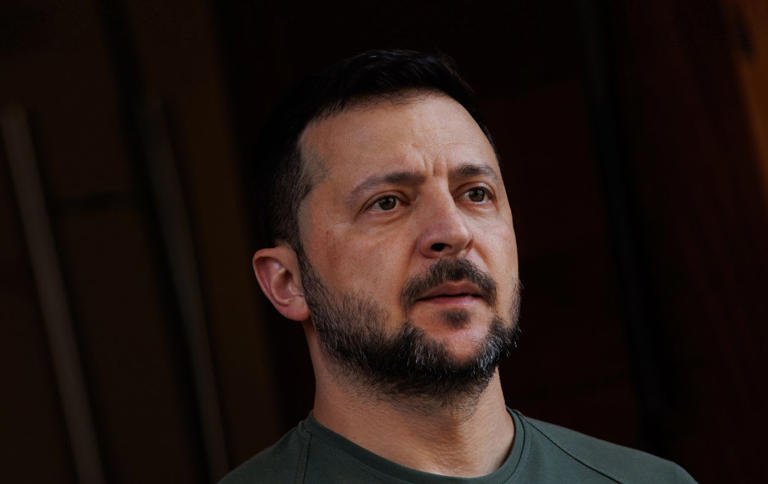
Ukrainian President Volodymyr Zelenskyy has stated that Russia is deploying mercenaries from countries including China, Pakistan, Uzbekistan, Tajikistan, and several African nations in its ongoing military campaign against Ukraine, particularly in the Vovchansk sector. During a visit to the frontline, President Zelenskyy met with troops from the 17th Separate Motorized Infantry Battalion of the 57th Brigade, named after Koshovyi Otaman Kost Hordiienko. He discussed key operational matters with commanders, including the current status of the front line, the defense of Vovchansk, and the intensity of ongoing clashes. Other topics included the deployment and effectiveness of drones, troop recruitment, and direct funding for military brigades. “Our soldiers have identified the presence of mercenaries from China, Tajikistan, Uzbekistan, Pakistan, and African nations fighting on this front. We will respond accordingly,” Zelenskyy affirmed. He also used the occasion to confer state honors on several Ukrainian defenders. Chinese Fighters Captured President Zelenskyy revealed that on April 8, Ukrainian forces captured two Chinese nationals who were fighting for Russia in the Donetsk region. He noted that these individuals are not isolated cases, suggesting that a significant number of Chinese citizens may be serving within Russian military ranks. Later, on June 27, another Chinese citizen 24-year-old Wang Wu was reportedly taken into custody by Ukrainian forces. Earlier reports from The Telegraph also indicated that Russia has been covertly recruiting individuals from African countries to support its military operations in Ukraine.

Zara Lianne4 August 2025
wa-1280x853.jpeg

2min22990
The West African Examinations Council (WAEC) has officially released the results of the 2025 West African Senior School Certificate Examination (WASSCE) for school candidates. In a statement on Monday, the Council confirmed that candidates can now access their results online via the official result portal. To assist candidates, WAEC provided a step-by-step guide to simplify the process of checking their results: How to Check Your 2025 WAEC Result Visit the official WAEC result portal: http://www.waecdirect.org Enter your 10-digit WAEC Examination Number This comprises your 7-digit centre number followed by your 3-digit candidate number (e.g., 4123456789). For exams prior to 1999, use the 8-digit format (5-digit centre + 3-digit candidate number) Input your Examination Year: 2025 Select the Type of Examination: Choose School Candidate Results Enter your e-PIN Voucher Number Obtainable from WAEC or accredited vendors Input the Personal Identification Number (PIN) from your e-PIN voucher Click on ‘Submit’ Wait for the result window to display your scores Candidates are advised to print or screenshot their results immediately after viewing. The Council also reminded candidates that the e-PIN can be purchased online or at approved outlets nationwide. For further assistance or inquiries, candidates may contact WAEC support services via the official website.

Zara Lianne3 August 2025
IMG-20250803-WA0006-1280x853.jpg

3min10010
Ukrainian anti-corruption agencies have uncovered a high-level bribery scheme involving inflated state contracts for military drones and electronic warfare systems, leading to the arrest of a sitting member of parliament and several other public officials. President Volodymyr Zelensky announced the arrests in a statement on X (formerly Twitter), confirming that the suspects include a Ukrainian MP, heads of district and city administrations, and several National Guard personnel. According to investigators, contracts were signed with suppliers at rates inflated by as much as 30%. Zelensky reaffirmed his administration’s zero-tolerance stance on corruption. “There can be no tolerance for corruption in Ukraine,” he wrote, praising the efforts of the anti-corruption bodies involved in the probe. Controversial Reforms Reversed Amid Public Outcry The arrests come just days after Ukraine’s parliament voted to restore the independence of two key anti-corruption agencies—the National Anti-Corruption Bureau (NABU) and the Specialised Anti-Corruption Prosecutor’s Office (SAP). The reversal followed widespread public outrage over a proposed bill that would have significantly weakened their autonomy. Zelensky had initially supported the bill, arguing it was necessary to remove alleged Russian influence from the agencies. The proposed law would have transferred key prosecutorial powers to the Office of the General Prosecutor. However, critics including civil society groups and Ukraine’s Western allies warned the move would undermine years of anti-corruption progress and threatened Ukraine’s EU accession ambitions. The backlash sparked the largest anti-government protests in Ukraine since the full-scale Russian invasion began in 2022. In response, Zelensky submitted a revised bill restoring the agencies’ independence, which was passed by parliament just nine days after the original legislation. Kyrylo Budanov, head of the Defence Ministry’s Main Intelligence Directorate (HUR), thanked the president for listening to public concerns and “not making a mistake.” The decision was also welcomed by European Union officials, who had previously expressed concern over the initial bill. Broader Anti-Corruption Efforts Tied to EU Membership The crackdown on corruption comes as Ukraine continues its push to join the European Union. The establishment of NABU and SAP in 2014 was a key requirement set by the European Commission and the International Monetary Fund, forming part of a broader framework to combat systemic corruption and qualify for visa liberalization and economic aid. Ukraine was granted EU candidate status in 2022, a symbolic step toward full membership. Since then, NABU and SAP have conducted several high-profile investigations, including the 2023 arrest of Supreme Court Chief Justice Vsevolod Kniaziev in connection with a $3 million bribe. The latest investigation into defense procurement fraud underscores the continued challenges Ukraine faces in reforming state institutions amid war, while also reinforcing the importance of independent oversight in securing international support and public trust.