Author: Zara Lianne

Zara Lianne3 August 2025
IMG-20250803-WA0001-1280x720.jpg

2min5430
President Bola Tinubu has congratulated Nigeria’s women’s basketball team, D’Tigress, on reaching the final of the 2025 FIBA Women’s AfroBasket Tournament for a record fifth consecutive time. The commendation was conveyed in a statement released on Sunday in Abuja by the Special Adviser to the President on Information and Strategy, Mr. Bayo Onanuga. Nigeria’s D’Tigress defeated Senegal 75–68 in a hard-fought semi-final clash on Saturday night at the Palais des Sports de Treichville in Abidjan, Côte d’Ivoire. The victory marks their seventh consecutive win over their West African rivals and cements their place in the tournament’s final. President Tinubu praised the reigning champions for their resilience, dominance, and consistent excellence on the continental stage. He described the semi-final showdown as “the final before the final,” acknowledging the intensity and significance of the game. “I have closely followed D’Tigress’ performance throughout the tournament and have been impressed by their discipline, focus, and unity. These qualities have brought immense honour to our nation and earned global respect for our athletes and coaching staff,” the President said. He also highlighted the impact of Head Coach Rena Wakama, commending her for leading the team to greater heights. “I especially commend Rena Wakama, the team’s first female Head Coach, whose leadership and experience both on the court and now from the bench continue to inspire D’Tigress in this highly competitive sport,” he stated. With this latest triumph, D’Tigress not only advance to the final but also secure a place in the 2026 FIBA Women’s Basketball World Cup qualifying tournaments. President Tinubu reaffirmed his full support for the team as they chase a historic fifth consecutive AfroBasket title. NAN
Zara Lianne2 August 2025
IMG-20250802-WA0010-1280x853.jpg

3min27040
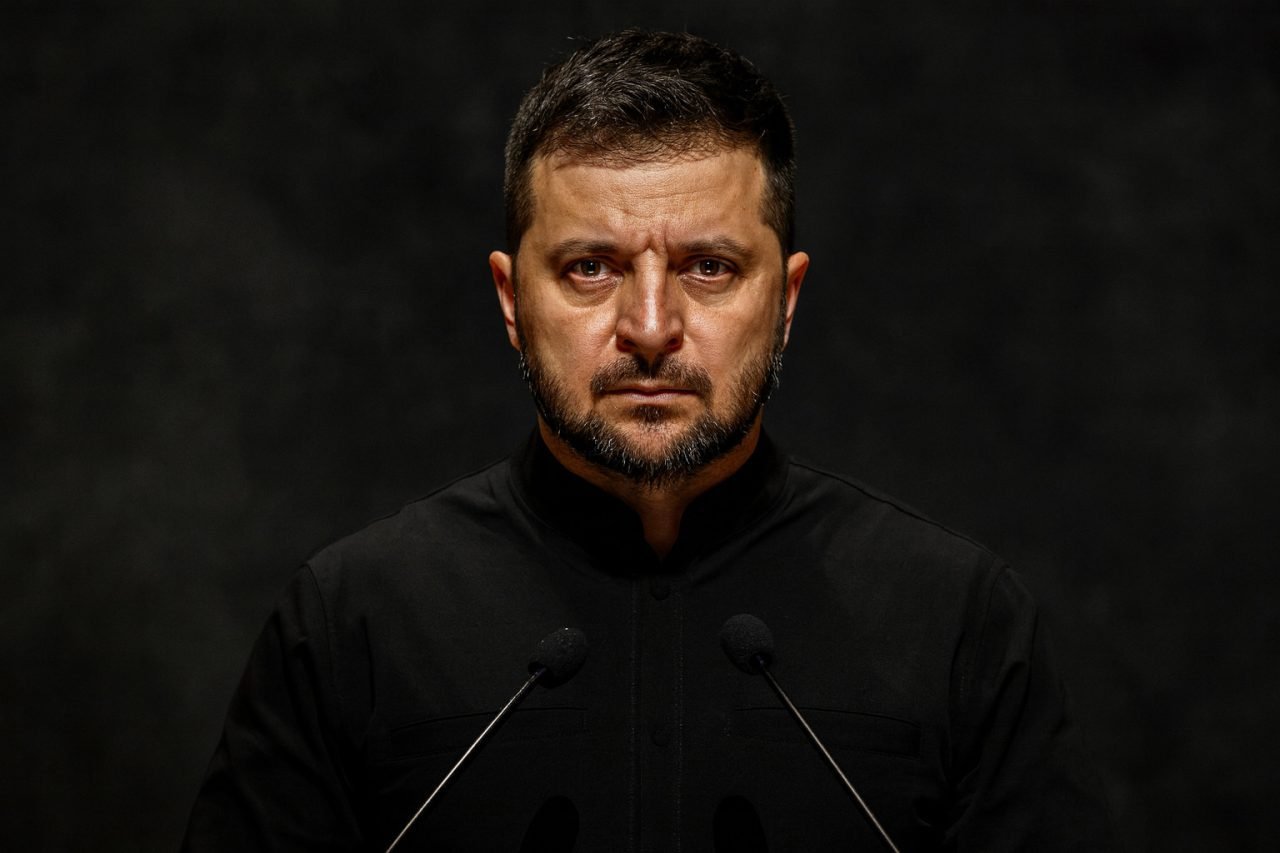
Ukrainian President Volodymyr Zelensky has called for stronger international sanctions against Russia following a devastating attack on Kyiv that left at least 31 people dead, including five children the youngest just two years old and injured 159 others. The assault, which struck residential buildings and damaged a hospital, school, nursery, and university, prompted a day of mourning in the Ukrainian capital on Friday. “No matter how much the Kremlin denies their effectiveness, sanctions do work and they must be strengthened,” Zelensky said in a statement. Ukraine’s air force reported that Russia launched more than 300 drones and eight cruise missiles in the attack, marking one of the deadliest strikes on Kyiv since the start of Russia’s full-scale invasion in February 2022. U.S. President Donald Trump condemned the attack, calling Russia’s actions “disgusting” and signaling that new sanctions against Moscow may be imminent. Trump, who had earlier set multiple deadlines for Russian President Vladimir Putin to end the war, has now given an ultimatum that expires on 8 August. He previously warned of severe tariffs on Russian oil and other exports if Moscow fails to agree to a ceasefire. Speaking at the United Nations Security Council on Thursday, senior U.S. diplomat John Kelley echoed the call for diplomacy, urging both sides to “negotiate a ceasefire and durable peace.” Ukrainian officials said they had received “positive signals” from Washington regarding additional sanctions, particularly targeting Russian oil revenues and secondary financial markets. Ukrainian Foreign Minister Andrii Sybiha praised Trump’s patience but added, “Now is the time to put maximum pressure on Moscow.” Meanwhile, Germany announced plans to deliver two more U.S.-made Patriot air defense systems to bolster Ukraine’s air defenses. Zelensky highlighted the scale of Russia’s continued aggression, revealing that in July alone, Russian forces launched over 5,100 glide bombs, 3,800 Shahed drones, and 260 missiles including 128 ballistic missiles. “Every day matters,” Zelensky stressed. “This can only be stopped through joint efforts from America, Europe, and other global partners.”  

Zara Lianne2 August 2025
IMG-20250802-WA0006-1280x720.jpg

3min6510
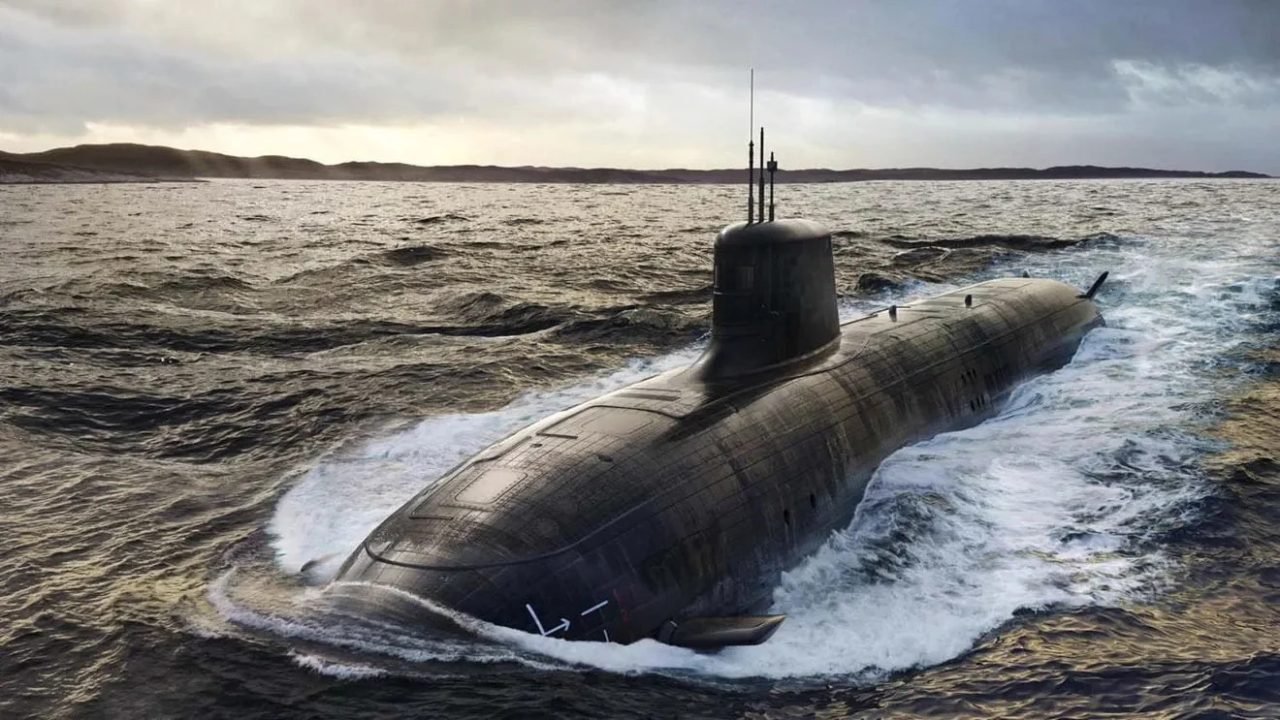
U.S. President Donald Trump has directed the deployment of two nuclear submarines to undisclosed regions in response to what he described as “highly provocative” statements made by former Russian President Dmitry Medvedev. In a statement posted Friday on Truth Social, Trump explained that the move was precautionary. “Just in case these foolish and inflammatory statements are more than just that,” he said. “Words are very important and can often lead to unintended consequences. I hope this will not be one of those instances.” While Trump did not specify the location or nature of the submarines whether nuclear-powered or nuclear-armed their positioning is intended as a strategic deterrent. The U.S. typically avoids disclosing such movements in line with military protocol. Medvedev, now deputy chairman of Russia’s Security Council, has issued increasingly aggressive rhetoric in recent days, including threats against the United States in response to Trump’s ultimatums demanding a ceasefire in Ukraine or the imposition of harsh sanctions. Speaking to reporters later on Friday, Trump defended his decision: “A threat was made, and we didn’t think it was appropriate. I have to act carefully, for the safety of our people.” The Kremlin has yet to issue a formal response, but Moscow’s stock market experienced a sharp downturn following Trump’s comments. The exchange is part of an escalating war of words between Trump and Medvedev, who have traded personal attacks across social media platforms. Trump recently set a new deadline 8 August for Russian President Vladimir Putin to end the war in Ukraine, following earlier warnings that included threats of severe tariffs on Russian oil and other exports. Medvedev, who served as Russia’s president from 2008 to 2012, has dismissed Trump’s ultimatums as “theatrical,” stating Russia is unmoved by such threats. In a post on X earlier this week, he warned that “each new ultimatum is a threat and a step towards war.” He also invoked the term “dead hand” on Telegram widely interpreted as a reference to Russia’s Cold War-era automatic nuclear retaliation system further fueling tensions. Trump responded on Thursday by calling Medvedev “the failed former president of Russia, who thinks he’s still president,” and warned him to “watch his words,” saying, “he’s entering very dangerous territory!” Medvedev, a vocal supporter of Russia’s 2022 full-scale invasion of Ukraine, remains one of the Kremlin’s most aggressive critics of the West. His latest comments underscore the growing risks surrounding U.S.-Russia relations amid the prolonged conflict.

Zara Lianne2 August 2025
IMG-20250802-WA0005-1280x853.jpg

3min8400
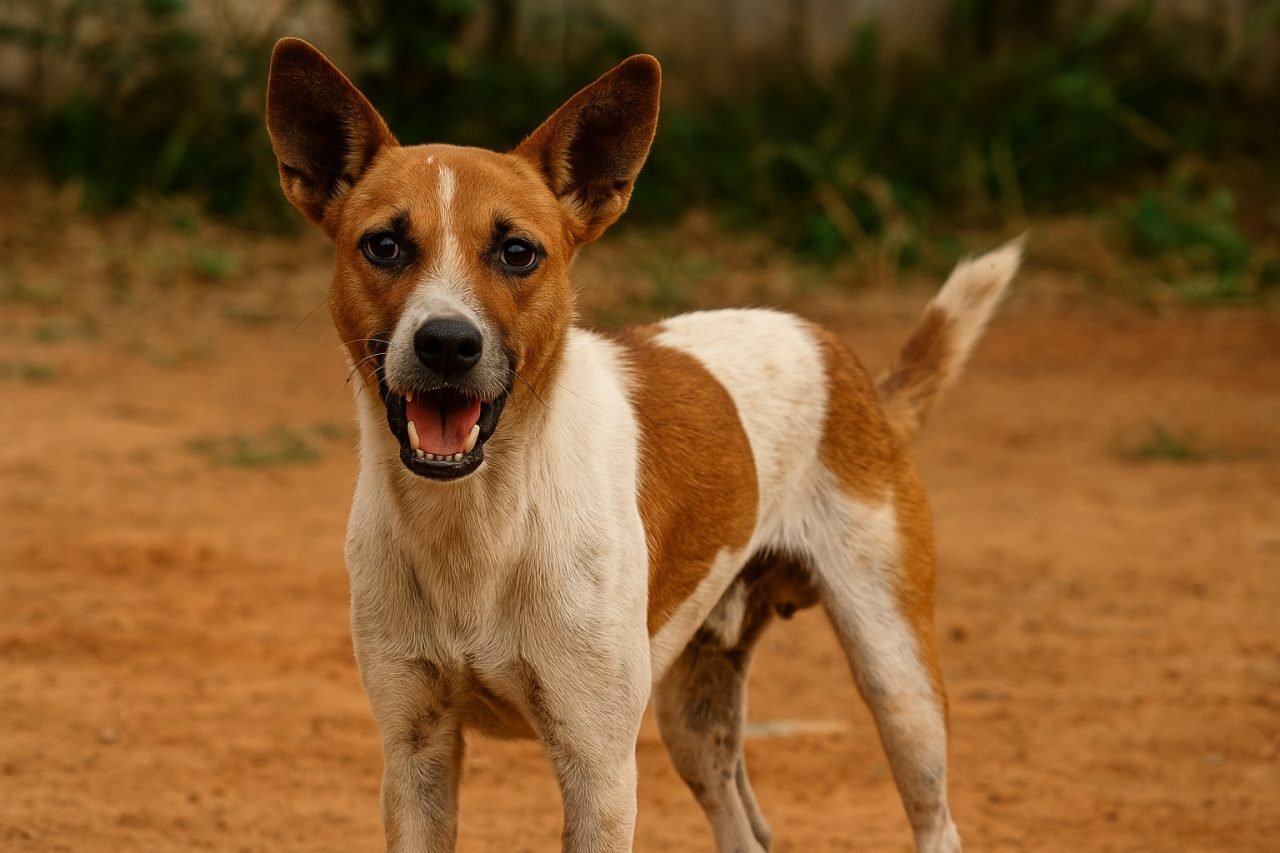
The Lagos State branch of the Nigerian Veterinary Medical Association (NVMA) has confirmed an outbreak of rabies in the Ajah area of Lagos State. This was revealed in a public health advisory issued by the chapter’s Chairman, Dr. Ofua Mark, following laboratory confirmation by the National Veterinary Research Institute (NVRI) in Vom, Plateau State. Dr. Mark attributed the outbreak to the rising number of unqualified individuals posing as veterinarians and improperly administering rabies vaccines. He expressed deep concern over the misuse of the vaccine, which, despite being readily available, is often poorly handled due to weak regulatory enforcement. “Allowing dog breeders to vaccinate animals without professional supervision endangers public health,” he stated. The NVMA has formally alerted key bodies, including the Lagos State Ministry of Agriculture and the Nigeria Centre for Disease Control and Prevention (NCDC). In response, government authorities have initiated containment measures such as contact tracing, isolation procedures, and intensified surveillance across the Ajah-Lekki corridor. Rabies is a deadly but preventable viral disease, primarily transmitted through bites from infected animals particularly dogs. The NVMA has called on residents in Ajah and nearby areas to remain vigilant, ensure their pets are vaccinated by certified veterinary professionals, and promptly report any incidents involving suspicious animal behavior or bites. “Although the situation is being managed, we urge the public to stay alert, avoid interaction with stray or unvaccinated animals, and seek urgent medical attention in case of a bite,” Dr. Mark advised. He also stressed the urgent need for stricter oversight to curb quack practices that pose serious risks to both animals and humans. The NVMA reaffirmed its commitment to protecting public health in partnership with state and federal agencies. It pledged continued monitoring, public awareness campaigns, and timely updates on developments. Residents are encouraged to report incidents or seek assistance by contacting the Lagos State NVMA or visiting the nearest licensed veterinary clinic. “With joint effort and professional care, achieving a rabies-free Lagos is within reach,” Dr. Mark concluded.

Zara Lianne31 July 2025
friends.jpg

4min15020
Somewhere between navigating your career, building a home, maybe raising kids, or chasing personal goals, your friendships can begin to feel… hard. Not toxic. Not dramatic. Just distant. If you’ve ever stared at a WhatsApp message for days, thinking, “I’ll reply later,” or felt drained at the idea of planning a hangout, you’re not alone. Friendship burnout is real, and many people in their 30s are quietly battling it. What Is Friendship Burnout? Friendship burnout is that emotional fatigue that comes from trying and sometimes failing to maintain the same kind of closeness you had in your 20s. It’s when every group chat becomes muted, invitations feel like obligations, and even checking in feels like a chore. It’s not about not loving your friends. It’s about life getting in the way.   Why It Happens in Your 30s By your 30s, priorities shift. People move cities or countries. Careers demand more. Some friends get married, others have kids, and some are still figuring life out. Your once-easy social rhythms start to clash. Suddenly, everyone is busy, tired, or overwhelmed and the emotional bandwidth to maintain every friendship simply isn’t there.   How to Keep the Connections That Matter Still, the friendships that matter can survive, if you give them the right kind of attention. Redefine What “Showing Up” Means In your 30s, showing up doesn’t always mean being physically present. It could be sending a voice note instead of a long call. It could be tagging them in a meme that reminds you of them. Small gestures still build emotional closeness. Prioritize the Friends Who Prioritize You You can’t keep every friendship alive. And that’s okay. Focus on those who still make room for you, even in small ways. Relationships should be mutual, not one-sided. Be Honest About Your Capacity Sometimes, friendship burnout comes from overextending yourself. It’s okay to say: “Hey, I love you, but I’m mentally drained right now.” Real friends will understand, and honesty prevents resentment from building. Plan Low-Energy, Low-Pressure Catchups Instead of big outings that take hours to plan, try simpler hangouts like a picnic, a joint grocery run, or watching a series together virtually. Connection doesn’t need to be grand to be meaningful. Embrace Evolving Friendships Some friendships will grow deeper. Others will naturally fade. That’s part of life. Don’t guilt yourself for not being as close to someone as you once were. Let go with love if a connection has run its course.   You’re Not a Bad Friend — You’re Human Friendship burnout doesn’t make you a bad friend. It makes you human. The good news is, the friendships that are rooted in honesty, mutual respect, and a willingness to adapt can evolve beautifully with time. So don’t stress over being the perfect friend. Just be a real one. In your own way, at your own pace. Because at the end of the day, it’s not how often you show up, it’s that when you do, you show up with heart.

Zara Lianne31 July 2025
USA-VISA.png

4min9130
The United States appears to be shifting away from its traditional role as a global stabiliser, increasingly disrupting long-standing multilateral systems and bilateral partnerships. Recent policy decisions particularly those affecting Nigeria have sparked concerns over Washington’s evolving posture toward African nations. In a sharp departure from past visa protocols, the U.S. recently reduced Nigerian entry visas to three months and single-entry status. This was swiftly followed by public warnings of possible criminal charges against Nigerians accused of visa fraud or of harbouring undocumented migrants. The move, framed as part of a broader immigration overhaul, has been widely criticised for disproportionately targeting African nationals with Nigerians appearing to bear the brunt. While the U.S. maintains that national security and immigration control are at the heart of these measures, critics argue they reveal a deeper shift: a punitive approach to countries perceived as resisting alignment with U.S. foreign policy goals. Nigeria’s refusal to accept deported migrants reportedly played a role in the escalating visa restrictions. But analysts believe the tensions run deeper. As Nigeria strengthens ties with alternative global powers including China and Russia and joins emerging coalitions like BRICS, Washington seems intent on reasserting influence through pressure tactics. The exclusion of Nigeria, Egypt, Ethiopia, and South Africa, the continent’s key players from a recent U.S.-Africa leaders summit has also been seen as a strategic snub. The selective invitation list was viewed by many observers as an attempt to fragment Africa’s collective bargaining power echoing tactics from a bygone era of geopolitical division. Underlying the tensions is Washington’s discomfort with Nigeria’s increasingly independent foreign policy. Nigeria’s formal alignment with BRICS has likely added to the unease. Former U.S. President Donald Trump’s vocal disdain for BRICS seen by some in Washington as a challenge to Western dominance continues to influence the tone of U.S. engagement with its African partners. Compounding concerns are long-standing allegations that U.S. aid channels may have been misused during Nigeria’s insurgency crisis. While U.S. officials deny involvement, many Nigerians remain sceptical, citing the prolonged resilience of extremist groups as potentially sustained by external actors. The recent visa crackdown is viewed by some as part of a broader strategy, one that targets countries pursuing non-aligned or independent foreign policies. Yet, even as the U.S. tightens immigration controls and reduces diplomatic engagement, a global shift toward multilateralism and inclusive partnerships continues to gain momentum. Nigeria, alongside other African nations, is increasingly prioritising diverse international cooperation over dependency on traditional Western alliances. The growing multipolar order, shaped by a range of actors across continents, suggests a future less defined by the unilateral actions of any single power and more by collaborative, sovereign engagement across global regions. As global power dynamics evolve, Nigeria is expected to stay the course on its independent foreign policy path engaging with all nations, including the United States, on the basis of mutual respect and shared interests.

Zara Lianne31 July 2025
CBN-headquarters.jpg

2min5040
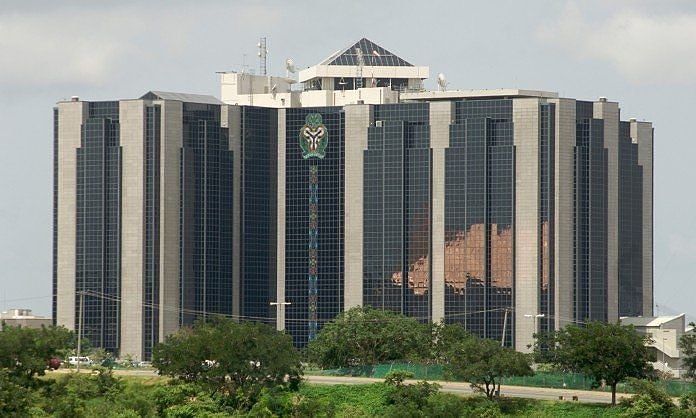
 The Central Bank of Nigeria has clarified that its Early Exit Package (EEP), introduced in 2024, was a voluntary initiative aimed at easing congestion at its headquarters in Abuja, not a move to marginalize any region or group. The bank’s Deputy Governor for Economic Policy, Muhammad Abdullahi, provided the clarification during a government-citizen engagement session held in Kaduna. He explained that the Abuja headquarters had become overcrowded to the point where emergency exits and other critical spaces were converted into offices, creating safety concerns. According to him, insurance providers had raised red flags over the building’s capacity and safety, prompting the bank to consider measures to reduce the number of personnel based at the headquarters. “There are sufficient facilities in Lagos, Kaduna, and other locations to accommodate staff, and some who relocated are even happier with their new postings,” he noted. Abdullahi stressed that the exit scheme was not new and had been implemented over the past two decades when management deemed the organizational structure top-heavy. “It is a completely voluntary process. Staff members are consulted, and offers are extended only to those who wish to take them,” he said. He added that some staff members who accepted the package had gone on to establish their own businesses, including microfinance banks, using the opportunity as a fresh start. Responding to claims that certain ethnic groups were being targeted, Abdullahi dismissed the allegations as false and divisive. “There are still several directors of northern origin working in the bank. Even the son of the Secretary to the Government of the Federation was transferred out of Abuja. The policy applied across the board,” he emphasized. Abdullahi called for restraint and urged the public to ignore misinformation being spread by individuals seeking to stoke regional tension. “This is a professional decision aimed at improving the efficiency and safety of the institution,” he added.  

Zara Lianne31 July 2025
fuel-tank.jpg

5min7680
Nigerians have raised concerns over the Federal Government’s plan to introduce a 5% surcharge on petrol and other fossil fuels starting January 2026 just over a year after the controversial removal of fuel subsidies. The new tax, part of sweeping reforms under the recently signed Nigeria Tax Administration Act, is expected to generate up to ₦796 billion annually from petrol alone. It forms part of broader efforts to expand non-oil revenue and improve fiscal stability amid rising national debt and dwindling subsidies. The surcharge will apply to refined fossil fuel products; petrol, diesel, aviation fuel, and others produced or sold within Nigeria. However, exemptions have been made for household kerosene, cooking gas, compressed natural gas (CNG), and clean or renewable energy sources. According to estimates based on national consumption data, Nigerians used approximately 18.75 billion litres of petrol in 2024 at an average retail price of ₦850 per litre. Applying the proposed 5% surcharge to this figure puts potential government earnings at nearly ₦796 billion from petrol alone excluding diesel and aviation fuel, which would further raise the revenue figure. Despite the government’s claims that the move will improve revenue collection and fund critical infrastructure, the announcement has drawn widespread criticism from consumers, labour unions, fuel marketers, transport operators, and civil society groups. Many argue the policy will worsen living conditions in a country already grappling with soaring fuel prices and economic uncertainty. Transport workers and marketers warn that the additional cost will inevitably be passed on to end-users, pushing pump prices even higher. Akintade Abiodun, head of a major drivers’ union, described the move as “tone-deaf,” accusing the government of treating citizens as “economic experiments” without considering their realities. Similarly, the Association of Nigerian Refineries Petroleum Marketers has urged caution, calling for transparent implementation mechanisms and warning of possible market distortions. The group acknowledged the failures of past subsidy regimes but insisted that new levies must be matched with clear accountability frameworks. “If this surcharge is to fund road repairs or infrastructure, Nigerians deserve to see immediate and visible improvements. Otherwise, it will just deepen public mistrust,” said Usman Ali, chairman of the group’s Board of Trustees. The Independent Petroleum Marketers Association of Nigeria (IPMAN) also warned that the surcharge would affect retail fuel pricing. Spokesperson Chinedu Ukadike explained that the levy would be absorbed into refineries’ and importers’ pre-pricing structures, which would in turn raise pump prices. “Marketers operate on narrow profit margins. Any added cost in the supply chain ends up at the filling station,” he said. Human rights advocates have also weighed in, with Jackson Omenazu of the International Society for Social Justice warning that unpopular economic measures could trigger wider unrest. “Citizens are already stretched to their limits. Imposing new fuel taxes without real relief or infrastructure improvements sends the wrong message,” he said. “There’s a growing disconnect between policy makers and everyday Nigerians.” Though the law is already in place, the implementation date remains undecided. The Finance Minister will determine when the surcharge takes effect, and the Nigeria Revenue Service, formerly the Federal Inland Revenue Service will oversee monthly collection and administration. As the clock ticks toward January 2026, Nigerians continue to demand that any new revenue measures be matched with transparency, fairness, and a clear plan for economic relief.

Zara Lianne31 July 2025
1cfab35a-b84d-488e-8113-8058b094c03c.png

2min15370
First HoldCo Plc, the parent company of First Bank, has released its unaudited financial results for the first half of 2025, revealing mixed performance across key indicators. Gross earnings rose by 18.1% year-on-year to ₦1.66 trillion, up from ₦1.4 trillion recorded in the same period of 2024. This growth was largely driven by a 51.7% increase in interest income, which climbed to ₦1.4 trillion from ₦947.7 billion. Net interest income also surged by 75.7% to ₦904.8 billion, compared to ₦514.9 billion in the previous year. However, non-interest income declined sharply by 56.5% to ₦189.4 billion from ₦435.7 billion, while impairment charges nearly doubled, rising 99.4% to ₦185.4 billion from ₦93.0 billion. Operating income increased by 15.1% to ₦1.09 trillion, while operating expenses rose by 24% to ₦552.8 billion, reflecting higher cost pressures. Profit before tax dropped by 13.6% to ₦356.1 billion from ₦412.0 billion, and profit after tax declined by 20.7% to ₦289.8 billion, compared to ₦365.3 billion in the same period last year. Despite the profit decline, the Group’s total assets saw a modest increase of 2.5% to ₦27.2 trillion, while customer deposits grew by 4.2% to ₦17.9 trillion. Group Managing Director Adebowale Oyedeji noted that the strong growth in net interest income highlights the Group’s ability to capitalize on emerging opportunities, even as external headwinds weighed on overall earnings. “Our profit before tax stood at ₦356.1 billion, impacted by the normalization of last year’s foreign exchange gains and a rise in impairment charges, which reflects our efforts to strengthen the balance sheet,” he explained. Looking ahead, Oyedeji said the Group’s immediate focus will be on improving earnings, completing the recapitalization of FirstBank ahead of the March 2026 deadline, and resolving all outstanding forbearance loans by the end of 2025. “We remain committed to our strategic priorities and confident in our ability to deliver long-term value to shareholders,” he added.

Zara Lianne30 July 2025
fuel-pump-1280x853.png

4min6430
Petrol prices have fallen below the rates offered by the Dangote Petroleum Refinery, signaling heightened competition in Nigeria’s downstream oil market. This development comes amid calls by Aliko Dangote for a government ban on fuel importation to protect local refining. Retailers in Lagos and Ogun states are now selling petrol for less than ₦860 per litre, while stations supplied by the Dangote refinery, including those operated by MRS and Heyden, maintain prices between ₦865 and ₦875. One outlet in Ogun State, identified as SGR, offered fuel at ₦847 per litre on Tuesday. Depot prices also reflect a downward trend. While the Dangote refinery sold petrol at ₦820 per litre as of Tuesday, several private depots were selling at ₦815 or slightly higher, in a bid to stay competitive. Companies like Aiteo and Menj were among those offering reduced ex-depot prices. Industry players say this price adjustment is a response to the Dangote refinery’s previous cuts, which had pushed importers to the brink of unprofitability. Now, many are undercutting Dangote in a bid to retain market share. Confirming the price reductions, the Independent Petroleum Marketers Association of Nigeria (IPMAN) said the trend was a result of market forces at play. “Depot owners are dropping their prices, some to ₦815 or ₦817 while Dangote remains at ₦820. NNPC still sells at ₦825,” said Chinedu Ukadike, the association’s National Publicity Secretary. He emphasized that this was a positive outcome of market liberalisation and warned against any government attempt to restrict fuel imports. “This is the benefit of an open market. No one should be barred from importing petroleum products. Refining locally will eventually stabilise pricing, but competition must be allowed.” Meanwhile, concerns have been raised about the quality of imported fuel. However, IPMAN insists that the Nigerian Midstream and Downstream Petroleum Regulatory Authority is in place to enforce quality standards. Aliko Dangote has raised alarm over what he described as “unfair competition” from importers, arguing that dumping of cheap and potentially substandard fuel is undermining local refiners. He stated that Nigeria’s domestic industry is at risk unless the government intervenes. According to Dangote, some imported fuel, particularly from Russia, benefits from foreign subsidies or discounted crude, allowing it to be sold at prices well below local production costs. “This creates an uneven playing field,” he said, noting that fuel prices in Nigeria have dropped to as low as 60 cents per litre, lower than in oil-producing nations like Saudi Arabia. He urged African governments to adopt protective measures similar to those implemented by the U.S., Canada, and the EU, warning that continued dumping could jeopardize investment in refining across the continent. Dangote also pushed for the full implementation of the ‘Nigeria First’ policy in the petroleum sector, stressing the need to prioritize locally produced fuel over imports. “If we want to secure our refining industry and economy, we must protect domestic producers,” he stated. However, marketers are pushing back, warning the government against adding petroleum products to the import prohibition list. They argue that banning fuel imports would stifle competition and contradict the principles of market liberalisation, which they say is already yielding benefits for consumers.