
Author: Zara Lianne

Zara Lianne30 July 2025
ob-1.jpeg

3min5400
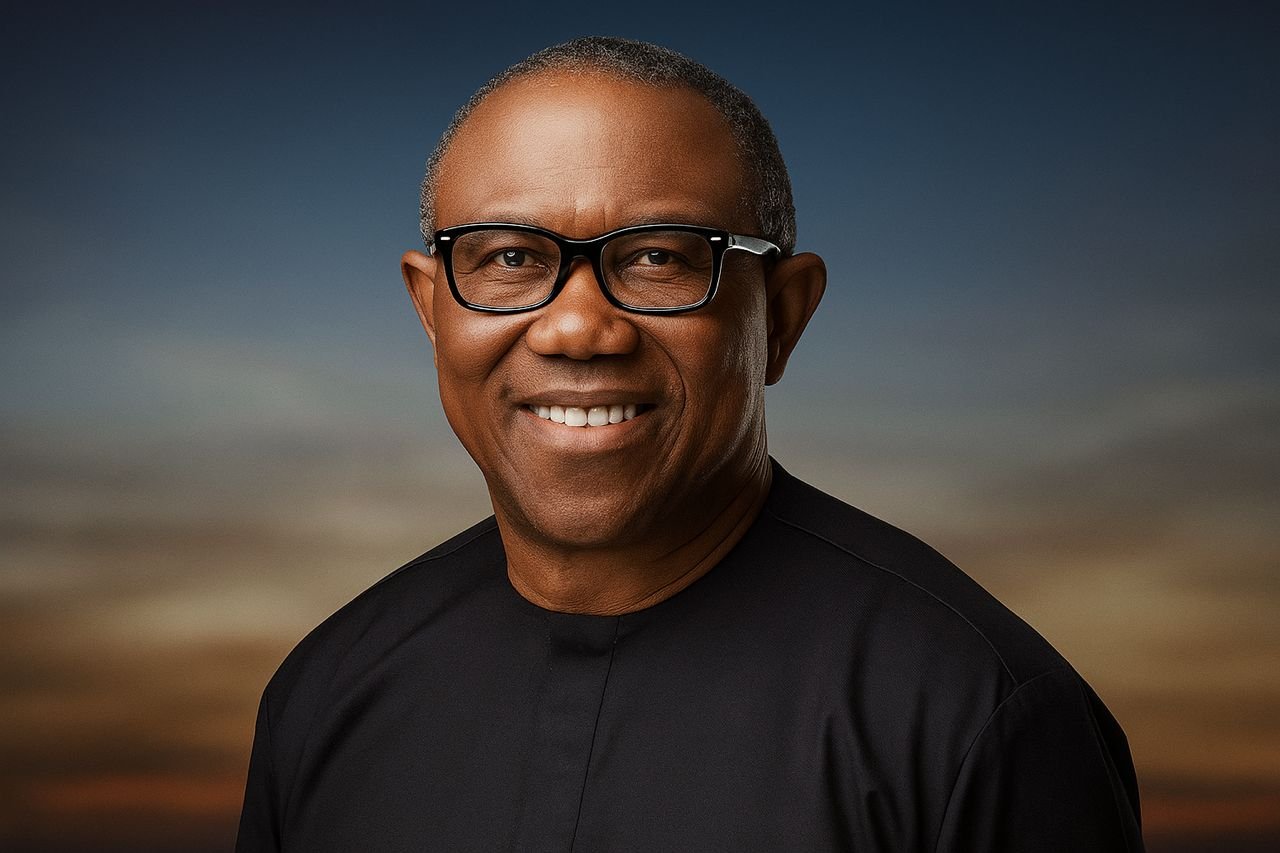
Presidential candidate in the 2023 general election, Peter Obi, has raised concerns over the federal government’s increasing appetite for borrowing, warning that Nigeria’s debt burden could exceed N200 trillion before the end of 2025. Obi’s comments follow the recent approval by the Senate of an external borrowing plan totaling $21 billion, €2.2 billion, and ¥15 billion for the 2025–2026 fiscal cycle. The approval also included a domestic bond issuance of N750.98 billion and a €65 million grant. According to Obi, Nigeria’s total public debt, which stood at N149.39 trillion in the first quarter of 2025, would rise to approximately N187 trillion with the newly approved loans. He cautioned that continued borrowing at this rate could push the total beyond N200 trillion by year-end. He noted that even after the recent rebasing of Nigeria’s GDP from N269.2 trillion to N372.8 trillion, the country’s debt-to-GDP ratio remains alarmingly high about 50.16 percent, the highest in the nation’s history. “Borrowing is not inherently wrong if it’s sustainable and invested in productive sectors with measurable outcomes,” he said. “But what we’re seeing is reckless borrowing without accountability, while critical sectors like education, healthcare, power, and infrastructure remain grossly underfunded.” Obi pointed out that Nigeria still ranks low on global human development indicators. Despite increased spending, particularly in security, the country continues to face worsening insecurity. Over 10,000 people have been killed and more than 600 villages destroyed between May 2023 and May 2025. He also highlighted the crisis in the healthcare sector, where malnutrition has claimed the lives of over 650 children in northern Nigeria, with Katsina State among the worst affected. International aid agencies have raised alarms over the deepening emergency. Obi criticized the state of national infrastructure, noting that out of 195,000 kilometers of roads, about 135,000 remain unpaved and largely unusable. Meanwhile, power generation continues to hover below 5,000 megawatts for a population of over 200 million. “Despite all the loans, over 63 percent of Nigerians about 133 million people are now classified as multi-dimensionally poor. This fiscal indiscipline is mortgaging the future of young and unborn Nigerians,” he said. He called for a return to responsible economic management, urging leaders to cut the cost of governance, block financial leakages, and invest in human capital to build a productive economy. “It’s time to stop the reckless borrowing and build a Nigeria where leadership is responsible, development is people-centered, and every borrowed kobo delivers real, measurable impact.”  

Zara Lianne30 July 2025
house-of-rep.png

3min21610
A new legislative push to create 182 reserved seats for women in Nigeria’s federal and state assemblies is gaining traction, as lawmakers and advocates urge broad national support for the initiative. The Chairperson of the House Committee on Women Affairs and Social Development, Kafilat Ogbara, called on Nigerians to back the bill, which seeks to boost female representation in political leadership. She emphasized that despite making up a significant portion of the population, women remain underrepresented in elected positions across the country. “This bill is about more than just numbers, it’s about making sure women’s voices, experiences, and needs are reflected in policymaking,” she said during a media briefing in Abuja. The proposal includes one additional seat per state, including the Federal Capital Territory, reserved for women in both chambers of the National Assembly. It also seeks to establish three extra seats for women in each state House of Assembly. Ogbara described the initiative as a bold step toward a more inclusive democracy, aligned with global standards such as the UN’s Sustainable Development Goal 5 on gender equality. “Now is the time to remove the barriers that have long prevented women from participating fully in politics and governance,” she added. Supporting the proposal, Senator Ireti Kingibe emphasized that increased women’s participation in politics would lead to more effective and sustainable national development. “This isn’t just about boosting representation, it’s about unlocking Nigeria’s full potential,” she said. Representatives from development partners and civil society echoed the lawmakers’ sentiments. The UNDP Country Representative, Elsie Attafuah, described the bill as a pivotal moment for Nigeria’s democracy, noting that women currently occupy less than five percent of legislative seats. Nikky Onyeri, Secretary-General of the Association of Women Traditional Title Holders in Nigeria, also voiced strong support for the proposal. “This bill is long overdue. We urge lawmakers and the executive to act swiftly, especially with the current administration’s openness to gender-inclusive governance,” she said. Advocates argue that passing the bill will mark a critical step toward building a more equitable political landscape and empowering Nigerian women at all levels of leadership.  

Zara Lianne30 July 2025
whatsapp.png

2min8440
Italian authorities have launched an investigation into Meta over concerns that the tech giant may have violated European Union competition laws by integrating its artificial intelligence tool into WhatsApp. Meta, the parent company of Facebook, Instagram, and WhatsApp, began rolling out its AI assistant, Meta AI, on WhatsApp earlier this year. The move has raised alarms among regulators who believe the integration may unfairly steer users toward Meta’s AI services. According to Italy’s antitrust agency, Meta holds a dominant position in the consumer communications market and may have leveraged that dominance by embedding its AI tool into WhatsApp without offering users a clear choice. Officials argue this could result in users being funneled into the emerging AI space through non-competitive means. The regulator warned that such practices could harm rival companies that don’t have the same platform reach and could limit fair competition. There is also concern that users could become increasingly reliant on Meta AI over time, as the tool tailors responses based on user data, potentially creating a form of dependency. On Tuesday, Italian financial police and officials from the antitrust agency inspected Meta’s local offices as part of the investigation. The probe is being conducted in coordination with relevant departments at the European Commission. Authorities are expected to assess whether the integration of Meta AI constitutes an abuse of market power under EU competition law.

Zara Lianne30 July 2025
tunji-alausa-education-1.jpeg

2min20360
The Federal Government has reaffirmed its commitment to preventing strikes in Nigeria’s tertiary institutions, with a renewed focus on proactive engagement and relationship building with academic unions. Minister of Education, Dr. Tunji Alausa, stated on Tuesday that President Bola Tinubu has given a firm directive to his cabinet to put an end to industrial actions by university and college unions such as the Academic Staff Union of Universities (ASUU), the Colleges of Education Academic Staff Union (COEASU), the Non-Academic Staff Union (NASU), and the Senior Staff Association of Nigerian Universities (SSANU). “The President has made it clear that never again should ASUU or any tertiary institution union go on strike,” Alausa said during a televised interview. “It’s not just about making promises; it’s about building real relationships and maintaining trust. This administration is meeting its obligations and engaging regularly with union leaders.” The minister also dismissed any concerns about an imminent strike, insisting that the government remains actively engaged with all relevant bodies to ensure continued academic stability. His remarks followed the recent suspension of a strike by the ASUU branch at Yobe State University. The industrial action, which began on July 11, was called off after the union signed a Memorandum of Understanding with the state government. According to the branch chairman, Ahmed Karage, the national leadership of ASUU approved the decision to end the strike after both parties agreed on steps to address outstanding demands. In addition to improving labor relations, Alausa noted that ongoing reforms within the education sector are already beginning to pay off. He highlighted recent international rankings that have recognized some Nigerian public universities for their academic progress and global relevance.

Zara Lianne29 July 2025
elephant.png

3min5270
A farmer in the Itasin-Imobi area of Ijebu East Local Government, Ogun State, has been killed by a wild elephant believed to have wandered out of a nearby forest reserve. The victim, identified as Musa Kalamu, was reportedly attacked on his farmland on Monday. Local accounts reveal that the elephant stormed the farm and fatally assaulted Kalamu, who later died while being transported to a nearby medical facility. The tragic incident has sparked fear and outrage among residents, who say the animal has been a persistent danger in the area for years. “This elephant keeps invading our community, destroying crops, tearing our fishing nets and now it has claimed a life,” a resident lamented. The people of Itasin-Imobi are urging state authorities to take immediate action to prevent further loss of lives and property. State Commissioner for Forestry, Taiwo Oludotun, confirmed the incident and said that government officials were on their way to the scene to assess the situation. The State Commissioner of Police, Lanre Ogunlowo, also verified the report, stating that the local police division received a distress call on Monday afternoon about the attack. According to police, forestry officials have since been deployed to contain the animal and restore calm in the community. A video circulating online shows the lifeless body of the deceased farmer, with visible injuries allegedly inflicted by the elephant. In the footage, distressed residents can be heard calling for urgent government intervention, describing the attack as brutal and unbearable. “This is Kala. He was attacked by the elephants here. Look at his body, it’s torn open. We need help. This has gone on too long,” one voice says. Community members are now demanding lasting solutions to the recurring wildlife threat, fearing more lives could be lost if nothing is done.

Zara Lianne29 July 2025
ghana-1280x853.png

2min3270
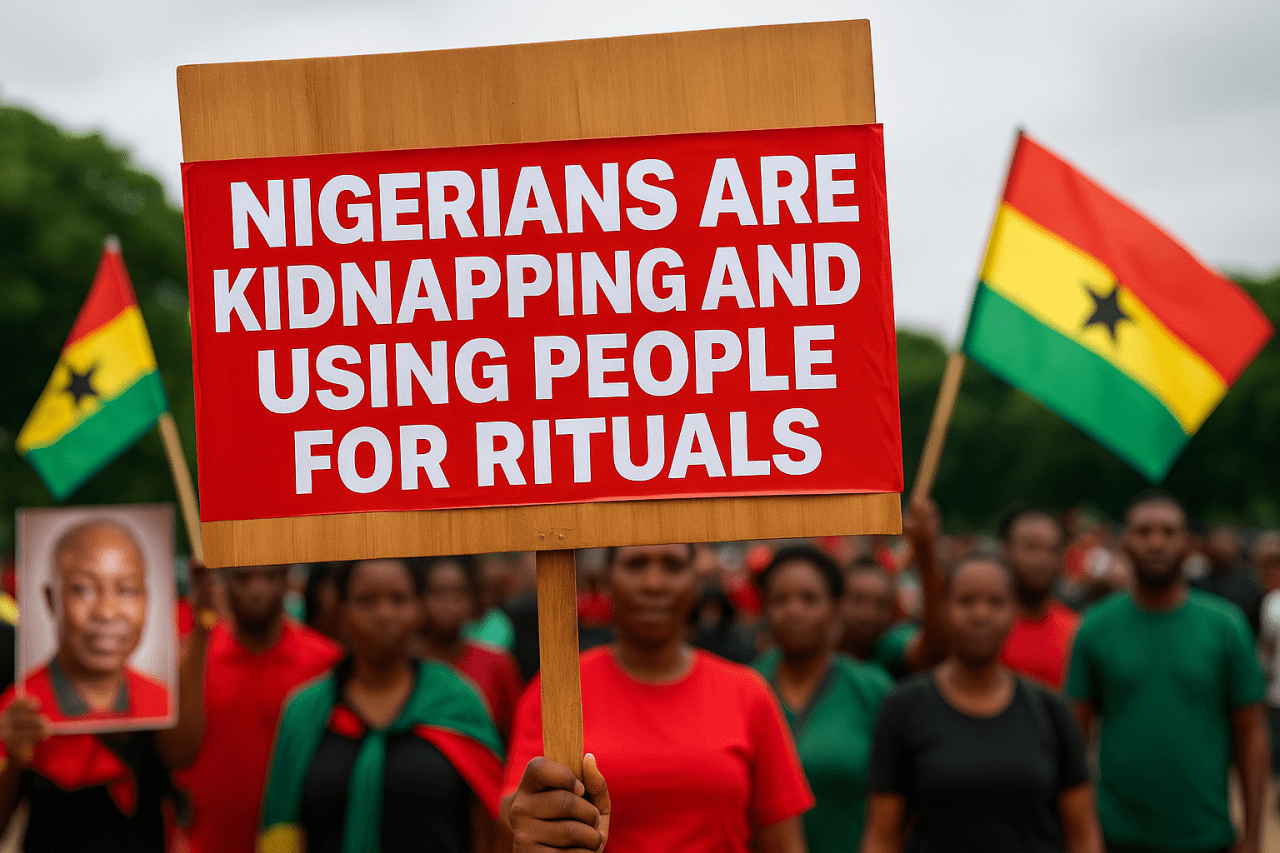
A group of protesters in Ghana have staged a demonstration over alleged criminal activities involving some foreign nationals, particularly Nigerians. The protest, which took place earlier this week, saw demonstrators carrying placards with messages expressing concerns about issues such as rising crime, prostitution, and ritual-related incidents. In videos circulating online, demonstrators gathered in large numbers, holding signs with inscriptions like: “Armed robbery and violent attacks must stop,” “Our health is at stake due to rising prostitution,” “Who protects the rights and freedoms of Ghanaians?” and “Stop kidnappings and ritual killings.” Protesters also referenced alleged incidents of violence, including the death of a man reportedly linked to a Nigerian national in Accra. One protester, a woman appearing to be in her 30s, called for the deportation of Nigerians, citing what she described as disregard for Ghanaian laws and customs. Another demonstrator accused foreign nationals of dominating local markets and breaching commercial regulations. There were also controversial claims that ethnic groups within the Nigerian community have established cultural leadership structures in Ghana, raising concerns among some locals about land ownership and economic influence. The situation has drawn historical comparisons to Nigeria’s 1983 deportation of undocumented West African immigrants, an event which led to the term “Ghana Must Go”—a reference to the large checked bags used during mass departures. As of press time, the Ghanaian government had not issued an official statement regarding the protest or the status of Nigerian nationals residing in the country. It remains unclear whether any legal or diplomatic measures will follow in response to the demonstrations.

Zara Lianne29 July 2025
GRID-1280x853.png

4min4730
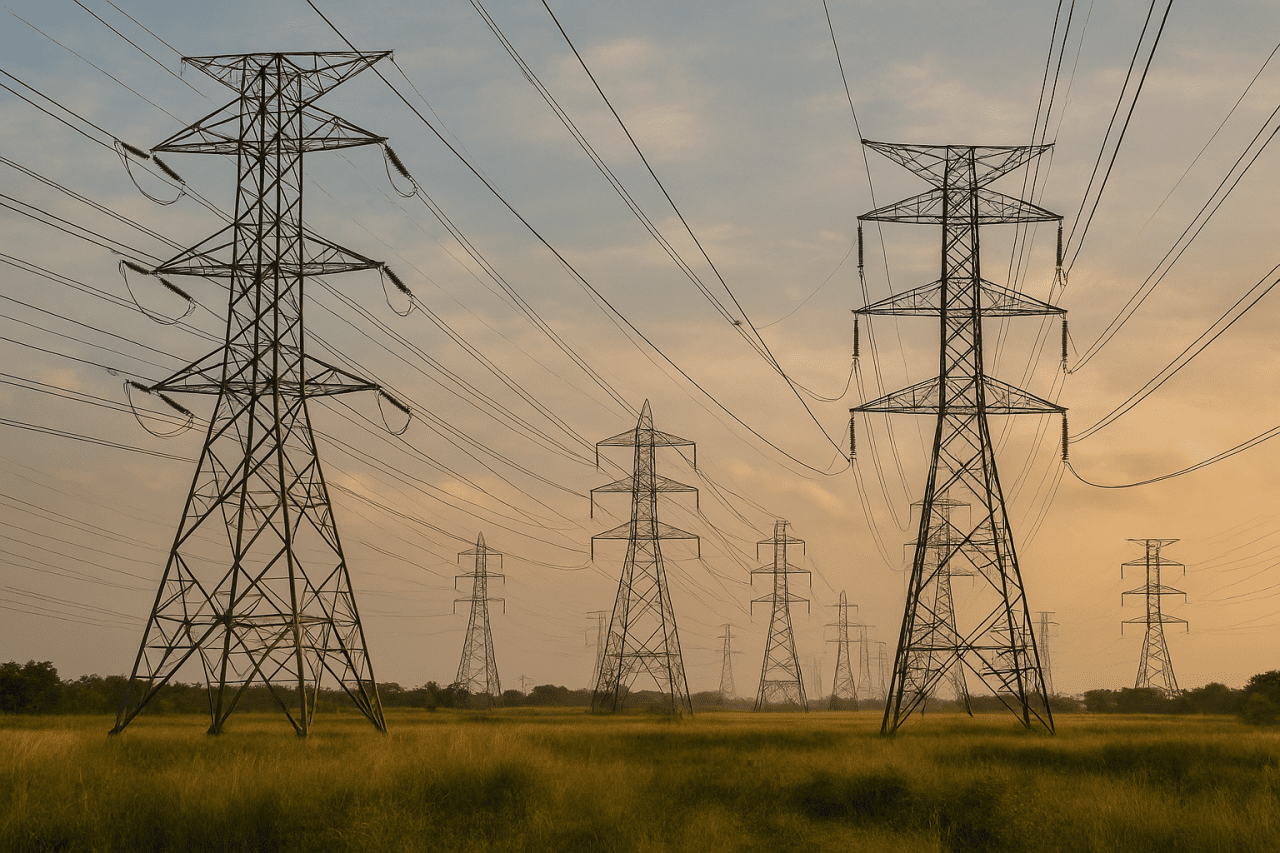
The Federal Government could initiate a reprivatisation process of the country’s 11 electricity distribution companies (Discos) if the proposed 2025 Electricity Act Amendment currently under consideration by the National Assembly is passed into law. The amendment seeks to overhaul the existing 2023 Electricity Act by introducing regulatory provisions that require core investors in the Discos to inject new capital into the sector within 12 months. Failure to comply could lead to share dilution, receivership, or outright re-privatisation. Sponsored by Senator Enyinnaya Abaribe, the bill aims to address persistent inefficiencies in Nigeria’s power sector by empowering the Nigerian Electricity Regulatory Commission (NERC) to take decisive action against poorly performing distribution firms. The legislation proposes the development of a comprehensive financing framework that would attract long-term, local currency investments and phase out unstructured subsidies. The framework is expected to focus on optimising gas-to-power projects, supporting distributed energy systems, and strengthening the financial base of Discos. Under Sections 228J and 228K of the proposed bill, the Minister of Power, in collaboration with NERC, will be required to implement measures to de-risk investment across the power value chain and resolve the sector’s growing debt crisis, currently estimated at over N4 trillion. Core investors in the Discos will be mandated to recapitalise their equity holdings within a 12-month window or face regulatory sanctions, including loss of ownership. The Act also requires a clear determination of the equity contributions of both federal and state governments to the Discos. The reform measure comes amid increasing concerns over the poor performance of the Discos, which continue to struggle with service delivery despite receiving significant financial support, including bailouts and tariff adjustments. In May, the Minister of Power publicly criticised the Discos for underperformance and warned that continued inaction would no longer be tolerated. A report by the Bureau of Public Enterprises in May 2025 revealed that over 70% of the Discos have failed to meet performance benchmarks agreed upon at the time of privatisation in 2013. Stakeholders have expressed mixed reactions to the bill. While some industry experts support the recapitalisation effort, they caution that a 12-month deadline may be unrealistic given the current economic climate. Many are calling for an extension to 24 months, drawing parallels with the Central Bank of Nigeria’s past recapitalisation programme in the banking sector. Others argue that the success of the proposed framework will depend on the resolution of long-standing financial issues in the sector, including unpaid subsidies and the absence of cost-reflective tariffs. Without these, they warn, investor confidence could remain low. Despite concerns, proponents of the bill believe it will enforce accountability and help stabilise Nigeria’s power sector, which remains burdened by inadequate infrastructure and financial mismanagement. Meanwhile, restructuring plans are already in motion. The Ministry of Power has begun deploying specialised teams to some of the most underperforming Discos as part of a broader reform initiative. A pilot programme targeting two Discos, one in the north and one in the south is currently underway and is expected to conclude by August 2025. Authorities have promised to provide updates as the implementation progresses, emphasising that the reform is critical to reviving Nigeria’s electricity distribution system and attracting sustainable investment into the sector.

Zara Lianne29 July 2025
super-falcons.jpg

2min4130
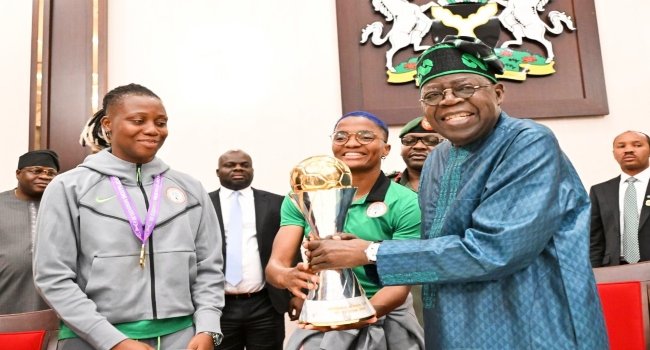
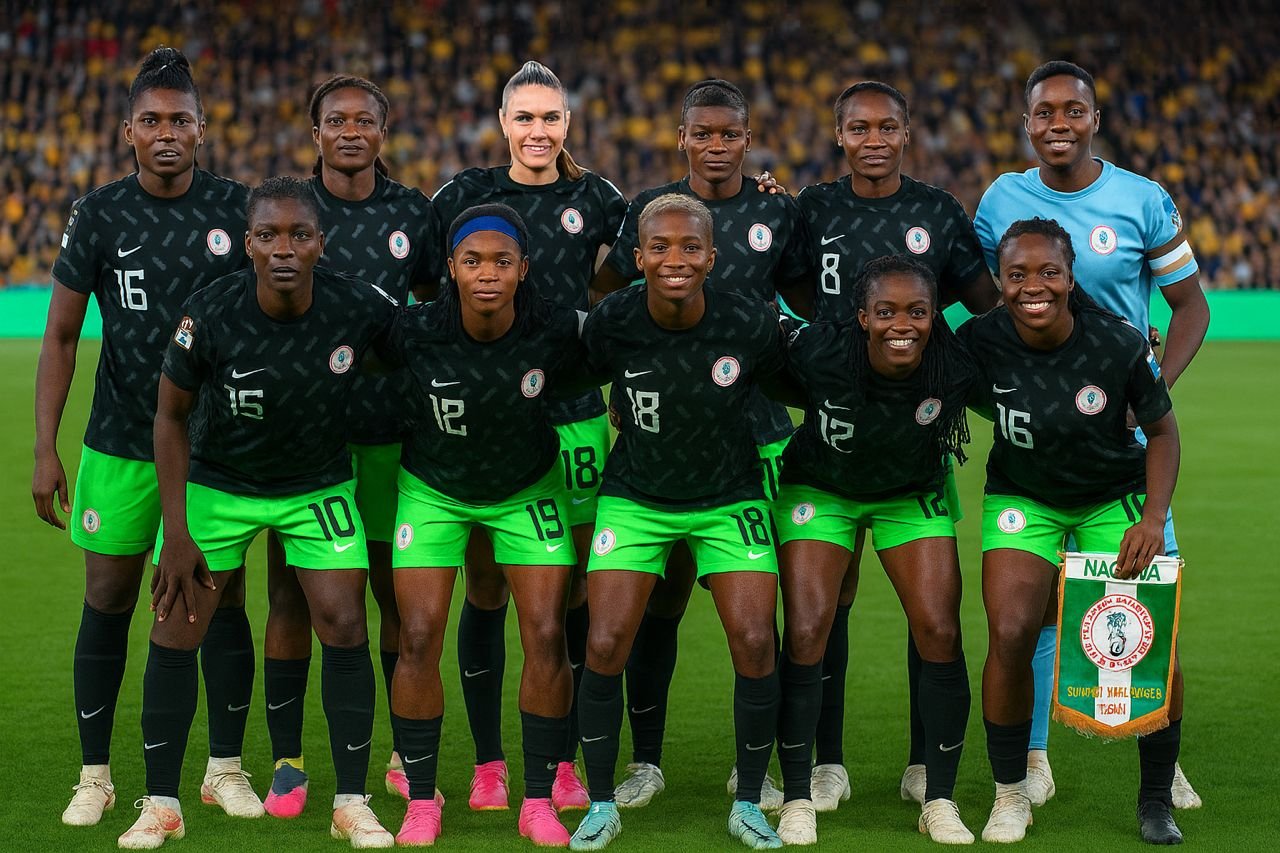
Following their historic victory at the 2024 Women’s Africa Cup of Nations (WAFCON) in Morocco, the Super Falcons have been honoured with cash rewards totaling ₦4.952 billion and the national award of Officer of the Order of the Niger (OON). The recognition was conferred by President Bola Tinubu during a reception held at the Presidential Villa in Abuja on Monday. The team, made up of 24 players and 11 technical crew members, also received an additional ₦350 million from the Nigerian Governors Forum. During the event, President Tinubu announced the allocation of a three-bedroom apartment to each player and crew member in the government’s Renewed Hope Housing Estate. He also approved a cash gift equivalent to $100,000 for each player and $50,000 for each member of the technical team, a sum totaling approximately ₦4.602 billion, based on the official exchange rate at the time. The President praised the team’s determination and resilience, describing their victory as a symbol of the unyielding Nigerian spirit. Nigeria clinched the WAFCON title for a record-extending 10th time after a dramatic 3–2 comeback win against hosts Morocco in the final at the Rabat Olympic Stadium. The team had topped their group without conceding a goal, defeated Zambia 5–0 in the quarter-finals, and edged past South Africa 2–1 in the semi-finals with a late goal from Michelle Alozie. Esther Okoronkwo played a key role in the final, delivering an inspiring performance that helped seal the win. The Falcons also swept individual awards at the tournament. Captain Rasheedat Ajibade was named Player of the Tournament, goalkeeper Chiamaka Nnadozie took home Best Goalkeeper, and coach Justine Madugu was recognized as Best Coach. This victory adds to Nigeria’s illustrious WAFCON record, having previously lifted the trophy in 1998, 2000, 2002, 2004, 2006, 2010, 2014, 2016, and 2018.

Zara Lianne28 July 2025
cc-1.jpeg

3min4170
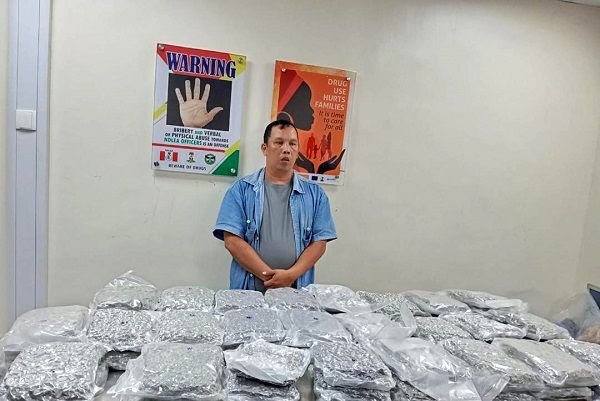
Operatives of the National Drug Law Enforcement Agency have arrested a Chinese national, Liang Tak You, with 50 parcels of cannabis known as Loud weighing 26.10kg at the Murtala Muhammed International Airport, Lagos. Liang was taken into custody on Friday after arriving from Bangkok via Dubai on an Emirates flight. Investigators said he had collected two suitcases packed with the drugs in Thailand before traveling to Nigeria. Surveillance teams tracked his movements from departure and intercepted him as he exited the airport. In a separate operation, an 80-year-old woman, Grace Ekpeme, was arrested in Calabar South, Cross River State, with over 3kg of skunk following intelligence reports of her involvement in drug dealing. Other coordinated raids across the country led to multiple arrests and seizures: Lagos: Chidi Agbafo was intercepted on the Epe-Ajah Expressway transporting 21.7kg of Colorado and 3.8 liters of codeine syrup to Delta State. Apapa Port: Security agencies jointly uncovered 101kg of Canadian Loud hidden in 202 tins of imported food and concealed in two Toyota Sienna buses shipped from Canada. Abuja-Kaduna Highway: Usman Musa was caught with 71,000 opioid pills en route to Kano. Borno: 30.1kg of skunk was seized from Binta Usman, leading to the arrest of Bala Abdullah. Ondo State: Three brothers Nanna, Chizom, and Maxwell Ozirinye were detained, and 2,500kg of cannabis plants destroyed in a forest plantation. Edo State: A 26-year-old woman, Bright Sunday Okon, was arrested with cannabis strains and methamphetamine during a raid in Benin City. Nasarawa State: 105.4kg of skunk was recovered from an abandoned vehicle in Keffi. Niger State: Bashir Abdullahi was arrested with 6,400 tramadol pills in Minna. Ogun State: Notorious dealer Jamiu Omolaja was apprehended with 113kg of skunk after his gang resisted NDLEA operatives. Gombe State: 10,910 capsules of tramadol were seized from Adamu Adamu along the Gombe-Bajoga road. A consignment of skunk hidden among garri and dried leaves was intercepted on the Okene-Lokoja highway, leading to the arrest of Kindness Bala in Abuja. Kogi State: 23,600 tramadol pills, 300 pentazocine injections, and 700g of skunk were recovered from a truck in Ayingba. Authorities say the operations, carried out over the past week, are part of a nationwide crackdown on drug trafficking networks.

Zara Lianne27 July 2025
IMG-20250727-WA0002.jpg

1min3910
Nigeria’s Super Falcons pulled off a remarkable comeback to defeat Morocco 3–2 in a thrilling Women’s Africa Cup of Nations match played on Saturday. Morocco started strong, taking the lead in the 12th minute through Ghizlane Chebbak and extending it in the 24th minute with a goal from Sanaâ Mssoudy. Nigeria responded with a determined second-half display. Esther Okoronkwo converted a penalty in the 64th minute to reduce the deficit, then set up Folashade Florence Ijamilusi for the equaliser in the 71st minute. Jennifer Echegini sealed the victory with a late goal in the 88th minute. The Super Falcons had the edge in most match statistics, recording 14 shots to Morocco’s 10, including five on target. They maintained 55% possession, completed 280 passes with 69% accuracy, and earned five corners compared to Morocco’s three. Despite the high tempo, the match remained disciplined, with no yellow or red cards issued. Nigeria committed seven fouls, while Morocco had 12.