Blog - Edupreneur Select

Bring to the table win-win survival strategies to ensure proactive domination. At the end of the day, going forward, a new normal that has evolved from generation.
zz-3.avif

1min8320
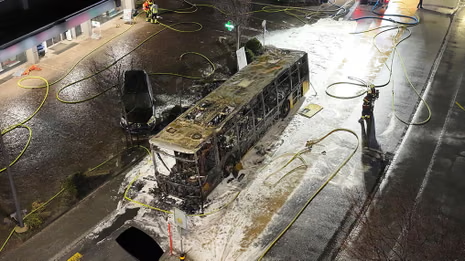
At least six people have died and several others injured after a bus caught fire in western Switzerland, authorities say. The incident occurred around 18:25 local time (19:25 GMT) on Tuesday in the centre of Kerzers known in French as Chiètres in Fribourg canton, roughly 20 km (12 miles) from Bern. Police reported that at least three victims were taken to hospital, and a rescuer was also reportedly injured. The cause of the fire remains unknown, though investigators are examining whether it may have been deliberately set. There have been unverified reports that someone may have doused themselves in gasoline, but authorities have not confirmed this. Local media videos show the bus engulfed in flames, and residents described seeing a thick column of smoke rising from the scene. The bus was reportedly travelling from the Düdingen municipality, about 17 km south of Kerzers. Swiss President Guy Parmelin expressed his sorrow on X, saying the tragedy “shocks and saddens me that people have lost their lives in a serious fire in Switzerland.” The incident comes amid memories of a deadly fire at a Swiss ski resort on New Year’s Eve, which claimed 41 lives.

Tech & Tools Desk11 March 2026
zz-33.jpg

2min8050
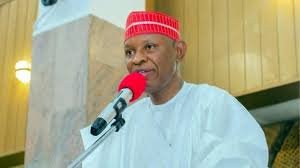
The Governor of Kano State, Alhaji Abba Yusuf, has relieved the state Head of Service, Alhaji Abdullahi Musa, of his position with immediate effect. This was disclosed in a statement issued on Tuesday by the governor’s spokesperson, Sanusi Tofa. According to the statement, the decision is part of ongoing efforts by the administration to reposition the state civil service to enhance efficiency, discipline, and improved service delivery across government institutions. It stated that the move forms part of broader reforms aimed at strengthening the operations of the state’s public service. The governor also commended the outgoing Head of Service for his contributions and dedication to the development of Kano State during his time in office. He wished him success in his future endeavours and prayed for continued progress in all aspects of his life. Yusuf further directed the Permanent Secretary, Administration and General Services at the Cabinet Office, Hajiya Bilkisu Shehu Maimota, to serve in an acting capacity pending the appointment of a substantive Head of Service. The statement added that Musa had been instructed to hand over the responsibilities of the office to the acting Head of Service not later than Wednesday, March 11, 2026. The development comes amid recent political realignments in the state following the governor’s defection from the New Nigeria Peoples Party to the All Progressives Congress, a move that has prompted adjustments within the state’s political and administrative structures. The shift has also led to changes among political appointees and government officials as the administration aligns with the new party structure while pursuing reforms within the civil service.

Zara Lianne11 March 2026
zz-31.jpg

3min6460
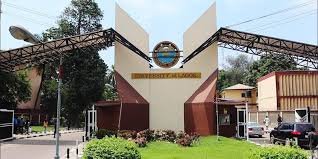
The management of the University of Lagos has criticised the institution’s chapter of the Academic Staff Union of Universities for declaring an industrial action without adhering to established procedures. ASUU-UNILAG, after a congress held on Tuesday, directed its members to withdraw their services from Wednesday over what it described as reduced salaries for January and February. The chairman of the union in the university, Prof. Idou Keinde, said lecturers did not receive the full components of their earnings, including the Consolidated Salary Structure for Academics, the Consolidated Academic Tools Allowance, and the Professorial Allowance. Keinde added that lecturers would not return to work until their complete salaries are paid. Responding, the university, through its Head of the Communication Unit, Adejoke Alaga-Ibraheem, said the management would continue to engage with the ASUU leadership to resolve the concerns raised, particularly the unpaid Consolidated Academic Teaching Allowances. In a statement issued on Wednesday, the university said it had taken note of reports that the union directed its members to suspend services following its congress. The management, however, maintained that the declaration of the strike did not follow due process. Despite the development, the university reaffirmed its commitment to the welfare of staff and students, noting that it would sustain dialogue with the union to address all outstanding issues. UNILAG also stated that the ongoing examinations for students scheduled for Wednesday would proceed as planned. According to the statement, the institution is mindful that students are currently at a crucial stage of the academic session, with semester examinations already in progress. It warned that any disruption could negatively affect students, particularly those preparing for the Students’ Industrial Work Experience Scheme, internships, or admission into the Law School. However, the university noted that examinations for courses where students have already been informed by their Deans or Heads of Department that tests will not hold would be rescheduled. The management further stated that all examinations would continue as scheduled from Thursday, March 12, 2026, while directing deans to ensure proper arrangements for the smooth conduct of the examinations. It also urged members of the university community to remain calm and continue their academic activities while discussions with the union continue toward resolving the issues.

zz-30.jpg

5min3990
The Chief of the Air Staff, Sunday Aneke, has acknowledged the difficulties of securing Nigeria’s vast territory while emphasising the need to safeguard students in tertiary institutions. Speaking during a visit to the headquarters of the Tertiary Education Trust Fund (TETFund) in Abuja on Tuesday, Aneke said the Nigerian Air Force was collaborating with relevant authorities to ensure swift response to security threats in schools. According to him, the Air Force is working on a system that would allow the nearest military unit to be activated instantly in the event of a security emergency. “Security is not something to be fully discussed in public, but Nigeria is a very large country with difficult terrain. However, children must go to school,” Aneke said. He noted that reducing response time remains a key challenge, especially in remote areas where incidents may occur. “The major issue is usually the time between when an incident happens and when help arrives. Fortunately, the Air Force has speed and reach,” he added. The Air Chief explained that arrangements were being made with relevant authorities to ensure that, in the event of a crisis, the closest Air Force unit could be deployed immediately “with the push of a button.” Aneke also appealed to Nigerians to remain patient and appreciate the sacrifices made by security personnel across the country. “While many Nigerians sleep, our officers and men are risking their lives, flying at night and responding to emergencies. I urge Nigerians to be patient because many people are making significant sacrifices,” he said. Meanwhile, the Executive Secretary of TETFund, Sonny Echono, outlined measures being implemented to strengthen security in universities and other higher institutions. Echono said efforts are focused on improving basic security infrastructure across campuses, including perimeter fencing, better lighting systems and enhanced communication equipment for security personnel. He disclosed that the Fund was also developing a comprehensive security master plan in collaboration with the Office of the National Security Adviser and other security agencies. According to him, the government is expanding the Safe Schools Initiative initially introduced for primary and secondary schools to include tertiary institutions. Echono further revealed that security coordination units have been created within institutions to work with agencies such as the Army, Navy, police, Civil Defence and the Air Force. He added that TETFund has established a special intervention fund dedicated to strengthening security infrastructure and supporting security agencies operating within educational institutions. Security concerns have intensified in recent years following incidents of kidnappings and violent attacks targeting schools, which have disrupted academic activities and heightened fear among students and staff. Authorities say expanding the Safe Schools Programme to universities and colleges is part of broader efforts to improve surveillance, emergency response and overall safety across Nigeria’s education sector.

Tech & Tools Desk10 March 2026
zz-15.webp

6min4520
As Nigeria experiences an intense early-year heatwave, the Nigerian Meteorological Agency (NiMet) has warned that millions of residents may face extreme heat stress. With temperatures exceeding 40°C in several parts of the country and humidity levels worsening the discomfort, health experts are advising Nigerians to take precautionary measures to prevent heat-related illnesses. In an advisory released on Tuesday, March 10, NiMet described the current weather conditions as a serious health concern. States expected to face the most severe heat include Kebbi, Niger, Kwara, Oyo, Kogi, Nasarawa, Anambra, Abia, Ebonyi and Cross River, as well as the Federal Capital Territory. Other northern states such as Taraba, Adamawa, Plateau, Kaduna, Zamfara and Sokoto have also been placed on high alert. According to the agency, prolonged exposure to extreme heat could lead to dehydration, fatigue, headaches, thermal discomfort and reduced productivity. Vulnerable groups including pregnant women, children, the elderly and Muslims observing Ramadan are considered particularly at risk. Residents in affected areas have already begun adjusting their daily routines, with many choosing to remain indoors during peak sunshine hours. The combined effects of heat and humidity raise the heat index, making temperatures feel hotter and placing additional strain on the body’s natural cooling system. Tips to Stay Safe During the Heatwave Stay hydrated:Drink at least two to three litres of water daily, even if you do not feel thirsty, to replace fluids lost through sweating. Eat water-rich foods:Consume fruits such as watermelon, oranges, cucumbers and pineapple to help maintain hydration. Limit alcohol and caffeine, which can worsen dehydration. Avoid peak sunlight hours:Reduce outdoor activities between 11 a.m. and 4 p.m., when temperatures and sunlight are most intense. Dress appropriately:Wear light-coloured, loose-fitting cotton clothing that allows air circulation and reflects sunlight. Protect yourself outdoors:Use sunscreen and carry umbrellas, hats or sunglasses when stepping outside. Keep indoor spaces cool:Use fans or air conditioners where available. Keep curtains and windows closed during the day to block heat and open them at night to improve ventilation. Reduce strenuous activities:Avoid intense exercise or long outdoor walks during the heatwave. Outdoor workers are advised to take regular breaks in shaded areas. Cool your body regularly:Take cool showers or baths and place damp cloths on areas such as the neck or wrists to help lower body temperature. Look out for others:Do not leave children, elderly individuals or pets inside parked vehicles or poorly ventilated spaces. Regularly check on neighbours or relatives with underlying health conditions. Use oral rehydration solutions when necessary:In cases of excessive sweating, particularly among children, oral rehydration solutions may help restore lost electrolytes. Symptoms of Heat-Related Illness Heat Exhaustion:Heavy sweating, pale or clammy skin, dizziness, nausea, weakness and a rapid pulse. Heat Stroke (Medical Emergency):Extremely high body temperature above 40°C, confusion, hot and dry skin, breathing difficulties, seizures or loss of consciousness. When to Seek Medical Help Health authorities advise seeking immediate medical attention if someone experiences confusion, fainting, seizures, persistent vomiting, chest pain, difficulty breathing, or stops sweating despite feeling extremely hot. Experts say staying hydrated, seeking shade and reducing prolonged exposure to sunlight remain the most effective ways to stay safe as the country continues to face unusually high temperatures.


zz-14-1280x720.webp

4min9310
The United Nations has raised concerns that women worldwide still possess only 64 per cent of the legal rights available to men, warning that gender inequality remains one of the most pressing human rights challenges globally. This was highlighted by the UN Secretary-General, António Guterres, in an opinion article released on Tuesday to commemorate International Women’s Day and Women’s Month. Guterres outlined eight key actions aimed at strengthening women’s rights, drawing from his experience and the work of UN agencies and civil society organisations around the world. According to him, discriminatory laws and systemic barriers continue to prevent millions of women from accessing equal opportunities and justice. “Worldwide, women hold only 64 per cent of the legal rights enjoyed by men. In too many places, they cannot own property, work freely, or seek a divorce,” he stated. The UN chief added that even in countries where legal protections exist, women often face greater challenges in accessing courts and legal assistance. He called on governments worldwide to eliminate discriminatory laws and ensure that women’s rights are effectively enforced. Describing gender inequality as one of the most significant global issues, Guterres noted that advancing equality would help accelerate sustainable development and promote peace. “Gender inequality is the greatest human rights challenge of our time, and advancing equality is one of the strongest drivers of sustainable development and peace,” he said. He also pointed out that women remain significantly underrepresented in political and economic decision-making structures. “Women are grossly under-represented in governments and boardrooms across the globe,” he added. Guterres further stressed the importance of investing in women and girls, noting that increased spending on girls’ education, maternal health and family support systems yields substantial economic and social benefits. He also called for stronger measures to combat gender-based violence, greater participation of women in peace negotiations, and the removal of bias in emerging technologies. The UN chief emphasised that women must play a central role in climate action, noting that they are often among those most vulnerable to climate impacts. “A liveable planet demands gender-responsive climate policies and equal participation of women in environmental decision-making,” he said. Guterres urged governments, institutions and civil society to take practical steps to accelerate gender equality, stressing that closing the gender gap is essential for global progress. “If leaders get serious about gender equality and commit to these solutions now, we will change the world for women and girls, and for us all,” he said. He warned that male-dominated institutions continue to shape global power structures and that rising authoritarianism is worsening inequalities by rolling back protections related to fair labour practices, reproductive rights and other freedoms. Guterres concluded by emphasising that gender equality benefits entire societies, noting that when power is shared, freedom and opportunities expand for everyone.

Tech & Tools Desk10 March 2026
MAONO-Mic-vs2-1280x905.png

4min4510
Editor’s Note: This article contains affiliate links. As an Amazon Associate, I earn from qualifying purchases. In the world of high-stakes digital communication and global leadership, “Presence” is often defined by the clarity of your voice. It’s the ability to project authority, confidence, and total control, whether you are leading a cross-border board meeting or recording a high-impact presentation. For many high-achievers, maintaining that professional edge in a digital environment isn’t just about what you say, it’s about how you are heard. Whether you are operating from a home office in Toronto or a corporate suite in New York, the MAONO PD400X Dynamic Microphone is your silent partner in professional influence. Why the MAONO PD400X is a Must-Have for 2026 This isn’t your standard laptop microphone; it is a professional-grade Hybrid XLR/USB broadcast tool designed for those who demand total reliability and studio-quality results from their workspace. Hybrid Versatility (USB & XLR): Engineered for the modern professional. Use the USB-C connection for an instant, high-fidelity upgrade to your daily meetings, or utilize the XLR output when you are ready to move to a professional studio interface. It is a “future-proof” investment for your career. Dynamic Sound Isolation: Unlike sensitive microphones that pick up the hum of an AC unit or household noise, this Dynamic capsule focuses strictly on your voice. It provides a “shield” of silence around your commentary, ensuring your message is the only thing your audience hears. Precision 3-in-1 Control: The tactile Digital Knob gives you immediate command over your microphone gain and headphone volume. It allows you to adjust your “presence” on the fly without ever breaking eye contact with your camera. Tactile Tap-to-Mute: A critical feature for live sessions. A quick tap ensures total privacy with a clear LED indicator, allowing you to manage your environment without fumbling for software buttons mid-sentence. Expert Insight: The Architecture of Vocal Authority In professional communication, we often discuss how “Audio Friction”—background noise or thin, tinny sound—can subtly undermine your perceived authority. By utilizing a “Biohacking” tool for your voice, like the MAONO PD400X, you remove a layer of digital anxiety. When you aren’t worried about being heard or repeating yourself, you can lean fully into your “Presence,” allowing your expertise to take center stage. The Choice for North American Professionals For our community members across the US and Canada, where the digital office has become a permanent staple of professional life, the MAONO PD400X has become a primary tool for its reliability and sleek, executive aesthetic. It’s the “Secret Weapon” for the modern professional who refuses to let technical limitations get in the way of their mission. In the US – Get the MAONO PD400X on Amazon Here: https://amzn.to/4rWF7qc In Canada – Get the MAONO PD400X on Amazon Here: https://amzn.to/3NbcMgQ (Paid Links)

zz-29.jpg

5min5430
The Federal Government has emphasised that innovation and stronger collaboration between the public and private sectors are essential to achieving universal health coverage for Nigerians. This was highlighted at the 2026 Annual Conference of the Healthcare Federation of Nigeria held in Lagos, with the theme “Transforming Healthcare: Leveraging Private Sector Innovation to Achieve Quality Outcomes and Universal Health Coverage.” According to a statement issued by HFN on Sunday, the Minister of State for Health and Social Welfare, Iziaq Salako, represented by the Chief Medical Director of the Federal Medical Centre Ebute-Metta, Saheed Ogunme, said innovation and collaboration are vital to transforming Nigeria’s healthcare system. Ogunme noted that the conference theme reflects both the challenges and opportunities facing the country’s health sector, stressing that transformation requires practical action rather than theoretical plans. He pointed out that Nigeria’s population, estimated at over 220 million people, continues to place increasing pressure on the healthcare system. Despite some improvements, the country still faces major challenges, particularly in maternal and child health. According to him, Nigeria accounts for a significant share of global maternal deaths, with nearly one in five maternal fatalities worldwide occurring in the country. “These figures represent real lives mothers, children and families whose potential contributions to national development have been lost,” he said. Ogunme also highlighted the heavy financial burden many Nigerians face when seeking healthcare, noting that out-of-pocket payments still account for more than 70 per cent of total healthcare spending. He warned that millions of citizens remain vulnerable to catastrophic health expenses that can push families into poverty, stressing that urgent reforms are needed. Between 2026 and 2030, he said the Federal Government plans to prioritise improving healthcare quality, strengthening emergency medical services, expanding health insurance coverage and promoting deeper public–private partnerships. He added that the government is also working to boost local pharmaceutical production through the Presidential Initiative for Unlocking the Healthcare Value Chain, which aims to reduce the country’s reliance on imported medicines and expand domestic manufacturing by 2030. Speaking at the conference, the Lagos State Commissioner for Health, Akin Abayomi, said the state is positioning itself as a regional healthcare hub for Nigeria and the wider West African region. He noted that growing interest from medical professionals abroad suggests increasing confidence in Lagos’ healthcare sector. According to him, many healthcare experts are exploring opportunities to return to Nigeria and participate in the sector’s growth, with several inquiries coming from professionals seeking ways to contribute to developments in Lagos. However, Abayomi acknowledged that the state faces a major shortage of healthcare workers. He said Lagos currently has about 7,000 doctors, far below the estimated 30,000 required to adequately meet the needs of its expanding population. Also speaking, the President of the Healthcare Federation of Nigeria, Njide Ndili, said the private sector remains committed to supporting government efforts to strengthen the country’s healthcare system through research-based investments and policy engagement. She disclosed that the federation partnered with the Nigerian Economic Summit Group to conduct a nationwide survey aimed at identifying key areas where private sector investments could support national health priorities. Ndili explained that the study provides data-driven insights that can guide both investment decisions and policy development within the sector. Meanwhile, nephrologist and healthcare entrepreneur Richardson Ajayi said weak regulation of healthcare facilities remains a major obstacle to achieving universal health coverage in Nigeria. Ajayi explained that poor regulatory oversight often undermines public trust in the healthcare system and discourages both patients and investors. He added that stronger regulatory frameworks, supported by digital infrastructure, could help improve transparency and standards across the sector. According to him, the adoption of technology-driven monitoring systems could allow hospitals to upload facility data while enabling artificial intelligence tools to support inspections and compliance checks, thereby strengthening accountability in the healthcare industry.

zz-28.jpg

2min8370
Babajide Sanwo-Olu has said the installation of new streetlights and the replacement of defective fittings along major roads and highways in Lagos State are part of efforts to improve security and ease movement across the state. In a post shared on his Facebook page on Sunday, the governor explained that the initiative forms part of the government’s Light-Up Lagos project, which he noted has been making steady progress. Sanwo-Olu stated that government teams recently carried out installation and maintenance works in several areas across the state, covering locations on both the Mainland and the Island. According to him, the project is designed to enhance visibility and safety along major routes, especially for residents travelling late at night or leaving home early in the morning. “We have been recording steady progress with the Light-Up Lagos project. Our teams have been installing streetlights and replacing old, unreliable fittings along major roads and highways across the state,” he said, adding that residents may have noticed the work taking place in different parts of Lagos. He further explained that improved lighting would help residents move around more safely while also strengthening security along key transport corridors. The governor added that the installation and replacement of streetlights will continue, with plans to extend the project to more communities across the state. He emphasised that adequate street lighting plays an important role in improving road safety and security, whether residents are returning home late from work or beginning their day before dawn.

zz-13-1280x870.webp

6min7540
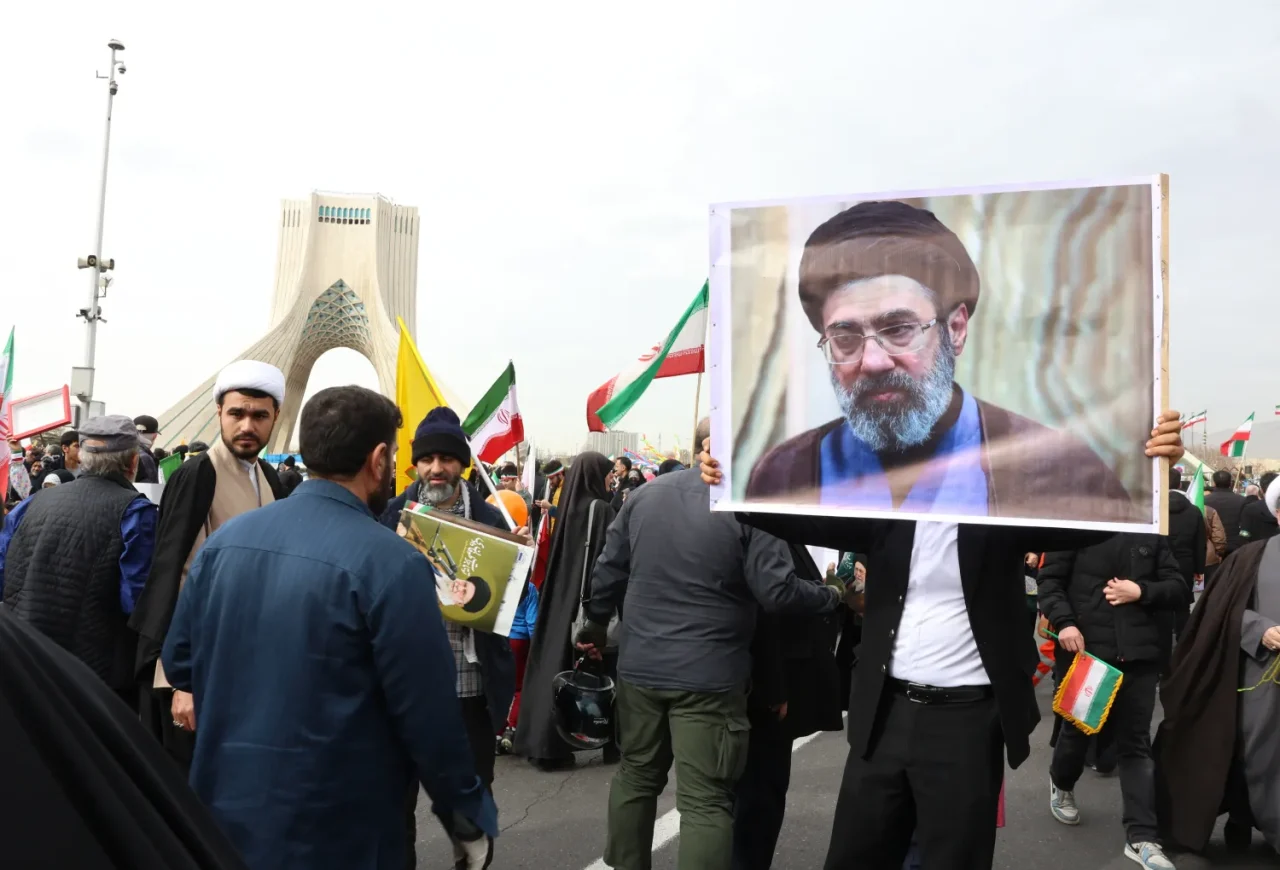
Iran launched missiles toward Israel and several Gulf nations early Monday after the Islamic Republic appointed Mojtaba Khamenei as its new supreme leader, succeeding his late father, Ali Khamenei. The development came despite warnings from the United States and Israel that any successor could also become a target. Nine days after joint US-Israeli strikes killed Ali Khamenei and pushed the Middle East into a wider conflict, Iranian clerics selected the country’s third supreme leader since the 1979 Islamic Revolution. Israel responded with another round of strikes, this time targeting infrastructure in central Iran. The escalating conflict triggered sharp reactions in global markets, with stock prices falling and oil prices surging by about 30 percent over fears of supply disruptions. Saudi Arabia said it intercepted drones heading toward an eastern oil facility, while the United Arab Emirates and Kuwait reported missile incidents. Bahrain also confirmed that warning sirens had been activated. The appointment of Mojtaba Khamenei was announced on Iranian state television, where a presenter read a statement from the Assembly of Experts beside an image of the 56-year-old cleric. According to the statement, Khamenei was selected as the third leader of the Islamic Republic following a decisive vote by members of the Assembly. The body said it acted quickly to appoint a new leader despite what it described as aggression from the United States and Israel. State media later aired footage of a missile reportedly launched toward Israel bearing the slogan “At Your Command, Sayyid Mojtaba,” using an Islamic honorific. The conflict erupted weeks after Iranian security forces suppressed nationwide protests against the government. The younger Khamenei is widely viewed as a hardliner expected to maintain his father’s strict stance against dissent. Earlier, former US president Donald Trump had dismissed Mojtaba Khamenei as a “lightweight” and reiterated that Washington should have influence over the choice of Iran’s next leader. “If he doesn’t get approval from us, he’s not going to last long,” Trump told ABC News before the appointment was announced. Israel’s defence minister had previously warned that any new Iranian supreme leader could become a military target, while the Israeli military said it would pursue any successor. Oil prices surge As Iran retaliated against Gulf states hosting US forces, global oil markets reacted sharply. The benchmark prices for Brent crude and WTI crude climbed above $100 per barrel for the first time since 2022 Russian invasion of Ukraine. Trump downplayed the price spike, describing it as a “small price to pay” for addressing what he called the threat posed by Iran’s nuclear programme. However, markets in Asia reacted negatively, with stock exchanges in Japan and South Korea falling sharply as both economies rely heavily on imported energy. The United States Department of State also ordered non-essential embassy staff and their families to leave Saudi Arabia following security concerns, days after a drone strike hit the US embassy. Trump later told an Israeli news outlet that any decision to end the conflict would be made jointly with Israeli Prime Minister Benjamin Netanyahu, although Washington would ultimately make the final call. Few analysts expect major policy shifts under Mojtaba Khamenei, who is seen as closely aligned with the powerful Islamic Revolutionary Guard Corps. The Guards quickly pledged loyalty to the new leader, promising obedience and sacrifice in carrying out his directives. Iran’s foreign minister, Abbas Araghchi, said the appointment would safeguard the country’s sovereignty and territorial integrity, as diplomats expressed their allegiance to the new leader. Intensifying clashes The conflict has also escalated in Lebanon, where the Iran-backed militant group Hezbollah said it was confronting Israeli forces who landed in eastern Lebanon by helicopter from Syria. Lebanon became directly involved in the conflict last week after Hezbollah launched attacks on Israel following the death of Ali Khamenei. Hezbollah said its fighters were engaging the helicopters and the troops that crossed the border, adding that the confrontation was ongoing. Lebanon’s National News Agency earlier reported intense fighting near the town of Nabi Sheet, where an Israeli operation over the weekend left 41 people dead. Israeli forces had also struck a hotel in central Beirut on Sunday, targeting commanders from the Revolutionary Guards’ external operations unit, the Quds Force, during a meeting. Lebanon’s health ministry said the strike killed four people and injured 10 others. Since the conflict began, Israeli attacks in Lebanon have reportedly killed at least 394 people, including dozens of women and children. Elsewhere, Bahrain’s health ministry said 32 people were injured after an Iranian drone strike hit the island of Sitra overnight, including a teenage girl with serious head injuries and a two-month-old baby. Saudi authorities also reported that two people were killed and 12 wounded when a projectile struck Al-Kharj. Iran’s health ministry said the conflict has killed at least 1,200 civilians and injured about 10,000 people, although the figures could not be independently verified. In Israel, officials say Iranian missile strikes have killed 10 people. Two Israeli soldiers were also killed during fighting in Lebanon, according to the military.