Blog - Edupreneur Select

Bring to the table win-win survival strategies to ensure proactive domination. At the end of the day, going forward, a new normal that has evolved from generation.
James Obasi10 October 2025
aa.jpg

4min2870
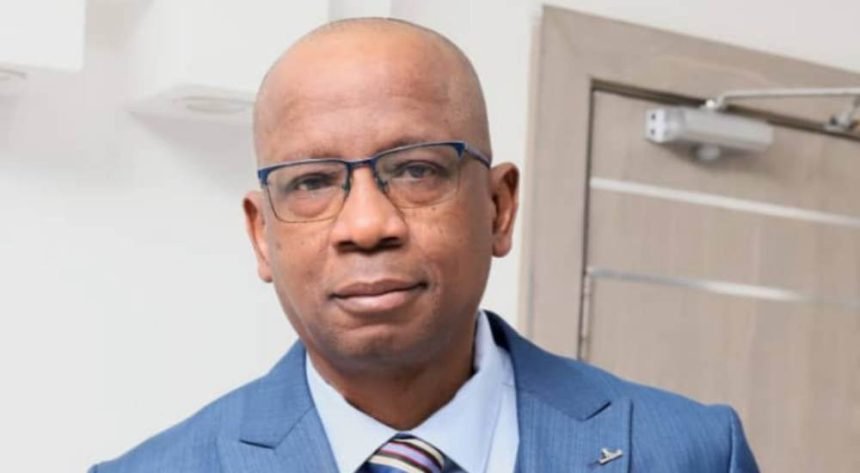
The Nigeria Customs Service (NCS), Seme Area Command, has announced the interception of various contraband items, including illicit drugs and expired flour imported from Egypt, with a total duty-paid value of ₦1.99 billion. The seizures were made between September 1 and October 9, 2025, along the Lagos–Abidjan Corridor. Speaking during his maiden press briefing at the Seme Border Command on Thursday, the Customs Area Controller, Comptroller Wale Adenuga, said that the expired flour, consisting of 10,000 bags valued at ₦1.2 billion, was transported in five trucks. Adenuga warned that the expired products posed serious public health hazards, noting that their circulation in Nigerian markets could have resulted in infections, food poisoning, and long-term health complications. Located in Badagry, Lagos State, the Seme Border remains one of Nigeria’s busiest and most strategic land crossings. It links Nigeria with the Benin Republic and serves as a key route on the 1,028-kilometre Lagos–Abidjan Corridor, which connects five West African nations—Nigeria, Benin, Togo, Ghana, and Côte d’Ivoire—and accounts for about 70 per cent of regional trade. Over the years, the command has stepped up enforcement to deter smuggling and promote legitimate cross-border trade. According to Adenuga, within the review period, the command also seized 1,104 parcels of cannabis sativa and 120 packs of tramadol. Two suspects were arrested and handed over to the National Drug Law Enforcement Agency (NDLEA) for further investigation. Other confiscated items included 2,043 bags of foreign parboiled rice (50kg each), 150 bales of second-hand clothing, 169 bottles of DSP cough syrup with codeine, and five used vehicles. On exports, the Customs boss revealed that the command facilitated non-oil exports totalling 53,989.46 metric tonnes, with a Free on Board (FOB) value of ₦7.9 billion and a Nigerian Export Supervision Scheme (NESS) fee of ₦39.8 million. The exported goods comprised agricultural produce and manufactured products, reflecting growing confidence in Seme as a viable export hub under the ECOWAS Trade Liberalisation Scheme (ETLS). Adenuga further disclosed that the command generated ₦1.5 billion in September 2025, representing a 182 per cent increase compared to ₦531.4 million recorded in August. “The Command has intensified efforts to simplify procedures, enhance inter-agency coordination, and ensure that legitimate traders enjoy the full benefits of customs modernisation. Our focus on trade facilitation has helped reduce transaction costs, streamline processes, and improve revenue,” he said. He reaffirmed the command’s commitment to balancing its core mandates of revenue generation, trade facilitation, and national security through the use of technology and intelligence-driven border management. Adenuga also commended the Nigerian Navy Forward Operating Base, Badagry, for its collaboration in intercepting smuggled rice along the waterways. His predecessor, Dr. Ben Oramalugo (Rtd), had also recorded several major seizures—including rice, used clothing, and cannabis—during his tenure from February to September 2025, as part of ongoing efforts to curb smuggling and promote lawful trade along the Lagos–Abidjan route. Despite these successes, smuggling through land borders remains a significant challenge, particularly involving items such as rice, second-hand clothing, and other prohibited goods.

Donald-Trump-2.webp

2min4400
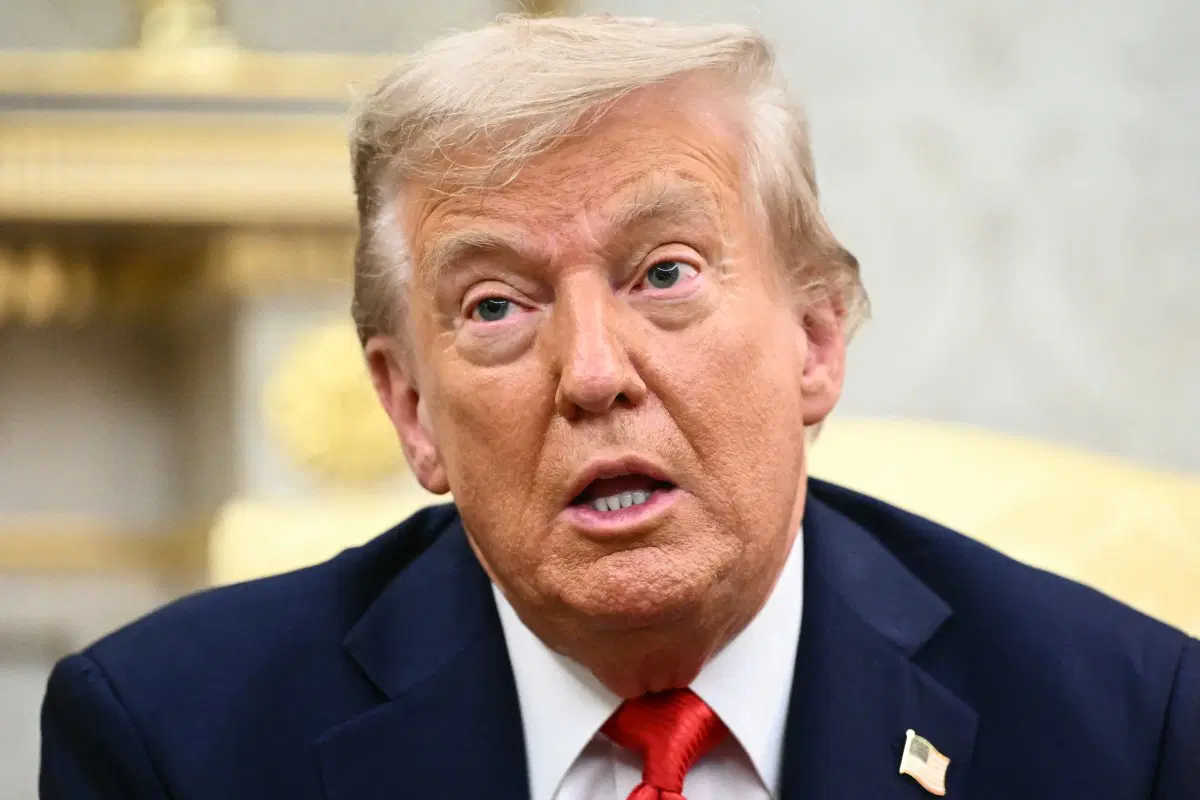
Israel’s President, Isaac Herzog, has commended US President Donald Trump for his role in facilitating a peace agreement between Israel and Hamas, describing him as deserving of the Nobel Peace Prize. In a post shared on X on Thursday, Herzog said Trump’s intervention created “a chance to mend, to heal, and to open a new horizon of hope for our region,” adding that “there is no doubt he deserves the Nobel Peace Prize for this.” Trump had earlier announced that indirect talks held in Egypt resulted in a breakthrough. The initial phase of the peace plan includes the release of all hostages held in Gaza and the withdrawal of Israeli forces to an agreed boundary. Hamas has confirmed its commitment to the deal. During his recent address at the United Nations General Assembly in New York, Trump stated that his administration had already ended several conflicts since taking office earlier this year and argued that he should be considered for the Nobel Peace Prize. The Nobel Committee is expected to reveal this year’s winner on Friday.

ay7.jpg

3min2930
The Academic Staff Union of Universities has criticised the Federal Government’s last-minute plea for it to halt its planned warning strike, describing the move as “too late to make a difference.” ASUU President, Prof. Chris Piwuna, made the remark on Thursday during an interview on Channels Television’s The Morning Brief, accusing the government of neglecting the union’s demands until the eleventh hour. “The challenge we have with this administration and the Ministry of Education is their slow response to our issues,” Piwuna said. He explained that after a previous meeting held in Sokoto, the union granted the government three weeks to address its grievances but received no feedback during that period. “We met in Sokoto when we were about to embark on strike action. They requested three weeks, and we agreed. But we didn’t hear from them until the time elapsed — not even a courtesy message to say, ‘Gentlemen, we are running out of time.’ Nothing happened until we threatened to act,” he said. Piwuna added that the government’s appeal came only two working days before the planned strike. “Yesterday, they asked us not to go ahead with the strike. Yet, our 2009 agreement is still under renegotiation after eight years. Two days to a strike, they come to appeal to us — I think it’s a bit late,” he stated. He emphasised that ASUU would proceed with its two-week warning strike once its ultimatum expires on Sunday, unless the government makes tangible progress on the pending issues. “Our ultimatum ends on Sunday. If nothing substantial happens before then, we’ll commence a warning strike. We expect something concrete from the government within the next 48 hours,” Piwuna said. He noted that the union’s decision would ultimately depend on feedback from its members after reviewing any new government proposals. The Minister of Education, Dr. Tunji Alausa, had earlier stated in Abuja that the government was in the final phase of negotiations with ASUU and other university unions to address disputes over funding, welfare, and the long-standing 2009 ASUU-FGN agreement.

James Obasi9 October 2025
ay6.jpg

3min4520
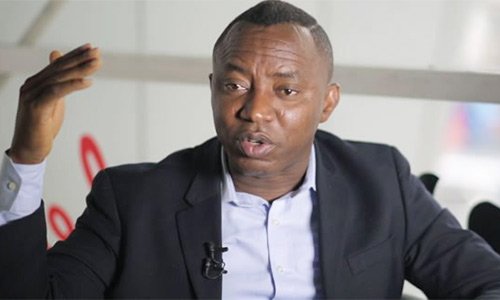
Human rights activist and former African Action Congress presidential candidate, Omoyele Sowore, has announced October 20 as the date for a protest march in Abuja to demand the release of Nnamdi Kanu, leader of the proscribed Indigenous People of Biafra. Sowore disclosed this in a post on his X handle on Thursday, describing the planned demonstration as a “historic” and peaceful march to the Aso Rock Villa to press for Kanu’s freedom. “We now have a date for the historic #FreeNnamdiKanuNow protest march to the Aso Rock Villa in Abuja. It is October 20 at 7 a.m.,” Sowore wrote. On Wednesday, he had called on South-East governors, lawmakers, traditional rulers, and religious leaders to actively participate in the protest, urging them to go beyond verbal support. “No more empty noise. Let @CCSoludo, @SenatorAbaribe, @alexottiofr, @PeterObi, and all others who claim to care step up and join us in person. Every governor, senator, member of the House, traditional ruler, priest, eze, Igbo person, and every Nigerian who believes in Kanu’s freedom should come out and do more than talk,” he stated. Sowore noted that he had personally reached out to several prominent figures, including Anambra State Governor, Prof. Chukwuma Soludo; Abia State Governor, Dr. Alex Otti; Senator Enyinnaya Abaribe; and Labour Party presidential candidate, Peter Obi, to rally support for the protest. Nnamdi Kanu, who has remained in the custody of the Department of State Services since his extradition from Kenya in 2021, has repeatedly denied all charges against him. In October 2022, the Court of Appeal discharged and acquitted him, ruling that his extradition violated international law. However, the Federal Government has yet to comply with the ruling.

ay3.png

3min2490
The Independent Corrupt Practices and Other Related Offences Commission (ICPC) has secured the conviction of Mr. Garuba Duku, a retired Director of Finance and Administration with the Abuja Metropolitan Management Council under the Federal Capital Territory Administration, sentencing him to 24 years imprisonment for a ₦318 million fraud. This was contained in a statement released on Thursday by the Director of Public Enlightenment and Education of the ICPC, Mr. Demola Bakare. According to the commission, the judgment was delivered by Justice James Omotosho of the Federal High Court, Abuja, who found Duku guilty on a six-count charge bordering on corruption and money laundering in suit number FHC/ABJ/CR/608/2022. Investigations by the ICPC revealed that between 2012 and 2013, Duku fraudulently diverted ₦318,250,000 belonging to the AMMC into his personal account with Fidelity Bank Plc. The funds were reportedly received in instalments of ₦56.25 million, ₦71 million, ₦53 million, ₦54 million, ₦46 million, and ₦36.3 million, and later channelled to Bureau de Change operators for unauthorized transactions. Prosecutors told the court that Duku’s actions violated financial regulations and constituted a gross abuse of public trust. During the trial, the defendant claimed the funds were handed over to his superiors, but the court dismissed the argument for lack of evidence. In his ruling, Justice Omotosho stated that the prosecution had proven its case beyond reasonable doubt, adding that the evidence presented was credible and sufficient to establish the offences charged. Consequently, Duku was sentenced to four years imprisonment on each of the six counts or an option of fine equivalent to five times the amount involved in each count — totaling approximately ₦1.6 billion. The sentences are to run concurrently. Reacting to the judgment, Bakare described the conviction as a significant victory in the commission’s fight against corruption, emphasizing that it reaffirms the ICPC’s commitment to holding public officials accountable. “This verdict reinforces the principle that no one entrusted with public funds is above the law,” Bakare stated. “The commission will continue to pursue corruption cases with diligence to protect public resources.” The ICPC noted that it has recorded several similar convictions in recent years, including that of a former Nigeria Security and Civil Defence Corps commandant in 2024 and two former officials convicted for bribery in 2019.

Atiku-Sowore.jpg

3min5070
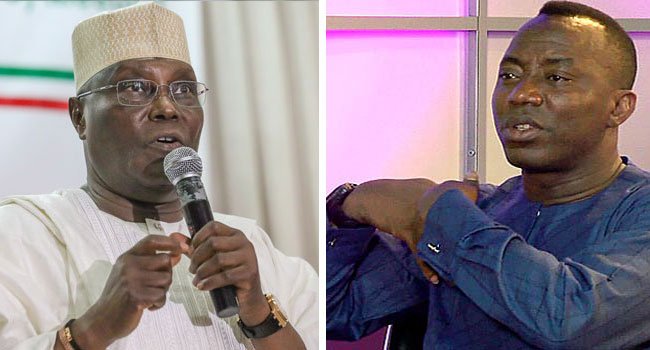
Former Vice President Atiku Abubakar has demanded the immediate release of Nnamdi Kanu, leader of the Indigenous People of Biafra, describing his continued detention as a violation of the rule of law and a blight on Nigeria’s justice system. In a statement shared on his X handle on Thursday, Atiku expressed full support for the campaign initiated by human rights activist and 2023 African Action Congress presidential candidate, Omoyele Sowore, advocating Kanu’s freedom. “The continued detention of Mazi Nnamdi Kanu remains an open sore on our nation’s conscience and a stain on our belief in the rule of law. Defying court orders that granted him bail is an abuse of power and an assault on justice,” Atiku wrote. He added, “I lend my voice in full support of the campaign led by @YeleSowore for his immediate release or due prosecution. We fail as patriots if we allow Kanu’s case to fester as another unhealed wound in our nation.” Sowore had earlier urged South-East governors, lawmakers, traditional and religious leaders to join a planned demonstration calling for Kanu’s release. He noted that he had reached out to several prominent figures, including Anambra State Governor, Prof. Chukwuma Soludo; Abia State Governor, Dr. Alex Otti; Senator Enyinnaya Abaribe; and Labour Party presidential candidate, Peter Obi, seeking their participation in the movement. According to Sowore, he also contacted Atiku through his aides, while Senator Abaribe promised to revert. He added that members of the Abia State House of Assembly were considering a visit to the Attorney General of the Federation before taking further action. “This is not the time for hesitation. If we truly believe that Mazi Nnamdi Kanu deserves freedom, then every leader of conscience must act now, not later,” Sowore stated. Kanu has remained in the custody of the Department of State Services since his arrest and extradition from Kenya in 2021. Despite multiple court orders, including an October 2022 ruling by the Court of Appeal that discharged and acquitted him, the Federal Government has yet to release him. The IPOB leader still faces charges of terrorism, treasonable felony, and incitement before the Federal High Court in Abuja, all of which he has denied.

Abba-Aliyu.png

5min3210
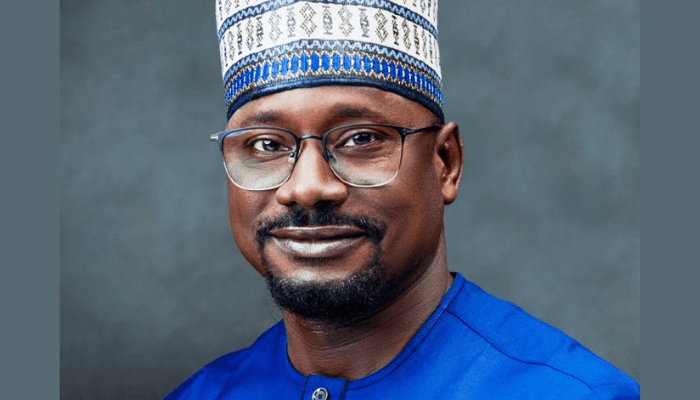
The Managing Director of the Rural Electrification Agency (REA), Abba Aliyu, has announced that the agency is implementing several initiatives to provide electricity access to at least 17.5 million Nigerians. Aliyu disclosed this on Wednesday in Abuja during activities marking the 2025 Customer Service Week, organised by the agency in collaboration with SERVICOM. He said the REA had already deployed numerous mini-grids across the country and was executing multiple programmes to expand electricity access in rural and underserved communities. “We are working on a programme to provide electricity access to 17.5 million Nigerians. It’s an ambitious goal,” he said. “Under the Rural Electrification Fund, we have deployed more than 50 mini-grids, while the Interconnected Mini-Grid Acceleration Scheme has delivered 11 mini-grids so far. These are in addition to several transformers, power lines, and solar home systems.” Aliyu added that over 10 million Nigerians have already benefited from the agency’s interventions in the last five years under the Nigeria Electrification Programme, noting that the impact will continue to grow as new projects are rolled out. He described Customer Service Week as an opportunity for reflection and performance evaluation, saying the agency’s mandate is to deliver reliable electricity to over 80 million Nigerians who currently lack access. “This week allows us to ask ourselves critical questions: Are we providing quality service? Are we efficient and affordable? We take pride in the progress we’ve made, which aligns with President Bola Tinubu’s vision of expanding electricity access nationwide,” he said. Aliyu cited a recent success in Balanga, Gombe State, where a rural community without power for more than three decades is now being electrified through a 620-kilowatt project implemented in partnership with the United Nations Industrial Development Organisation. REA’s Executive Director of Technical Services, Umar Umar, highlighted the agency’s growing achievements, noting that in the past year alone, it deployed more mini-grids than ever before. “For the first time, we are delivering 40 megawatts of mini-grid power within a single budget year. We are also installing solar home systems, streetlights, and electric vehicle charging stations — all of which are improving the lives of millions of Nigerians,” he said. The Executive Director of the Rural Electrification Fund, Doris Ubo, said the agency executed about 50 mini-grid projects between 2016 and 2022, expanding to more than 124 mini-grids nationwide. “We have developed both interconnected and isolated mini-grids and solar home systems to reach last-mile communities. Recently, we launched a project covering 3,700 communities, expected to deliver 370 megawatts of clean energy and impact over 40 million people,” Ubo said. REA’s Executive Director of Corporate Services, Ayo Adegboyega, reaffirmed that the agency’s mission is to close the energy access gap by reaching unserved and underserved populations. “Our goal is to ensure that no community is left in darkness. We continue to extend the grid and deploy renewable energy solutions nationwide,” he said. Adegboyega also spoke on the agency’s Energising Education Programme, which provides dedicated power supply to universities and polytechnics. “We have delivered power projects at the University of Benin, University of Lagos, University of Ibadan, and the University of Calabar, and we’re extending the initiative to Obafemi Awolowo University and several polytechnics,” he said. The Acting Director of Monitoring and Evaluation, and REA SERVICOM Focal Officer, Eworo Echeng, commended the agency’s staff for their dedication to improving the quality of life in rural areas. “In celebrating Customer Service Week, we acknowledge the individuals and teams delivering exceptional results. Beyond electricity, our work is about transforming lives and empowering communities through sustainable energy,” he said.

Tech & Tools Desk9 October 2025
sign.jpg

6min2870
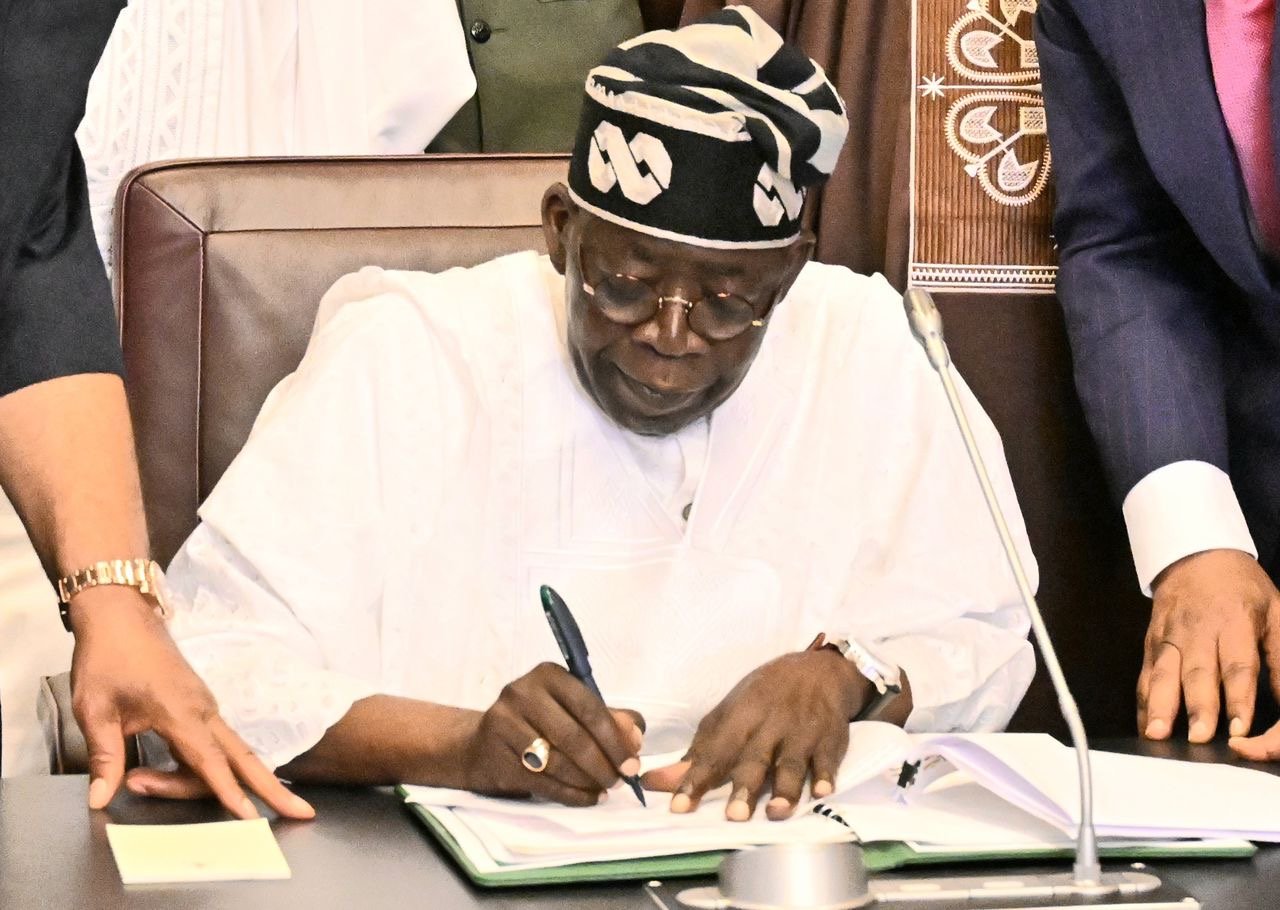
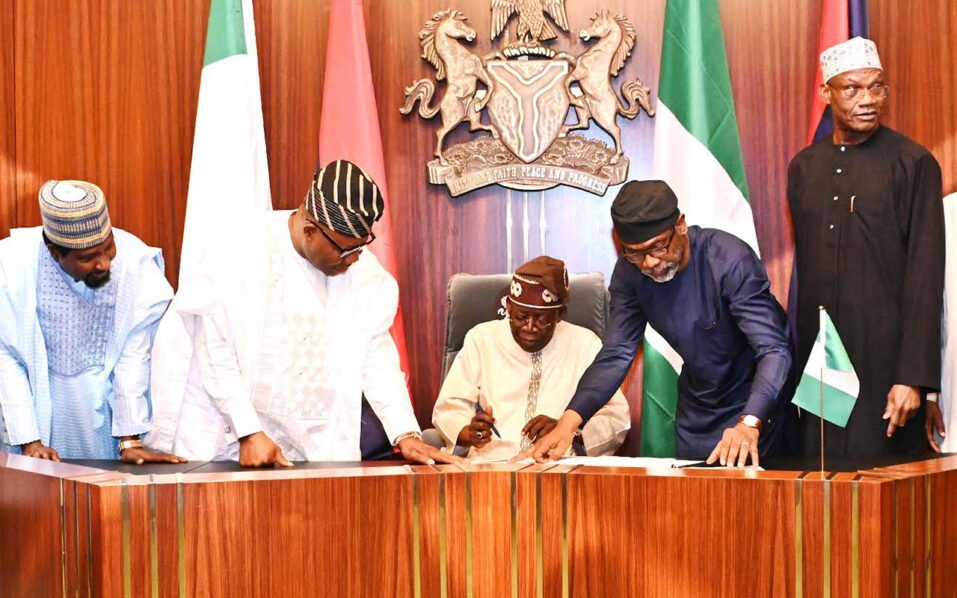
President Bola Tinubu has disclosed that the Federal Government is in advanced discussions with Ogoni leaders to resolve long-standing disputes that have stalled oil production in the region for decades. Speaking on Wednesday at the official commissioning of the Otakikpo Crude Oil Export Terminal in Ikuru Town, Andoni Local Government Area of Rivers State, the President said Nigeria’s oil and gas sector remains vital to the country’s future, despite global moves toward cleaner energy. Represented by the Minister of State for Petroleum Resources (Oil), Senator Heineken Lokpobiri, Tinubu said projections from the International Energy Agency (IEA) show that the world must invest about $540 billion annually in upstream oil and gas development over the next 25 years to prevent an energy crisis. He noted that this projection reaffirms the relevance of Nigeria’s petroleum reserves and underscores the need for continuous engagement with host communities, particularly in Ogoniland, to resume production in dormant oilfields. “Oil and gas will remain critical to global energy demand for decades,” Tinubu said. “For years, we were told to abandon our resources in the name of energy transition. But the global narrative has changed. The IEA now acknowledges the importance of sustained investment in hydrocarbons.” The President explained that renewed international interest in oil and gas makes it imperative for Nigeria to resolve all lingering issues in the Niger Delta, adding that talks with Ogoni leaders are ongoing to ensure lasting peace and the resumption of operations. “Once the issues in Ogoniland are resolved, the Otakikpo terminal will serve as the main evacuation point for crude produced from the area. This project is both timely and strategic for our production growth,” he said. Developed by Green Energy International Limited at a cost of over $400 million, the Otakikpo terminal is the first onshore crude export terminal built entirely by an indigenous company in more than 50 years. Tinubu described the facility as a landmark achievement that demonstrates the capacity of Nigerian firms to deliver world-class infrastructure. “This commissioning marks a new chapter for our oil and gas industry,” he said. “The project will ease crude evacuation challenges, support indigenous producers, and align with our government’s objective to ramp up production.” Lokpobiri added that the facility’s impact extends beyond Green Energy, as it will serve multiple operators in nearby fields, reduce bottlenecks, and strengthen Nigeria’s energy infrastructure. The President also restated his administration’s commitment to ensuring peace and collaboration in oil-producing communities, urging residents of the Niger Delta to work closely with investors. “If these resources remain untapped, no one benefits — not Ogoni, not Nigeria. We must work together to unlock our nation’s vast energy potential,” he said. Lokpobiri further announced that Nigeria has fulfilled all requirements to host the African Energy Bank, which will provide much-needed financing for energy projects across the continent. “The African Energy Bank will help mobilise local and continental capital, including pension funds, to finance key energy projects,” he explained. Chief Executive Officer of the Nigerian Upstream Petroleum Regulatory Commission (NUPRC), Gbenga Komolafe, described the Otakikpo terminal as a milestone that redefines Nigeria’s upstream landscape. He said the terminal, which currently handles 750,000 barrels of crude per day and is expandable to three million barrels, provides a critical alternative export hub and reduces reliance on ageing facilities prone to vandalism and disruption. Komolafe noted that the facility would improve efficiency for indigenous operators, lower transportation costs, and stimulate economic activity in host communities through jobs and local content participation. Chairman of Green Energy International, Professor Anthony Adegbulugbe, hailed the project as proof of Nigerian ingenuity and capacity. “For over five decades, Nigeria relied on five major onshore export terminals built by foreign oil companies. This terminal changes that story. It is fully conceived, designed, and executed by Nigerians,” he said. Adegbulugbe added that the project could unlock more than 40 stranded oilfields in the Niger Delta, estimated to hold over three billion barrels of reserves, and contribute up to 200,000 barrels per day to national production. He said, “This terminal is not just an export facility; it is a gateway to unlocking Nigeria’s full upstream potential.”

James Obasi9 October 2025
A-y1.jpg

4min2710
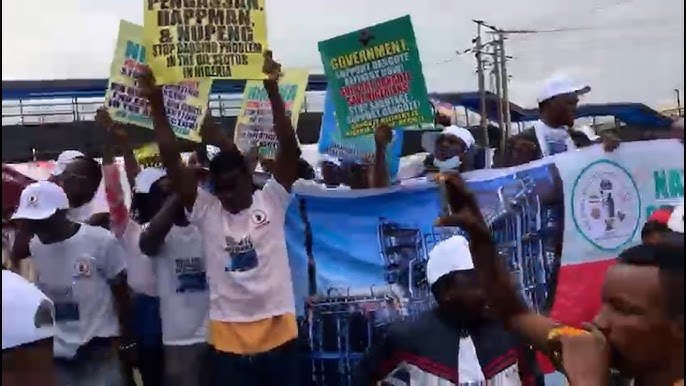
Some engineers recently dismissed by the Dangote Refinery for allegedly joining the Petroleum and Natural Gas Senior Staff Association of Nigeria (PENGASSAN) have criticised the company’s decision to redeploy them to other subsidiaries under the Dangote Group, including its sugar and cement plants. The affected workers, who requested anonymity due to the sensitivity of the issue, accused the company of victimising them for exercising their right to unionise. However, the Dangote Group denied the allegations, insisting that several PENGASSAN members remain employed at the refinery. Last week, PENGASSAN shut down oil and gas facilities nationwide for three days to protest the alleged dismissal of about 800 refinery employees who had volunteered to join the union. The refinery maintained that only a few workers were dismissed for acts of sabotage, describing the action as part of an internal reorganisation. The industrial action caused disruptions in oil and gas production and reduced power generation across the country before government intervention brought temporary calm. Following a directive from the Federal Government, the Dangote Group agreed to redeploy the affected staff. But as of Tuesday, the engineers said they had yet to receive redeployment letters and remained at home since September 25, when the company announced the dismissals. According to them, their employment letters were issued by Dangote Petroleum Refinery and Petrochemicals, not the Dangote Group, making transfers to other subsidiaries unfair. They also expressed concern over being moved from petrochemical operations to unrelated sectors. “It feels like victimisation,” one of the engineers said. “We were employed by the refinery, not the group. Redeploying petrochemical engineers to sugar or cement plants is unreasonable and psychologically distressing.” The engineers further claimed that only Indian expatriates currently operate the refinery, alleging that all Nigerian engineers were asked to stay away after joining PENGASSAN. In response, the Dangote Group dismissed the claims, reiterating that over 3,000 Nigerians are still employed at the refinery. A senior company official said the dismissed engineers were let go for acts of sabotage, not for union membership. “Those affected were involved in sabotage. Their salaries have been fully paid, and PENGASSAN members are still working here. In our organisation, redeployment across business units is normal practice,” the official explained. He also refuted claims that the engineers earned less than ₦400,000 monthly, saying their actual pay was significantly higher. The refinery has recently faced criticism from multiple industry unions, including NUPENG and the Depot and Petroleum Products Marketers Association of Nigeria, over pricing and labour-related issues. Following government mediation, the crisis has eased, though many stakeholders are awaiting the implementation of the resolutions reached during the conciliatory meeting. Prominent Nigerians, including the Emir of Kano, Muhammadu Sanusi II; Bishop Matthew Kukah; and activist Aisha Yesufu, have urged caution from labour leaders, warning that hostile actions could discourage investment in the country.

a-13.jpg

2min4870
Lagos, Rivers, and the Federal Capital Territory (FCT) emerged as the top-performing states in internally generated revenue (IGR) for 2024, as total IGR across the 36 states and the FCT rose by 49.7 percent to N3.63 trillion — up from N2.43 trillion in 2023. According to the latest report from the National Bureau of Statistics (NBS), Lagos recorded the highest IGR with N1.26 trillion, followed by Rivers with N317.30 billion, and the FCT with N282.36 billion. At the lower end of the ranking, Yobe, Ebonyi, and Kebbi states posted the least revenues, generating N11.08 billion, N13.18 billion, and N16.97 billion, respectively. The NBS report classified revenues into two major categories — tax revenue and income from Ministries, Departments, and Agencies (MDAs). Tax components included Pay-As-You-Earn (PAYE), direct assessment, road taxes, stamp duties, capital gains tax, withholding tax, other taxes, and local government revenues. PAYE accounted for the largest share of tax revenue during the period, contributing N1.86 trillion, or 69.84 percent of total taxes collected. In contrast, capital gains tax contributed the least, at N10.57 billion. Overall, tax revenue represented about 73.35 percent of the nation’s total IGR in 2024.