Blog - Edupreneur Select

Bring to the table win-win survival strategies to ensure proactive domination. At the end of the day, going forward, a new normal that has evolved from generation.
RUSSIA-WAR.jpg

3min7050
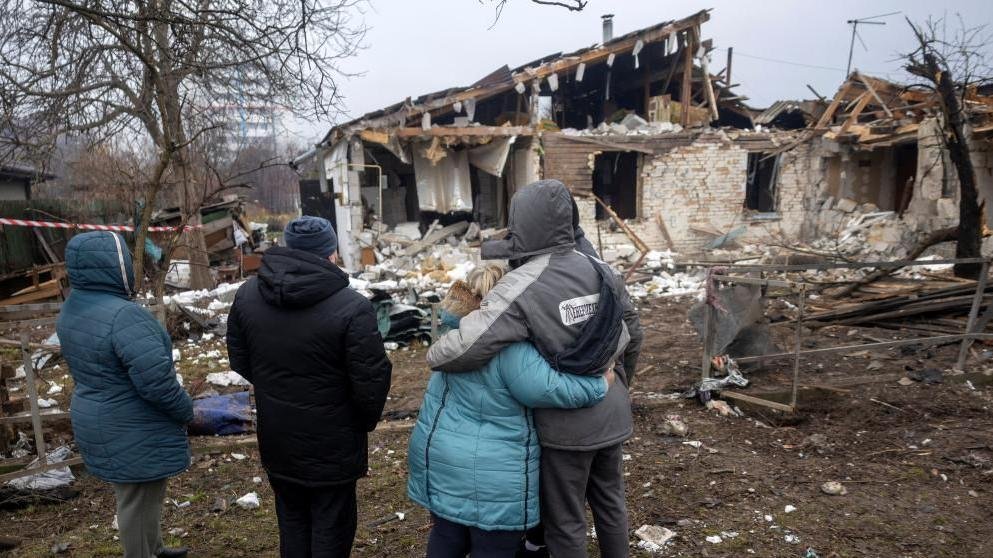
UK Prime Minister Sir Keir Starmer has described Russia’s attacks on Ukraine’s energy infrastructure on Monday night—when temperatures fell to -20°C (-4°F)—as “barbaric” and “particularly depraved.” He made the remarks after speaking with US President Donald Trump, following strikes on power plants and critical facilities in Kyiv and other regions. The attacks came after a week-long pause requested by Trump, during which a severe cold gripped Ukraine. Trump noted that Putin “kept his word” during the pause and expressed hope for an end to the conflict. US envoys are meeting Ukrainian and Russian negotiators in Abu Dhabi to discuss the details of a proposed peace plan. Following the renewed strikes, more than 1,000 residential buildings in Kyiv were left without heating, and a power plant in Kharkiv was reportedly damaged beyond repair. Residents have been forced to shelter in metro stations, some pitching tents on platforms to stay warm. Authorities are setting up warming centers and importing generators to manage extended blackouts while repair efforts continue. Ukraine’s Energy Minister, Denys Shmyhal, said the country’s energy system remains in a “difficult” state, with Kyiv’s Darnytsia Combined Heat and Power (CHP) plant “severely damaged.” Ukraine has repeatedly called on allies for additional missile supplies to defend against attacks. The Ukrainian Air Force reported being targeted by over 100 drones early Wednesday, with strikes affecting 14 locations. Some debris from the attacks caused casualties, including a 68-year-old woman and a 38-year-old man in Dnipropetrovsk, and multiple deaths and injuries in Zaporizhzhia. In Luhansk, a drone attack on a minibus killed a man and a woman, while residential buildings in Odesa were damaged with at least one injury. In Russia, the western Bryansk region governor reported damage to a residential building from a Ukrainian attack, and in Belgorod, authorities are working to restore power and water after earlier strikes. Meanwhile, US envoys, including Steve Witkoff and Jared Kushner, are meeting Russian and Ukrainian teams in Abu Dhabi to negotiate a peace deal. Key discussions focus on Russian demands for Ukraine to cede remaining territory in the eastern Donbas region, where Russia has made slow progress. The conflict stems from Russia’s full-scale invasion of Ukraine in February 2022, which has continued despite international efforts to broker a ceasefire.

Pope-Leo-XIV-eeee.jpg

4min4620
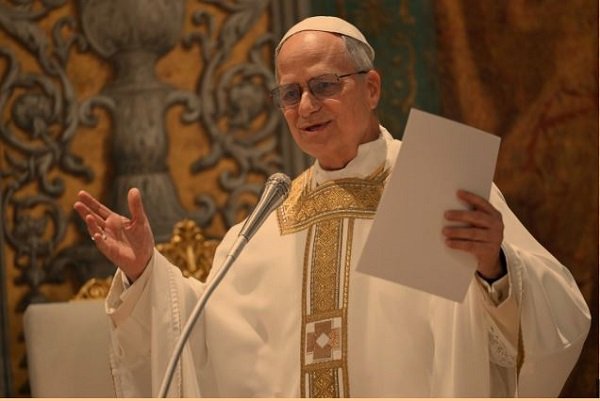
The Vatican has granted a special apostolic blessing to Enugu-based philanthropist, Mr. SteveMary Kanife, in recognition of his generosity in constructing a Catholic church for the Ezeagu community in Enugu State. The blessing from His Holiness Pope Leo XIV was presented to Kanife and his family by the Catholic Bishop of Enugu Diocese, Most Rev. Callistus Onaga, during the dedication of St. Joseph’s Catholic Church, Ugwetiti, Amansiodo-Oghe, on Sunday. The dedication Mass also included the Sacrament of Confirmation for 74 parishioners. In his homily, Bishop Onaga described the dedication of a church as “a profound way to begin the New Year,” emphasizing that a church is a sacred place meant for prayer and worship alone. “Once a church is dedicated, it ceases to be an ordinary building and becomes the house of God. It must not be treated as a hall for merriment or social activities,” he said. He praised Kanife for completing the project within two years, noting that not everyone is privileged to build a house for God. The bishop also encouraged the Ugwetiti community to maintain the church’s sanctity and urged the newly confirmed parishioners to remain steadfast in their faith. Highlights of the ceremony included Kanife distributing empowerment items to beneficiaries and presenting a new Lexus 330 Jeep to the parish priest, Rev. Fr. John Ugwa. Kanife explained that the vision to build the church came to him in October 2021 during the dedication of his triplets and a thanksgiving ceremony in his village. “I consulted my lawyer and godfather, P.U.P. Onuorah, who advised that we should pray and ask God to provide the resources. If He does, then we proceed,” he said. He added, “We initially planned to stop at a certain stage and let parishioners complete it, but I felt a strong conviction to finish the church for my people.” Kanife encouraged wealthy Nigerians to dedicate their resources to serving God and humanity, noting that his commitment to charity inspired the project.

Bola-Tinubu66.png

5min3720
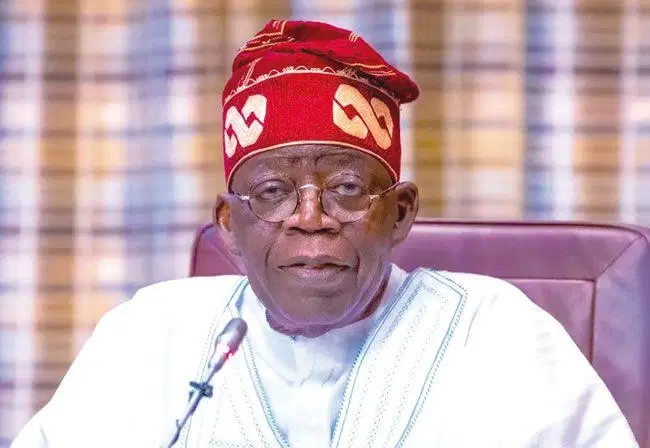
President Bola Tinubu on Tuesday affirmed that his administration will not reverse its economic reforms, pledging continued transparency and accountability in governance. He made the remarks while receiving a World Bank delegation led by Managing Director of Operations, Anna Bjerde, at the State House in Abuja. Tinubu acknowledged that the reforms were initially difficult but stressed they were necessary to strengthen Nigeria’s economy and expand opportunities for the country’s youth. “Since we embarked on this journey of reform, we have kept our hands on the plow, and we are never going to look back. It was painful and difficult at the start, but those who persevere through challenges ultimately succeed,” Tinubu said. He highlighted the importance of transforming Nigeria’s economy through agricultural mechanisation and support for farmers, calling on the World Bank to assist with establishing mechanisation centres, expanding seedling programmes, and improving access to locally produced fertilisers as the petrochemical industry grows. The President noted that difficult decisions, such as ending the fuel subsidy and unifying the exchange rate, were essential despite causing initial inflationary pressures. “We abandoned subsidies and multiple exchange rates to create a stable currency. The initial inflation spike has now eased, and the naira is stable today,” he said. Tinubu urged the World Bank to explore financing solutions that accelerate growth, reduce intermediaries, manage risk, and develop Nigerians’ skills. “How can we accelerate growth together, build skills, and reduce friction in the system?” he asked. In response, Bjerde praised Tinubu’s steadfast implementation of reforms over the past two years, describing the outcomes as “remarkable and commendable.” She said Nigeria has become a frequent example in her discussions with international leaders, investors, and policymakers. “Many countries slow down or reverse reforms in difficult times, but Nigeria has remained steady, giving confidence and clarity,” Bjerde said. She highlighted that under World Bank President Ajay Banga, the institution aligns its strategies with member countries’ national visions, using Nigeria’s $1tn GDP target and seven per cent growth goal as a framework for support. She emphasised job creation as central, noting Africa’s growing population will require 600 million additional jobs by 2050. Bjerde also highlighted infrastructure development as a priority, citing Nigeria’s relatively low infrastructure spending per GDP and the need for both public and private solutions. She praised agricultural innovations and pledged support to scale them through mechanisation, cooperatives, and value chain integration. Addressing the financing gap for small and medium-sized enterprises, she noted these businesses are vital for job creation but often struggle to access funding. She also commended Nigeria’s early childhood development and stunting-reduction strategies as potential entry points for World Bank support. Bjerde disclosed that the World Bank’s public sector portfolio in Nigeria totals about $17bn, while the International Finance Corporation has expanded private sector operations to roughly $5bn annually. The Multilateral Investment Guarantee Agency provides over half a billion dollars in risk guarantees and insurance, with plans to expand. She revealed that a new Development Policy Operation is being prepared to support Nigeria’s budget in line with the government’s reform agenda. “Your reform-oriented approach makes this the perfect instrument, linking our support directly to your policy goals,” she said. Bjerde concluded by noting Nigeria’s strong position internationally as a model for reform and private sector development, highlighting the importance of digital initiatives for youth employment. “Nigeria is consistently top of mind when international observers and investors look at Africa,” she said.

EX-PRINCE.jpg

2min4230
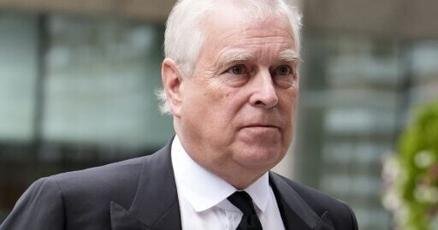
Britain’s former Prince Andrew has moved from his Windsor residence to a royal estate in eastern England, amid renewed scrutiny over his links to the late sex offender Jeffrey Epstein, according to the BBC. Now known as Andrew Mountbatten-Windsor, the 65-year-old ex-royal has faced growing pressure to address his appearances in newly released documents by the US Justice Department related to Epstein. Andrew left Royal Lodge on Monday. Buckingham Palace declined to confirm the move. He had lived at the property near Windsor Castle with his ex-wife, Sarah Ferguson, for nearly two decades. He is now staying temporarily at the Sandringham estate in Norfolk, with plans to eventually move into a permanent residence at Marsh Farm, currently undergoing renovations. The pressure on Andrew, younger brother of King Charles III, intensified after a new batch of Epstein files was released, showing photos of the then-prince kneeling over a woman and emails inviting Epstein to Buckingham Palace for “private” discussions. Prime Minister Keir Starmer called for Andrew to testify before the US Congress regarding his knowledge of Epstein’s crimes. Another Epstein victim has alleged through her lawyer that the financier sent her to the UK in 2010 to have sex with Andrew at Royal Lodge. Andrew has consistently denied any wrongdoing. In 2022, he settled a multimillion-pound lawsuit with another Epstein accuser, Virginia Giuffre, without admitting guilt. Giuffre died by suicide last year. Andrew stepped back from royal duties in 2019 due to his alleged ties to Epstein, who died by suicide in prison that same year while awaiting trial for sex crimes against minors.

Tech & Tools Desk4 February 2026
donald-trump-gettyimages-687193180-1280x640.jpg

2min10430
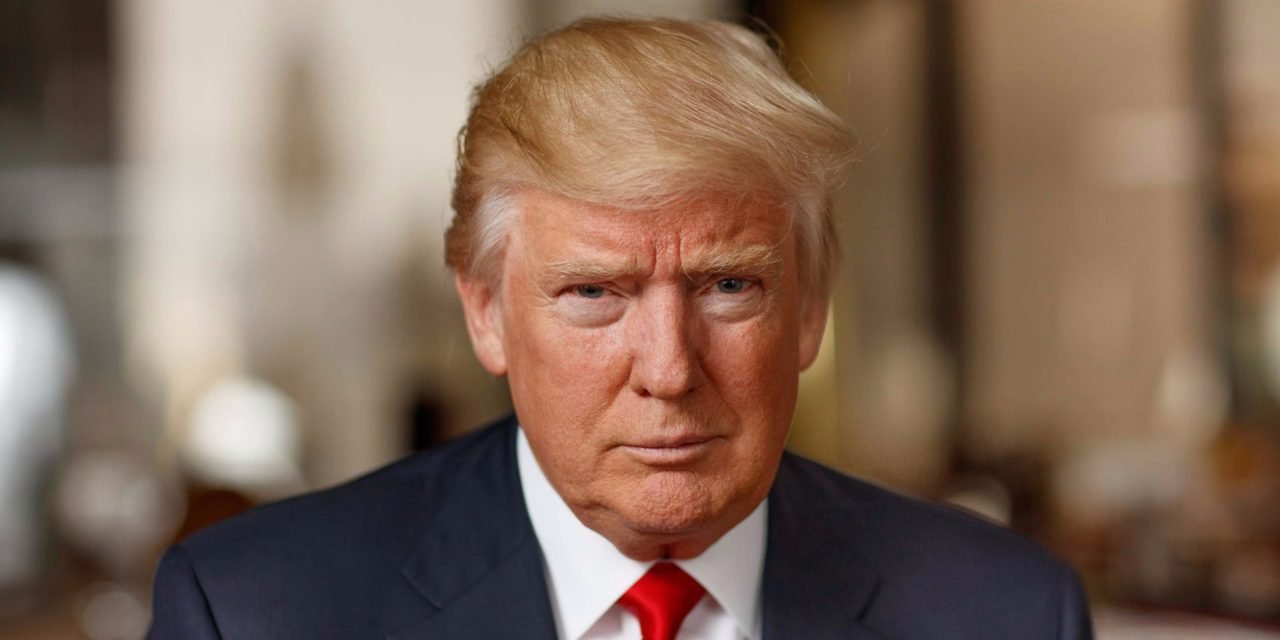
The United States has deployed a small team of troops to Nigeria, marking the first official US military presence on the ground since airstrikes targeted terrorist positions on Christmas Day 2025. The deployment follows airstrikes ordered in December 2025 by former President Donald Trump against what he described as “Islamic State targets” in the country, with further US military action in Nigeria indicated at the time. Prior to the strikes, the US had been conducting surveillance flights over Nigeria from neighbouring Ghana since at least late November 2025, providing intelligence support ahead of the December operations. The current deployment comes after an agreement between the Nigerian government and Washington to enhance cooperation against growing terrorist threats in West Africa. Head of the U.S. Africa Command, General Dagvin R.M. Anderson, said on Tuesday, “This has led to increased collaboration between our nations, including a small US team that brings some unique capabilities from the United States.” He did not provide details on the team’s size or specific roles but confirmed it would support Nigeria’s counterterrorism efforts. Defence Minister Christopher Musa also acknowledged the team’s presence without elaborating further. Security sources suggest the American personnel are likely engaged in intelligence gathering and assisting Nigerian forces in operations against groups such as Boko Haram and the Islamic State West Africa Province. Nigeria has faced pressure from Washington over its handling of terrorist attacks, particularly following Trump’s accusations that the government failed to protect Christians in the northwest — claims the Nigerian government has rejected. The federal authorities emphasise that their military operations target all armed groups attacking civilians, irrespective of religion.

UBA-8-1.png

3min4150
United Bank for Africa (UBA) has announced the appointment of Loknath Mishra as Chief Executive Officer of its United Kingdom subsidiary, effective 2 February 2026. The appointment underscores UBA Group’s commitment to expanding its international presence and reinforcing its role as a key financial bridge between Africa and global markets. UBA UK plays a pivotal role within the group’s international network, supporting African corporates, financial institutions, sovereigns, and global partners through correspondent banking, trade finance, transaction banking, and treasury services. As CEO, Mishra will focus on positioning UBA UK as a centre of excellence for regulatory compliance and customer service, strengthening financial resilience through diversified income and liquidity sources, and enhancing UBA’s leadership in trade, transaction, and correspondent banking to support business flows to and from Africa. Mishra brings decades of international banking experience across retail, corporate, investment, and transaction banking, with a distinguished track record of building and leading regulated banking platforms in the UK and Europe. Commenting on the appointment, UBA Group Managing Director/CEO Oliver Alawuba said, “Loknath brings exceptional global banking experience, regulatory credibility, and deep expertise in wholesale and transaction banking. His leadership will be instrumental in advancing UBA UK as a flagship subsidiary and strengthening our capacity to support trade and investment flows between Africa and international markets.” Alawuba added that the appointment reflects UBA’s continued investment in building a world-class international banking franchise to drive Africa’s economic integration into the global economy. Mishra, on his part, expressed delight at the appointment, saying, “I am honoured to join UBA at a time of significant opportunity for the group. UBA’s unique role in connecting Africa to global markets is compelling and strategically important. I look forward to strengthening UBA UK’s platform and supporting clients in unlocking growth across Africa and beyond.” Before joining UBA UK, Mishra was Managing Director and CEO of ICICI Bank UK, where he enhanced the bank’s presence in the UK and European markets while strengthening governance, regulatory engagement, and operational resilience. He also held senior roles at ICICI Bank Limited, including Group Head of Wholesale Banking and Global Head of Transaction Banking, contributing to the expansion of the bank’s global wholesale franchise and leading customer-focused transformation initiatives. Mishra is recognised for his leadership in complex regulatory environments, driving digital innovation in trade finance, cash management, and retail banking, and was honoured with the Freedom of the City of London for his contributions to financial services.

Tinubu-1.webp

7min4010
President Bola Tinubu on Tuesday said Nigeria is prepared to work closely with African countries, global partners, and the private sector to provide cleaner, affordable, inclusive, and more secure energy solutions. He described energy as the unseen force that holds the modern world together, shapes balance among nations, stabilises economies, and sustains societies. The President made the remarks while declaring open the 9th Nigeria International Energy Summit at the State House Banquet Hall in Abuja. The event drew heads of delegations and senior government officials from different parts of the world, alongside leaders of international energy bodies, executives of global and indigenous energy companies, development finance institutions, and representatives of host communities. Represented at the summit by Vice President Kashim Shettima, Tinubu said that while energy remains central to peace, prosperity, and global stability, Nigeria is placing strong emphasis on harnessing its vast natural gas reserves as a transition fuel and expanding its renewable energy capacity. He said energy must serve as a unifying force that stabilises economies, secures the future, powers industries, lights homes, drives innovation, and builds trust between government, investors, and citizens. According to him, Nigeria is ready to collaborate with Africa, international partners, and the private sector to deliver energy that is secure, affordable, cleaner, and inclusive. Tinubu recalled that when his administration took office in 2023, the energy sector, though rich in potential, was burdened by inefficiencies, uncertainty, and years of underinvestment. He noted that his government moved swiftly, guided by the understanding that energy should not be viewed merely as an economic commodity but as a catalyst for national security, industrial growth, social inclusion, and regional cooperation. He reaffirmed his administration’s commitment to building an energy system anchored on reliability, transparency, sustainability, and shared prosperity. As part of efforts to revitalise the sector, he said the government sustained and deepened the implementation of the Petroleum Industry Act, strengthening regulatory institutions, clarifying roles, and boosting investor confidence. The President said Nigeria’s upstream sector recorded a notable rebound under his administration, with rig counts rising from eight in 2021 to 69 by late 2025, reflecting renewed exploration and drilling activity. He added that the sector secured over $8bn in Final Investment Decisions, including major offshore gas projects involving international energy companies. According to him, foreign direct investment in the oil and gas subsector also recovered strongly, supported by regulatory clarity, fiscal reforms, and improved operating conditions. Tinubu further said crude oil theft, which had long undermined production and revenue, declined significantly due to improved security coordination, surveillance, and regulatory enforcement. These measures, he noted, helped restore operational stability and strengthened Nigeria’s reliability in global energy markets. Earlier, Gambian President Adama Barrow said Nigeria’s energy policies have far-reaching implications beyond its borders, stressing that regional solutions and energy security depend on strategic partnerships. Equatorial Guinea’s President, Teodoro Obiang Nguema Mbasogo, urged African countries to move beyond exporting raw materials and focus on local processing to secure better outcomes for future generations. In a statement read on his behalf, Senate President Godswill Akpabio said energy in Africa goes beyond resource extraction, describing it as a pathway to inclusive and sustainable prosperity. He assured that the National Assembly is prepared to support the sector through enabling legislation, noting that a functional energy system strengthens economic resilience.

crude-oil.jpeg

7min4060
The Minister of State for Petroleum Resources (Oil), Heineken Lokpobiri, has revealed that Nigeria recorded a major investment milestone in 2025 with the approval of 28 new field development plans valued at $18.2bn, carrying an estimated production potential of 1.4 billion barrels of oil. Lokpobiri made the disclosure on Tuesday in Abuja while delivering his ministerial address at the opening of the 9th Nigeria International Energy Summit 2026. He said Nigeria had emerged as Africa’s top destination for oil and gas investments, noting that four of the seven major Final Investment Decisions (FIDs) announced across the continent between 2024 and 2025 were secured by Nigeria. The Nigeria International Energy Summit serves as the Federal Government’s official annual platform for energy policy discussions, investment promotion, and innovation. The 2026 edition is themed “Energy for Peace and Progress: Securing Our Shared Future.” According to the minister, the investment gains were the result of deliberate reforms, improved policy clarity, and stronger governance, which have collectively helped restore investor confidence in the oil and gas sector. He said the renewed capital inflows signal Nigeria’s return to the global energy investment stage after years of stalled projects and declining output, adding that recent fiscal, regulatory, and operational reforms are now delivering tangible results. Lokpobiri said Nigeria’s progress must be viewed within the broader African context, stressing that the continent’s energy fortunes are interconnected. He noted that the country’s ability to attract major investments was driven by sustained policy reforms, improved governance, and an investment climate that allows the free movement of capital. He recalled that when the current administration assumed office, Nigeria’s upstream sector was in decline, characterised by falling production, weak investor confidence, and a lack of major new projects. While acknowledging Nigeria’s vast hydrocarbon resources across deepwater, shallow, and onshore terrains, he emphasised that resource abundance alone was not sufficient. According to him, what now sets Nigeria apart is the legal, regulatory, financial, and structural transformation underway, which has improved clarity, predictability, efficiency, and incentives for investors. He said these changes have repositioned the country as investment-ready, following more than a decade without significant final investment decisions. The minister attributed the turnaround largely to the full implementation of the Petroleum Industry Act, which he said has introduced a stable fiscal regime, clearer licensing processes, stronger regulation, and predictable contract terms. He added that upstream cost pressures were further addressed through the Upstream Petroleum Operations (Cost Efficiency Incentives) Order 2025, which provides tax credits and reduces unit operating costs for producers. Lokpobiri also highlighted the impact of Project One Million Barrels, launched in October 2024, noting that within a year, crude oil production had increased to between 1.7 million and 1.83 million barrels per day—about a 20 per cent rise from previous levels. He said the number of active rigs increased from 14 in 2023 to over 60, reflecting renewed activity and optimisation of idle assets. He further noted the successful completion of long-delayed asset divestments by international oil companies, which transferred onshore and shallow-water assets to Nigerian firms. These divestments, he said, added about 200,000 barrels per day to national output and were concluded in record time under President Bola Tinubu’s administration. However, the minister acknowledged that challenges remain, particularly in the oil and gas services sector. He said structural constraints persist in the engineering, procurement, and construction segment, partly due to a misinterpretation of the Nigerian Oil and Gas Industry Content Development Act. This, he noted, led to the emergence of weak EPC firms while sidelining experienced international contractors and capable indigenous companies. Lokpobiri also drew attention to Africa’s annual $120bn hydrocarbon import bill, describing it as a missed opportunity and calling for stronger support for the African Energy Bank, which is headquartered in Nigeria. He stressed that addressing Africa’s energy challenges requires collective responsibility and decisive action. Meanwhile, the Independent Petroleum Producers Group has called for urgent reforms to sustain growth in Nigeria’s oil and gas sector, including streamlined industry fees, reduced bureaucracy, and improved access to long-term financing. In a keynote address, IPPG Chairman and Aradel Holdings CEO, Adegbite Falade, described the summit as solution-focused and timely, noting that global energy dynamics are being reshaped by conflicts, shifting alliances, and rising energy insecurity. He said Nigeria and the wider African region are not insulated from these pressures. Falade noted that Nigeria’s oil and gas industry has recorded notable progress, with indigenous producers and independents now accounting for more than 50 per cent of national output for the first time. He attributed this to improved pipeline availability, reduced crude losses, and stronger local participation. He stressed the need to create an industry environment where private capital can drive infrastructure development, warning that excessive bureaucracy, high operating costs, and limited access to affordable long-term capital continue to undermine competitiveness. Stakeholders at the summit agreed that Nigeria’s oil and gas sector is on a recovery path, driven by clearer policies, regulatory reforms, and strategic investments. They emphasised that sustained collaboration among government, indigenous operators, and international partners is critical to consolidating gains, expanding domestic energy access, and positioning Nigeria as a regional and global energy hub.


house-of-rep.png

6min7490
Government securities now make up roughly 11 per cent of Nigerian banks’ total assets, highlighting prolonged constraints on credit expansion and a sustained preference for lower-risk sovereign instruments, according to a new banking sector outlook by S&P Global. The ratings agency noted that the growing exposure has increased banks’ sensitivity to sovereign-related shocks. However, it expects this risk to ease gradually as lending to the real economy improves and macroeconomic conditions stabilise. S&P Global added that the close relationship between banks and the sovereign is likely to weaken over time as credit growth gains momentum, fiscal deficits narrow, and overall economic conditions strengthen. According to the firm, banks’ holdings of government securities have risen in recent years due to limited credit extension, accounting for about 11 per cent of total banking assets. While this trend heightens vulnerability to sovereign risks, the agency expects a gradual moderation as lending increasingly targets productive sectors of the economy and fiscal pressures ease. In its Nigerian Banking Outlook for 2026, S&P Global said that despite regulatory challenges, stricter capital requirements, and easing interest rates, Nigerian banks are expected to remain resilient and sustain positive profitability over the medium term. The report projected Nigeria’s real GDP growth to average 3.7 per cent in 2025 and 2026, supported by activity in both the oil and non-oil sectors. Inflation is expected to slow gradually to around 21 per cent in 2026, creating space for further monetary easing following the 50-basis-point interest rate cut implemented in September 2025. Against this backdrop, nominal credit growth is forecast at about 25 per cent, driven mainly by increased lending to the oil and gas, agriculture, and manufacturing sectors. Lending to the oil and gas sector is expected to boost production following measures to curb militancy and crude oil theft, while retail lending is projected to contribute only marginally to overall loan growth due to its relatively small share of banks’ portfolios. Despite the projected growth, the firm said real credit expansion would remain modest, reflecting high inflation and persistent structural constraints. It also highlighted concentration risks in banks’ loan books, noting that about half of loans are denominated in foreign currency, around one-third of total exposures are linked to the oil and gas sector, and roughly half of gross loans are concentrated among the top 20 borrowers. These factors increase vulnerability to sector-specific and single-borrower shocks. Asset quality weakened in 2025 following the removal of regulatory forbearance on oil and gas exposures, with non-performing loans rising to about 7 per cent from 4.9 per cent in 2024 as banks began recognising previously restructured or deferred problem loans. While some banks have written off affected exposures, others are still restructuring them. S&P Global expects non-performing loan ratios to stabilise between 6 per cent and 7 per cent in 2026, assuming oil prices average around $60 per barrel, a level considered adequate to support borrower solvency. Stage-two loans are also projected to remain elevated at between 20 per cent and 22 per cent, reflecting ongoing credit risks in restructured facilities. The firm forecast that bank profitability would ease slightly in 2026 but remain strong by regional standards. Average return on equity is expected to moderate to between 20 per cent and 23 per cent in 2026, down from an estimated 25 per cent in 2025, while return on assets is projected to decline slightly to about 3.0 per cent to 3.1 per cent. Profitability is expected to be supported by still-elevated interest margins, growth in non-interest income, and slightly lower loan loss provisions. Although interest rates are projected to fall, they are expected to remain high relative to peer markets, supporting net interest margins. Non-interest income is also likely to benefit from higher fees and commissions driven by expanding digital payments, retail banking services, and agency banking networks. Meanwhile, data from the Central Bank of Nigeria show that government borrowing from financial market operators rose sharply in 2025 despite elevated interest rates, widening the gap between public- and private-sector access to credit. An analysis of money and credit statistics indicates that credit to the Federal Government exceeded private-sector borrowing by N9.19 trillion in 2025, reflecting heightened fiscal pressures and increased reliance on domestic funding sources. CBN data further show that public-sector credit rose from N25.03 trillion in January 2025 to N34.22 trillion by December, representing a N9.19 trillion increase over the year. This also marked an increase of N5.57 trillion, or nearly 154 per cent, compared with the N3.62 trillion in government credit recorded in 2024.

Tech & Tools Desk4 February 2026
aiiiii-delta.jpg

4min4610
The organisers of The Nigeria Prizes have announced the opening of the 2026 competition cycle, with a focus on artificial intelligence, information and communication technology, poetry, and documentary filmmaking. In a statement released on Sunday, the organisers said the 2026 edition further strengthens The Nigeria Prizes’ standing as Nigeria’s leading platform for celebrating excellence in science, innovation, literature, and the creative arts. The Nigeria Prize for Science and Innovation will once again adopt the theme “Innovations in Information and Communication Technology, Artificial Intelligence, and Digital Technologies for Development”, following a no-award outcome in the 2025 cycle. Speaking on the choice of themes, NLNG’s General Manager, External Relations and Sustainable Development, Sophia Horsfall, said they were informed by rapid global and technological shifts. According to her, the 2026 themes reflect a world increasingly shaped by digital intelligence and creative expression, while reaffirming NLNG’s commitment to ideas and talents capable of delivering meaningful, long-term national impact. Horsfall also noted that the introduction of The Nigeria Prize for Creative Arts underscores NLNG’s belief in creativity as a catalyst for national development. Chairman of the Advisory Board for The Nigeria Prize for Science and Innovation, Professor Barth Nnaji, encouraged scientists and innovators to submit work that offers practical and scalable solutions. He stressed that the prize is rooted in the principle that scientific research must translate into real-world applications, particularly innovations with clear relevance to Nigeria’s development needs. Valued at $100,000, the Science and Innovation Prize is open to scientists and innovators worldwide and seeks digital and AI-driven solutions that can enhance efficiency and decision-making across key sectors of Nigeria’s economy. For the Nigeria Prize for Literature, the 2026 edition will centre on poetry. Nigerian poets at home and in the diaspora are eligible to submit poetry collections published from 2023 onwards. The literature prize is also valued at $100,000. Chairman of the Advisory Board for The Nigeria Prize for Literature and The Nigeria Prize for Creative Arts, Professor Akachi Adimora-Ezeigbo, described the Creative Arts Prize as a major milestone. She said it reflects the belief that excellence cuts across different forms of expression, including written, spoken, and visual storytelling. She added that the poetry focus highlights the genre’s enduring role in social commentary and critical reflection. The Nigeria Prize for Creative Arts will make its debut with a documentary film category themed “Identity”. Valued at $20,000, the prize is open to emerging Nigerian filmmakers aged 18 to 35 and aims to encourage storytelling that explores personal, communal, and cultural identities.