Blog - Edupreneur Select

Bring to the table win-win survival strategies to ensure proactive domination. At the end of the day, going forward, a new normal that has evolved from generation.
cbnn.webp

5min2740
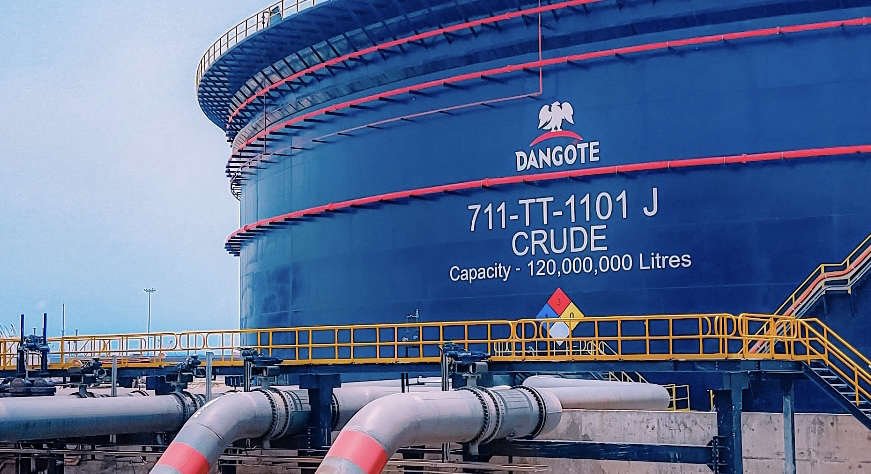
The Central Bank of Nigeria (CBN) has projected that petrol pump prices will hover around N950 per litre in 2026, according to its 2026 Macroeconomic Outlook for Nigeria. In outlining its baseline projections for the domestic economy, the apex bank said its forecast is based on several key assumptions, including an average crude oil price of $60 per barrel in the fourth quarter of 2025 and $55 per barrel in 2026. The outlook also assumes an average exchange rate of N1,451.63 per dollar in Q4 2025 and N1,400 per dollar in 2026, supported by improvements in the foreign exchange market, higher capital inflows, a current account surplus, and broader economic recovery. The CBN further assumed that Nigeria’s domestic crude oil production would average about 1.5 million barrels per day throughout the forecast period. Based on these conditions, the price of premium motor spirit is expected to remain around N950 per litre, a level higher than current pump prices. According to the bank, government spending is projected to align with the 2025–2027 Medium-Term Expenditure Framework and Fiscal Strategy Paper, reflecting an expansionary fiscal stance aimed at supporting the government’s $1 trillion economy target. Monetary policy assumptions include a Monetary Policy Rate of 27 per cent and a Cash Reserve Ratio of 45 per cent, alongside improving business confidence and stronger investor sentiment. Recent developments in the downstream sector have influenced current fuel prices. Petrol previously sold at around N900 per litre or higher before the Dangote Petroleum Refinery reduced its gantry price from N828 to N699 per litre in December. Following the adjustment, partner outlets began retailing petrol at N739 per litre, prompting wider price reductions across the market. Since commencing operations in 2024, the Dangote refinery has consistently lowered petrol prices, a move that industry observers say has come at significant cost to both refiners and fuel importers. Earlier this week, the refinery warned that petrol prices could climb as high as N1,400 per litre if Nigeria were to depend solely on imports. The company said large-scale domestic refining has played a critical role in stabilising fuel prices in the post-subsidy environment, cautioning that unchecked importation could drive prices sharply higher. In its outlook, the CBN noted that increased private-sector investment, particularly in domestic refining, is expected to strengthen economic growth in 2026. The bank said higher crude oil production, supported by improved security around oil assets and expanded refining capacity, alongside stable energy prices, would further boost growth prospects. Despite projecting petrol prices at around N950 per litre, the CBN expressed optimism that increased competition among midstream operators would help moderate prices over time. The bank also forecast that headline inflation would ease to 12.94 per cent in 2026, down from an estimated 21.26 per cent in 2025. The expected decline in inflation, the CBN said, would be driven largely by lower food and petrol prices, as competition intensifies within the petroleum value chain. Globally, the apex bank projected a moderation in commodity prices in 2026, with overall prices expected to decline by 5.52 per cent due to weaker demand and improved supply. Energy prices are forecast to fall by 6.99 per cent, as Brent crude is projected to average about $61 per barrel. In addition, metal prices (excluding precious metals) are expected to decline by 3.29 per cent, while agricultural commodity prices are projected to fall by 3.18 per cent, reflecting easing supply pressures and subdued global demand.

custom-2.jpg

4min3260
The Comptroller-General of the Nigeria Customs Service (NCS), Adewale Adeniyi, has urged officers of the Customs Intelligence Unit to make intelligence the foundation of their professional practice, stressing that effective security and revenue operations depend on timely and credible intelligence. He noted that no modern enforcement or revenue system can function successfully without intelligence that is properly gathered, analysed, and applied. This charge was delivered during the opening ceremony of a training programme at the Nigeria Customs Command and Staff College (NCCSC), Gwagwalada, Abuja, according to a statement issued on Wednesday by the Service’s National Public Relations Officer, Abdullahi Maiwada, a Deputy Comptroller of Customs. Adeniyi described the programme as the first formal engagement of the Service in the new year and a significant platform capable of shaping the professional outlook of participating officers. He encouraged attendees to view the new year as an opportunity to make meaningful contributions to the Customs Service and national development. Drawing from recent global and domestic security developments, the Comptroller-General referenced various military and security operations, including those within Nigeria that resulted in the interception of arms and ammunition. He emphasised that intelligence was the common factor behind the success of such operations. According to him, intelligence must be appreciated as a practical tool rather than a theoretical concept, urging officers to carefully review earlier papers presented during the programme, which he said already contained actionable guidance for field operations. Earlier in his remarks, the Commandant of the NCCSC, Dow Gaura, an Assistant Comptroller-General of Customs, described intelligence as a subtle but decisive driver of institutional effectiveness. He said the ability to collect, interpret, and deploy intelligence has become essential in responding to evolving security and economic challenges. Gaura noted that the NCS has continued to invest in intelligence-driven training as part of its broader capacity-building efforts, describing the programme as a critical stage in the professional growth of participants. He added that intelligence plays a central role in risk management, revenue protection, disrupting smuggling networks, and safeguarding the national economy. Urging officers to approach the training with commitment, Gaura said the Service had provided experienced facilitators, relevant instructional materials, and a structured learning environment to ensure meaningful outcomes. While acknowledging that the training conditions might differ from participants’ usual comfort levels, he explained that the objective was to promote discipline, focus, and professional excellence.

Tech & Tools Desk9 January 2026
Stanbic-IBTC-Insurance.webp

3min2760
Credit rating firm Agusto & Co. has awarded Stanbic IBTC Insurance a Long-Term Rating of A and a Short-Term Rating of A1, both carrying a stable outlook. The ratings were announced as part of Agusto & Co.’s credit assessment for the 2025–2026 financial year and reflect increased confidence in the insurer’s financial strength, governance framework, and long-term sustainability. Reacting to the development, the Chief Executive Officer of Stanbic IBTC Insurance, Akinjide Orimolade, described the ratings as recognition of the company’s steady progress and growing stakeholder trust. He stated that the insurer remains committed to providing dependable protection, quality service, and lasting value to policyholders and partners, adding that the recognition reinforces its resolve to maintain strong financial discipline, service excellence, and ethical standards. According to the company, the improved ratings highlight its robust risk management practices, operational efficiency, and solid capacity to meet policyholder obligations. Agusto & Co. also pointed to Stanbic IBTC Insurance’s healthy liquidity position, prudent business approach, and the strategic support it enjoys as part of Stanbic IBTC Holdings. As part of its growth agenda, the insurer noted that it has continued to expand its retail presence nationwide, increasing access to life insurance products and strengthening its footprint in key markets. The company added that it has consistently demonstrated commitment to prompt and efficient claims settlement. Since commencing operations in 2021, Stanbic IBTC Insurance has settled more than 2,000 claims valued at over N1.8bn. In addition, the insurer disclosed that it has paid over N16bn in annuities to more than 4,900 retirees, reinforcing its dedication to timely and reliable benefit payments. Stanbic IBTC Insurance reaffirmed its commitment to sustaining a strong financial position, advancing customer-focused innovation, and delivering long-term security and peace of mind to Nigerians.  

James Obasi9 January 2026
gg-ff.jpg

8min2930
The fuel supply agreement between the Dangote Petroleum Refinery and 20 major petroleum marketers, which provided for the monthly offtake of about 600 million litres of petrol, has broken down following disagreements over pricing. The collapse of the arrangement is believed to have contributed to the sharp increase in petrol imports recorded in November 2025, when total import volumes rose to about 1.563 billion litres, according to data from the Nigerian Midstream and Downstream Petroleum Regulatory Authority (NMDPRA). The import figure was disclosed in the regulator’s November 2025 Fact Sheet on the State of the Midstream and Downstream Sector, which showed a significant rise in imported petrol volumes during the period the pricing dispute escalated. The agreement, reached in October 2025, was designed as a pilot scheme under which 20 depot owners were to collectively lift roughly 600 million litres of petrol monthly from the Dangote Refinery, with each marketer allocated about 30 million litres. The National Public Relations Officer of the Independent Petroleum Marketers Association of Nigeria (IPMAN), Chinedu Ukadike, had earlier explained that the arrangement followed a strategic meeting between the refinery and key downstream stakeholders aimed at stabilising supply and moderating pump prices. According to him, the meeting brought together representatives of major distributors, including A.Y.M. Shafa, A.A. Rano, NNPCL Retail, Salbas, and others, to streamline product distribution and reduce the role of multiple intermediaries blamed for price distortions. At the meeting, the refinery announced plans to sell petrol exclusively to 20 selected marketers, who would act as primary distributors to other dealers. Each marketer was expected to lift a minimum of two million litres monthly, translating to about 600 million litres in total. Industry sources, however, confirmed that the deal, which lasted less than a month, eventually collapsed after the refinery declined to adjust its gantry price in line with declining international petrol benchmarks. One stakeholder familiar with the agreement said it included a provision for monthly price reviews. Under the initial terms, petrol was sold at N806 per litre for coastal delivery and N828 per litre at the gantry. As part of the arrangement, the refinery temporarily halted direct sales to independent marketers, limiting them to purchases of 250,000 litres or less and requiring them to source supplies through the approved 20 marketers. The source explained that the arrangement initially worked smoothly, with products being loaded through ships and gantries, and more marketers gradually added to the approved list. However, problems emerged in November when international petrol prices fell below the refinery’s selling price. Importers reportedly observed that global benchmark prices suggested petrol should sell closer to N750 per litre, but the refinery was slow to reflect this decline. This price gap, the source said, encouraged a surge in petrol imports during the month. Although the refinery later reduced its gantry price to N699 per litre — the lowest recorded in 2025 — the adjustment came after many depot owners and marketers had already incurred losses from stocks purchased at higher prices. Data from the Major Energies Marketers Association of Nigeria (MEMAN) and petroleumprice.ng showed that the average landing cost of imported premium motor spirit fell to N829.77 per litre by October 30, down from earlier averages above N840 per litre. In contrast, the refinery’s gantry price remained as high as N877 per litre around October 24. Market participants said this disparity made imported fuel more attractive despite the push for local refining. Further industry sources disclosed that the breakdown of the agreement later spilled into a public dispute involving the refinery and the former leadership of the NMDPRA over the issuance of import licences, a situation that contributed to heightened tensions in the sector. Confirming the collapse, petroleumprice.ng Chief Executive Officer, Jeremiah Olatide, said the pricing framework for the agreement was tied to Eurobob, the international benchmark for European gasoline, with monthly reviews expected to track global crude oil movements. He noted that while the refinery implemented a price reduction after international benchmarks declined, the adjustment was not sufficient to match global prices, prompting marketers to turn to imports in November. According to him, the agreement between depot owners and the refinery lasted only about a month before falling apart, forcing the refinery to revert to open-market sales. Ukadike also confirmed that the agreement was no longer in effect, stating that the refinery had liberalised its sales strategy and reopened direct sales to marketers, including those able to lift as little as 250,000 litres. He explained that the move was intended to promote competition, prevent supply bottlenecks, and avoid artificial price increases. He also noted that some marketers had continued importing petrol even after signing the agreement, undermining its exclusivity. Currently, the refinery is selling petrol on an open-market basis to interested buyers. Meanwhile, fresh market data from MEMAN indicate that the spot price of imported petrol at the Apapa jetty has dropped to about N696 per litre, slightly below the refinery’s current gantry price of N699 per litre. MEMAN attributed the decline in spot prices to lower international benchmarks, reduced shipping costs, and relative stability in foreign exchange. The association added that similar downward trends have been recorded for diesel and kerosene, highlighting the continued sensitivity of domestic fuel prices to global market conditions.

HEALTHHH-1.jpeg

3min7810
The Special Adviser to the Lagos State Governor on Health, Dr. Oluwakemi Ogunyemi, has officially launched an eight-day free healthcare outreach sponsored by Chief Razak Okoya, Chairman of Eleganza Group of Companies, in celebration of his 86th birthday. The initiative, which provides medical services to hundreds of residents daily, is being carried out with technical support and coordination from Lagos State Health District III, ensuring that all interventions meet approved clinical standards and align with the state’s people-centred healthcare objectives. At the flag-off ceremony, Ogunyemi highlighted Okoya’s commitment to philanthropy, noting how his support demonstrates the power of aligning private sector initiatives with government programmes to achieve tangible health outcomes. She reaffirmed the state’s dedication to fostering public–private partnerships that improve access to quality healthcare and promote early detection of diseases. Dr. Monsurat Adeleke, Permanent Secretary of Lagos State Health District III, praised the industrialist’s contribution, describing it as a timely intervention that complements government efforts. “This initiative goes beyond celebration; it shows how private sector involvement can strengthen public healthcare and save lives,” she said. The outreach provides comprehensive medical screening and treatment, starting with blood pressure and blood sugar checks, Hepatitis B testing, and urinalysis, followed by consultations with doctors and referrals as needed. Key services also include HIV testing and counselling in collaboration with the Lagos State AIDS Control Agency, dental care, eye examinations with free corrective glasses, breast and cervical cancer screening, general medical consultations, health education, and follow-up referrals within government health facilities. Adeleke further commended Okoya for providing ₦10,000 in cash support to beneficiaries of the programme, reinforcing the impact of private sector participation in improving community health.

James Obasi8 January 2026
electricity.webp

3min4910
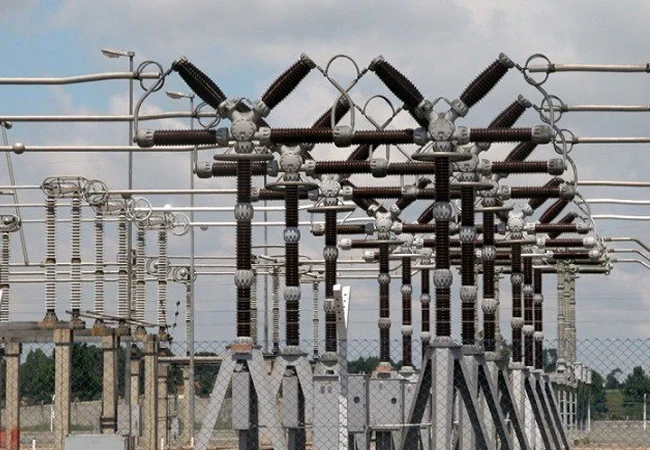
Power generation companies (GenCos) recorded an N80.56bn drop in total invoices in the third quarter of 2025, driven by a decline in electricity offtake by distribution companies (DisCos), according to industry data. The Nigerian Electricity Regulatory Commission (NERC) reported in its Q3 2025 bulletin that GenCos billed N782.46bn during the period, down from N863.02bn in Q2 2025. The decline in invoices reflected a 6.08 per cent reduction in energy offtake by DisCos, which also contributed to a lower Federal Government subsidy requirement, falling from N514.35bn in Q2 to N458.75bn in Q3. NERC noted that the current open-ended subsidy arrangement exposes the government to variable obligations due to volumetric risks and changes in generation costs, particularly when thermal generation increases overall costs. “The 6.08 per cent reduction in DisCos’ energy offtake between Q2 and Q3 2025 was the main factor behind the decline in total GenCo invoices (N782.46bn vs. N863.02bn) and subsidy obligations (N458.75bn vs. N514.35bn). The existing subsidy framework leaves the government vulnerable to indeterminate obligations due to volumetric risks and generation cost fluctuations caused by shifts in the energy mix,” the commission said. Monthly subsidy obligations during the quarter were N163.7bn in July, N153.32bn in August, and N141.72bn in September. Under the DisCos’ Remittance Obligation (DRO) framework, the government covers the gap between cost-reflective tariffs and approved tariffs, applying the subsidy to generation costs payable by DisCos to the Nigerian Bulk Electricity Trading Plc (NBET) at source. In Q3 2025, the DRO-adjusted invoice from NBET to DisCos was N323.70bn, while total remittances reached N308.25bn, representing a 95.23 per cent remittance performance. All DisCos except Kano, Benin, Jos, and Kaduna achieved full remittance. Jos DisCo improved by 4.29 percentage points compared to Q2, while Benin, Kaduna, and Kano saw slight declines. For transmission and administrative service costs billed by the Market Operator, DisCos remitted N73.03bn of N76.77bn, translating to 95.13 per cent compliance, with only Jos and Kaduna falling short. Analysts noted that the reduction in DisCos’ energy offtake would directly affect GenCos’ revenue while also lowering the volume of electricity distributed to end consumers.    

Leadway-Assurance-1280x720.webp

3min6900
Leadway Assurance Company has announced the start of a thorough verification exercise for all African Alliance annuitants following its successful acquisition of the African Alliance Insurance annuity portfolio. In a statement released on Monday, the company said the validation process marks the first stage of the transition, aimed at accurately identifying all current annuitants and updating their records. The acquisition of the annuity portfolio came after the National Insurance Commission (NAICOM) intervened and appointed an interim management team to address outstanding annuity payments. Leadway noted that the takeover not only secures the immediate welfare of annuitants but also strengthens Nigeria’s insurance ecosystem. The verification exercise is intended to protect retirees’ benefits and ensure they are paid efficiently and on time. It also aligns with regulatory measures introduced by NAICOM to safeguard policyholders and boost confidence in the sector. Through this exercise, retirees under the African Alliance portfolio can transition smoothly to Leadway, guaranteeing continuity of payments without disruption. Olufunmilayo Amanwa, Executive Director of Technical & Operations at Leadway Assurance, said, “The verification of annuitants is more than just a procedural step; it reflects our commitment to retirees. We aim to ensure that their contributions are honoured with financial security and dignity. This exercise lays the groundwork for timely benefit payments and reinforces the trust placed in us.” African Alliance annuitants are encouraged to use Leadway’s customer support lines, email, or offices to complete their verification promptly and seamlessly. Leadway Assurance is among Nigeria’s leading insurance firms, offering a wide array of financial protection services, including life insurance, general insurance, and other financial solutions.

t-and-oillll.jpg

3min2020
Oil prices fell on Wednesday as markets anticipated a rise in crude supply following U.S. President Donald Trump’s announcement that Venezuela would deliver up to 50 million barrels of oil to the United States. Venezuela and the U.S. reportedly reached an agreement for the South American nation to export crude valued at approximately $2 billion to the U.S. market. Brent crude fell below $60 per barrel by Wednesday evening after Trump stated that “interim authorities” in Venezuela would provide between 30 million and 50 million barrels of high-quality oil at market prices, valued near $2 billion. The deal is expected to increase heavy crude deliveries to Gulf Coast refineries in the U.S. and may further limit illicit Venezuelan oil shipments to China. Shipping data shows that Venezuela’s state oil company, PDVSA, has been unable to move cargoes to Asia for nearly a week due to ongoing U.S. sanctions. Chevron remains the only Western company authorised by the U.S. Treasury to operate in Venezuela, shipping crude to the Gulf Coast. Meanwhile, shipments to China, Venezuela’s top oil customer, have slowed, with Chinese buyers reducing imports as the discount on Venezuela’s flagship Merey crude narrowed from $15 per barrel last month to $13 per barrel. The price increase follows a U.S. naval blockade that has disrupted tanker traffic to and from Venezuela. Trump has indicated that the U.S. would gain access to Venezuelan crude, potentially from floating storage built up since the blockade began in December. He also insisted that interim President Delcy Rodríguez provide full access to the Venezuelan oil industry for the U.S. and private companies. Venezuela entered 2026 amid uncertainty after U.S. forces captured President Nicolás Maduro and his wife, Cilia Flores, transferring them to the U.S. to face federal charges. Maduro has denied longstanding allegations, including narco-terrorism and cocaine trafficking. Following Maduro’s detention, Venezuela’s Supreme Court appointed Vice President Delcy Rodríguez as Acting President to maintain institutional continuity, placing renewed focus on the country’s oil-dependent economy. By Wednesday evening, Brent traded around $59.99 per barrel, while West Texas Intermediate dropped to $56.10. Analysts predict that prices may fall further as additional Venezuelan crude enters the U.S. market.  

custom-2.jpg

5min5060
The Nigeria Customs Service’s Apapa Area Command reported total revenue of N2.93 trillion in 2025, marking an increase of N573.2 billion, or 24.3 per cent, compared to N2.35 trillion collected in 2024. The command’s Public Relations Officer, Isah Sulaiman, confirmed the figures in a statement released on Wednesday. “The command recorded a total of N2.93 trillion in revenue in 2025, an increase of N573.2 billion over the previous year, reflecting a 24.32 per cent growth. This performance reinforces Apapa Command’s position as Nigeria’s top revenue-generating hub,” the statement said. Customs Area Controller Emmanuel Oshoba credited the achievement to strong leadership, disciplined personnel, and strategic deployment of technology under the guidance of Comptroller-General of Customs, Adewale Adeniyi. He also acknowledged the contribution of compliant stakeholders whose lawful trading practices significantly supported revenue growth. “A key factor in this success was the implementation of the Unified Customs Management System, also known as B’Odogwu, which improved transparency, efficiency, and accountability in cargo clearance. Regular performance reviews and timely revenue recovery also strengthened collections,” Oshoba explained. He added that trade facilitation was enhanced through intensified stakeholder engagement, the rollout of the Authorised Economic Operator (AEO) Programme, and expansion of the One-Stop Shop initiative, which ensured faster processing and release of compliant cargo. Efforts are also ongoing to deploy the FS6000 cargo scanning system, a non-intrusive technology capable of scanning up to 200 containers per hour. Oshoba highlighted enforcement achievements, including the interception of 53 containers carrying illicit drugs and prohibited items, such as cocaine, Canadian loud, tramadol, and expired pharmaceuticals, with a duty-paid value of N12.6 billion. Some seizures were handed over to relevant agencies, including the National Drug Law Enforcement Agency and the National Agency for Food and Drug Administration and Control, for further investigation and prosecution. Looking ahead, Oshoba expressed confidence that the command would reach higher revenue milestones in 2026, driven by deeper implementation of B’Odogwu, AEO, and OSS, enhanced intelligence-led enforcement, and stronger collaboration with other agencies. He also promised continued engagement with terminal operators, shipping companies, licensed customs agents, freight forwarders, haulage operators, and the media to ensure transparent and efficient trade operations. Meanwhile, the Nigeria Customs Service’s Seme Area Command reported revenue of N15.5 billion from January to December 2025, a 117 per cent increase over the N7.1 billion collected in 2024. The command’s Public Relations Officer, Tunde Ayagbalo, noted that the year marked unprecedented revenue performance, with December 2025 alone generating a record N3.6 billion—the highest monthly collection in the command’s history. Ayagbalo attributed the growth to the effective rollout of the One-Stop Shop initiative, which improved coordination and trade facilitation, and robust anti-smuggling operations. In December, the command intercepted 685 parcels of cannabis sativa, 495 packs of tramadol, and 2,000 packs of high-dosage sexual enhancement drugs, through intelligence-led operations, risk profiling, enhanced patrols, and inter-agency collaboration. The Customs Area Controller of Seme Command, Wale Adenuga, praised the reduction of checkpoints along the Lagos–Abidjan corridor to just the two locations approved by the Federal Government, a move that eased legitimate trade, reduced delays, and contributed to the command’s revenue growth. He also issued a stern warning to smugglers, stating that the Seme borders are no longer safe for illegal activities. “With advanced intelligence, technology, and constant vigilance, our officers will continue to intercept and prosecute offenders,” Adenuga affirmed.

Tech & Tools Desk8 January 2026
Donald-Trump.jpg

2min2890
U.S. President Donald Trump announced on Wednesday that defence companies would be barred from paying dividends or conducting stock buybacks until they resolve ongoing issues in the production and maintenance of military equipment, according to Reuters. In a post on Truth Social, Trump criticised defence contractors for slow delivery of military hardware and inadequate upkeep of equipment once produced. “Defence companies are not producing our military equipment quickly enough, and once produced, they are not maintaining it properly or promptly,” he said. Trump also condemned high executive pay in the defence sector, calling it “exorbitant and unjustifiable.” He stressed that senior executives should focus on expanding and modernising production capacity rather than rewarding shareholders and management. “From this point forward, these executives must build new and modern production facilities to deliver and maintain essential equipment and to develop future military models,” he added, without naming specific firms or individuals. He proposed a cap on executive compensation, suggesting that no defence industry executive should earn more than $5 million annually until production challenges are resolved. While substantial, he noted this is far below the current earnings of many top executives. Reuters reported that Trump’s remarks reflect long-standing concerns from both the president and the U.S. Department of Defense over what they view as an expensive, slow-moving, and entrenched defence industry. The statements signal potential tighter government oversight of defence contractors and may affect investors, as dividends and share buybacks are important components of shareholder returns in the sector.