Category: Refined Living

zz-26.webp

3min4400
Nigerian oil magnate Muhammadu Indimi has been ordered to pay his daughters $43.51 million in a long-running dividend dispute, following a ruling by the Federal High Court. The court directed Oriental Energy Resources to pay the full amount to the sisters, marking a significant setback for the billionaire businessman and bringing a years-long private family disagreement into the public spotlight. How the Dispute Began The conflict began after the twins alleged they were excluded from a dividend pool reportedly valued at about $435 million. They maintained that they jointly owned 10% of the company and were therefore entitled to a corresponding share of the payout. However, they claimed their shareholding was reduced without their consent a move they argued denied them millions of dollars tied to the company’s offshore oil operations. From Private Dispute to Public Battle What was once an internal family matter has now become a major public case, largely due to the substantial sums involved and the high profile of the businessman at its center. Oriental Energy has long been regarded as a key private player in Nigeria’s oil industry, with its operations and ownership structure largely kept out of public scrutiny. The ruling has intensified interest in the company’s governance and raised broader questions about transparency, ownership rights, and decision-making within family-run enterprises. Reports indicate the disagreement may extend beyond the twins, with other family members reportedly contesting ownership stakes and debating whether previous payments constituted gifts or buyouts that settled dividend entitlements. What Happens Next While the court affirmed that $43.51 million is owed, details regarding the calculation of the figure and the payment timeline remain unclear. Legal observers suggest that an appeal or enforcement proceedings could prolong the matter for several months. Regardless of the next legal steps, the judgment has shifted the dynamics within both the family and the company. What began as a dispute over unpaid dividends has now evolved into one of the most closely followed business cases in the country.

James Obasi25 February 2026
zz-22.jpg

3min5390
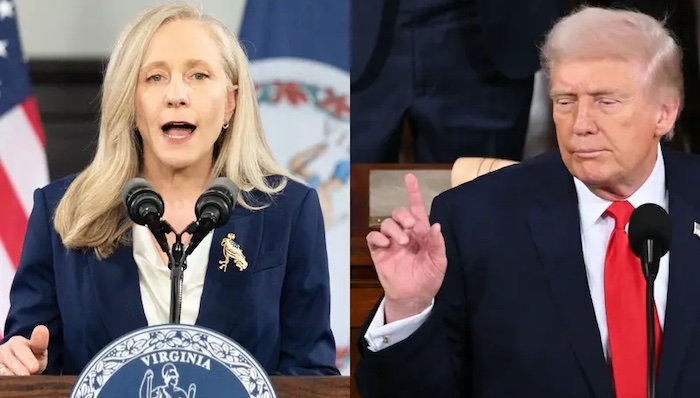
Virginia Governor Abigail Spanberger delivered the Democratic Party’s response Tuesday night following President Donald Trump’s State of the Union address, raising direct questions about the economic and social wellbeing of Americans. Trump addressed a joint session of United States Congress, highlighting policy priorities including immigration enforcement, federal spending cuts, maintaining tariffs recently struck down by the Supreme Court of the United States, and recent military actions abroad. Spanberger delivered the official Democratic rebuttal from Colonial Williamsburg in Virginia, a historic living museum, drawing a parallel between the state’s early resistance to British rule and the contemporary political moment. During her response, Spanberger asked pointed questions of Americans about life under Trump’s second term. “Is the president working to make life more affordable for you and your family? We all know the answer is no,” she said, emphasising the continuing struggles faced by many households. The Governor, who flipped a Republican-held seat last year, stressed that costs remain high for families and argued that Trump’s policies have not improved affordability. Her remarks form part of a broader Democratic strategy leading into the midterm elections, highlighting economic challenges for voters. Spanberger further criticised Trump for prioritising personal and elite interests over those of ordinary Americans. “The scale of this President’s corruption is unprecedented. The cover-up of the Epstein files, crypto scams, cozying up to billionaires it’s clear he is working for himself, not the American people,” she said. She also called for comprehensive immigration reform, rejecting what she described as punitive enforcement measures. “Tonight, the President told us that we are safer because unaccountable, poorly trained ICE agents are arresting mothers and detaining children. Our broken immigration system needs fixing, not terrorizing communities,” she said. Concluding her address, Spanberger reaffirmed her commitment to Virginians: “I am honoured to serve as the 75th Governor of Virginia. It is with a profound sense of duty to all Virginians that I assume the Governorship and pledge to work tirelessly on behalf of our Commonwealth.” Meanwhile, Senate Democratic leaders echoed the critique. Chuck Schumer described Trump’s record-length State of the Union as “delusional,” saying it failed to reflect the struggles of ordinary Americans. “The president’s rhetoric and the country’s reality are worlds apart. He painted a picture of America that hardly any working American would recognize,” Schumer said.

zz-21.jpg

4min4140
The Dangote Petroleum Refinery has signed an offtake agreement with 12 major petroleum marketing companies to distribute between 60 million and 65 million litres of Premium Motor Spirit (petrol) daily nationwide, a move aimed at stabilising supply and strengthening Nigeria’s fuel self-sufficiency. Aliko Aliko Dangote, President of the Dangote Group, disclosed in Lagos that the structured arrangement will ensure nationwide petrol availability while allowing surplus volumes to be exported. “We have agreed an offtake framework to supply up to 65 million litres daily for the domestic market. Any surplus, estimated at 15 to 20 million litres, will be exported,” Dangote said in a statement. He noted that the initiative marks a major shift in the country’s downstream petroleum sector, as Nigeria’s daily petrol consumption currently ranges between 50 million and 60 million litres. This translates to a projected monthly supply of approximately 1.8 to over 2 billion litres, depending on daily output and the number of days in the month. The latest agreement builds on an earlier October 2025 arrangement between the refinery and downstream operators aimed at stabilising fuel supply and curbing price volatility. At that time, independent marketers revealed the refinery had set a target to release up to 600 million litres of petrol monthly to the domestic market to address supply disruptions and rising costs. Under the arrangement, endorsed by the Nigerian Midstream and Downstream Petroleum Regulatory Authority, selected marketers will handle nationwide distribution to prevent supply disruptions and discourage speculative practices. The marketers involved include MRS Oil Nigeria Plc, Nigerian National Petroleum Company Limited Retail, 11 Plc, TotalEnergies Marketing Nigeria, Rainoil Limited, Northwest Petroleum & Gas Company Limited, Ardova Plc, Bovas & Company Limited, AA Rano Nigeria Limited, AYM Shafa Limited, Conoil Plc, and Masters Energy. The statement highlighted that the structured offtake model is designed to improve logistics, reduce hoarding, and support price stability. Once domestic supply obligations are met, the refinery is expected to export 15 to 20 million litres daily, helping to conserve foreign exchange, boost the country’s trade balance, and strengthen external reserves by reducing reliance on imported fuel. For decades, Africa’s largest oil producer depended heavily on imported refined products, leaving the economy exposed to exchange rate fluctuations, global supply disruptions, and recurring shortages. The Group CEO of Nigerian National Petroleum Company Limited, Bayo Bashir Ojulari, described the refinery as a transformative national asset with the potential to redefine Nigeria’s energy security. “This plant was designed for 650,000 barrels per day. None of us thought it would even reach 550,000, but today we saw 661,000 barrels per day in operation. These are live operational figures,” Ojulari said, highlighting the refinery’s industrial and technological advancement. Following downstream market deregulation and the removal of fuel subsidies under President Bola Tinubu, the Dangote refinery is expected to play a central role in ending decades of petrol importation, stabilising prices, and positioning Nigeria as a net exporter of refined petroleum products across West and Central Africa. The success of the structured offtake arrangement could usher in a more reliable fuel supply chain and significantly reduce the risk of shortages that have long affected the country.

zz-20-1280x850.jpg

2min6000
The Sierra Leone Police have arrested a Nigerian national, Patrick Nonso, at the Freetown International Airport after he was allegedly found in possession of 46 wraps of a white substance suspected to be cocaine. According to reports from a Sierra Leonean news platform on Tuesday, the suspect was apprehended on Sunday during routine airport screening. Patrick Nonso was detained on February 22, 2026, after security officials discovered the suspected substance during standard checks at the airport. He was reportedly travelling with an Italian passport at the time of his arrest and was immediately taken into custody by officers. Police authorities confirmed that the suspect is currently being held and is cooperating with investigators. An investigation has been launched to determine the source of the suspected narcotics and to establish whether other individuals may be involved. Officials said no formal charges have yet been filed, as forensic analysis is ongoing to confirm the composition and weight of the seized substance. Investigators are also reviewing the suspect’s travel and immigration records as part of the inquiry. Airport security personnel were said to have worked closely with law enforcement in line with established procedures for handling suspected controlled substances. Authorities added that further updates would be provided as investigations continue.

zz-25.webp

6min6020
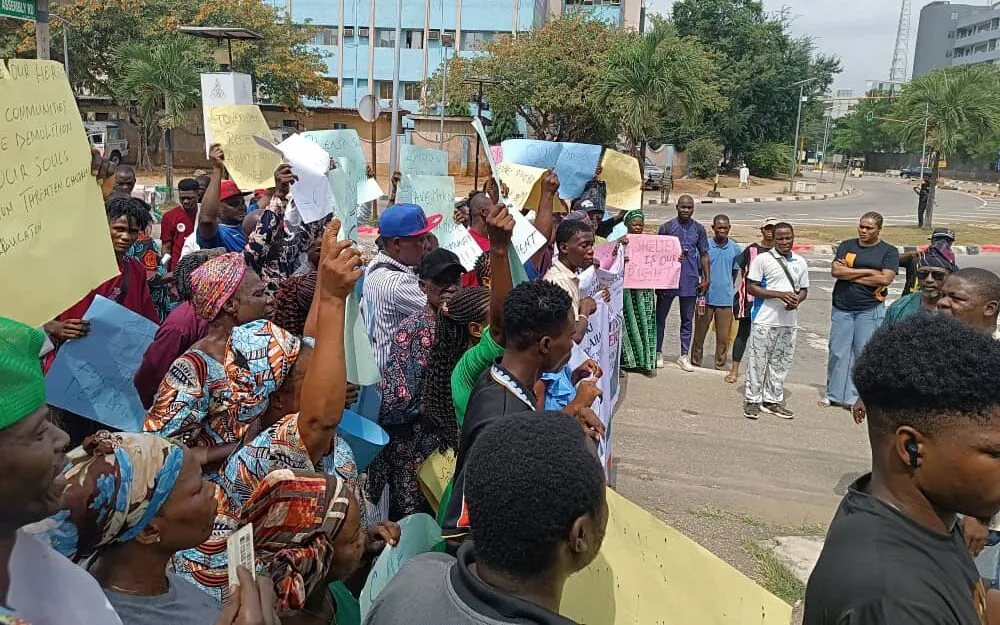
Residents across several parts of Lagos State have raised alarm over the rapidly rising cost of house rents, describing the situation as suffocating and calling for urgent legislative and executive action to avert a worsening housing crisis. In interviews on Tuesday, residents said rent now consumes nearly half or in some cases more of their annual income, leaving little room for savings or basic living expenses. A 2023 assessment of Nigeria’s housing market found that households spend between 50 and 70 per cent of their income on rent, far exceeding the globally recommended benchmark of 30 per cent. The report described the trend as evidence of deep structural problems rather than a temporary surge. Rasaq Adebanjo, a resident of Ogba, said the cost of accommodation in Lagos had become unbearable. “House rents have become extremely expensive. Some landlords even insist on automatic rent increases after three years. Finding a place you can afford without it swallowing your entire yearly income is very difficult,” he said. A National Youth Service Corps member, Mercy, recounted her experience searching for accommodation shortly after arriving in Lagos. “When I got to Lagos, my first concern was housing. An agent asked for ₦1.5 million for a mini flat in Surulere not even on the Island. I was shocked,” she said. She added that pooling resources with colleagues still did not make accommodation affordable, despite earning a monthly allowance of ₦77,000 and an additional ₦30,000 stipend from her place of primary assignment. Peter, a recent graduate who relocated to Lagos for work, said high rents had forced him to live with a relative in Ogun State. “I currently stay in Ogun State, and transport costs are extremely high. I honestly don’t understand how people cope with living and working in Lagos,” he said. A banker based in Obalende, Damola Hafiz, warned that the situation could deteriorate further without decisive intervention. “Last year, I paid ₦800,000 for rent. Early this year, my landlord increased it to ₦900,000 for a single room in Ketu. I was asked to move out when I said I couldn’t afford it,” he said, adding that he eventually had to plead to remain after seeing the realities of the rental market. Another tenant, Moses, who lives in Ikeja, said escalating living costs had made saving nearly impossible. “When someone earns ₦300,000 monthly and still cannot save ₦50,000 after a year because everything goes into rent, food and transport, it leads to frustration and desperation,” he said. Commenting on the issue, Ayodele Adio, an aspirant for the Eti-Osa seat in the Lagos State House of Assembly, described the situation as a full-blown rent crisis. He said many working residents now spend between 60 and 70 per cent of their income on rent and transportation combined. “When people are using almost all their earnings just to secure shelter and get to work, the system is clearly broken,” he said. Citing inflation data from the National Bureau of Statistics, Adio proposed linking rent increases strictly to official inflation rates. Under his proposal, landlords would only be allowed to raise rents within the previous year’s inflation margin, with slight variations based on location. He also pledged to sponsor legislation to cap agency and legal fees at five per cent, mandate a minimum of 12 months’ notice before rent increases, and limit rent adjustments to once every three years. In addition, he called for tighter regulation of short-term rental platforms such as Airbnb, arguing that their rapid expansion has reduced the availability of long-term housing. “These are short-term stabilisers. The core issue is housing supply,” he said. Adio advocated the construction or facilitation of at least 20,000 housing units annually over the next decade to ease pressure on the market, stressing that government involvement was critical. “Land is expensive, building materials cost more, and financing is increasingly costly. If housing delivery is left solely to the private sector, prices will continue to rise. Government intervention is essential,” he said. He also called for mortgage reforms to enable working-class residents to access long-term financing at affordable rates, noting that reducing housing and transport costs would free up household income, stimulate economic activity and promote growth. When contacted, the Lagos State Commissioner for Information and Strategy, Gbenga Omotoso, requested a callback, but further attempts to reach him were unsuccessful as of the time of filing this report.


Tech & Tools Desk25 February 2026
zz-10-1280x853.jpg

4min2640
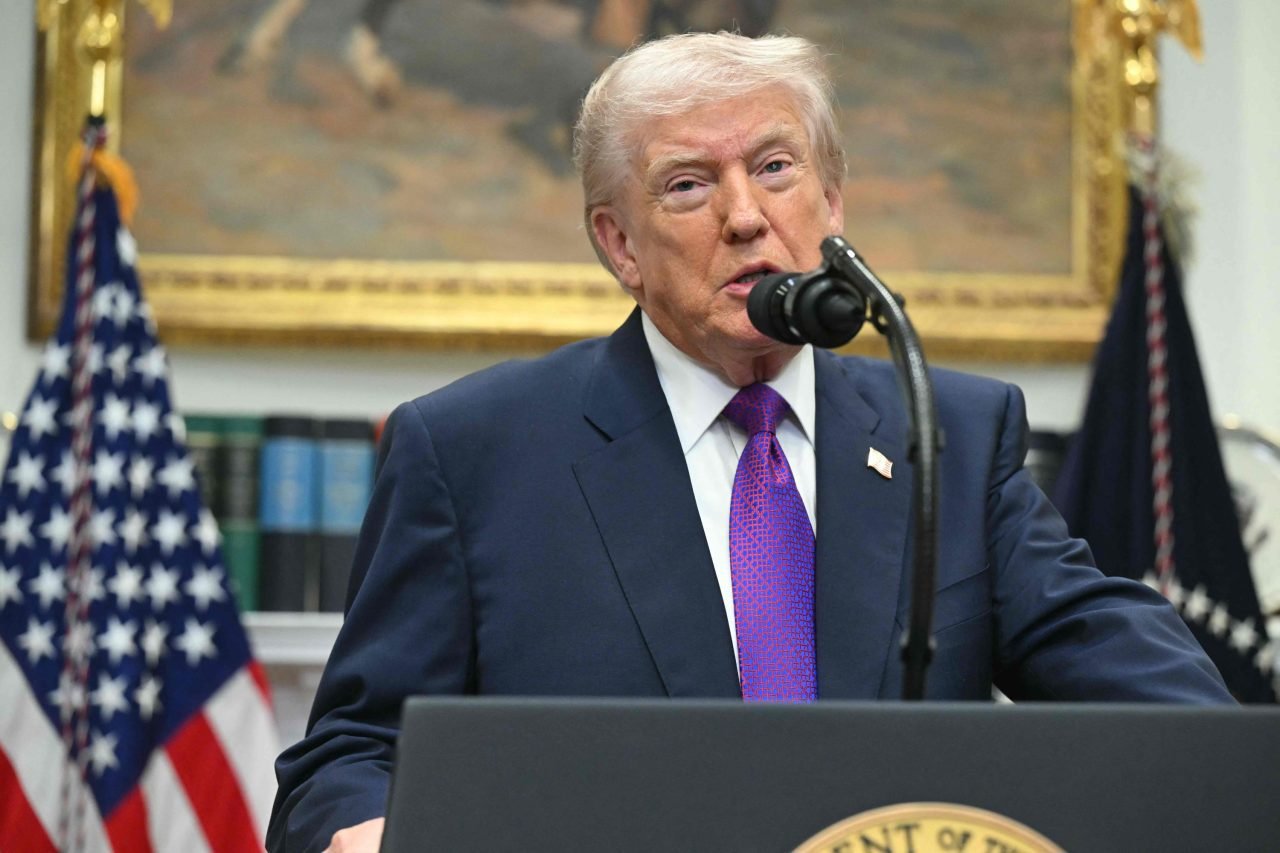
US President Donald Trump on Tuesday declared what he described as a historic political turnaround during a record-breaking State of the Union address, as he sought to counter weak approval ratings and mounting domestic and foreign policy challenges ahead of the midterm elections. Speaking before a joint session of the United States Congress, Trump received repeated standing ovations from Republican lawmakers, while most Democrats remained seated in silent protest, with occasional interruptions. The address lasted one hour and 48 minutes, setting a new record for the longest presidential speech to Congress. The previous record was also held by Trump, whose address last year ran for 100 minutes. Before then, the longest speeches belonged to former President Bill Clinton, who spoke for 89 minutes in 2000 and 85 minutes in 1995. Opening on an optimistic note, Trump told lawmakers and viewers that the United States was “bigger, better, richer and stronger than ever before,” claiming his administration had delivered an unprecedented transformation during its first year back in office. The prime-time address, broadcast nationwide, was widely seen as an effort to re-energise voters amid concerns within the Republican Party about losing control of Congress in November’s midterm elections an outcome that could stall the remainder of Trump’s second term and expose him to renewed political pressure. Trump also leaned into patriotic moments, inviting members of the US Olympic ice hockey team, fresh from a gold medal victory, onto the House floor to loud applause and chants of “USA.” He announced the award of the Presidential Medal of Freedom to the team’s goalkeeper and presented Medals of Honor to a helicopter pilot injured during a January operation in Venezuela and to a 100-year-old Korean War veteran. On foreign policy, Trump said Iran was pursuing missiles capable of reaching the United States and reiterated that the country would never be allowed to develop nuclear weapons. While describing Iran’s nuclear ambitions as dangerous, he said his preferred solution remained diplomacy and confirmed that negotiations were ongoing. He also claimed that Venezuela had resumed shipping oil to the United States and pointed to the killing of a major Mexican drug kingpin as a success in the fight against organised crime. Midway through the address, the tone hardened as Trump criticised Democrats and undocumented immigrants, accusing political opponents of undermining the country. He urged Congress to pass legislation introducing stricter voter identification requirements, repeating his long-standing claims of widespread election fraud assertions disputed by opponents, who argue the measures could disenfranchise eligible voters. The speech came as Trump’s approval ratings remained low. Recent polling showed public dissatisfaction with his handling of the economy and inflation, while his administration has faced setbacks including a recent ruling by the Supreme Court of the United States striking down his use of coercive trade tariffs. Despite briefly greeting members of the court during the address, Trump later criticised the decision as “very unfortunate,” adding to the tensions that have marked his return to office. The president has also faced renewed scrutiny over immigration enforcement actions and lingering controversy linked to the Jeffrey Epstein scandal, further complicating his political standing as the midterms approach.

James Obasi25 February 2026
zz-24-1280x689.webp

4min8550
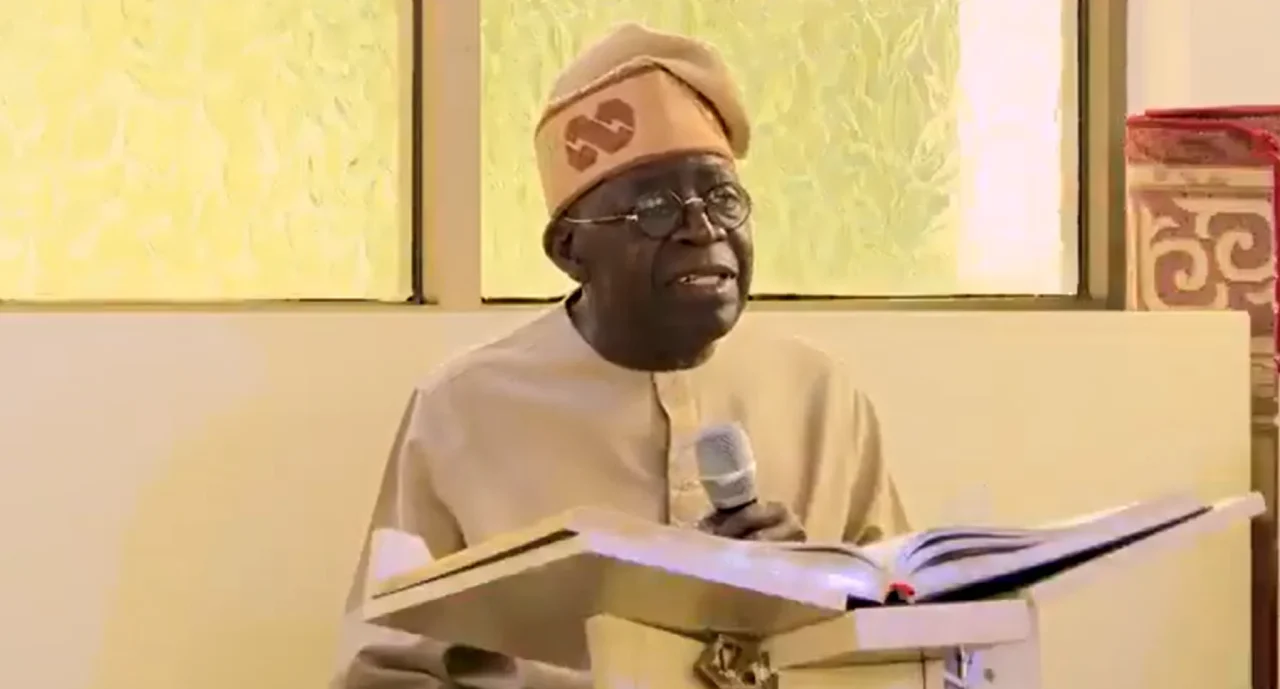
The Chairman of the Forum of State Commissioners of Finance, Akintunde Oyebode, has said that President Bola Tinubu’s Executive Order 9 on the direct remittance of oil and gas revenues would add an estimated ₦1.5 trillion to the Federation Account, stressing that the real concern lies in enforcing constitutional provisions and addressing revenue leakages arising from the Petroleum Industry Act framework. Oyebode, who also serves as Ekiti State Commissioner for Finance, made the remarks during an interview on Arise News on Tuesday. He explained that the expected inflow from management fees, frontier exploration fees and gas flaring penalties was modest when viewed against the size of the Federation Account. “In monetary terms, this is not a significant increase. We estimate that about ₦1.5 trillion will be added to the Federation Account,” he said, noting that with annual inflows exceeding ₦30 trillion, the impact would be in single digits. He emphasised, however, that the objective of the order was not revenue expansion but constitutional compliance. Executive Order 9, signed in February 2026, requires that oil and gas revenues due to the Federation be paid directly into the Federation Account. It limits deductions by agencies and mandates that statutory revenues be remitted in full before any expenditure or appropriation. The directive has sparked debate within the petroleum sector and opposition from labour unions, including the Petroleum and Natural Gas Senior Staff Association of Nigeria, which warned that the order could negatively affect the industry and investor confidence, urging the President to reconsider it. Responding to suggestions that states would benefit financially from the new remittance structure, Oyebode rejected the idea of a windfall, insisting the issue was about proper custody and distribution of federation revenues as required by the Constitution. The Presidency has similarly maintained that EO9 is an enforcement of existing constitutional provisions, not an act of executive lawmaking. Addressing concerns over possible executive overreach and its implications for lenders and investors, Oyebode declined to offer a legal opinion but said any disputes should be resolved through judicial interpretation. “If there are legal concerns, the appropriate step is for the parties involved to seek clarification from the courts,” he said. He added that investor reaction would depend on how the policy is implemented, noting that an implementation committee had been set up and urging stakeholders to await its guidelines. According to him, valid contracts and repayment obligations would not be affected. Oyebode also argued that investment conditions in the oil and gas sector had improved, citing about $10 billion in new investments and several major project approvals as evidence of renewed momentum. Beyond EO9, the discussion touched on broader concerns about state finances. Oyebode dismissed claims that the Federal Government was “giving” money to states, stating that funds in the Federation Account belong to the federation and are shared according to constitutional provisions. He said many states had reduced their domestic debt by between 15 and 20 per cent over the past two years, explaining that increases in the naira value of foreign debt were largely due to exchange-rate movements. On borrowing practices, he said states typically follow approved borrowing plans and that loans, particularly from multilateral institutions, are mainly used to fund infrastructure and development projects in areas such as water, agriculture and environmental programmes. He also highlighted transparency reforms under the World Bank-supported State Fiscal Transparency, Accountability and Sustainability programme, noting that states now publish budgets, procurement data, budget performance reports and audited financial statements, while encouraging civil society and analysts to scrutinise public finances and hold governments accountable.

James Obasi24 February 2026
zz-23.webp

3min11520
The United States House Committees on Appropriations and Foreign Affairs on Monday formally submitted a report to the White House outlining their findings and recommendations on addressing the alleged persecution of Christians in Nigeria. The investigation was initiated after President Donald Trump redesignated Nigeria as a Country of Particular Concern (CPC) and tasked Congressman Riley Moore and House Appropriations Chairman Tom Cole to lead a comprehensive inquiry into the alleged persecution of Christian communities and broader security challenges in the country. Moore confirmed the report’s submission via his X account, @RepRileyMoore, on Monday evening. He previously led a bipartisan congressional delegation on a fact-finding mission to Nigeria, visiting Internally Displaced Persons (IDP) camps in Benue State, speaking with victims of terrorism, and meeting government officials, including those led by the National Security Adviser, Nuhu Ribadu. The report was compiled based on expert witness interviews, hearings, roundtables, two on-the-ground congressional assessments in Nigeria, and close coordination with the Trump administration. Moore stated that the investigation provided a clear understanding of the threats facing Christians in Nigeria. He urged the Nigerian government to use this opportunity to strengthen relations with the United States, emphasizing that cooperation between the two nations is essential to tackling security challenges and ending violence against Christians. The report includes recommendations to establish a bilateral US–Nigeria security agreement to protect vulnerable Christian communities and dismantle jihadist networks. It also calls for withholding certain US funds until the Nigerian government demonstrates concrete action to prevent religious violence. Other measures outlined include implementing sanctions and visa restrictions against individuals and groups involved in persecution, providing technical assistance to curb violence by armed Fulani militias, advocating the repeal of Sharia and blasphemy laws, and coordinating with international partners such as France, Hungary, and the United Kingdom. Moore said, “Today, Congressman Riley M. Moore, together with members of the House Committees on Appropriations and Foreign Affairs, formally presented a comprehensive report to the White House outlining actionable steps to end the persecution of Christians in Nigeria and address growing extremist violence in the region.” He added, “This report reflects months of investigation, including a bipartisan fact-finding trip to Nigeria, hearings with expert witnesses, consultations with religious leaders, visits to IDP camps, and engagement with senior Nigerian officials.” Moore also expressed gratitude to President Trump for redesignating Nigeria as a CPC and to his congressional colleagues Chairman Cole, Vice Chair Mario Diaz-Balart, Foreign Affairs Committee Chairman Brian Mast, and Congressman Chris Smith for their leadership in producing the report. He noted, “During our trip to Nigeria, I witnessed firsthand the severe challenges Christians face and the instability the Nigerian government must address.”

zz-22.webp

3min9030
New US tariffs on imported goods took effect on Tuesday as President Donald Trump moved to advance his trade agenda following a Supreme Court ruling that struck down several of his global duties. According to a White House statement released Friday, the tariffs, initially set at 10%, are intended “to address the large and serious United States balance-of-payments deficits.” Trump has signaled plans to raise the rate to 15%, while maintaining exemptions for goods covered by sector-specific investigations and under the US-Mexico-Canada trade agreement. Although the Supreme Court on Friday invalidated many of Trump’s sweeping tariffs, his targeted duties on products such as steel and automobiles remain in place. The ruling, however, opens the door to potential disputes over refunds for tariffs previously imposed. The new 10% duty, effective Tuesday, will last 150 days unless extended by Congress, and is seen as an interim measure toward a more permanent trade strategy. US Customs and Border Protection confirmed it would stop collecting tariffs struck down by the court and begin enforcing the new 10% duties simultaneously. The conservative-majority Supreme Court ruled six to three that Trump had exceeded his authority under a 1977 law to impose sudden tariffs on specific countries. Erica York, vice president of federal tax policy at the Tax Foundation, estimated that the new tariffs would apply to $1.2 trillion in imports annually, or roughly 34% of total US imports. She added that Trump’s previous tariffs raised the average US household’s tax burden by $1,000 in 2025, while current and new duties are expected to impose a $700 household burden in 2026. Trump maintained on Monday that the Supreme Court decision gave him “far more powers and strength” to act against foreign countries, including through the use of licensing mechanisms. Wendy Cutler, former US trade official and senior vice president at the Asia Society Policy Institute, commented that with his “tariff wings clipped,” Trump may rely on licensing fees to signal displeasure, though such measures lack the direct financial impact of tariffs. The president also warned of potential increases in tariffs on countries he perceives as “playing games” following the court ruling. Over the past year, Trump has adjusted tariff rates on partners frequently, using them as leverage in trade negotiations. US Trade Representative spokesperson Jamieson Greer stated that existing tariff agreements remain valid despite the ruling and that partners are expected to honour them. However, the proposed 15% duty for some nations, including the UK and Australia, would exceed the previous 10% rate. Cutler noted that Trump’s measures could heighten frustration among US trade partners and potentially accelerate their efforts to diversify away from reliance on the United States.

zz-18.jpg

3min10200
The Office of the Attorney General of the Federation has withdrawn the criminal charges against senior advocate Mike Ozekhome over allegations of forgery. The announcement was made on Tuesday at the High Court of the Federal Capital Territory in Maitama. The Director of Public Prosecution of the Federation, Rotimi Oyedepo, informed Justice Peter Kekemeke that the Attorney General had decided to review the case holistically to determine the most appropriate course of action. Following the application, which was unopposed by the defence team led by Paul Erokoro, the court struck out the three-count charge against Ozekhome. Ozekhome had previously been arraigned on allegations of forgery and related offences in a case originally filed by the Independent Corrupt Practices and Other Related Offences Commission. The anti-graft agency had accused him of fraud, forgery, and using false documents in connection with a disputed property in London. Prosecutors claimed that he received a property at 79 Randall Avenue, London NW2 7SX, allegedly presented as a gift, and allegedly used a forged Nigerian passport in support of the claim, which they argued violated provisions of the Corrupt Practices and Other Related Offences Act and the FCT Penal Code. On January 29, 2026, Oyedepo notified the court that the Attorney General had taken over the prosecution from the ICPC under Section 174 of the Constitution, which empowers the Attorney General to institute, assume, or discontinue criminal proceedings. He explained that the decision, made in collaboration with the ICPC, was intended to ensure the prosecution adheres to the highest standards of diligence, due process, and effectiveness. Public interest, fairness, and strengthening confidence in the criminal justice system were cited as guiding factors. Inter-agency cooperation in the fight against corruption was also highlighted as part of the rationale. Oyedepo assured the court that the defendant’s rights would be protected and that no party would be disadvantaged during the review. He requested the court to take judicial notice of the Attorney General’s formal takeover of the trial and sought an adjournment to retrieve and examine the case file from the ICPC. Justice Kekemeke granted the request and formally struck out the charges.