
Category: Refined Living

zz-16-1280x1034.jpg

5min5530
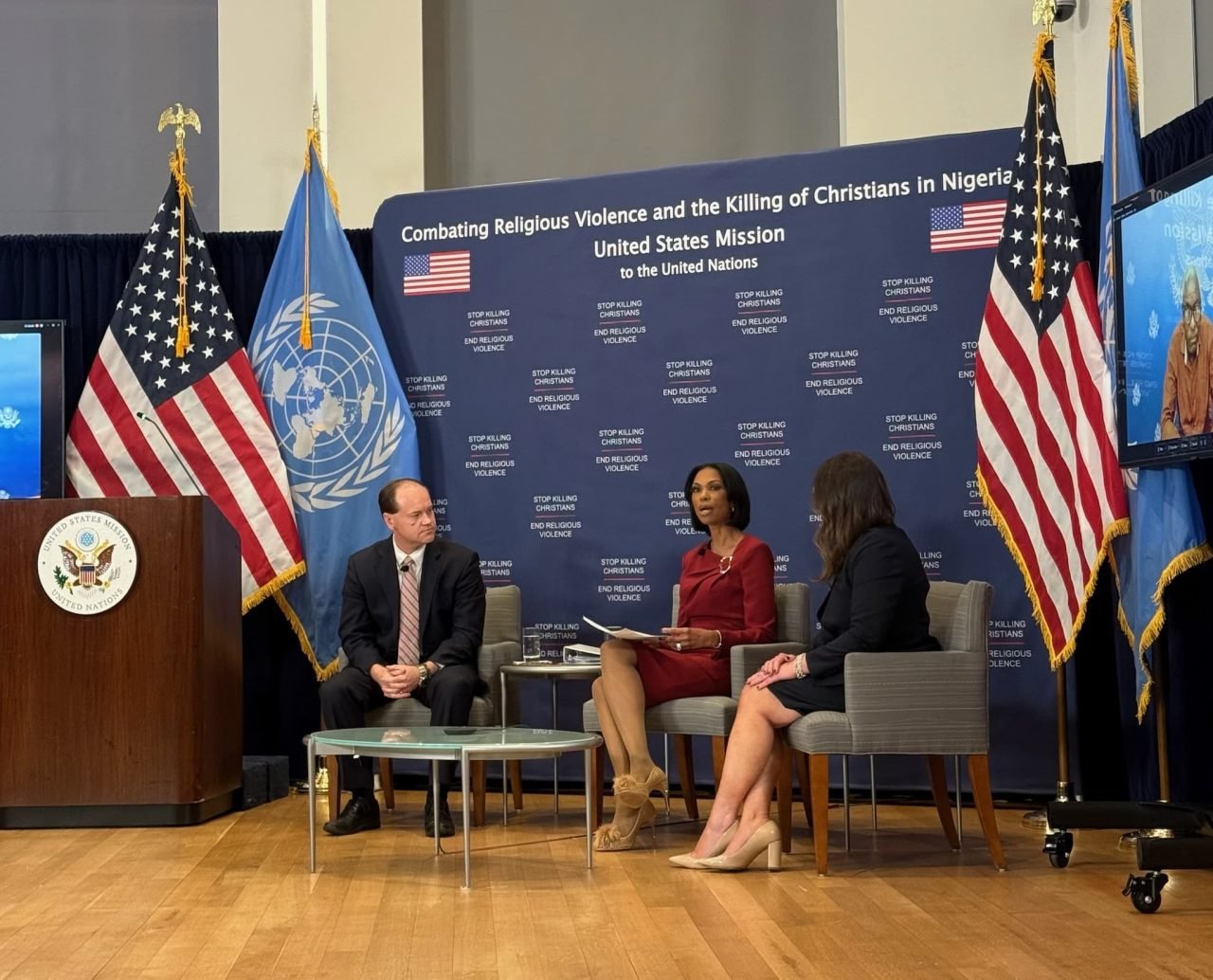
The United States Congress has called for a far-reaching bilateral agreement between Washington and Abuja aimed at safeguarding vulnerable Christian communities, dismantling jihadist networks, and countering Chinese and Russian influence in Nigeria. The call followed a joint resolution by the House Appropriations Committee and the House Foreign Affairs Committee, shared on X on Tuesday by Congressman Riley Moore. In a statement titled “Ending the Persecution of Christians in Nigeria,” lawmakers praised President Donald Trump for redesignating Nigeria as a Country of Particular Concern (CPC), describing the decision as a firm step toward holding perpetrators of violence accountable. In October 2026, the United States announced for the second time that Nigeria would be added to the US Department of State list of Countries of Particular Concern. Trump later said Nigeria was being placed on a religious freedom watchlist, alleging that Christians were being persecuted and killed. Nigeria was first designated a CPC in 2020 under Trump’s administration, but the status was reversed shortly after former President Joe Biden assumed office. In February, US lawmakers also recommended visa bans and asset freezes against individuals and groups accused of violating religious freedom and targeting Christians in Nigeria. Those mentioned included former Kano State governor Rabiu Kwankwaso, the Miyetti Allah Cattle Breeders Association of Nigeria, and Miyetti Allah Kautal Hore. Commending Trump’s action, the House Appropriations Committee said the redesignation was intended to compel Nigerian authorities to protect vulnerable communities and bring an end to religious persecution. Congressional investigations and findings According to the statement, Trump directed Rep. Moore, House Appropriations Chairman Tom Cole, and the committee to investigate what lawmakers described as the persecution and killing of Christians in Nigeria. As part of the probe, Appropriations Vice Chair Mario Díaz-Balart convened an investigative roundtable and led a congressional delegation to Nigeria. Separately, House Foreign Affairs Committee Chairman Brian Mast and Africa Subcommittee Chairman Chris Smith organised hearings featuring testimony from government officials and civil society groups. The committees said the process culminated in a set of policy recommendations. In their findings, lawmakers declared Nigeria “the deadliest place in the world to be a Christian,” alleging that Christians face persistent attacks by armed Fulani militias and terrorist groups, leading to tens of thousands of deaths, destruction of churches and schools, and widespread kidnappings. They also criticised blasphemy laws enforced in parts of northern Nigeria, arguing that the laws are used to suppress dissent, target Christians and minorities, and secure convictions without due process. While acknowledging Nigeria as a key US partner, Congress insisted the government must show stronger political commitment. Although Nigeria remains an important ally, the statement said, authorities must allocate domestic resources to reduce and ultimately end the violence. Lawmakers urged both countries to seize the moment to redefine their partnership in a way that enhances security, prosperity, and stability. Proposed bilateral agreement Central to the recommendations is a proposed bilateral security and economic pact. Congress urged Trump to pursue an agreement with Nigeria focused on protecting Christian communities, eliminating jihadist threats, expanding economic cooperation, and countering regional adversaries, including China and Russia. Under the proposed deal, Nigeria would co-fund humanitarian assistance particularly through faith-based organisations—with priority given to internally displaced persons in predominantly Christian areas of the Middle Belt. Other proposals include strengthening early-warning systems to prevent attacks and kidnappings, deploying capable security forces for rapid response, clearing armed militias from seized farmlands, and enabling displaced communities to return home safely. Lawmakers also called for expanded security cooperation, including reducing reliance on Russian military hardware in favour of American defence systems through sales and financing arrangements. Additional recommendations covered technical support for disarmament and reintegration programmes, reforms in livestock management and ranching, land reforms, and improved recruitment and training within Nigeria’s security forces. The committees further advocated enhanced counter-terrorism collaboration, provision of excess US defence equipment where necessary, and measures to curb what they described as destabilising Chinese illegal mining activities. Other measures outlined include stricter accountability for US aid, sanctions against perpetrators of religious violence, continued visa restrictions, repeal of Sharia-based criminal and blasphemy laws, audits of US assistance to Nigeria, and intelligence reviews of sectarian violence. The lawmakers said the recommendations represent a rare opportunity for meaningful change following Nigeria’s redesignation as a Country of Particular Concern.

Tech & Tools Desk24 February 2026
zz-21.webp

3min13100
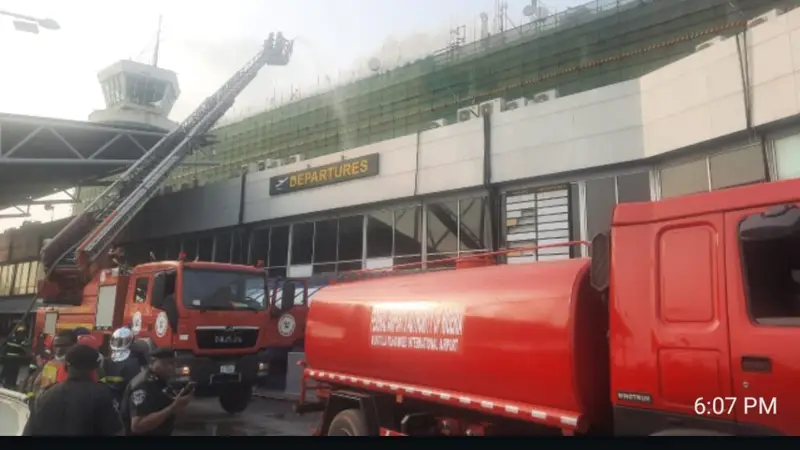
The Airport Police Command in Lagos has confirmed that the fire outbreak at the Old Terminal 1 of Murtala Muhammed International Airport has been successfully extinguished, with normal operations restored and flights fully resumed. In a statement released on Tuesday by the command’s spokesperson, ASP Mohammed Adeola, the police said the incident, which occurred on Monday, February 23, 2026, was effectively contained through coordinated emergency efforts. The fire had earlier disrupted flight schedules, stranded passengers, and forced the diversion of some international flights after it affected activities around the control tower. Thick smoke was seen rising from sections of the terminal as firefighters worked for several hours to put out the blaze. According to the command, the situation was stabilised later the same day. “The Airport Police Command, Ikeja, Lagos, is pleased to inform the public of the successful containment of the fire outbreak at the Old Terminal 1 building of the Murtala Muhammed International Airport,” the statement said. Adeola explained that the fire, which started in a section of the old terminal, was fully brought under control through the joint efforts of all responding agencies. He added that by late hours on Monday, conditions at the airport had returned to normal. The police also disclosed that 12 workers trapped in affected areas, including sections close to the control tower, were safely rescued. “All evacuated persons received immediate medical attention, and no injuries or fatalities were recorded,” the statement noted. The command confirmed that flight operations, which were temporarily disrupted, have now fully resumed. It added that all activities have been relocated to the New Terminal, while the Old Terminal 1 remains closed pending further safety assessment and clearance. Commending the emergency responders, the police praised the professionalism and swift collaboration of Federal Airports Authority of Nigeria Rescue and Firefighting Services, the Lagos State Fire and Rescue Service, medical teams, and other personnel involved in ensuring the incident was contained without loss of life. Passengers and airport users were advised to rely on official communication channels for accurate updates

James Obasi24 February 2026
zz-15.jpg

1min7010
A helicopter operated by the Iranian Army Air Force crashed into a fruit market on Tuesday in Isfahan Province, killing four people, according to state media. The official news agency IRNA reported that the victims were the pilot, co-pilot, and two fruit sellers on the ground, adding that the crash was caused by a technical fault. The incident occurred in Khomeynishahr. Iran, which has faced challenges maintaining its ageing aircraft fleet amid sanctions, has recorded several aviation accidents in recent years. In a separate incident on Thursday, a fighter jet went down during a late-night training exercise in Hamedan Province, killing one of the two pilots onboard, state television said.

James Obasi23 February 2026
zz-14-1280x720.jpg

3min7850
The Lagos State Government on Sunday praised the state chapter of the Joint Health Sector Unions (JOHESU) for suspending its three-month strike, describing the decision as a display of goodwill and a shared commitment to protecting public healthcare services. The Commissioner for Establishments and Training, Afolabi Ayantayo, commended JOHESU for engaging in constructive dialogue to address outstanding issues. The state JOHESU chairman, Adelaja Gbadamosi, confirmed the suspension of the strike in a telephone interview, noting that it followed interventions by the Lagos State House of Assembly and government officials during a meeting on Friday. “We were assured by the Speaker of the House that all our demands will be addressed, and they requested that we suspend the strike. By Monday, we are expected to have a Memorandum of Understanding and an agreement. Based on this, we suspended the strike,” he said. Ayantayo stated that the meeting concluded with an agreement to continue discussions while the union convenes its congress to formally communicate the resolutions and restore normal operations across public healthcare facilities in Lagos State. He reaffirmed the government’s commitment to meeting the union’s demands for improved welfare benefits in line with regulations and agreed timelines, emphasizing its dedication to equitable treatment, better working conditions, and sustainable welfare programmes for health sector workers. The commissioner highlighted the critical role of allied health professionals in strengthening healthcare delivery and assured that the government would maintain open and transparent engagement with stakeholders to ensure the effective implementation of all agreements reached. Ayantayo also acknowledged the timely and constructive role of the Lagos State House of Assembly in facilitating dialogue and fostering understanding, which contributed significantly to resolving the impasse. The state government extended its appreciation to residents for their patience during the strike and reaffirmed its commitment to ensuring uninterrupted access to quality healthcare services. The strike, which disrupted health sector operations, was initiated by JOHESU to press legitimate demands aimed at enhancing the healthcare system and ensuring fairness for all professionals within it.

zz-3.avif

2min10820
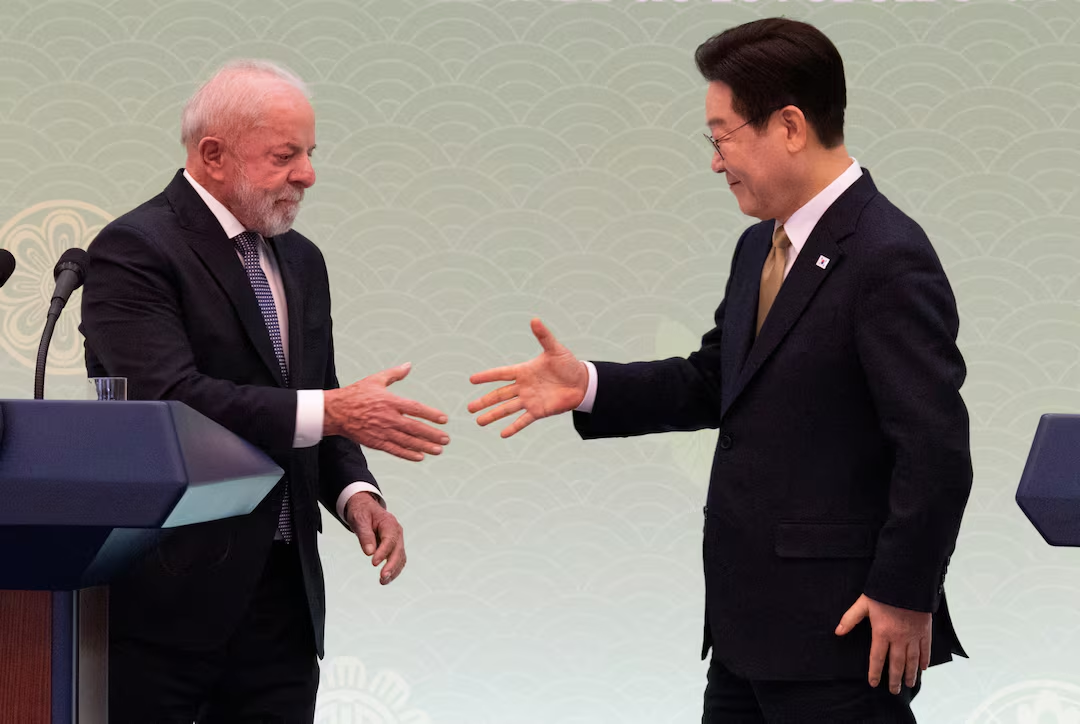
Brazilian consumers may soon find it easier to access popular “K-beauty” products following agreements reached on Monday during President Luiz Inacio Lula da Silva’s state visit to South Korea. Lula and South Korean President Lee Jae Myung signed a series of accords in Seoul spanning agriculture, trade, and broader business cooperation. Among the agreements, Lee highlighted a memorandum of understanding aimed at strengthening regulatory cooperation in the health sector, a move expected to reduce barriers for South Korean skincare and cosmetic products entering the South American market. Lee said the deal would make K-beauty products “even more accessible to Brazilian consumers.” South Korea has become a global force in the cosmetics industry, exporting skincare products worth billions of dollars annually, while Brazil ranks among the world’s largest beauty markets. At a joint press conference, Lee disclosed that annual trade between the two countries now exceeds $10 billion and announced that both nations had agreed to upgrade their ties to a strategic partnership. Lee also praised Lula’s personal resilience ahead of the summit, noting that both leaders rose from challenging childhoods to national leadership. Lee once worked in a sweatshop to support his family, while Lula left school early and survived through street trading and manual jobs. Commending Lula’s political journey, Lee described him as a symbol of democracy’s power to drive social and economic development, adding that Brazil’s continued progress under his leadership was assured. Lula was imprisoned in 2018 on corruption charges but later released after a court ruled that the judge overseeing the case had been biased. During the visit, Lee’s office hosted Lula and his wife, Rosângela, with a ceremonial welcome, including a decorative cake featuring the couple. Brazil remains one of South Korea’s most important trading partners in South America, with both countries seeking to deepen economic and diplomatic cooperation.

zz-13-1280x755.jpg

2min5780
The United States government on Sunday advised its citizens in parts of Mexico to remain indoors following outbreaks of violence, road blockades, and flight disruptions triggered by the killing of a senior cartel leader by Mexican troops. In a notice issued by the Consular Affairs division of the US State Department on social media platform X, Americans were urged to shelter in place until further notice due to extensive security operations, blocked highways, and criminal activity across several regions. The advisory noted that road closures had disrupted air travel, leading to the cancellation of multiple domestic and international flights at airports in Guadalajara and Puerto Vallarta. Mexican authorities confirmed that Nemesio Oseguera, the 59-year-old head of the Jalisco New Generation Cartel, was wounded during a confrontation with soldiers in the town of Tapalpa and later died while being airlifted to Mexico City. He had been one of the country’s most wanted figures, with a $15 million bounty offered by the United States. Canada also issued guidance to its citizens, saying it was closely monitoring developments and advising Canadians in Mexico to maintain a low profile and comply with instructions from local authorities. Ottawa specifically urged residents and travellers in the states of Michoacán, Guerrero, and Jalisco to remain indoors amid reports of gun battles with security forces and explosions. The unrest prompted several airlines to suspend operations to affected destinations. Major US carriers including United, American, Southwest, and Alaska along with Canadian airlines Air Canada and WestJet/Sunwing, cancelled flights to cities such as Puerto Vallarta, Guadalajara, and Manzanillo. Some aircraft were forced to turn back mid-flight. Southwest Airlines confirmed that four of its flights bound for Puerto Vallarta were diverted and said it plans to send planes to retrieve stranded passengers and crew once conditions stabilise.

zz-12.jpg

2min9190
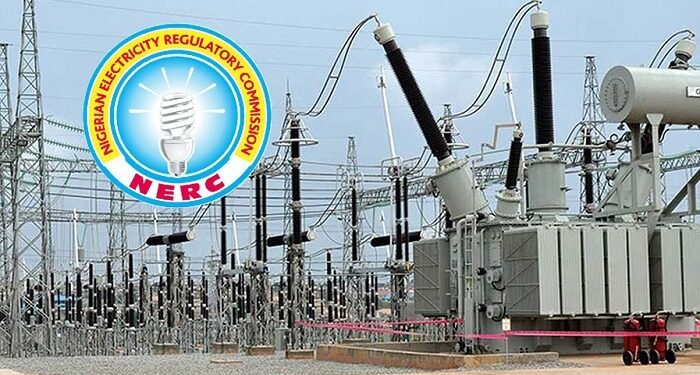
The Nigerian Electricity Regulatory Commission has released a safety advisory urging members of the public to keep a safe distance from live electrical wires and to avoid touching anyone who is in contact with electricity. In a message shared on its official X account on Monday, the commission stressed that electricity poses severe risks and that attempting to rescue a victim without proper precautions could lead to additional injuries or loss of life. The commission warned that while the instinct to help may be strong, touching a victim with bare hands or attempting to pull them away from a live source can cause the electric current to pass through the rescuer as well. NERC highlighted key safety steps, advising the public to never touch live wires or affected individuals directly, to keep a safe distance while ensuring others do the same, and to immediately contact the nearest electricity distribution company or emergency responders. Residents were encouraged to act with caution and allow trained professionals to handle electrical emergencies, noting that adherence to these guidelines can prevent further accidents and save lives. The advisory forms part of the commission’s continued efforts to raise awareness about electrical safety and reduce incidents linked to fallen power lines and other electrical hazards. The public was also encouraged to share the information widely to help protect communities.

Tech & Tools Desk23 February 2026
zz-20.webp

4min4210
A new government was inaugurated in the Netherlands on Monday, with 38-year-old centrist Rob Jetten taking the oath of office as the country’s youngest-ever prime minister and its first openly gay leader. Jetten secured a dramatic victory in October’s election, overturning an early deficit to narrowly defeat the far-right Freedom Party led by Geert Wilders. The snap poll followed the collapse of the previous coalition after Wilders’ party withdrew, ending what had been the most right-leaning government in Dutch history after just 11 months. Jetten’s Democrats 66 (D66) formed a governing alliance with the centre-right Christian Democratic Appeal (CDA) and the liberal People’s Party for Freedom and Democracy (VVD). Together, the coalition controls 66 seats—nine short of an outright parliamentary majority. Coalition talks lasted 117 days, significantly shorter than the 223 days required to form the outgoing administration. Following his win, Jetten said populist movements could be defeated through “a positive message for your country.” During the campaign, he emphasised restoring the Netherlands’ central role in Europe, arguing that European cooperation is essential to national success. In a joint manifesto released in January, the coalition partners pledged full backing for Ukraine and committed to meeting NATO defence spending targets. Despite being less hardline than its predecessor, the new administration still carries what analysts describe as a “right-wing signature.” Sarah de Lange, a political science professor at Leiden University, noted that the coalition plans to fund investments through budget cuts rather than deficit spending and that its immigration policies largely mirror those of the previous government. The coalition intends to tighten migration rules, including stricter family reunification requirements, and to reduce certain social benefits, such as unemployment support, to help finance defence and military spending. However, with no parliamentary majority, the government will depend on opposition backing to pass legislation, a factor De Lange said could slow the pace of major reforms. Jetten and his ministers were formally sworn in by King Willem-Alexander at Huis Ten Bosch in The Hague. Although Jetten initially favoured a broader alliance that included the left-leaning GroenLinks–PvdA bloc, this option was strongly opposed by VVD leader Dilan Yeşilgöz. Wilders, whose party shocked Europe with an election breakthrough in 2023, suffered a sharp decline at the polls. The PVV fell from 37 seats to 26 after a campaign widely viewed as underwhelming. While it finished second overall, coalition parties had ruled out working with Wilders, leaving him excluded from government. Other far-right groups made gains, however. Forum for Democracy, led by 28-year-old Lidewij de Vos, won four seats on a platform opposing what it called uncontrolled immigration and the European Union. The hard-right JA21 party also surged, picking up eight seats and coming close to joining the cabinet before being blocked by Jetten’s camp.

James Obasi23 February 2026
zz-19.webp

9min5150
Fresh questions, anxiety, and uncertainty have intensified within key oil and gas institutions following President Bola Tinubu’s executive directive mandating the immediate transfer of oil and gas revenues into the Federation Account for distribution among the three tiers of government. The order, which effectively ends the retention of certain internally generated revenues by sector agencies, has unsettled officials at the Nigerian Upstream Petroleum Regulatory Commission, the Nigerian National Petroleum Company Limited, and the leadership of the Midstream and Downstream Gas Infrastructure Fund. Industry operators and experts say the core concern lies in the absence of a clearly defined alternative funding framework for the NUPRC after oil and gas royalties were redirected to the Federation Account. They argue that relying on traditional budgetary allocations approved by the National Assembly would undermine the regulator’s independence and operational efficiency. Stakeholders warned that subjecting the commission to annual budget approvals and capital releases through the Ministry of Finance could expose it to bureaucratic delays, political interference, and funding uncertainty, potentially weakening its oversight, monitoring, and enforcement responsibilities in the upstream sector. There are also unresolved questions about how the government plans to sustain and improve Nigeria’s Reserve Replacement Ratio, especially as funding arrangements for frontier exploration activities remain unclear. Concerns have further emerged regarding the future roles and operational scope of Frontier Exploration Services and the Midstream and Downstream Gas Infrastructure Fund, particularly as Nigeria targets crude oil production of about three million barrels per day by 2030 and seeks to attract over $12bn in annual investments. Senior officials at the NUPRC, who spoke anonymously due to restrictions on public commentary, maintained that the Petroleum Industry Act intentionally established a statutory funding structure to insulate the commission from such constraints and ensure swift decision-making in a highly technical sector. They referenced provisions of the Act that empower the commission to recruit staff and set competitive remuneration aligned with industry standards, enabling it to attract and retain highly skilled professionals. According to them, the new directive could compromise the commission’s ability to maintain salary parity with international oil companies. Officials noted that the commission paid approximately N88bn in staff salaries and allowances in 2024 and generated about N322.8bn in 2025 from its four per cent cost-of-collection mechanism, which serves as a primary source of operational funding. One senior official questioned whether an executive directive could override provisions of an Act passed by the National Assembly, stressing that the cost-of-collection framework is a statutory funding mechanism rather than a discretionary privilege. He warned that without a clear alternative funding source, the commission’s ability to finance salaries, inspections, monitoring activities, logistics, and staff welfare could be severely affected. Returning the regulator to conventional envelope budgeting, he added, would expose it to delays that could undermine efficiency. Another senior source cautioned that funding instability could have broader implications beyond administrative challenges. He warned that weakening regulatory capacity in a sector already exposed to oil theft and pipeline vandalism could create security risks and operational vulnerabilities. He also expressed concern over the suspension of frontier exploration funding, questioning how the government intends to expand reserves and de-risk frontier basins under the new framework. While acknowledging that the government would ultimately need to fund the regulator, he said uncertainty remains over how this would be achieved and how frontier exploration would be sustained going forward. Concerns at NNPC Similar unease has been reported within the NNPC, particularly regarding the long-term reform agenda and ongoing discussions about a possible stock exchange listing. Officials raised questions about how the revenue reallocation would apply to royalties, fees, and production-based payments, which vary by crude type, production level, and contract structure. Senior executives warned that the directive could disrupt production sharing contract operations, affect staff deployment, and send negative signals to investors, especially in deepwater projects. One official said between 400 and 500 personnel are dedicated daily to managing and overseeing PSC operations across 39 sites, including production monitoring, cost verification, and compliance. He warned that changes to the current framework could undermine oversight mechanisms critical to cost efficiency and transparency. The official argued that the Petroleum Industry Act was designed to attract deepwater investment and that sudden policy shifts risk creating the impression that laws can be altered without legislative debate. He also clarified that royalties and taxes under PSCs are paid in kind rather than cash, with crude oil lifted and sold before proceeds are remitted to the Federation Account—a process already in place since the PIA took effect. He cautioned that altering this arrangement could create operational confusion, especially since NNPC acts as the government’s concessionaire in commercial agreements. The official also raised concerns about crude-backed loans, noting that some production volumes are already pledged for debt servicing, and questioned how repayment obligations would be met under the new directive. According to him, policy uncertainty could weaken investor confidence, particularly as Nigeria pursues multiple deepwater developments. He called for broad stakeholder engagement to clarify the intent and mechanics of the directive and explore alternative revenue-enhancing strategies without destabilising the sector. Another senior NNPC official adopted a more optimistic stance, saying the company remains stable and capable of adapting to the revised fiscal framework. He said investment priorities and capital allocation were already under review to align with policy changes, while assuring that production, gas processing, and ongoing projects would continue without disruption. Mixed reactions from stakeholders Beyond regulatory agencies, the Midstream and Downstream Gas Infrastructure Fund is also expected to be affected, with internal reviews underway to assess how the directive impacts its revenue and remittance structure. Meanwhile, petroleum marketers welcomed the executive order, describing it as a decisive step toward fiscal discipline, transparency, and accountability. They argued that centralised remittance would strengthen public oversight, improve fiscal stability, and reposition NNPC as a more commercially driven entity. Labour unions, however, expressed concern. The Nigeria Union of Petroleum and Natural Gas Workers called for an urgent stakeholders’ meeting, citing anxiety among workers over job security, welfare, and the implementation of the

James Obasi22 February 2026
aa-18.jpg

4min3750
US President Donald Trump has announced plans to raise his proposed global tariffs to 15%, intensifying his trade stance after the Supreme Court struck down his previous import taxes. On Friday, Trump said he would replace the scrapped tariffs with a 10% levy on all goods entering the United States. However, a day later, he declared on Truth Social that the rate would be increased to 15% the maximum permitted under Section 122 of the Trade Act of 1974, a provision that has never previously been used. The law allows the tariffs to remain in place for up to five months before congressional approval is required. While the original 10% levy was scheduled to take effect on Tuesday, 24 February, it remains unclear whether the revised 15% rate will begin on the same date. Trump said the decision followed what he described as a “ridiculous, poorly written, and extraordinarily anti-American” Supreme Court ruling. In a 6-3 judgment, the court found that he had exceeded his authority when he introduced sweeping global tariffs last year under the 1977 International Emergency Economic Powers Act (IEEPA). The US has already collected at least $130bn (£96.4bn) in tariffs under IEEPA, according to recent government data. Trump, whose trade policy is central to his economic agenda, has argued that tariffs will encourage domestic manufacturing and reduce the US trade deficit. However, official figures released this week show the trade deficit widening by 2.1% compared with 2024, reaching approximately $1.2 trillion (£890bn). The proposed 15% tariff would apply broadly to most imported goods, although certain products including critical minerals, metals and pharmaceuticals are expected to be exempt. Separate tariffs on steel, aluminium, lumber and automotive parts introduced under other trade laws remain unaffected by the court’s decision. The move has created uncertainty for countries such as the UK and Australia, which had previously agreed to a 10% tariff arrangement with the US. A White House official indicated that countries with trade agreements could still be subject to the new global rate under Section 122, though sector-specific arrangements may remain intact. Reactions have been mixed. Some US manufacturers expressed disappointment over the court’s ruling, while others, including farming representatives, welcomed it as a blow to the president’s trade policy. Business groups have warned that the shift could complicate global trade and weaken economic growth. There are also growing calls for clarity on whether companies will receive refunds for tariffs deemed unlawful by the Supreme Court a matter the court did not address directly. Trump has suggested that any refunds would likely face lengthy legal battles. Meanwhile, lawmakers and business associations are pressing the administration for details on how it intends to handle potential reimbursements. The development marks a significant escalation in Trump’s trade strategy and sets the stage for further legal and political battles over US tariff policy.