Category: Refined Living

zz-29.webp

4min4670
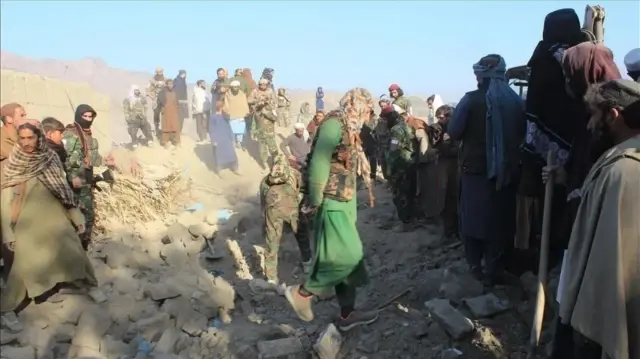
Pakistan carried out air strikes on several Afghan cities, including the capital Kabul, on Friday, as tensions escalated following months of cross-border clashes. Islamabad’s defence minister described the situation as an open confrontation between the two neighbouring countries. Journalists in Kabul and Kandahar reported hearing explosions and fighter jets overhead through the night, as Pakistani aircraft struck targets in the capital and in southern Afghanistan, a stronghold of the Taliban authorities. The strikes followed an attack by Afghan forces on Pakistani border troops late Thursday, which Islamabad said was in response to earlier air operations conducted by Pakistan. Relations between Pakistan and Afghanistan have sharply deteriorated in recent months, with most land border crossings remaining closed since deadly fighting in October that left more than 70 people dead on both sides. Pakistan has accused Afghanistan of failing to take action against militant groups operating from its territory, an allegation denied by the Taliban government. Many recent attacks inside Pakistan have been claimed by the Tehreek-e-Taliban Pakistan (TTP), which has intensified its operations since the Afghan Taliban returned to power in Kabul in 2021. Pakistan’s Information Minister, Attaullah Tarar, said strikes were carried out against Taliban defence-related targets in Kabul, Paktia province, and Kandahar. Defence Minister Khawaja Asif later said Pakistan’s restraint had ended and described the situation as a direct confrontation with the Taliban authorities. Security analyst Michael Kugelman said the strikes represented a serious escalation, noting that Pakistan appeared to have expanded its focus beyond the TTP to include the Taliban government itself. Previous attempts to de-escalate tensions, including talks facilitated by Qatar and Turkey, failed to yield a lasting ceasefire. After repeated violations, Saudi Arabia recently intervened to help secure the release of three Pakistani soldiers captured in October. Saudi Foreign Minister Prince Faisal bin Farhan also held talks on Friday with Pakistan’s Foreign Minister Ishaq Dar, while Iran offered to help facilitate dialogue between the two sides. Both Afghan and Pakistani officials said dozens of soldiers were killed in the latest round of fighting, which followed earlier Pakistani strikes and repeated clashes along the border. Pakistan’s Prime Minister Shehbaz Sharif said the country’s armed forces were fully capable of responding to any threats. In Kabul, residents reported jets, explosions, and gunfire over several hours before dawn. Streets remained largely quiet after daybreak, consistent with Friday observances during Ramadan. Taliban authorities confirmed the air strikes but said there were no casualties. Earlier, Taliban spokesman Zabihullah Mujahid announced large-scale border operations in response to what he described as repeated violations by Pakistani forces. Afghanistan’s defence ministry said eight of its soldiers were killed during ground fighting, while local officials reported several civilians wounded near the Torkham border crossing, including refugees returning from Pakistan. The border has remained mostly closed since October, though Afghan returnees have been permitted to cross. The latest violence follows Pakistani strikes earlier this month on eastern Afghan provinces that, according to the United Nations mission in Afghanistan, killed at least 13 civilians. Both countries have also experienced a series of deadly attacks in recent months, including bombings claimed by Islamic State Khorasan in Islamabad and Kabul.

Tech & Tools Desk27 February 2026
zz-2.png

3min5260
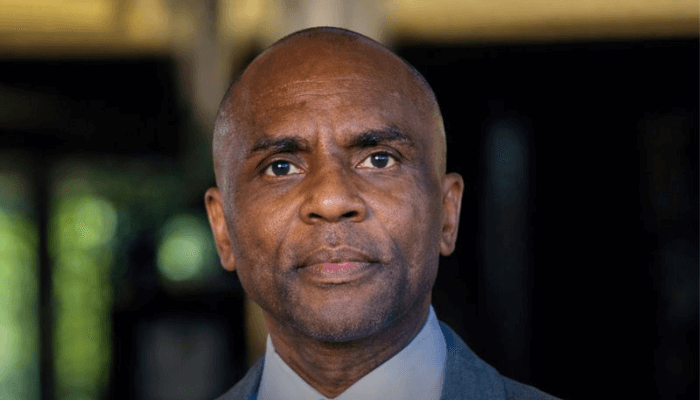
A former official of Nigerian National Petroleum Corporation Limited (NNPC), Paulinus Iheanacho Okoronkwo, has been sentenced to 87 months in prison in the United States after being found guilty of receiving a $2.1 million bribe from a Swiss oil firm while serving at Nigeria’s state-owned oil company. Okoronkwo, 58, also known as “Pollie,” was ordered to pay $923,824 in restitution to the Internal Revenue Service and to forfeit $1,039,997, representing proceeds from the sale of a property linked to laundering the illicit funds. The sentence was imposed by US District Judge John F. Walter after a four-day trial in August 2025, according to a statement released on Thursday by the United States Department of Justice. According to court filings, a jury convicted Okoronkwo on three counts of transactional money laundering, one count of tax evasion, and one count of obstruction of justice. His legal troubles began in January 2024, when prosecutors in the Central District of California charged him with multiple offences, including conducting financial transactions involving proceeds of unlawful activity, evading taxes, and obstructing a federal investigation. A dual US–Nigerian citizen, Okoronkwo practised law in Los Angeles in the areas of immigration, family, and personal injury while simultaneously serving as General Manager of NNPC’s Upstream Division a position that made him a foreign public official with fiduciary obligations to the Nigerian government. Prosecutors said that in October 2015, Addax Petroleum, a subsidiary of Sinopec, transferred $2,105,263 to an Interest on Lawyers’ Trust Account belonging to Okoronkwo’s law firm. Although the payment was described as consultancy fees for negotiating drilling rights in Nigeria, authorities alleged it was intended to secure favourable terms for Addax’s oil operations. Investigators further found that documents associated with the transaction contained a fictitious Lagos address to obscure its true purpose. Portions of the funds were later routed through IPO Capital LLC and used for personal expenses, including the purchase of a vehicle and a residential property in Valencia, California. Okoronkwo was also found to have failed to declare the $2.1 million on his 2015 federal tax return. In June 2022, prosecutors said he obstructed justice by falsely telling investigators that the funds were client monies rather than income used for property purchases. Following the case, Okoronkwo was dismissed from NNPC now operating as NNPCL and his law licence was suspended by the State Bar of California in January 2026.

Ifunanya Okafor27 February 2026
zz-27.jpg

2min6230
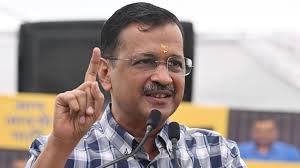
An Indian court on Friday acquitted the former chief minister of Delhi in a long-running corruption case that he had described as politically motivated by the ruling party. Opposition Aam Aadmi Party leader Arvind Kejriwal served as Delhi’s chief minister until he lost the 2025 elections while the case was still underway. Kejriwal, 57, had spent several months in custody after his arrest in March 2024 over allegations that his administration accepted kickbacks linked to the allocation of liquor licenses. He became emotional as he exited the courtroom following the verdict. “Truth has prevailed,” Kejriwal said after the ruling, alleging that Prime Minister Narendra Modi and Home Minister Amit Shah had pursued the case for political reasons. The Delhi court dismissed all charges against Kejriwal, his former deputy Manish Sisodia, and 21 other defendants. A prominent critic of Modi, Kejriwal has consistently denied any wrongdoing. In February 2025, Rekha Gupta of the Hindu-nationalist Bharatiya Janata Party was elected chief minister of Delhi, a megacity with a population exceeding 30 million. Kejriwal began his professional life as a tax official before leaving public service to lead an anti-corruption movement that brought him national recognition. In recent years, several opposition figures critical of Modi have faced criminal investigations or trials, including two sitting state chief ministers. In August 2025, the government introduced legislation allowing the removal of politicians who are arrested and detained for 30 days, a proposal critics said could undermine constitutional protections.

Tech & Tools Desk26 February 2026
zz-28.webp

3min6090
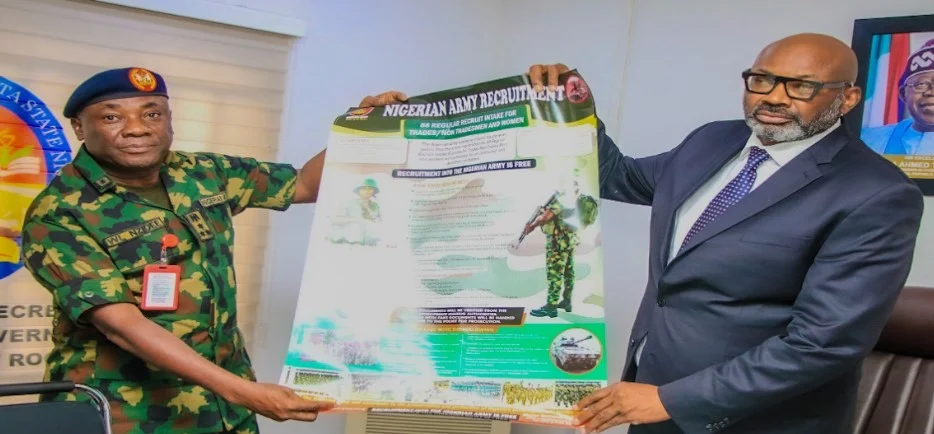
The Delta State Government has urged eligible indigenes to apply for the 78th Regular Course intake at the Nigerian Defence Academy, as the institution’s online application portal is now open. The announcement was made in a statement on Wednesday by Dr. Fred Latimore Oghenesivbe, Director General of the Delta State Bureau for Orientation and Communications. “The state government is encouraging qualified Deltans to seek admission into this prestigious military institution,” the statement said. “This initiative is part of broader efforts to strengthen the state’s representation within the Armed Forces of Nigeria.” Oghenesivbe highlighted that the NDA’s comprehensive academic and military training programmes align with the MORE Agenda championed by Governor Sheriff Oborevwori, which focuses on quality education, wealth creation, and employment generation. The statement confirmed that the application window for the 78th Regular Course is open and will close on Thursday, 30th April 2026. Admissions are open to both male and female candidates of Delta State origin, as well as other qualified Nigerians. Prospective applicants are advised to complete their submissions via the official NDA portal at www.ndaapplications.net⁠. Entry requirements include a minimum of five credit passes in relevant subjects, including English Language and Mathematics, from GCE, SSCE (WAEC/NECO), or equivalent examinations. Candidates must also register for and sit the 2026 Unified Tertiary Matriculation Examination (UTME), selecting the NDA as their first-choice institution. Eligibility for the Screening Test Admission Card and further screening requires a minimum UTME score of 210 for Engineering courses, and 180 for Arts, Social Sciences, and Sciences. Successful applicants will undergo a rigorous five-year programme combining military and academic training as Officer Cadets. Graduates will receive an Honours Degree (B.Sc., B.Eng., or B.A.) in their chosen discipline and a Presidential Commission into the Armed Forces of Nigeria. “The Delta State Government encourages all qualified Deltan youths to seize this opportunity to pursue a distinguished and rewarding career in the military, serving the nation with pride and honour,” the statement concluded.

Ifunanya Okafor26 February 2026
zz-26.jpg

2min6720
Brazil has halted imports of dried and fermented cocoa beans from Ivory Coast, the world’s largest cocoa producer, amid ongoing challenges in the sector and declining exports. The country’s agriculture ministry issued a decree this week suspending shipments, citing concerns over potential pests or diseases in beans from Ivory Coast, including the risk that they may contain “grains from neighboring countries.” The suspension will remain in effect until Ivoirian authorities provide assurances that exports do not include cocoa from neighboring nations “whose phytosanitary status is unknown and whose shipment to Brazil is unauthorized,” the ministry said. Brazil produced nearly 300,000 tonnes of cocoa in 2024, according to the national statistics agency, and imported 42,000 tonnes of raw and roasted cocoa from Ivory Coast in 2025. The Federation of Agriculture and Livestock in Bahia, a key cocoa-producing state in Brazil, said the decision followed a technical mission conducted in Ivory Coast earlier this month. Ivory Coast is currently struggling to sell its cocoa due to a slowdown in exports caused by buyers’ liquidity issues and a global price slump. The World Bank notes that one in five people in the country relies indirectly on cocoa for their livelihood.

zz-25.jpg

2min5650
The United States Department of Justice on Wednesday announced the arrest of a former United States Air Force fighter pilot accused of illegally providing training to members of the Chinese military. The suspect, Gerald Brown, 65, was taken into custody in Indiana after recently returning to the United States from China, where he had been living since December 2023, according to a statement from the Justice Department. Brown is alleged to have conspired with foreign nationals to deliver combat aircraft training to pilots in the Chinese Air Force without obtaining the required authorization from the US State Department. Confirming the arrest, Kash Patel, director of the Federal Bureau of Investigation, said the operation involved coordinated efforts by the FBI and its partners, describing the case as a significant national security matter. Court filings state that Brown served 24 years in the US Air Force, during which he held command roles involving sensitive units, including those linked to nuclear weapons delivery systems. He also flew combat missions and worked as a fighter pilot and simulator instructor on several fighter and attack aircraft platforms. After retiring from military service in 1996, Brown reportedly worked as a cargo pilot before later becoming a US defense contractor, training pilots on aircraft such as the A-10 and the advanced F-35 fighter jet. Investigators allege that in August 2023, Brown entered into contract negotiations with Stephen Su Bin, a Chinese national who previously served a four-year prison sentence in the United States following a separate espionage case. Brown is said to have travelled to China in December 2023 to commence the training assignment. An official from the FBI’s Counterintelligence and Espionage Division, Roman Rozhavsky, said China continues to seek out the expertise of current and former US military personnel to advance its defence capabilities. He added that the arrest underscores the determination of US authorities to hold accountable anyone who collaborates with adversaries in ways that threaten national security or endanger American service members.

zz-27-1280x720.webp

4min3810
Seoul’s KOSPI climbed to another record high on Thursday amid mixed trading across global markets, as investors weighed a strong lead from Wall Street against a muted reaction to better-than-expected earnings from chip giant Nvidia. Asian technology stocks have enjoyed a powerful start to the year as investors reassess their exposure to artificial intelligence. Market focus has shifted toward “upstream” players such as chipmakers, moving away from “downstream” firms that specialise in software and applications. This rotation reflects growing unease over the vast sums invested in AI and questions about when meaningful returns will materialise, alongside concerns that rapid advances in the technology could disrupt other industries. Despite the cautious tone, Seoul surged more than three per cent to a new peak, just a day after crossing the 6,000-point mark for the first time. Gains were driven by a 7.1 per cent jump in Samsung Electronics and an 8.2 per cent rise in rival SK Hynix. The Kospi is now up nearly 50 per cent for the year. Markets in Tokyo also reached fresh records, while Sydney, Wellington, Manila, Bangkok and Jakarta posted gains. By contrast, Hong Kong, Singapore and Mumbai edged lower, with Shanghai and Taipei ending flat. In Europe, London and Frankfurt opened lower, while Paris recorded modest gains. Investor optimism was somewhat dampened by Nvidia’s earnings report. Although the company posted record revenue of $68.1 billion for the October–December quarter and forecast first-quarter revenue well above expectations, its shares slipped in after-hours trading in New York. Analysts said lofty expectations had left little room for further upside. Stephen Innes of SPI Asset Management noted that simply beating forecasts is no longer enough for markets. “The market is no longer pricing growth; it is pricing perpetuity,” he said. Saxo’s Charu Chanana added that investors are now demanding proof of monetisation and disciplined spending, rather than just heavy investment. She said this shift explains why volatility around AI-related stocks could persist even after strong results from industry leaders. Wall Street futures for all three major indexes were lower after a strong rally the previous day. In currency markets, the yen recovered some ground against the dollar after reports that Japanese Prime Minister Sanae Takaichi had nominated two academics viewed as policy doves to the board of the Bank of Japan. The move followed earlier reports that she had expressed concerns to central bank governor Kazuo Ueda about further interest rate hikes. Key market moves Tokyo – Nikkei 225: Up 0.3% at 58,753.39 (close) Hong Kong – Hang Seng Index: Down 1.4% at 26,381.02 (close) Shanghai – Composite: Flat at 4,146.63 (close) London – FTSE 100: Down 0.3% at 10,774.79 Dollar/Yen: 156.05, down from 156.46 Euro/Dollar: $1.1816, up from $1.1805 Pound/Dollar: $1.3548, down from $1.3554 WTI crude: Up 0.1% at $65.48 per barrel Brent crude: Up 0.1% at $70.95 per barrel New York – Dow Jones: Up 0.6% at 49,482.15 (close)

zz-24.jpg

4min6430
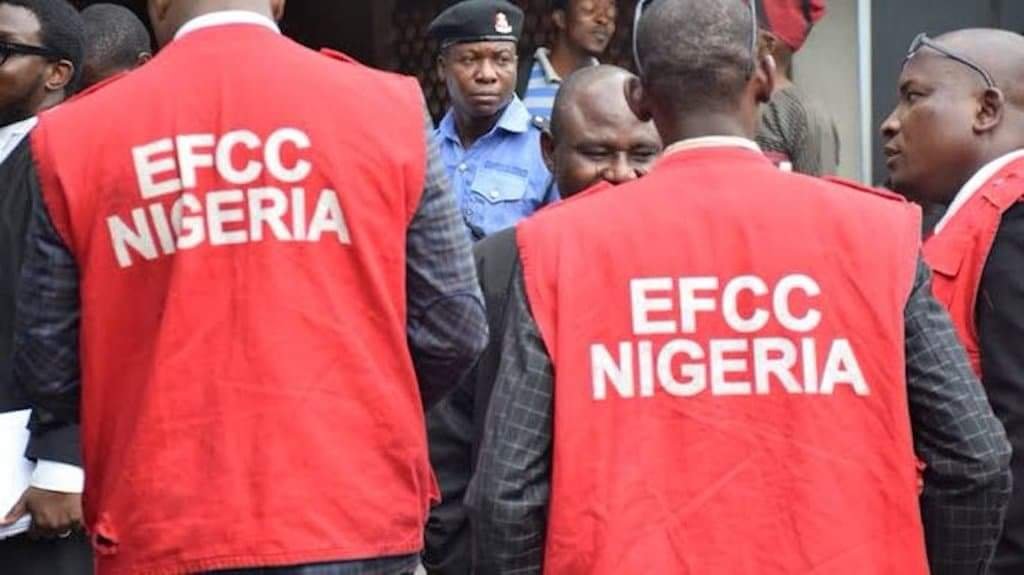
A prosecution witness from the Department of State Services on Wednesday explained to the Federal High Court in Abuja how investigators analysed a mobile phone and Facebook account belonging to one Moses Oddiri over alleged defamatory publications against the Chairman of the Economic and Financial Crimes Commission, Ola Olukoyede. The witness, Yusuf Adams, who described himself as a DSS officer attached to the Economic Intelligence and Investigation Department, appeared before Justice Joyce Abdulmalik as the prosecution’s first witness. Adams told the court that he encountered the defendant while investigating a petition submitted by the EFCC. He said the petition, received on September 23, 2025, alleged that Oddiri had circulated false claims on social media accusing the EFCC chairman of embezzling more than ₦4 billion. The funds were said to be royalties released by Heritage Operational Services Limited for the Orogun Community in Delta State and allegedly recovered by the commission. “Following the petition, my director directed my team and me to investigate the matter,” Adams said. He disclosed that Oddiri was arrested in Lagos on November 10, 2025, and taken to the DSS office for questioning. According to him, the interview was audio-visually recorded in the presence of a legal aid counsel, and the defendant made a voluntary statement under caution. Adams further testified that investigators examined the defendant’s Facebook account and downloaded several videos in which Oddiri allegedly accused the EFCC chairman of diverting the ₦4 billion royalty payment meant for the Orogun Community. He added that the team also requested bank records and incorporation documents from the Corporate Affairs Commission relating to community development entities operating OML 30 in Delta State. The witness said investigators obtained a copy of a letter of admonition issued by the EFCC in response to an earlier petition by the defendant, which had accused the EFCC chairman and was addressed to the UK’s Serious Fraud Office. He also said the DSS reviewed a demand letter from Wahab Shittu (SAN), counsel to the EFCC chairman, seeking a retraction of the allegations. “We subsequently submitted a preliminary report to our superior,” Adams told the court, adding that further information was later requested from the Nigerian Upstream Petroleum Regulatory Commission in line with the report’s recommendations. Earlier, prosecution counsel, C.S. Orubor, informed the court that the matter was scheduled for the commencement of trial and hearing of the defendant’s bail application, stating that the prosecution was ready to proceed. However, defence counsel, M. Adeniran, opposed the start of trial, arguing that he had not been granted access to his client, who remained in DSS custody. He said the lack of access had hindered adequate preparation for the defence and would prejudice the defendant if proceedings continued. The defendant also addressed the court, saying his counsel had not been properly briefed on the facts of the case. The prosecution countered the objection, insisting that all relevant materials had been duly served on the defence. After confirming that the charge had been properly served and endorsed, Justice Abdulmalik ordered that the trial should proceed. The case was adjourned until March 13, 2026, for continuation of trial and hearing of the bail application. Oddiri is standing trial on a two-count charge relating to alleged cybercrimes under Section 24(1) of the Cybercrimes (Prohibition, Prevention, etc.) (Amendment) Act, 2024. The charges stem from alleged Facebook posts and a letter accusing the EFCC chairman and the managing director of Heritage Energy Operational Services Limited of conspiring to divert more than ₦4 billion belonging to the Orogun oil-producing community in Delta State.

Tech & Tools Desk26 February 2026
zz-4.avif

3min6630
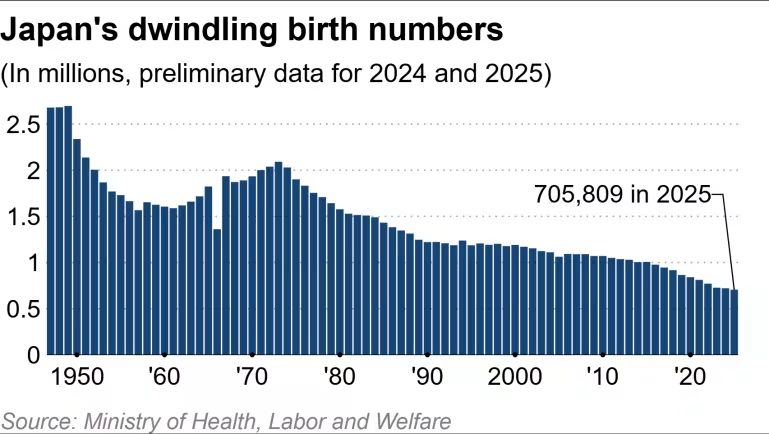
Japan recorded a decline in births for the 10th consecutive year in 2025, according to official data released on Thursday, underscoring the demographic challenges confronting Prime Minister Sanae Takaichi. Preliminary figures from the health ministry showed that 705,809 babies were born during the year, representing a 2.1 per cent drop from 2024. The data covers births to Japanese citizens within the country, children born in Japan to foreign nationals, and babies born overseas to Japanese parents. Marriage numbers, however, showed a modest rise, with 505,656 couples tying the knot in 2025—an increase of 1.1 per cent. Divorces declined by 3.7 per cent to 182,969 cases. Deaths also fell slightly, down 0.8 per cent, or 13,030, to 1,605,654. Meanwhile, the internal affairs ministry estimated Japan’s population at 122.86 million as of February, a decrease of 580,000 people, or 0.47 per cent, compared with the previous year. As the world’s fourth-largest economy, Japan continues to grapple with one of the lowest birth rates globally, alongside a rapidly ageing and shrinking population. The trend has contributed to labour shortages, rising social security costs, and a shrinking tax base, further straining public finances. Japan already carries the highest debt-to-GDP ratio among major economies. Recent figures indicate that nearly 100,000 people in the country are aged 100 or older, with women accounting for almost 90 per cent of that group. Rural areas have been particularly hard hit, with an estimated four million homes now abandoned. Studies suggest that more than 40 per cent of municipalities face the risk of disappearing altogether. Successive administrations, including that of Takaichi—the nation’s first female prime minister have pledged to boost birth rates, but results have been limited. In an unconventional effort, Tokyo’s metropolitan government introduced a dating app that requires users to provide proof they are single and to sign a declaration expressing intent to marry. “The declining birth rate and shrinking population are a quiet state of emergency that will gradually erode our country’s vitality,” Takaichi told parliament last week. Her ruling Liberal Democratic Party secured a two-thirds majority in snap elections held on February 8. While analysts note that higher immigration could help offset population decline and ease labour market pressures, Takaichi has promised stricter immigration policies amid pressure from the “Japanese first” Sanseito party. The government said on Thursday that it is working to strengthen the economy and ease the financial burden of childcare on working families. Deputy Chief Cabinet Secretary Masanao Ozaki acknowledged some progress but admitted that the downward trend in births has yet to be reversed, stressing that economic strength remains a key factor in addressing the issue.

James Obasi26 February 2026
zz-23.jpg

6min5360
The National Universities Commission has introduced new guidelines to regulate the conferment and use of honorary doctorate degrees in Nigeria, citing growing concerns over their indiscriminate award and misuse across the Nigerian University System. In a public notice shared on its official X page on Thursday, the Commission said the guidelines were approved under its statutory powers as provided by the Education (National Minimum Standards and Establishment of Institutions) Act, CAP E3, Laws of the Federation of Nigeria, 2004. According to the notice, the Commission observed a troubling rise in the unchecked conferment and improper use of honorary doctorate degrees, prompting the approval of comprehensive rules to guide their award and usage nationwide. The NUC explained that the new framework is intended to standardise the conferment process, uphold academic integrity, and protect the credibility and international standing of Nigeria’s university system. All universities and degree-awarding institutions were directed to comply strictly with the provisions, with a warning that regulatory sanctions would be applied to institutions or individuals found in breach. The Commission further clarified that honorary doctorate degrees whether awarded locally or internationally—are purely honorary and should not be treated as equivalent to earned academic doctorates. It described them as non-earned distinctions conferred honoris causa to recognise exceptional merit, outstanding public service, scholarly or creative achievements, or other significant contributions aligned with the values of the awarding institution. Executive Secretary of the NUC, Prof. Abdullahi Yusufu Ribadu, said the guidelines were developed in line with established academic traditions in Nigeria, including resolutions of the Association of Vice-Chancellors of Nigerian Universities as outlined in the Keffi Declaration of 2012, as well as inputs submitted by universities in December 2025. He noted that the framework aims to provide clear policy direction, strengthen institutional practices, and promote transparency and accountability in the award and use of honorary doctorate degrees. The Commission said the guidelines followed an investigation that uncovered widespread abuse of honorary doctorate titles. The probe, which covered 61 institutions and professional bodies, reportedly identified 32 entities operating as honorary degree mills, including unaccredited foreign universities, unlicensed local institutions, and professional bodies without degree-awarding authority. Some were also found to be issuing fake professorial titles. The NUC warned that recipients of honorary doctorates must not use the title “Dr,” which is reserved for holders of earned PhDs or medical degrees, and must not use such honours to practise as academics, supervise research, or manage academic units. NUC-Approved Guidelines on Honorary Doctorate Degrees Institutional eligibility: Only approved public or private universities may award honorary doctorates in Nigeria. Maturity requirement: Only universities that have produced their first set of PhD graduates are eligible. Purpose of the award: To recognise exceptional and sustained contributions that reflect institutional values and promote diversity. Criteria: Selection criteria must be clear, transparent, and inclusive, with balanced representation across gender, nationality, discipline, and other considerations. Procedures must be published on the institution’s official website. Recipient eligibility: Self-nominated candidates and serving elected or appointed public officials are not eligible. Confidentiality: The nomination process must remain confidential until approved by the University Senate and Governing Council. Nomination process: All nominations must be handled by the appropriate statutory committee. Approval: Senate and Governing Council approval is mandatory. Number of awards: No more than three honorary doctorates may be awarded at any convocation. Nomenclature: All awards must carry the designation Honoris Causa, e.g., Doctor of Science (Honoris Causa), D.Sc. (h.c.). Conferment: Awards must be conferred in person, except in exceptional cases where virtual, in-absentia, or posthumous conferment may apply. No fees: Awards must be granted without any fee or expectation of payment. Usage: Recipients may use the approved honorary designation but must not use the title “Dr” or deploy the award for academic, professional, or administrative authority. Additional provisions include mandatory orientation for recipients on proper usage, regular publication of recipients’ names on institutional websites to promote transparency, and the establishment of revocation mechanisms where a recipient is found guilty of fraud or conduct inconsistent with institutional values. The Commission reaffirmed that the guidelines align with the Keffi Declaration of 2012 and stressed that strict compliance is mandatory, warning again that sanctions will apply to any institution that violates the approved framework.