
Category: Refined Living

zz-17.webp

4min3730
Meta CEO Mark Zuckerberg testified Wednesday that he reached out to Apple CEO Tim Cook in 2018 to explore potential collaboration focused on the “wellbeing of teens and kids.” During proceedings at the Los Angeles Superior Court, defense attorneys presented an email exchange between the two executives from February 2018. Zuckerberg told the court he believed there were opportunities for Meta and Apple to work together to improve safety for young users. “I care about the wellbeing of teens and kids who are using our services,” Zuckerberg said, as defense lawyers sought to demonstrate that he took proactive steps to address youth safety including engaging a corporate rival. The testimony is part of a closely watched trial that some experts have compared to the tech industry’s “Big Tobacco” moment. The case centers on allegations that social media platforms contributed to mental health harms, particularly among young users. A key focus of the trial has been Instagram’s use of digital beauty filters. Zuckerberg acknowledged internal debates over whether such features — especially cosmetic surgery filters could negatively affect teenage girls. While experts raised concerns, Zuckerberg said the company ultimately weighed the issue against principles of free expression. “I genuinely want to err on the side of giving people the ability to express themselves,” he testified. Lawyers cited a study from the University of Chicago in which 18 experts concluded that beauty filters can harm teenage girls. Zuckerberg responded that while he takes such feedback seriously, he did not believe there was sufficient causal evidence to justify a permanent ban. He added that internal disagreement at Meta is encouraged and common. The lawsuit stems from claims by a young woman who alleged she became addicted to platforms including Instagram and YouTube. Plaintiffs argue that companies such as Meta, YouTube, TikTok and Snap misled the public about the safety of their products. Zuckerberg pushed back on suggestions that Meta’s goal was to maximize time spent on Instagram. While internal documents referenced engagement milestones, he said these were benchmarks used to measure competitiveness, not directives to encourage excessive usage. The court also examined issues related to underage users. Instagram requires users to be at least 13 years old, but documents presented in court suggested millions of underage children may have accessed the platform. Zuckerberg noted that some users misrepresent their age and said Meta removes accounts identified as underage. At several points, Zuckerberg suggested that stronger age verification may be better handled by companies operating mobile systems and app stores, such as Apple and Google. The trial, which began in late January, is one of several high-profile cases this year examining the social media industry’s impact on young people. Meta has denied the allegations, maintaining that the jury must determine whether Instagram was a substantial factor in the plaintiff’s mental health struggles.

Zara Lianne19 February 2026
zz-16.webp

3min5680
The Lagos State Government has urged auditors to prioritise precise and thorough documentation in carrying out their responsibilities. This call was made at the opening of a three-day capacity-building workshop for internal auditors from Lagos State’s Ministries, Departments, and Agencies, aimed at strengthening audit practices and promoting accountability in the public sector. The Special Adviser to Governor Babajide Sanwo-Olu on Internal Audit, Dr Oyeyemi Ayoola, officially inaugurated the workshop on Tuesday at Cordia Hotel, CBD, Alausa, Ikeja. In her opening remarks, Ayoola highlighted the workshop theme, “Audit Documentation Excellence: Ensuring Accuracy, Traceability & Professional Integrity,” as highly relevant, noting the pivotal role auditors play in risk management and compliance with government controls. She emphasised that internal audit reports form the primary basis for external audits and annual evaluations, underlining the importance of meticulous report writing. The Permanent Secretary of the Office of Internal Audit, Monsurat Alaka, described the training as a strategic initiative designed to enhance the accuracy, integrity, and quality of audit documentation across the Lagos State Public Service. She explained that the workshop equips participants with the knowledge, practical skills, and professional standards required for effective audit practices. Alaka noted that the programme aligns with commitments made during the General Meeting in December 2025, which stressed the need for structured and continuous capacity building for internal auditors. She added that accurate audit documentation is essential for good governance, as it provides verifiable evidence, fosters transparency, and strengthens the credibility of audits. She stated, “The strength of any audit lies not only in its findings but in the integrity, accuracy, and reliability of its documentation. Accuracy ensures reliability, traceability guarantees accountability, and professional integrity sustains public trust.” Alaka further reminded participants of their critical role in promoting transparency, accountability, and prudent management of public resources, stressing that excellence in documentation is fundamental, not optional. She encouraged participants to make full use of the workshop and share the knowledge gained with colleagues in their respective MDAs to maintain uniform standards and reinforce the state’s audit system. The training consultant, Dr Olusola Olowoyeye, Chief Business Officer of Arkounting Professional Services, expressed confidence that attendees would be better prepared to support government objectives by ensuring value for money through effective oversight and improved efficiency. He also highlighted the importance of digital skills in modern auditing, noting their role in improving report quality and supporting informed decision-making. Participants, including Adeyemi Adeeko, Olawunmi Segun-Adegboyega, and Ajose Oluwafunke, praised the State Government for investing in their professional development. They described the workshop as timely and impactful, providing hands-on experience and practical insights to enhance professionalism, efficiency, and the timely execution of their duties.

zz-15.webp

5min5370
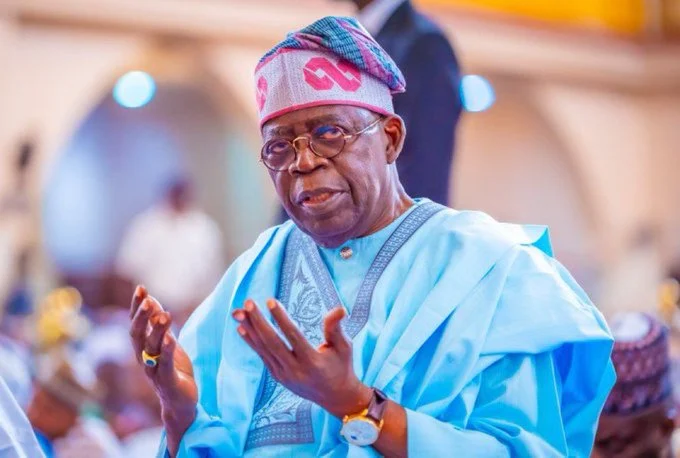
President Bola Tinubu and Vice President Kashim Shettima have set up no fewer than 46 committees since taking office in May 2023, with budgetary provisions and identifiable expenditures on these panels exceeding N13bn in under three years. A review of budget documents covering 2023 to 2026, alongside federal payment records from GovSpend, shows that N12.99bn was earmarked for the operations of long-standing presidential committees. In addition, at least N105.97m in traceable payments was made to individuals and firms providing services to specific ad hoc panels. Combined spending of about N13.1bn represents roughly 62 per cent of the N21.17bn reportedly spent on presidential committees over a seven-year period between 2018 and 2025. On average, committee-related expenses under the current administration amount to N4.37bn annually, higher than the N3bn yearly average recorded between 2018 and 2022. Most of the committees established since 2023 are ad hoc bodies created to address specific policy issues within defined timeframes. Others are statutory committees with permanent secretariats that receive annual allocations under the Office of the Secretary to the Government of the Federation. Budget records indicate that in 2023, N3.73bn was allocated to these standing committees, covering political officers and bodies such as the Presidential Advisory Committee, the Presidential Technical Committee on Land Reforms, the Advisory Committee on the Prerogative of Mercy, the Presidential Enabling Business Environment Council, the Standing Committee on Private Jetties, and the Standing Committee on Inventions and Innovations. In 2024, total allocations stood at N2.96bn. This included N2.58bn for Political Officers and Standing Committees, N50m for the Private Jetties committee, N89.29m for Inventions and Innovations, N10.73m for the Presidential Advisory Committee, N221.3m for the Land Reforms committee, and N9.8m for the Prerogative of Mercy panel. Funding increased again in 2025 to N3.24bn, with the Land Reforms committee receiving N478.45m—more than twice its 2024 allocation. Other provisions included N2.58bn for Political Officers and Standing Committees, N65m for Private Jetties, N89.29m for Inventions and Innovations, N15.38m for the Presidential Advisory Committee, and N8m for the Prerogative of Mercy committee. For 2026, allocations totalled N3.06bn, made up of N2.58bn for Political Officers and Standing Committees, N418m for the Land Reforms committee, N45.5m for Private Jetties, and N15.37m for the Presidential Advisory Committee. Beyond budgetary provisions, GovSpend data identified six specific payments made for ad hoc committee operations between May 2023 and December 2025, amounting to N105.97m. The earliest payments, dated May 31, 2023, included N46.64m to Shale Atlantic Intercontinental Services Limited and N21.72m to Good News Creative Ideas Limited as consultancy fees for a presidential committee reviewing earlier salary-related reports. Additional payments included N5.02m in December 2023 for office consumables for the Presidential Committee on Trade Malpractices, N19m paid as honoraria to members of the Presidential Committee on the Transfer of Technology, N7.52m for printing committee reports in March 2024, and N6.07m disbursed in December 2025 for administrative costs linked to the Trade Malpractices committee. These figures reflect only expenditures traceable through official government payment systems. Since assuming office, the President and Vice President have relied heavily on committees to address a wide range of policy challenges. Within weeks of inauguration, committees were formed to respond to organised labour demands following fuel subsidy removal, overhaul fiscal and tax policies, manage palliatives, reform livestock management, mitigate flooding, revitalise industry, assess policing reforms, coordinate climate and human capital initiatives, and tackle economic and security issues. In 2024 and 2025, dozens more committees were created across sectors such as agriculture, education, health, infrastructure, energy, youth development, sanitation, digital governance, and electoral politics. Some of these committees have delivered tangible outcomes, including tax reforms that led to the passage of four Tax Reform Acts, a revised national minimum wage framework, and policy proposals on state policing. However, critics argue that the growing reliance on committees has become an expensive form of political patronage, questioning the overall impact relative to the resources committed. Government officials had yet to respond publicly to concerns raised over the scale and cost of the committees at the time of reporting.

zz-5.jpg

2min4520
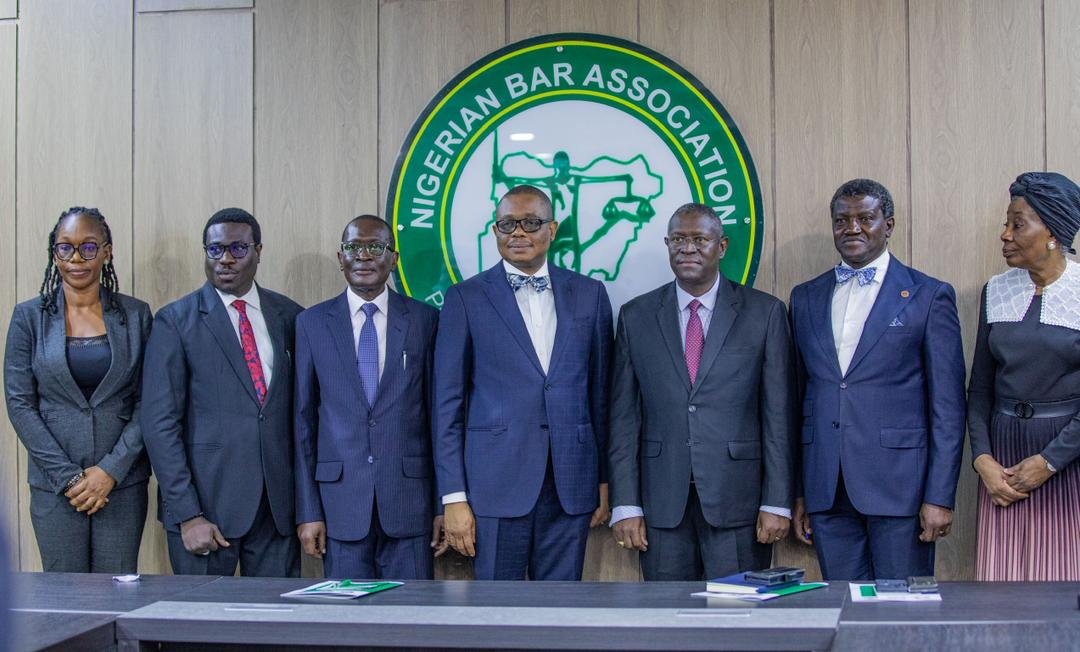
The President of the Nigerian Bar Association, Afam Osigwe (SAN), on Monday received the President of the Court of the Economic Community of West African States, Justice Ricardo Gonçalves, at the NBA National Secretariat in Abuja, where both leaders raised concerns over the poor enforcement of court judgments in the West African sub-region. Justice Gonçalves was accompanied by other judges and senior registry officials for the meeting, which centred on ways to improve compliance with ECOWAS Court rulings by member states. Osigwe stressed that the authority of the judiciary goes beyond delivering judgments and depends largely on the assurance that such decisions will be respected and implemented. He warned that when court rulings are repeatedly ignored, the integrity of the justice system is undermined, noting that enforcement remains the backbone of effective adjudication. According to him, even the most carefully reasoned judgments lose their value if they are not enforced. He also assured the regional court of the NBA’s willingness to work closely with it to develop strategies that would strengthen compliance and reinforce respect for its decisions. In his remarks, Justice Gonçalves described enforcement as a critical institutional challenge, cautioning that weak implementation mechanisms could gradually weaken public trust in regional judicial bodies. He called for stronger cooperation among the judiciary, the legal profession, the executive arm of government, and civil society to ensure timely execution of ECOWAS Court judgments, saying this was vital to preserving the court’s credibility and authority across the sub-region. Both the NBA and the ECOWAS Court expressed confidence that continued engagement and coordinated efforts would improve compliance and help protect the court’s standing in West Africa.

zz-14-1280x853.webp

2min9620
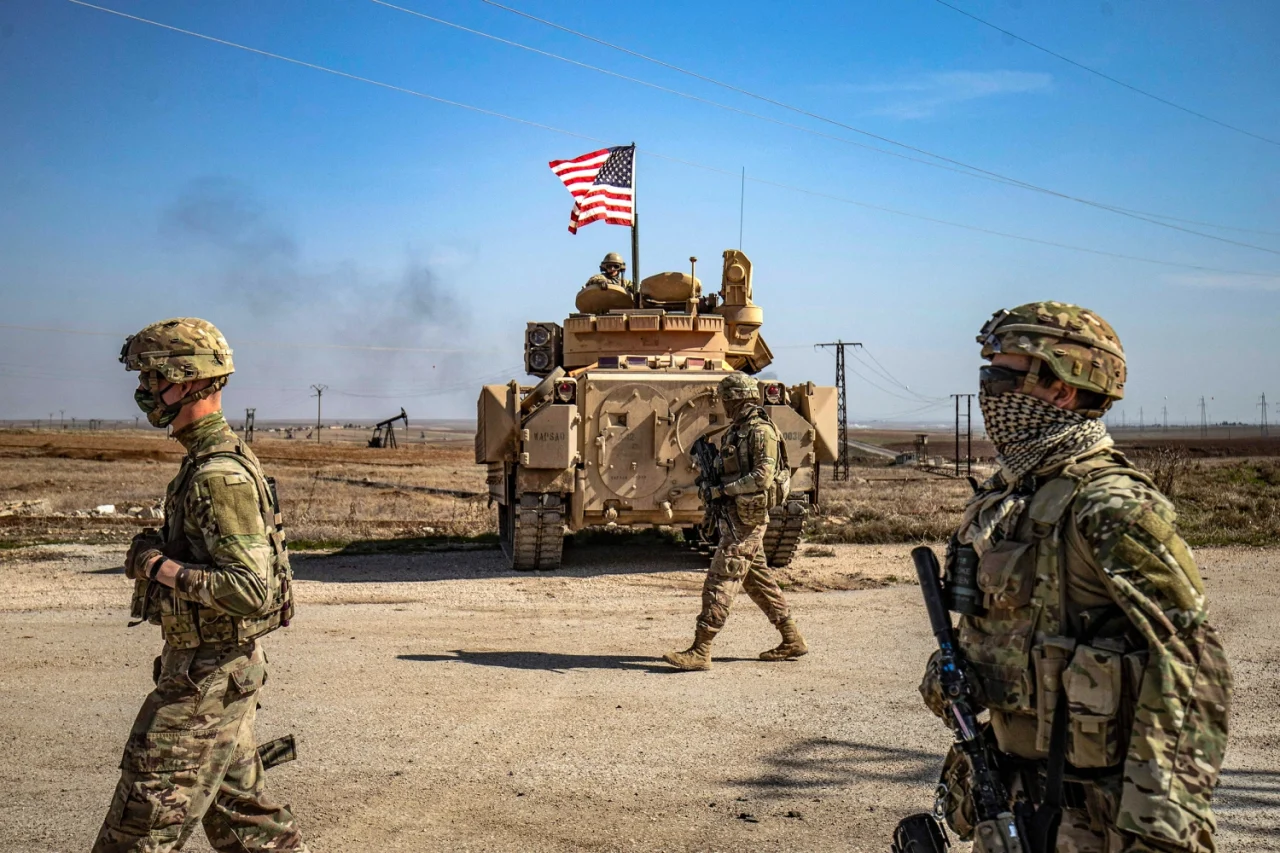
The United States is reportedly preparing to pull out its remaining 1,000 troops from Syria within the next two months, according to American media reports. The move would mark the end of Washington’s military presence in the country, following the Syrian government’s consolidation of control and a commitment by the Kurdish-led Syrian Democratic Forces previously central to the fight against Islamic State—to integrate into state institutions, the Wall Street Journal reported. The plan was also confirmed by CBS, citing unnamed US officials. The development follows the recent withdrawal of US forces from several Syrian bases, including Al-Tanf and Al-Shadadi, which had been key locations for the US-led coalition’s operations against Islamic State. In recent months, Washington has increased engagement with Syria’s new leadership after the fall of Bashar al-Assad in late 2024. During this period, thousands of Islamic State detainees were reportedly transferred from Syrian prisons to secure facilities in Iraq. At the same time, the United States has been strengthening its military posture near Iran, amid warnings from Iranian officials of possible retaliation against American forces in the region. US media also reported on Wednesday that Washington could be ready to carry out strikes against Iran as early as this weekend, although a final decision has reportedly not yet been made. The Pentagon has not issued an official response to the reports.

Tech & Tools Desk19 February 2026
zz-4.jpg

3min3980
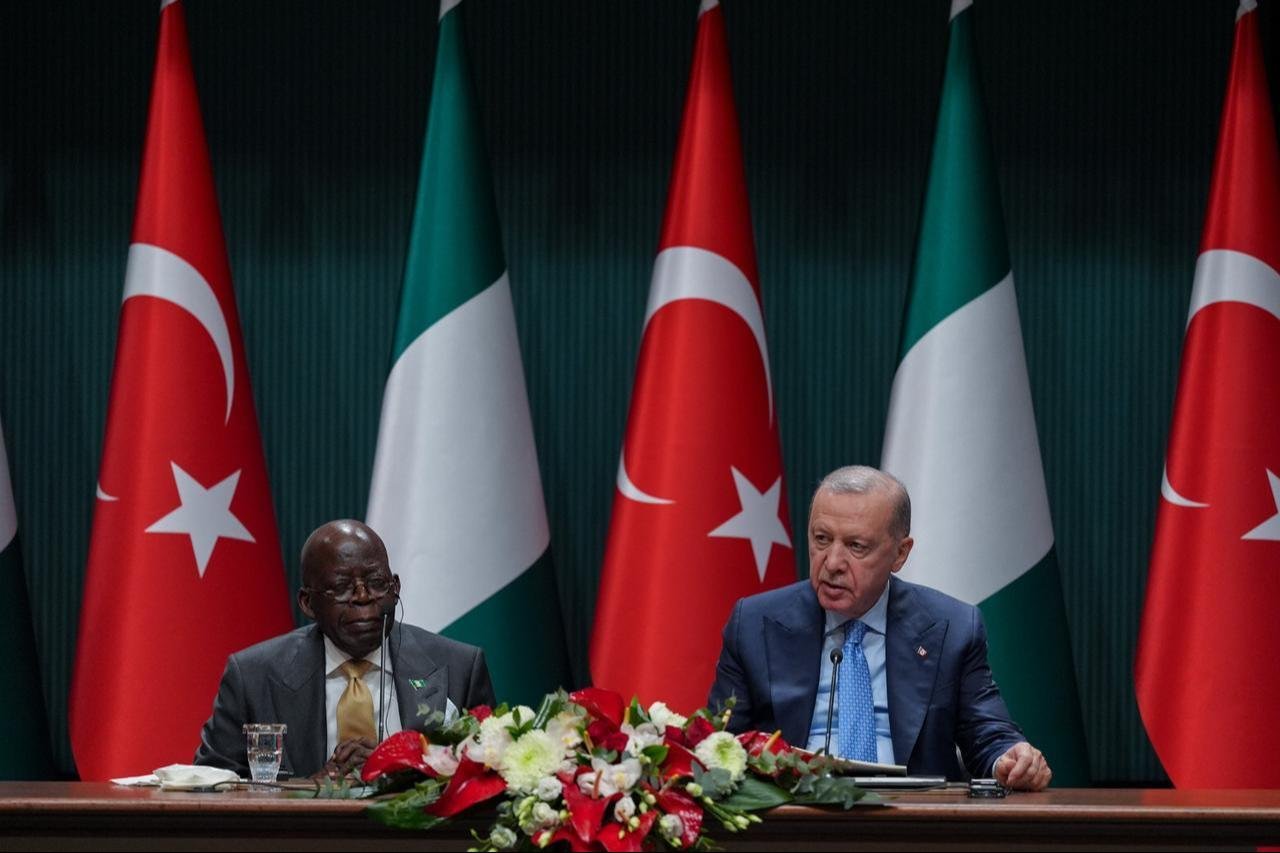
The Turkish Ambassador to Nigeria, Mehmet Poroy, has said Türkiye places special importance on Nigeria because both countries face similar security challenges, particularly in the fight against terrorism. Poroy stated this during an interview in Abuja on Wednesday, noting that Ankara and Abuja share a common interest in developing effective counterterrorism strategies. He explained that Türkiye has spent years combating different terrorist groups and has built substantial experience and capacity in the process, which it is prepared to share with Nigeria. According to him, this support would include expertise, resources, and defence capabilities. The ambassador stressed that Nigeria’s success in tackling terrorism is vital not only for the country but also for the stability of West Africa and the African continent at large. From Türkiye’s perspective, Poroy said Nigeria is unique because both nations are confronting comparable security threats. He noted that while Türkiye has dealt with several terrorist organisations over the years, Nigeria is also battling groups such as Boko Haram and ISWAP, making cooperation both natural and necessary. He revealed that Türkiye has significantly developed its defence industry as part of efforts to address insecurity within its borders and the wider region. This progress, he said, has strengthened its armed forces and helped reduce terrorist threats, adding that similar collaboration could benefit Nigeria through close defence industry partnerships. Poroy said Türkiye is already working with Nigerian authorities to strengthen military cooperation, in line with assurances from the Turkish leadership that Nigeria has Ankara’s full support in its fight against terrorism. He added that beyond supplying military equipment and critical systems, Turkish companies are also partnering with Nigerian institutions on joint local production initiatives. Beyond security, the envoy said Nigeria’s economic standing also makes it an important partner. He described Nigeria as West Africa’s largest economy and one of Africa’s biggest, noting that such a position commands global attention. He further highlighted Nigeria’s population of over 230 million people, its economic potential, and the strong case for expanding bilateral trade and investment. According to him, Türkiye views Nigeria as a key strategic partner on the continent and intends to deepen cooperation. Poroy recalled that relations between both countries date back to the 16th century, during interactions between the Ottoman Empire and the Kanem-Bornu Empire. He added that Türkiye’s decision to open an embassy in Nigeria shortly after independence underscored the long-standing value it places on the relationship. He said the renewed engagement builds on recent high-level contacts, including President Bola Tinubu’s visit to Türkiye, which further strengthened commitments in security and economic cooperation.

Zara Lianne19 February 2026
zz-3.jpg

5min3800
Entry immigration system for 2026, aimed at drawing in highly skilled professionals, addressing labour shortages, and strengthening long-term economic growth. The update was announced on Thursday by the Minister of Immigration, Refugees and Citizenship, Lena Diab, as part of the federal government’s International Talent Attraction Strategy, according to information published on the website of Immigration, Refugees and Citizenship Canada. Diab said the reforms are intended to bring greater balance and oversight to the immigration system while ensuring newcomers are well positioned to contribute to the economy from the outset. She explained that the government is placing strong emphasis on attracting and retaining global talent capable of supporting Canada’s future, noting that the effectiveness of immigration policy depends largely on how newcomers are selected. Under the strategy, the Express Entry system remains central to Canada’s approach to skilled immigration. The online platform manages applications for three permanent residence pathways: the Canadian Experience Class, the Federal Skilled Worker Program, and the Federal Skilled Trades Program. Through category-based invitation rounds, candidates with skills and experience aligned with priority sectors are selected to help meet economic and workforce demands. The government said immigration targets will continue to follow a structured framework that reflects labour market needs, provincial priorities, and humanitarian commitments. Existing priority categories retained Current Express Entry categories will remain in place for healthcare and social service professionals such as nurse practitioners, pharmacists, dentists, psychologists, and chiropractors. Skilled trades, including carpenters, plumbers, and machinists, as well as STEM professionals like engineers and cybersecurity specialists, will also continue to receive priority consideration. Proficiency in French remains an important selection factor, highlighting the government’s support for Francophone communities outside Quebec. New priority categories for 2026 Several additional categories have been introduced to respond to changing economic and national security priorities. These include foreign medical doctors with Canadian work experience, offering them a clearer route to permanent residence to help ease healthcare shortages. Researchers and senior managers with Canadian experience have also been added to support innovation and growth, alongside a $1.7 billion federal initiative aimed at attracting top global researchers. Transport professionals—such as pilots, aircraft mechanics, and inspectors have been prioritized due to their role in trade, supply chains, and economic stability. In addition, skilled military recruits, including doctors, nurses, and pilots with job offers from the Canadian Armed Forces, are now included to support national defence objectives. Tighter eligibility rules Eligibility requirements have been strengthened, with the minimum work experience threshold raised from six months to 12 months for most occupational groups, including healthcare, STEM, social services, and trades. This experience must have been obtained within the last three years, either in Canada or abroad. Cooks have been removed from the list of eligible trade occupations and will no longer qualify under Express Entry draws. Francophone immigration focus The government is also intensifying efforts to attract French-speaking immigrants outside Quebec. Canada has surpassed its Francophone immigration targets for the fourth year in a row, with nearly 9% of admissions outside Quebec in 2025. For 2026, the target is more than 30,000 Francophone newcomers annually, with an ambition to reach 12% by 2029. Predictability and economic benefits Diab stressed that a stable and predictable immigration system supports employers, provinces, and local communities. By prioritizing candidates whose skills match economic needs, the government aims to reduce labour shortages, improve access to healthcare, support housing and infrastructure development, and encourage innovation in areas such as artificial intelligence and cybersecurity. The first Express Entry invitation rounds under the new categories are expected shortly, beginning with foreign medical doctors and other healthcare professionals. Candidates will continue to be assessed using a points-based system that considers education, skills, language proficiency, and work experience, ensuring alignment with labour market priorities. Through these changes, Canada says it is working to build a more resilient workforce, attract global talent, and promote sustainable economic growth while maintaining fairness, transparency, and public confidence in its immigration system.

Zara Lianne18 February 2026
zz-13.webp

2min13870
The Federal Judicial Service Commission has appointed Yahaya Yakubu Shafa Esq. as Acting Chief Registrar of the Federal High Court, following the elevation of the former Chief Registrar, Suleiman Hassan, to the Bench. Shafa’s appointment was approved at the commission’s 98th meeting on January 22, 2026, and became effective on February 17, 2026. In a statement on Tuesday, Dr. Catherine Christopher, Director of Information for the Federal High Court of Nigeria, said the move reflects the judiciary’s commitment to stability and continuity in its administrative leadership. “The appointment of the Acting Chief Registrar underscores the court’s dedication to maintaining continuity, efficiency, and stability in its administration,” the statement noted. A Fellow of the Chartered Institute of Arbitrators, Shafa is a seasoned judicial administrator and legal practitioner with over 18 years of experience in the justice sector. Prior to this appointment, he served as Executive Secretary of the Nasarawa State Judicial Service Commission, where he played a key role in judicial administration, policy coordination, and institutional development. The court expressed confidence that Shafa’s extensive experience would strengthen its operations. “His background in court administration, legal practice, and institutional reforms is expected to enhance the administrative machinery of the Federal High Court and support the efficient delivery of justice,” the statement added. Management and staff of the Federal High Court congratulated Shafa on his appointment and wished him a successful tenure. They also commended Suleiman Hassan on his elevation to the Bench, praising his service and leadership during his tenure as Chief Registrar. “The management and members of staff of the Federal High Court congratulate Mr. Suleiman Amida Hassan on his well-deserved elevation and commend his service as he hands over the administrative leadership of the court,” the statement concluded.

zz-10.webp

4min3460
Former Kaduna State Governor Nasir El-Rufai spent a second night in the custody of the Economic and Financial Crimes Commission (EFCC) on Tuesday, as his lawyer, A.U. Mustapha (SAN), pressed for his release on bail. There are indications that the EFCC may seek a remand order to extend his detention to allow investigators more time to question him. El-Rufai arrived at the EFCC headquarters in Abuja on Monday around 10 a.m. for questioning in connection with an alleged ₦432 billion corruption probe, but was kept in custody as investigators continued their inquiries. An EFCC source, speaking on condition of anonymity, confirmed that the commission was considering obtaining a remand order after the 48-hour period allowed by law to ensure investigators could complete their questioning. The source emphasized that claims circulating on social media about his release were false. “He remains with us and will continue to do so while investigators consider requesting a remand order. They need time to address issues arising from his eight-year tenure as governor of Kaduna State,” the source said. El-Rufai’s lawyer, Mustapha, confirmed in a telephone conversation that his client was cooperating fully with investigators and described him as a responsible citizen who is not a flight risk. “Mr. El-Rufai honoured the EFCC’s invitation voluntarily and is cooperating to the best of his ability. We trust that the EFCC, given its integrity, will consider granting him bail, as he is presumed innocent and will comply with any conditions,” Mustapha said. He declined to comment on the specific allegations, noting that only the EFCC could provide details. The allegations stem from a report by a legislative committee chaired by Henry Zacharia, which claimed that several loans during El-Rufai’s administration were misused. The report, presented by Speaker Yusuf Dahiru Leman, alleged that about ₦423 billion was misappropriated and recommended investigation and prosecution of El-Rufai and some former cabinet members for abuse of office, diversion of public funds, money laundering, irregular contract awards, and reckless borrowing. El-Rufai has denied all allegations, calling the investigation politically motivated, and stated that loans during his tenure were properly used for infrastructure, education, healthcare, and security. An EFCC source noted that the commission has been investigating the matter for about a year, adding that suspects are typically invited after investigations reach an advanced stage. Separately, the Department of State Services (DSS) has filed criminal charges against El-Rufai at the Federal High Court in Abuja over alleged unlawful interception of the National Security Adviser Nuhu Ribadu’s phone communications. The three-count charge, filed under the Cybercrimes (Prohibition, Prevention, etc.) Amendment Act, 2024, and the Nigerian Communications Act, 2003, alleges that El-Rufai admitted during a February 13, 2026, TV interview that he and associates unlawfully intercepted Ribadu’s communications. The charges also claim he failed to report knowledge of the interception and allegedly used technical equipment in a manner that compromised public safety and national security. El-Rufai is yet to be arraigned.

zz-2.jpg

3min4030
Peru’s Congress on Tuesday removed interim president Jose Jeri, the country’s seventh leader in a decade, following allegations of corruption. The 39-year-old was accused of irregularly approving the employment of several women within his administration and of possible graft linked to a Chinese businessman. Jeri, who assumed office in October, succeeded Dina Boluarte, who herself was ousted amid widespread protests over corruption and escalating violence tied to organised crime. Prosecutors last week launched an inquiry into whether the president exerted improper influence in government appointments. Jeri has denied all allegations, maintaining his innocence. Formerly the head of Peru’s unicameral legislature, Jeri was appointed to complete Boluarte’s term, which runs until July, after national elections scheduled for April 12. Under the constitution, he was not eligible to contest the presidency. His tenure was overshadowed by claims from an investigative television programme that several women were improperly hired in the presidential office and the environment ministry after meeting with him. Prosecutors later said the number involved was nine. Jeri is also being investigated over alleged “illegal sponsorship of interests” linked to a private meeting with a Chinese businessman said to have commercial dealings with the government. Some analysts have suggested political manoeuvring played a role in his impeachment, coming just weeks before elections that have drawn a record number of more than 30 candidates. Among the most vocal critics calling for his removal was Rafael López Aliaga of the right-wing Popular Renewal party, who is currently leading opinion polls. Congress is now expected to elect a new parliamentary leader on Wednesday. The individual chosen will automatically assume the role of interim president until July. Four lawmakers have declared their candidacy, including María del Carmen Alva, a former speaker of Congress. She faces competition from left-leaning legislator José Balcázar, veteran socialist Edgar Raymundo, and Héctor Acuña, whose party has faced corruption allegations. Political analyst Augusto Álvarez warned that finding a replacement with broad legitimacy would be difficult, citing concerns over inefficiency and persistent corruption within the current Congress. Peru has now seen seven presidents since 2016, many of whom have been impeached, investigated, or convicted of wrongdoing. The country is also battling a surge in violent extortion, which has killed dozens of people, particularly public transport drivers targeted when companies refuse to pay protection money. Official figures show reported extortion cases have risen more than tenfold in just two years, climbing from 2,396 to over 25,000 by 2025