
Category: Refined Living

TAX.jpg

4min3910
The Federal Government has called on state governments, especially Ondo State, to scrap nuisance and illegal taxes through the implementation of the newly enacted tax reform laws and the adoption of a State Tax Harmonisation Law. The appeal was made on Monday by the Chairman of the Presidential Fiscal Policy and Tax Reforms Committee, Prof. Taiwo Oyedele, during a public lecture in Akure held as part of activities marking Ondo State’s 50th anniversary. Oyedele noted that the Federal Government began implementing the new tax policy on January 1, 2026, and urged states to align their fiscal systems with the reforms. He said states should fully apply the new tax reform laws and establish a harmonised tax framework to address multiple and illegal taxation. He added that Ondo State could also host the National Tax Ombud Office for the South-West to champion taxpayer rights and protection. According to him, the state could further strengthen accountability by introducing an annual Tax Accountability Report for taxpayers and developing a comprehensive tax and fiscal policy to guide revenue generation, spending and debt management. Oyedele also emphasised the need to strengthen fiscal transparency at the local government level, urging councils to prepare economic development plans and publicly disclose their budgets and audited accounts. He said each local government should establish a dedicated portal on the state website to share long-term plans, annual budgets and financial statements. Also speaking at the event, the Special Adviser to President Bola Tinubu on Energy, Mrs Olu Arowolo-Verheije, said the President remained committed to supporting Ondo State in unlocking its development potential. She highlighted several ongoing federal projects in the state, including sections of the Lagos–Calabar Coastal Highway, the Akure–Ore dual carriageway, the Akure–Ado Ekiti Road and the Federal University of Technology Teaching Hospital in Akure. She also said the Ondo Deep Sea Port project at Araromi was progressing steadily, noting that Governor Lucky Aiyedatiwa had recently secured a revalidated licence for the port. When completed, she said, it is expected to become West Africa’s deepest seaport, with a natural draught of about 18 metres. In his keynote address, Governor Lucky Aiyedatiwa said Ondo State had recorded steady progress across various sectors over the past five decades and expressed confidence in its future. He said the state’s development would be driven by economic diversification, technology and innovation, human capital development and strong institutions. The governor highlighted projects such as the Sunshine Free Trade Zone, the Golden Ceramics Industrial Plant, the Ethanol Plant in Ore and the Ondo Deep Sea Port as evidence of the state’s commitment to industrialisation, job creation and attracting investment. He added that tourism was being repositioned as a key growth sector, while continued investment in education, skills acquisition and youth empowerment would remain central to the state’s development agenda.

WAEC-1280x744.png

4min4740
No fewer than 300 secondary school students from across Kwara State have benefited from the 2026 West African Senior School Certificate Examination (WASSCE) scholarship programme of the Muhydeen Okunlola Kayode Foundation. The scholarship presentation ceremony took place on Saturday at the Offa Grammar School Auditorium in Offa Local Government Area, with beneficiaries selected from public secondary schools across the three senatorial districts of the state. The foundation’s WAEC Scholarship is an annual initiative designed to expand access to education, promote academic excellence and ensure that financial challenges do not prevent students from sitting for the examination. Speaking at the event, the foundation’s Executive Director, Saheed Lawal, said the number of beneficiaries was increased this year in line with the organisation’s continued commitment to education and youth development. He explained that the programme began in 2024 with support for 130 students, expanded to 200 beneficiaries in 2025, and has now reached 300 students statewide. Lawal said the steady expansion reflects the vision of the foundation’s founder, Alhaji Muhydeen Okunlola Kayode, to ensure that no child is denied educational opportunities due to financial hardship. He added that the initiative goes beyond numbers, offering hope, motivation and confidence to students to pursue bigger aspirations, noting that education remains a powerful tool for societal change. The 2026 scholarship programme, themed “Continuing the Journey, Lighting the Path to Brighter Futures,” forms part of the foundation’s broader efforts to support underprivileged students in Kwara State. Delivering a lecture at the ceremony, the Director of Weakypedia Linchpin Consult and Educational Services, Aderemi Oladepo, praised the foundation for its consistency and urged beneficiaries to remain focused and disciplined. He encouraged students to value education as a lifelong asset and called on parents and guardians to support their children both academically and morally. Also speaking, the proprietor of Lens Polytechnic and Lens University, Dr Azeez Yisa, represented by Akeem Dunmoye, advised the beneficiaries to justify the support by excelling in their examinations. He commended the foundation for its sustained support for students from disadvantaged backgrounds, noting that private initiatives are vital in complementing government efforts in the education sector. Parents, teachers and guardians at the event described Alhaji Kayode as a visionary community leader and applauded the consistency and positive impact of the scholarship scheme on access to education in the state. Founded by philanthropist and education advocate Alhaji Muhydeen Okunlola Kayode, the MOK Foundation focuses on improving access to education through scholarships and other forms of support for indigent students in Kwara State. Education stakeholders at the event also stressed that philanthropic interventions are increasingly important in widening access to education amid rising examination and schooling costs

house-of-rep.png

3min5770
The Office of the Head of the Civil Service of the Federation has announced the start of the accreditation exercise for the appointment of five new Federal Permanent Secretaries. In a statement issued on Tuesday by the Director of Press at the office, Eno Olotu, the exercise was said to have received the approval of President Bola Tinubu. According to the statement, the process is aimed at filling existing and anticipated vacancies, with eligible candidates drawn from Adamawa, Bayelsa, Enugu, Kano and Ogun states. The Head of the Civil Service of the Federation, Didi Walson-Jack, described the accreditation exercise as a crucial first step in a national assignment that will shape the future quality, integrity and capacity of leadership within the Federal Civil Service. She charged members of the Accreditation Committee to carry out their responsibilities with diligence, thoroughness and strict compliance with established rules and procedures, stressing that fairness, transparency and merit must guide the entire process. Also speaking, the Chairman of the Accreditation Committee and Permanent Secretary of the Federal Ministry of Education, Olumuyiwa Abel Enitan, reaffirmed the directive of the Head of Service. He emphasised the shared responsibility of committee members to safeguard the integrity of the Civil Service. Enitan warned that any error or oversight at the accreditation stage could compromise the credibility of the entire selection process, urging members to pay close attention to detail, work collaboratively and adhere strictly to the approved framework to ensure a transparent and credible outcome. The eligibility requirements for the appointment of Permanent Secretaries are provided in the Public Service Rules 2021. Under the rules, appointments are made from serving Directors in the Federal Civil Service, subject to the recommendation of the Head of the Civil Service of the Federation and approval by the President. The position attracts a four-year renewable term, with a maximum tenure of eight years, and selections are guided by merit and the principle of Federal Character

Tech & Tools Desk3 February 2026
Anti-Ssnake-Venom.webp

6min4730
At least half of health facilities in Nigeria are unable to adequately treat snakebite envenoming, according to a new report. The findings were released by the global Strike Out Snakebite initiative to commemorate World Neglected Tropical Diseases (NTDs) Day 2026, observed annually on January 30. The report highlighted how weak health systems, poor infrastructure and persistent shortages of life-saving antivenom continue to fuel preventable deaths and long-term disabilities, especially in high-burden countries such as Nigeria. The study surveyed 904 frontline healthcare workers in Nigeria, Brazil, India, Indonesia and Kenya — five countries with the highest snakebite burden globally. It found that 50 per cent of respondents said their facilities lacked full capacity to manage snakebite cases, while 99 per cent reported difficulties administering antivenom, the only treatment recognised by the World Health Organisation as essential for snakebite care. In Nigeria, the situation was described as particularly alarming, with 98 per cent of healthcare workers reporting challenges in administering antivenom. The report noted that Nigeria is home to 29 snake species, about 41 per cent of which are venomous, yet many victims struggle to access timely and effective medical care. Healthcare workers identified urgent needs such as improved access to care, better-quality antivenom, stronger regulation, expanded training, and increased community education to reduce risky behaviours. Key contributors to avoidable deaths and disabilities included delays in patients reaching health facilities (57 per cent), poor infrastructure and inadequate equipment (56 per cent), and lack of training and clinical guidelines (42 per cent). The report followed the recent death of Abuja-based music talent Ifunanya Nwangene, who reportedly visited two hospitals unable to administer antivenom before she died. It further revealed that 35 per cent of healthcare workers experience daily shortages of antivenom, while more than 77 per cent reported life-threatening delays in patients seeking care, often due to reliance on traditional remedies. According to the findings, 44 per cent of respondents said such delays had led to amputations or major surgeries, outcomes that frequently push affected families into poverty. Snakebite envenoming was described as a disease of inequality, disproportionately affecting rural communities, children and agricultural workers living far from well-equipped health facilities. Globally, the condition kills an estimated one person every five minutes, yet remains severely underreported and underfunded despite being preventable and treatable. Speaking on the findings, co-chair of the Global Snakebite Taskforce and Chancellor of the London School of Hygiene and Tropical Medicine, Elhadj As Sy, said the research was urgent, noting that snakebite envenoming causes up to 138,000 deaths annually and leaves about 400,000 people with permanent disabilities. He described it as troubling that one of the deadliest neglected tropical diseases remains largely invisible to global decision-makers, donors and funders. He called for urgent action to ensure that a preventable and treatable condition no longer claims lives across Nigeria and other vulnerable regions. As Sy also stressed that frontline healthcare workers are battling the disease within fragile and under-resourced systems, adding that political will and bold commitments from governments, partners and investors are needed to reverse the trend. The report highlighted that victims often endure long journeys to care, limited infrastructure and scarce, expensive antivenom, barriers that turn a treatable condition into a life-threatening emergency. It also pointed to simple preventive measures — such as wearing protective footwear, using mosquito nets, carrying torches at night and avoiding snake habitats — which could significantly reduce risk, particularly in rural communities. Calling for government action, As Sy urged the international community to prioritise snakebite prevention and treatment, noting that solutions already exist and deaths are preventable. Executive Secretary of the African Leaders Malaria Alliance, Joy Phumaphi, said snakebite envenoming continues to claim the lives of vulnerable people despite being preventable, reaffirming commitments to strengthen prevention and control through advocacy and country-led solutions. The report urged governments, philanthropists, multilateral agencies and industry players to increase investment in research, expand affordable and high-quality antivenom production, modernise health infrastructure and integrate snakebite prevention and treatment into national health plans. It warned that snakebite envenoming currently receives only a fraction of the funding required, despite causing up to 138,000 deaths and 400,000 permanent disabilities worldwide each year.

trump1-1-1280x853.avif

4min3730
US President Donald Trump on Tuesday announced a trade agreement that lowers tariffs on Indian goods, sparking a surge in Mumbai stocks, as he said Prime Minister Narendra Modi had pledged to stop importing Russian oil amid the Ukraine war. Trump said tariffs on Indian products would be reduced to 18 per cent, down from the earlier 25 per cent “reciprocal” duties. An extra 25 per cent levy imposed over India’s purchase of Russian oil would also be removed. The agreement appears to ease months of strain between Washington and New Delhi over India’s energy ties with Moscow, which the US says help finance the conflict in Ukraine. Trump said the deal also renewed the close relationship between him and Modi, whom he has described as one of his closest friends. While Modi welcomed the tariff reduction and described his phone conversation with Trump as “wonderful,” he did not refer to Trump’s claim that India would halt Russian oil imports. Trump said the new arrangement followed Modi’s request and would take effect immediately, adding that India had agreed to buy significantly more goods from the United States, including energy, technology, agricultural products and coal. He said total purchases could exceed $500 billion, though he did not provide details. According to Trump, Modi also agreed to stop buying Russian oil and instead increase purchases from the United States and possibly Venezuela, which he said would help bring an end to the Ukraine war. Indian markets reacted positively, with Mumbai’s Nifty index jumping nearly five per cent at the opening of trading. Modi was among the earliest world leaders to visit the White House after Trump returned to office, but negotiations on a trade deal had stalled largely due to India’s continued imports of Russian oil. Russia remains a major supplier, accounting for about 36 per cent of India’s crude oil imports in 2024, roughly 1.8 million barrels per day. Trump has previously claimed that Modi made similar promises last year, though no agreement followed at the time. In contrast, Modi said on social media that he was pleased Indian-made products would now face an 18 per cent tariff, without mentioning oil. Analysts say a recent trade agreement between India and the European Union may have helped prompt Washington’s move. However, experts caution that the impact of the deal will depend on the final details and how India balances its longstanding relationship with Russia. Modi added that Trump’s leadership was important for global peace, stability and prosperity. Trump has also repeatedly said he played a key role in ending a brief military clash between India and Pakistan earlier this year.

Gold-bar-707x424-1.jpg

3min5000
Gold and silver prices continued their steep decline after a dramatic reversal of the recent rally that had pushed both metals to record highs. In Monday’s Asian trade, spot gold fell more than 9% to $4,403 an ounce, while silver dropped 15% to below $72 an ounce. Earlier this year, investors had driven prices higher, seeking “safe haven” assets amid geopolitical uncertainty. Concerns about the independence of the US Federal Reserve also contributed to the surge. However, prices tumbled on Friday after former Fed governor Kevin Warsh was nominated to chair the central bank, a move generally welcomed by financial markets. The US dollar rose 1% against a basket of currencies, adding pressure on precious metals. Gold experienced its sharpest single-day drop since 1983, falling over 9%, while silver slumped by 27% in one session. Analysts at Deutsche Bank cited Warsh’s nomination as the primary catalyst for the sell-off. The decline extended to other markets on Monday. Asian stocks fell sharply, with South Korea’s Kospi down more than 5%, Hong Kong’s Hang Seng down 3%, and Japan’s Nikkei 225 losing over 1%. In Europe, the UK’s FTSE 100 opened 0.4% lower, with mining companies like Fresnillo and Endeavour Mining losing roughly 7%. Crude oil prices also dropped over 5%, influenced by output decisions from major producers and signs of easing US-Iran tensions. A stronger US dollar further weighed on oil, making it more expensive for international buyers. Precious metals had a record-breaking 2025, with gold posting its largest annual gain since 1979. Gold hit $5,500 and silver topped $120 earlier this year, driven by concerns over US tariffs and volatile tech stocks. Analysts anticipate at least two Federal Reserve rate cuts in 2026, which could support gold’s appeal as an investment. The scarcity of gold adds to its attractiveness, with just over 216,000 tonnes mined worldwide according to the World Gold Council. Central bank purchases over recent years, combined with geopolitical uncertainty, boosted demand even further. Mark Matthews, head of research for Asia at Bank Julius Baer, told Reuters that recent steep losses are partly due to profit-taking after prices had risen sharply. “Once profit taking started, it just snowballed,” he said.

costa-rica-president-laura-fernandez-wins.jpg

3min6900
Laura Fernández, the candidate of Costa Rica’s governing conservative Sovereign People’s Party, has won the country’s presidential election. With more than 88% of votes counted, Fernández secured over 48%, well ahead of centrist rival Álvaro Ramos, who conceded defeat. Her margin surpassed the 40% threshold required to win outright in the first round, eliminating the need for a run-off. She is scheduled to be sworn in on 8 May. Fernández ran on a promise to continue the hardline crime policies of outgoing President Rodrigo Chaves, who had endorsed her as his successor. Concern over rising drug-related violence played a key role in her campaign. In her victory speech, the 39-year-old pledged to pursue the strategies introduced by Chaves, for whom she previously served as chief of staff. She also hinted at potentially appointing him to a cabinet position. Costa Rica, traditionally one of Central America’s safest nations and a stable democracy, has experienced increasing gang activity and crime in recent years. Drawing inspiration from El Salvador’s President Nayib Bukele, Fernández plans to declare states of emergency in areas dominated by gangs and complete the construction of a high-security prison modeled after El Salvador’s Cecot facility. Addressing critics concerned that her measures could infringe on civil rights, Fernández emphasised that her administration would uphold the rule of law, promote dialogue, and pursue national harmony. Yet she also criticised opposition lawmakers for “obstruction and sabotage,” referring to the challenges Chaves faced in passing policies in a legislature dominated by rival parties. Her party currently holds 30 of the 57 seats in parliament, giving her stronger legislative backing than her predecessor. Fernández previously served as planning minister and in other government roles. She is widely seen as Chaves’ political heir, sharing his direct and sometimes confrontational style, and is expected to maintain Costa Rica’s close ties with the United States. During Chaves’ administration, Costa Rica signed a “safe third-country” agreement with the US, allowing migrants from other nations to be sent to Costa Rica. The US has also cited Costa Rica as a key transit point for cocaine trafficking. Fernández has stated she is prepared to declare states of emergency and temporarily restrict some citizen rights if organized crime intensifies in certain regions. Her election marks her as the second woman to lead Costa Rica, following Laura Chinchilla, who was elected in 2010.

AI-MEDIAAAA.png

7min4840
Théodore remembers the AI-generated content that finally pushed him over the edge. The post showed two malnourished South Asian children. Despite their youth, both had thick beards. One had no hands and only one foot, while the other held a sign claiming it was his birthday and asking for likes. Strangely, they were sitting in the middle of a busy road in pouring rain, with a birthday cake in front of them. Every detail suggested the image was AI-created, yet it went viral on Facebook, attracting nearly a million likes and heart emojis. “It blew my mind. These absurd AI images were everywhere, gaining massive attention without anyone questioning them—it was insane,” says the 20-year-old Paris student. In response, Théodore created an X account called Insane AI Slop, highlighting and mocking misleading AI content. His inbox quickly filled with submissions from others who noticed similar patterns—religion, military, or impoverished children performing extraordinary acts. “Kids in the developing world doing impressive things is always popular. People see it as wholesome, so creators think, ‘Great, let’s make more,’” he explains. His account grew to over 133,000 followers. The flood of AI slop—quickly made, low-quality, unconvincing images and videos—is now unstoppable. Social media platforms have embraced AI, and while some companies claim to be addressing low-quality content, feeds remain filled with it. The rise of AI-driven social media In a recent earnings call, Meta CEO Mark Zuckerberg described social media as entering a “third phase,” now dominated by AI. “First, content came from friends and family. Then creator content was added. Now, AI makes it easy to generate and remix content, creating a massive new layer,” he said. Meta, which owns Facebook, Instagram, and Threads, not only allows AI-generated content but has launched tools to create more of it, including image and video generators and advanced filters. YouTube CEO Neal Mohan reported that in December 2026 alone, over a million channels used the platform’s AI tools. He acknowledged concerns about low-quality AI content and said efforts are underway to limit repetitive or poor-quality videos, though he avoided defining what should or shouldn’t thrive. Research by AI company Kapwing found that 20% of content shown to a new YouTube account is low-quality AI video. Short-form videos are particularly dominated by it. Channels like India’s Bandar Apna Dost have amassed 2.07 billion views, earning creators an estimated $4 million annually. Backlash emerges At the same time, users are pushing back. Under viral AI videos, furious comments now appear frequently. Théodore has been part of this movement. On X, he reported bizarre and disturbing AI videos to YouTube, especially those appearing aimed at children. Examples include clips like Mum cat saves kitten from deadly belly parasites and a short showing a woman eating a parasite, turning into a giant monster, and being healed by Jesus. YouTube removed the channels for violating community guidelines, saying it is focused on providing high-quality content and reducing the spread of low-quality AI material. Yet the relentless flow of AI slop continues. Even lifestyle platforms like Pinterest have been affected, prompting the introduction of an opt-out system for AI-generated content, which relies on users admitting their images are AI-made. Audience reactions and mental impact Emily Thorson, associate professor at Syracuse University, says reactions depend on how people use social media. Entertainment-focused users may only care whether content is engaging, while those seeking information or community may see AI slop as more problematic. “If something is clearly a joke, people accept it. But content designed to deceive can anger users,” she explains. Constant exposure to low-quality AI content may reduce attention spans and contribute to “brain rot,” making users quickly consume content that is unlikely to be real or meaningful. Risks beyond harmless slop Some AI-generated material can be more harmful. For instance, digital manipulation was recently used to target vulnerable groups online, while fake videos circulated during geopolitical events can mislead the public. Experts argue that platforms need systems allowing authentic content to prove its origin. Social media companies, however, have reduced moderation teams and increasingly rely on users to flag false or misleading content. Is a slop-free social media possible? Creating a platform free from AI slop seems difficult. Machines struggle to detect AI content accurately, and judging what counts as low-quality is subjective. Yet if a new platform emerged and attracted enough users, it might push existing platforms to change, similar to how BeReal encouraged more authentic social media sharing. For now, Théodore sees AI slop as the new normal. Despite submissions from his followers, he posts less frequently and has mostly accepted the reality of online life. “I’m not against AI itself,” he says. “I’m against the pollution online of AI slop created purely for quick views and entertainment.”

Tech & Tools Desk2 February 2026
Ms-ifunanya.webp

5min6150
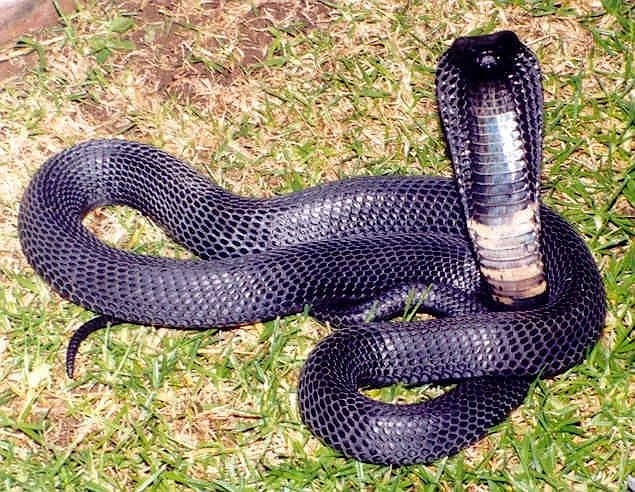
Ifunanya Nwangene, a rising Abuja-based singer, has died after being bitten by a snake, sparking renewed concern about emergency medical preparedness in the Federal Capital Territory. The 26-year-old soprano, a member of the Amemuso Choir, passed away on Saturday at the Federal Medical Centre (FMC), Abuja, after efforts to treat her were reportedly hampered by the limited availability of antivenom. Confirming her death, the Amemuso Choir released a statement on Sunday signed by its music director, Sam Ezugwu, mourning the loss of the talented singer. “We deeply regret to announce the sudden passing of our beloved soprano, Ifunanya Nwangene, who died yesterday, 31st January 2026, at the Federal Medical Centre due to a snakebite,” the statement read. The choir described Nwangene as a fast-rising talent within Abuja’s music scene, noting her death occurred at a pivotal stage of her career. “A rising star, Ifunanya was poised to share her remarkable talent with the world. Her voice and presence will be profoundly missed,” the statement added, while indicating that funeral arrangements would be announced later. Speaking on how the incident unfolded, Ezugwu explained that Nwangene was bitten while asleep in her residence and initially sought treatment at a private hospital in Lugbe. “She was bitten at home and rushed to Divine Health Hospital in Trademore, Lugbe. Unfortunately, the hospital did not have the antivenom,” he said. Transportation and antivenom shortages further delayed her transfer to FMC. “Her landlord tried to take her to FMC, Jabi, but the car failed. She then booked a Bolt to the hospital and explained her situation to the medical team,” Ezugwu added. Although she received care at FMC, the hospital reportedly had only one vial of antivenom available. Efforts to obtain a second vial were unsuccessful in time. “While we were trying to get the second vial, she unfortunately passed away,” he said. Following her death, a snake charmer was called to identify the snake species. The cobra that bit Nwangene was found inside her residence, while another snake was killed near the entrance. The incident occurred in the morning, and she died around 12:20 pm. The case has prompted public debate about emergency healthcare in Nigeria. Health advocates have criticised the lack of readily available antivenom in hospitals. Popular social media health commentator Aproko Doctor highlighted the systemic issues, noting that locally developed antivenom for Nigerian snakes, such as Echi-Tab, exists but is not sufficiently stocked in hospitals. “The lack of basic emergency supplies, not the snake itself, caused her death,” he stated. He also pointed to broader healthcare gaps, including poor infrastructure, strikes, and insufficient emergency response systems. This incident mirrors other recent snakebite fatalities in the FCT. In a separate case, the Jamigbe community in Abaji Area Council reported that a head teacher, Usman Mohammed, died after being bitten by a venomous snake in his office. Globally, snakebite envenoming causes up to 138,000 deaths and 400,000 permanent disabilities each year. Recognised by the World Health Organization as a priority neglected tropical disease, snakebite continues to disproportionately affect rural and vulnerable communities. In Nigeria, healthcare workers report widespread challenges in treating snakebite victims, including delays in patient arrival, poor hospital infrastructure, and gaps in clinical training, all contributing to preventable deaths.

Ifunanya Okafor2 February 2026
Anti-Snake-Venomm.jpeg

5min5740
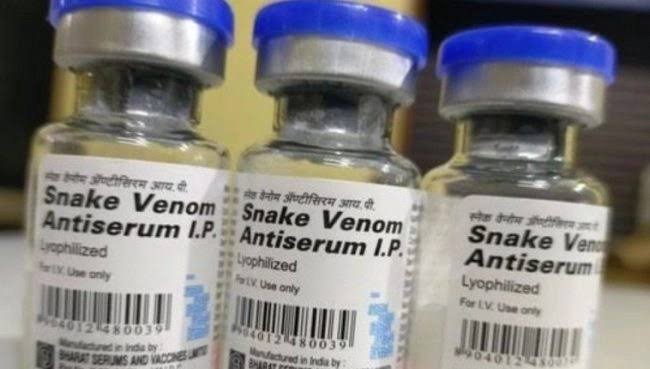
The Medical Director of the Snakebite Hospital and Research Centre, Kaltungo, Gombe State, Dr. Nicholas Amani, has described anti-snake venom as a scarce resource worldwide, citing that most victims are poor, rural farmers with limited social or political influence. Amani made the remarks in a telephone interview on Sunday while responding to the death of aspiring singer Ifunanya Nwangene, who reportedly died from a snakebite in Abuja on Saturday. Nwangene, 26, gained national recognition after appearing on The Voice Nigeria in 2021 and was known for her unique mix of jazz, opera, classical music, and soul. Discussing the challenges of snakebite management in Nigeria and globally, Amani said: “Anti-snake venom is a scarce commodity everywhere. Snakebites mainly affect the less privileged—farmers and rural dwellers—people who do not have a strong voice.” He explained that the marginalisation of victims has led to chronic underinvestment in the production and distribution of anti-snake venom worldwide. “At conferences and international meetings, the issue is always the same: scarcity. Free anti-snake venom is almost nonexistent, and most are sold through pharmacies,” he added. Amani noted that even specialised hospitals lack sufficient supplies. “Even in specialised facilities, we currently do not have anti-snake venom. The government is making efforts to provide it, but the process is still ongoing,” he said. Using Kaltungo as an example, he added that patients often have to source the life-saving drug from private vendors. The hospital treats patients from across Nigeria’s North-East and neighbouring countries, including Cameroon. “Even here, pharmacists and business people supply the anti-venom. Patients must buy it themselves. Scarcity is real,” Amani said. He stressed that the core problem is the lack of advocacy for those most affected. “The victims don’t have a voice. We raise awareness so the government and NGOs will listen and understand the situation,” he added. While acknowledging government efforts, Amani said public intervention alone is insufficient. “Government is doing a lot, but once anti-snake venom arrives, it is quickly exhausted. NGOs and other organisations must step in as well,” he said. He also highlighted the challenges of local production. “Producing anti-snake venom locally requires huge financial and technical investment, technology transfer, overseas training, specialised equipment, and sustained funding. This isn’t like producing a COVID-19 vaccine overnight,” he explained. Regarding the cost to patients, Amani described it as devastating. “A vial currently costs about ₦250,000, and some patients need two or three vials. Many victims are very poor and sell land or belongings just to afford one vial,” he said. Amani emphasized that the deaths of young Nigerians, such as Ifunanya Nwangene, highlight the urgent need to address snakebite as a neglected public health emergency. “We are taking steps, but we need sustained commitment, more funding, local production, and strong partnerships to effectively tackle this problem,” he added. The Toxinological Society of Nigeria has previously urged the Federal Government to fund snakebite control, noting that Nigeria records around 43,000 cases annually, with 1,900 deaths. At the society’s 2nd Annual General Meeting on Snakebite Management and Research Interventions, held from September 14–17, 2025, at Gombe State University, over 1,000 participants—including policymakers, researchers, clinicians, traditional leaders, and students—discussed the issue through 34 scientific papers and two plenary presentations. The society warned that snakebite envenoming continues to cause preventable deaths, amputations, kidney failure, and disabilities in vulnerable communities. Without decisive action, the cycle of poverty and suffering will persist.