Category: Refined Living

KIDS-1280x720.jpg

2min6030
Health experts have stressed that a child’s body size alone is not a reliable indicator of healthy growth, cautioning parents against equating chubbiness with good nutrition. They explained that while weight and height are important, proper child development depends on a combination of factors, including balanced nutrition, physical activity, and regular health monitoring. Experts warned that focusing solely on a child’s size can mask nutritional deficiencies or early signs of health issues. According to specialists, overemphasis on weight can lead to overfeeding, which increases the risk of obesity, diabetes, and other non-communicable diseases. They encouraged parents to pay attention to overall well-being, including energy levels, immunity, and growth milestones, rather than relying only on visual assessment. A nutritionist advised, “Parents should ensure children receive a variety of nutrients from fruits, vegetables, proteins, and whole grains. Regular check-ups and growth tracking are more reliable than simply judging by body size.” Experts also highlighted the importance of physical activity and mental well-being in a child’s growth, noting that a healthy child is active, energetic, and developing skills appropriate for their age. In conclusion, specialists urged parents to adopt a holistic approach to child health, combining proper diet, exercise, medical care, and regular monitoring to ensure balanced and sustainable growth.  

James Obasi6 January 2026
Doctorsthethoscope.webp

4min2640
Health experts have shared practical tips on how to enjoy meals without overeating, recommending strategies such as drinking water before eating and including high-fibre foods in your diet. The specialists explained that making smart food choices and practising portion control can help adults feel satisfied with smaller servings. In Nigeria, cultural beliefs that a chubby child indicates good health and parental wealth have reinforced the idea that one must eat until completely full, often referred to locally as “belle full.” Experts, however, warn that eating to this point can lead to overeating and stress the importance of focusing on meal satisfaction rather than sheer fullness. Overeating is linked to health risks such as heart disease, cancer, diabetes, obesity, and hypertension. Psychologists also note that consuming food for emotional comfort rather than nutritional need may indicate depression. According to MD Anderson Cancer Center, excessive eating forces stomach acid back into the esophagus, causing heartburn, organ strain, and increasing the risk of serious illnesses. Habitual overeating can also result in unwanted weight gain. Professor of Endocrinology at Lagos University Teaching Hospital, Mushin, Olufemi Fasanmade, advised Nigerians to eat in moderation, taking small portions throughout the day. He said, “Eat three to four times daily, but in small portions. Eating until completely full encourages overeating. For instance, one wrap of amala or a single slice of yam per sitting is sufficient.” Fasanmade highlighted that portion control is crucial for maintaining healthy eating habits and recommended adults stop eating once they feel satisfied, not full. Regular small meals also help limit calorie intake and support better weight management. Funmilayo Oluwasola, Assistant Chief Dietitian at the Federal Medical Centre, Abeokuta, explained the difference between eating for satisfaction and eating to fullness. She advised that drinking water before meals helps partially fill the stomach, reducing the quantity of food required to feel satisfied. Oluwasola also recommended high-fibre foods such as vegetables, oats, and whole grains, which help people feel full with less food. She suggested oatmeal as an effective option for achieving meal satisfaction with smaller portions. For moderately active adults, she advised a daily intake of around 1,800 calories, translating to manageable portion sizes. Examples include three to four slices of bread with tea and vegetables, or two average-sized wraps of fufu with plenty of vegetables. Rice portions should be limited to two to two and a half regular serving spoons. The dietitian emphasised that adults without health conditions could eat three times a day, with the largest meal timed during peak activity hours, typically around lunchtime. Evening meals should be lighter, such as smaller portions of rice or fufu paired with vegetables, or pap with vegetables, to avoid excessive calorie intake before rest. She stressed that meal timing, portion size, and food quality all play key roles in healthy eating habits. Nigerians were encouraged to focus on balanced meals, regular hydration, and mindful consumption to prevent health complications associated with overeating.

EFCC-2-768x432-1.jpeg

2min7170
CIG Motors Co. Ltd has terminated the appointment of its Executive Director, Jubril Arogundade, following allegations of financial misappropriation and abuse of authority. The company confirmed that the matter has been formally referred to the Economic and Financial Crimes Commission (EFCC) for further investigation. In a statement on Sunday, CIG Motors said the decision followed a period of suspension and a “comprehensive internal review” into Arogundade’s conduct. “The findings of the investigation revealed behaviour that fell significantly below the company’s governance, compliance, and ethical standards,” the company said. “In view of the seriousness of the issues uncovered, management approved the immediate termination of his appointment.” CIG Motors added that aspects of the probe related to financial misconduct have been escalated to law enforcement authorities. “Matters connected to financial impropriety have been formally referred to the EFCC. The company is cooperating fully with the authorities as the investigation progresses through the appropriate legal and regulatory channels,” it said. The company emphasised that the action reflects its zero-tolerance policy on financial misconduct and abuse of authority, particularly at senior management levels. “Safeguarding institutional integrity and protecting stakeholder interests remain central to our operations,” it stated. Sources said the internal review examined several transactions and management decisions that allegedly breached internal controls. While specific details were not disclosed, the company noted that the investigation was thorough and guided by its governance framework. Arogundade, for his part, stated that he is not afraid of any investigation and is willing to cooperate fully with lawful inquiries, even though he has not yet been formally contacted by the EFCC.

DOCTORR.jpeg

3min8190
Medical professionals have urged Nigerians to prioritise preventive healthcare in 2026, warning that rising living costs and new tax policies could make accessing medical services more expensive and challenging. They described the year as one of multiple taxation, advising citizens to adopt healthy lifestyles, including balanced diets, regular exercise, and moderation in salt and food consumption. Physicians also stressed the importance of early detection, cautioning against waiting until illnesses become severe, as this can increase both health risks and financial strain. The new Nigeria Tax Act (NTA), 2025, which took effect on January 1, is expected to impact the cost of healthcare services. While individuals earning below N800,000 annually are exempted, medical practitioners warn that hospitals and health facilities already burdened by multiple taxes could see service prices rise. With only about 20 million Nigerians enrolled in the National Health Insurance Scheme, more than 180 million people pay out-of-pocket for healthcare, leading to unequal access. Dr. Benjamin Olowojebutu, National First Vice-President of the Nigerian Medical Association, emphasised that preventive healthcare is critical. He urged adults over 40 to undergo age-specific screenings, including prostate checks for men and mammograms and cervical cancer screenings for women, while also monitoring blood pressure and sugar levels. Public health physician Dr. Tuyi Mebawondu highlighted the need for Nigerians to know their health numbers, maintain proper nutrition, stay hydrated, and engage in regular physical activity, even with limited resources. He also advised citizens to adhere to prescribed medications, avoid self-medication, and seek verified medical information rather than relying on unverified sources. Both doctors stressed that despite economic pressures, maintaining health must remain a top priority in the New Year, with prevention being cheaper and safer than treatment.

Bola-Tinubu.webp

4min7220
President Bola Tinubu has nominated former Rivers South-East Senator Magnus Abe as chairman of the Nigerian Upstream Petroleum Regulatory Commission (NUPRC), alongside 20 other nominees for boards of Nigeria’s key petroleum regulatory agencies, pending Senate confirmation. In letters to the Senate on Monday, the President requested expedited approval for the appointments to the NUPRC and the Nigerian Midstream and Downstream Petroleum Regulatory Authority (NMDPRA). Abe, a two-term senator for Rivers South-East, previously served on the board of the Nigerian National Petroleum Corporation and currently chairs the National Agency of the Great Green Wall. He will lead the NUPRC board, which includes non-executive commissioners Paul Jezhi, a former Trade Union Congress chairman in Kaduna, and Sunday Babalola, a former deputy director of the now-defunct Department of Petroleum Resources. Seven executive commissioners were also nominated for the NUPRC board: Muhammed Lamido (finance), Edu Inyang (exploration and acreage), Justin Ezeala (economic regulation and strategic planning), Henry Oki (development and production), Indabawa Alka (corporate services and administration), Mahmood Tijani (health, safety, and environment), and Olayemi Adeboyejo (secretary and legal adviser). Lamido and Adeboyejo were first appointed in 2022 by former President Buhari, while Tinubu appointed Alka in 2023. The remaining nominees are new appointees. For the NMDPRA board, Tinubu nominated Adegbite Adeniji, a lawyer with over 30 years of experience in energy and natural resources, as chairman. Adeniji previously served as special technical adviser to the Minister of State for Petroleum on upstream and gas and contributed to the World Bank’s Oil and Gas Policy team advising Nigeria on petroleum sector reforms, including the Strategic Gas Plan. He currently leads ENR Advisory as managing partner. Other NMDPRA board nominees include Kenneth Kobani and Asabe Ahmed as non-executive members, and Abiodun Adeniji (finance), Francis Ogaree (hydrocarbon), Oluwole Adama (midstream and downstream gas infrastructure), Dr. Mustapha Lamorde (corporate services and administration), Yahaya Yinusa (distribution systems), Adeyemi Aminu (corporate services), Modie Ogechukwu (economic regulation and strategic planning), and Olawale Dawodu (board secretary and legal adviser). Some members were previously appointed under former administrations, while others are new nominees. The presidential nominations follow the Senate’s recent confirmation of the chief executives of the two agencies: Oritsemeyiwa Eyesan as CEO of NUPRC and Saidu Aliyu Mohammed as CEO of NMDPRA. Both bodies were established under the Petroleum Industry Act of 2021, which restructured Nigeria’s petroleum sector governance. President Tinubu tasked all nominees with performing their duties professionally, highlighting the critical role of effective oversight in the nation’s oil and gas sector. The Senate is expected to screen the nominees in the coming weeks before formal confirmation.

Tech & Tools Desk6 January 2026
fuel-Petrol-Pump-750x375-1.jpg

5min4800
Local refinery operators, represented by the Crude Oil Refineries Association of Nigeria (CORAN), have challenged fuel importers, clashing with marketers over the continued importation of refined petroleum products. CORAN called on the Federal Government to prioritise domestic refining and restrict imports, while retailers under the Petroleum Products Retail Outlet Owners Association of Nigeria (PETROAN) argued that importation should remain open throughout 2026 to ensure sufficient supply. CORAN stated that imports should serve only as a balancing mechanism, but PETROAN maintained that willing traders should be allowed to import fuel to prevent shortages. In a position paper titled “True Faith in Nigeria’s Downstream: Why Local Refinery Companies Built While Importers Traded”, CORAN highlighted that true commitment to the sector is measured by long-term investment and risk exposure, not trading activity. The association said local refinery companies have shown faith in Nigeria by investing in fixed industrial assets within the country. “Refining is one of the most capital-intensive and risk-exposed segments of the petroleum value chain. Investors contend with construction risks, crude supply uncertainties, foreign exchange volatility, power, logistics, evacuation constraints, and policy inconsistencies,” CORAN said. “Once a refinery is built, capital is effectively locked in. It cannot be relocated or exited without substantial loss. This is not a trading strategy—it is an industrial declaration of confidence in Nigeria’s future.” The association noted that local refiners have collectively committed tens of billions of dollars to downstream infrastructure, which only delivers value if Nigeria succeeds as a refining and industrial economy. By contrast, Nigeria’s downstream sector has historically been dominated by an import-driven model, particularly during the subsidy era, which yielded substantial profits but failed to develop local refining capacity. CORAN cited official data showing that Nigeria remains heavily reliant on fuel imports. According to the National Bureau of Statistics, over 20 billion litres of Premium Motor Spirit were imported in 2023. The association also noted a sharp rise in import bills, with petrol imports reaching approximately ₦15.4 trillion in 2024, more than double the ₦7.5 trillion recorded in 2023. These outflows, CORAN said, could have circulated within the domestic economy through refining, logistics, storage, petrochemicals, and industrial employment. “Importation consumed national wealth but did not build national capacity,” the association said. It added that capital generated from import trading largely flowed into real estate, financial portfolios, and upstream acquisitions, often with crude subsequently exported rather than refined locally. CORAN described the situation as a clash between two competing downstream philosophies: one focused on domestic value addition, energy security, and long-term economic resilience, and the other reliant on continued import access, FX windows, and permissive import regimes. The association called on the Federal Government to guarantee crude supply to domestic refineries, regulate imports where local capacity exists, and establish rule-based, enforceable allocation mechanisms. CORAN urged conditional import licensing, fair pricing, and equitable foreign exchange treatment for refiners, stressing that importation should be a balancing tool rather than a default option. “This is not about favouring one company over another; it is about deciding the kind of downstream sector Nigeria wants,” the association said. The statement comes amid calls from Dangote Petroleum Refinery for the Nigerian Midstream and Downstream Petroleum Regulatory Authority (NMDPRA) to halt fuel import licences. Aliko Dangote accused the former NMDPRA chief of issuing ‘reckless’ licences in November despite full refinery tanks. Reacting to these calls, PETROAN spokesman Joseph Obele said no single source can supply the nation alone. He reaffirmed that the import window should remain open throughout 2026 and warned that restricting imports could lead to fuel scarcity.


James Obasi6 January 2026
NNPCCC-1280x720.jpg

3min5170
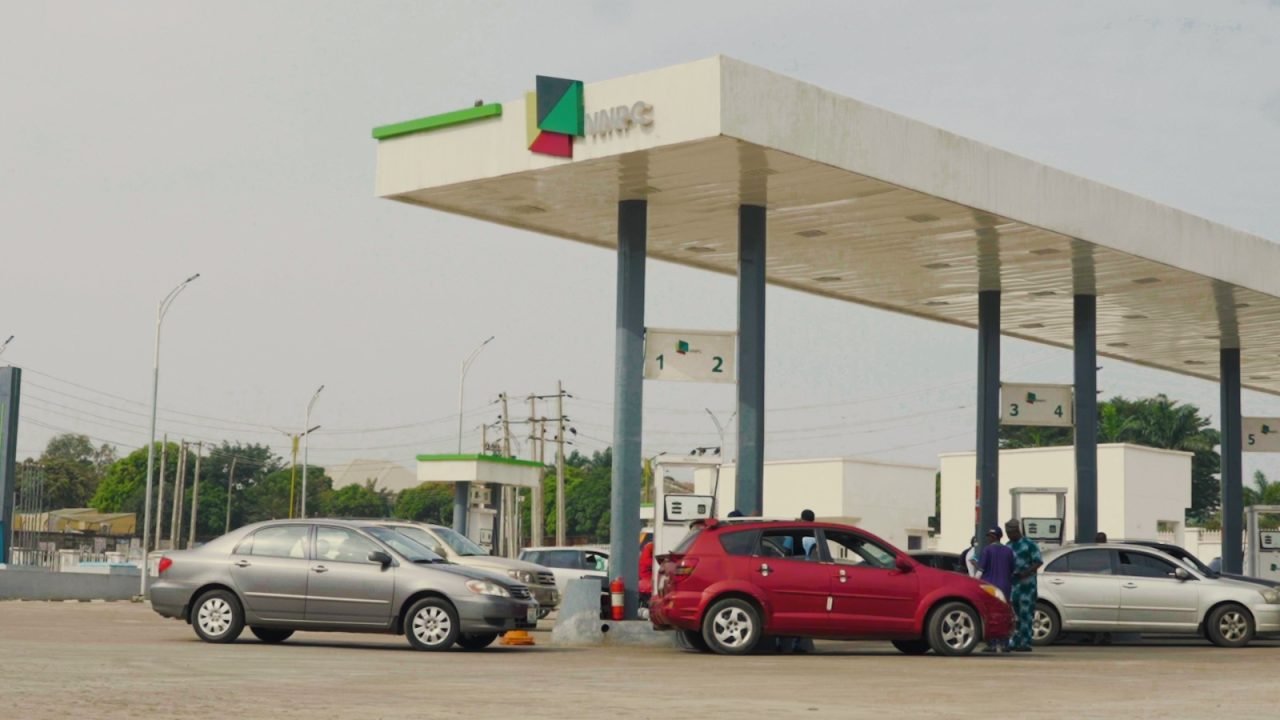
The Nigerian National Petroleum Company Limited (NNPC) has reduced the pump price of Premium Motor Spirit (petrol) at its retail outlets in Abuja to ₦815 per litre. The new rate marks a ₦20 reduction from the previous ₦835 per litre previously sold at NNPC stations. The revised price has been implemented at filling stations across the Federal Capital Territory, including Lugbe, Wuse Zones 4 and 6, the Keffi–Abuja Road, and the Kubwa Expressway. Despite the reduction, NNPC’s price remains ₦76 higher than the ₦739 per litre currently offered at Dangote Refinery-backed MRS outlets nationwide. Observations across Abuja on Monday showed notable price variations among different retail stations. Matrix stations sold petrol at ₦840 per litre, Sunlight outlets at ₦825, and Optima Energy at ₦835, while several NNPC stations, such as those in Lugbe and opposite Shoprite, reflected the ₦815 price. MRS stations continued to offer the lowest rate at ₦739 per litre. The latest price adjustment comes amid growing competition in Nigeria’s downstream oil sector following the large-scale supply of petrol from Dangote Petroleum Refinery. On December 19, 2025, NNPC had previously reduced its petrol price by ₦80, from ₦915 to ₦835 per litre, responding to a market-driven price war initiated by Dangote Refinery, which had lowered its ex-gantry price to ₦699 per litre on December 12, 2025—the lowest in about two years. The ongoing price movements reflect the early impact of deregulation and the expansion of domestic refining capacity, which has pushed marketers to respond to market competition rather than fixed pricing. While consumers benefit from the reductions, price volatility continues to affect the market. Independent marketers have expressed concerns over narrowing margins and inconsistent access to competitively priced petrol. The Federal Government has maintained that petrol prices will be determined by market forces, as Nigerians closely monitor how local refining output will influence supply and pricing in the months ahead.

uiei.jpg

3min7700
International Energy Insurance Plc has converted a ₦2 billion deposit received from Norrenberger Advisory Partners Limited into equity, resulting in the creation of 1.25 billion new ordinary shares in the company. The conversion was approved by shareholders at an Extraordinary General Meeting (EGM) held virtually on December 31, 2025. In a disclosure filed with the Nigerian Exchange Limited on Monday, the company stated that the newly issued shares were priced at ₦1.60 per share, with a nominal value of ₦0.50 each. The shares will rank pari passu with existing ordinary shares, thereby granting Norrenberger Advisory Partners Limited an equity stake in International Energy Insurance. According to the resolutions passed at the EGM, the ₦2 billion deposit for shares provided by Norrenberger Advisory Partners Limited was formally converted into equity through the issuance of 1,250,000,000 ordinary shares on the stated terms. Beyond the equity conversion, shareholders also approved plans for the company to raise additional capital of up to ₦17.5 billion through a range of options, including private placements, rights issues, public offers, strategic investor participation, or a combination of these methods. The Board of Directors was authorised to determine the structure, pricing, timing and tranches of any capital raise, subject to the necessary regulatory approvals. The meeting further approved an increase in the company’s share capital to accommodate the new issuance, alongside amendments to the Memorandum and Articles of Association to reflect the updated share structure in line with the Companies and Allied Matters Act, 2020. Shareholders also empowered the Board to take all required steps to implement the resolutions, including filings with regulatory authorities, engagement of professional advisers and full compliance with applicable regulatory requirements. All actions previously taken by the Board and management in connection with the resolutions were ratified. The company said the capital restructuring and planned fundraising are expected to strengthen its financial position, improve underwriting and investment capacity, and support long-term strategic growth within Nigeria’s insurance sector.

Rand-Merchant.jpg

4min10490
Rand Merchant Bank Nigeria Limited has announced that it has met the new minimum capital requirement set by the Central Bank of Nigeria (CBN). The bank disclosed in a statement on Monday that the capital threshold was achieved on December 30, 2025. In March 2024, the CBN revised the minimum capital requirements for banks operating in Nigeria. Under the new framework, banks with international licences are required to maintain a minimum capital base of ₦500 billion, while national commercial banks must raise at least ₦200 billion. Regional commercial banks and merchant banks are each required to meet a ₦50 billion threshold. In the non-interest banking segment, national operators are expected to maintain ₦20 billion in capital, while regional players are required to raise ₦10 billion. RMB Nigeria said achieving the capital requirement highlights its financial strength, resilience and strong commitment to regulatory compliance. The bank added that the milestone also reflects shareholders’ confidence in the Nigerian economy and the institution’s role in supporting the country’s evolving financial system. According to the bank, meeting the CBN recapitalisation benchmark positions it to deliver innovative financial solutions, strengthen customer confidence and contribute meaningfully to the stability and growth of Nigeria’s banking sector. Commenting on the development, the Chief Executive Officer of RMB Nigeria, Bayo Ajayi, said the bank was pleased to have satisfied the CBN’s capitalisation requirement. He noted that the achievement demonstrates shareholders’ trust in the Nigerian economy and the bank’s commitment to providing high-quality corporate and investment banking services across Nigeria and the wider African market. Ajayi added that the bank remains focused on building a stronger and more resilient institution capable of thriving in Nigeria’s dynamic financial environment. With this development, Rand Merchant Bank Nigeria has joined the growing list of financial institutions that have met the CBN’s minimum capital requirement ahead of the March 2026 deadline. At the recent Bankers’ Dinner in Lagos, CBN Governor Olayemi Cardoso reaffirmed that the recapitalisation exercise remains on track. He disclosed that several banks have already met the new thresholds, while others are making steady progress towards compliance. According to Cardoso, 27 banks have raised capital through public offers and rights issues so far, with 16 institutions having met or exceeded the new minimum requirements, underscoring the resilience and depth of Nigeria’s banking sector.

TAX.jpg

4min2260
Nigerian businesses are heading into 2026 with renewed optimism, according to the December 2025 Business Expectations Survey released by the Central Bank of Nigeria (CBN). The survey shows that the aggregate Business Confidence Index stood at 37.5 index points in December, with expectations that it will rise to as high as 52.5 points within the next six months, signalling growing confidence across the private sector. The Confidence Index, which measures overall business sentiment, reflects responses gathered between December 1 and 5, 2025, from 1,900 business enterprises nationwide. The survey recorded a response rate of 97.3 per cent and covered three major sectors of the economy: industry, services and agriculture. Despite ongoing operational and macroeconomic challenges, the report indicates that businesses are increasingly focused on longer-term stability and growth prospects. The industrial sector recorded the highest level of confidence at 38.7 index points, with agriculture and services also posting positive sentiment about the broader economic outlook. According to the report, all sectors expressed optimism about current macroeconomic conditions, with expectations that confidence will remain strong over the next six months. While the services sector showed slightly slower optimism in the near term, it recorded stronger confidence over the three- and six-month outlook. Businesses across sectors also expressed confidence in higher volumes of activity in the coming months, pointing to potential growth in overall economic output. In line with anticipated expansion, firms expect to increase hiring in January 2026. Sectoral analysis shows that agriculture has the strongest prospects for business expansion, while mining and quarrying is expected to record the highest employment growth in the period. Supporting this optimism are expectations of improved business activity, a projected appreciation of the naira against the US dollar, and a gradual decline in interest rates, which businesses believe will ease financing conditions. However, the report also highlights persistent structural challenges. Insecurity was identified as the most significant threat to operations, scoring 74.0 index points. This was followed by high or multiple taxation at 69.9 points, inadequate power supply at 67.9 points, and elevated interest rates at 67.5 points. Although these constraints continue to affect profitability and operations, they have not significantly dampened business expansion plans. Capacity utilisation across all sectors remained steady at an average of 49.8 per cent in December, with the construction sector recording the highest utilisation rate during the period. Regional sentiment varied, with the North-East posting the highest level of optimism at 51.5 index points, while the South-East recorded the lowest at 27.9 points. Nevertheless, all geopolitical zones reported positive expectations for the months ahead. Overall, the December 2025 survey presents a picture of resilience within Nigeria’s private sector. While businesses continue to grapple with insecurity, high taxes and infrastructure deficits, their outlook remains focused on growth, expansion and job creation, driven by expectations of a stronger currency and more favourable credit conditions.